
Main Courses
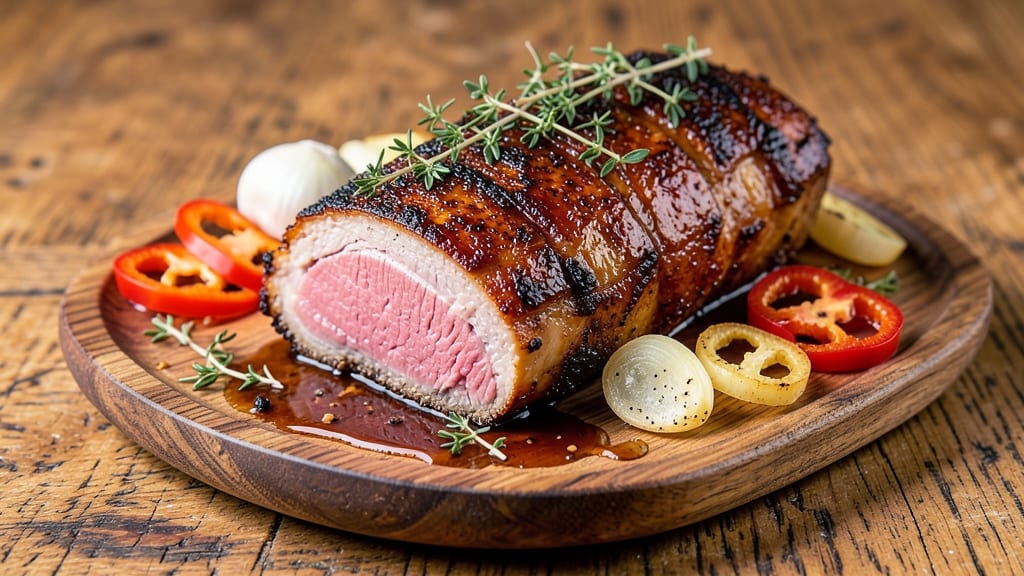
This Caribbean pork roast recipe delivers restaurant-quality jerk-spiced crust and melt-in-your-mouth tenderness in one perfect package. 🔥 After years of perfecting my technique with heritage pork, I've cracked the code for achieving that signature charred exterior while keeping the meat impossibly juicy inside.
The secret lies in a carefully balanced marinade that works its magic overnight, transforming tough cuts into fall-apart perfection.
What sets this recipe apart is the combination of traditional jerk spices with a modern roasting approach that ensures consistent results every time. We're talking about allspice, Scotch bonnet peppers, and thyme working together to create layers of smoky, slightly sweet heat that penetrates every inch of the meat.
The pork roasts at a precise 325°F temperature, allowing the marinade to develop deep flavor without drying out the meat.
By the time it emerges from the oven, you'll have pork with a beautifully charred, caramelized crust that gives way to tender, juicy meat that practically melts in your mouth.
The aroma alone will have your whole house smelling like a Caribbean island, while the flavor profile delivers that perfect balance of heat, sweetness, and smokiness that defines jerk cooking.
The best part? This technique works equally well for family dinners or special occasions, and the leftovers reheat beautifully for sandwiches or tacos the next day. Let's get started on creating your most flavorful pork roast yet.
Ingredients for caribbean pork roast
Pantry staples meet Caribbean heat—just 14 ingredients transform ordinary pork into extraordinary jerk-spiced perfection.
| Ingredient | Amount | Notes |
|---|---|---|
| Heritage Pork Roast 🐖 | 3 lb | Bone-in, center-cut preferred |
| Scotch Bonnet Peppers 🌶️ | 2 whole | Fresh, seeds removed for less heat |
| Allspice Berries 🌿 | 2 tbsp | Whole berries for authentic flavor |
| Fresh Thyme 🌿 | ½ cup | Stems removed, loosely packed |
| Garlic Cloves 🧄 | 8 cloves | Peeled, smashed for intense flavor |
| Fresh Ginger 🌿 | 2 tbsp | Grated, vibrant and aromatic |
| Brown Sugar 🍚 | ½ cup | Lightly packed, for caramelization |
| Soy Sauce 🍶 | ¼ cup | For umami depth, any brand |
| Apple Cider Vinegar 🍎 | ¼ cup | For tangy balance, organic preferred |
| Olive Oil 🫒 | ¼ cup | Extra-virgin for richness |
| Ground Black Pepper 🌶️ | 1 tsp | Freshly cracked for heat |
| Diamond Crystal Kosher Salt 🧂 | 2 tbsp | For seasoning and marinade |
| Orange Juice 🍊 | ½ cup | Freshly squeezed, no pulp |
| Honey 🍯 | 2 tbsp | Wildflower preferred for complexity |
The pork cut is everything here. Heritage pork delivers that unmatched tenderness, but any bone-in roast works—just ask your butcher for the most marbled section. Whole Foods or local farms often carry heritage cuts, but standard pork roasts from Costco or Kroger will do in a pinch. Look for thick slices around the loin, as these stay juicy during roasting. The Scotch bonnet peppers? Trader Joe's carries them year-round, but Latin markets have them freshest. If you can't find them, habanero peppers at half the amount will give you similar heat. Allspice berries are non-negotiable—they're the secret behind that authentic jerk flavor. Penzeys sells them whole, or look in the spice aisle of World Market.
No Scotch bonnet? Red pepper flakes or cayenne at one-third the amount will add heat, though you'll lose that fruity depth. The allspice berries can be ground ahead of time, but toasting them whole for 2 minutes in a dry pan before grinding releases even more flavor. Fresh thyme is ideal, but dried thyme at one-quarter the amount works in a bind. For the ginger, buy it fresh—the freeze-dried stuff lacks punch. The brown sugar can be swapped for coconut sugar if you're avoiding refined sugar, though it'll caramelize slightly differently. And if you're out of apple cider vinegar, white vinegar or lime juice will keep things tangy. The orange juice should be freshly squeezed—none of that bottled stuff.
Marinate the pork overnight for maximum flavor penetration, but no longer than 24 hours—the acidity starts breaking down the meat after that. Store the marinade in a sealed container in the fridge. The pork roast itself can be prepped a day ahead—just pat it dry and let it sit uncovered in the fridge for 30 minutes before roasting to render some fat. Leftovers reheat beautifully—350°F for 10-15 minutes until warmed through. For sandwiches, slice against the grain, and always serve with pickled onions or mango salsa to cut through the richness. The marinade keeps for 1 week in the fridge, so make extra for grilling or glazing.
Why You'll Love This Recipe
- I’ll be real: heritage pork isn’t cheap, but this recipe stretches it far. A single roast feeds my family of four for two meals—plus, the spices (especially allspice berries) last for ages. And if you’re feeding a crowd? Double the batch, halve the cost per serving. It’s my secret weapon for stretching groceries without sacrificing taste.
- One-Pot Magic: Honestly, I swear by this recipe because it’s literally hands-off after the initial prep. Toss the pork, peppers, and spices in one pan, then let the oven do the work—no flipping, no fussing, just pure, slow-cooked goodness. The Scotch bonnet’s heat builds as it roasts, so by the end, you’ve got a dish that tastes like it simmered all day.
- Flavor Bomb: Between us, the allspice and thyme in this roast are chef’s kiss—warm, earthy, with just a kick from the Scotch bonnet. The heritage pork stays juicy while the edges get that crispy, caramelized crust. It’s the kind of flavor that makes you close your eyes and sigh, even if you’re just reheating leftovers.
- Party-Ready Performer: Here’s what sold me—this roast shines at gatherings. Serve it sliced with rice and peas for a full Caribbean feast, or chop it up for tacos when friends drop by. The leftovers? Even better the next day, especially with a side of fried plantains. (Yes, even on a Tuesday night.)
Step-by-step instructions for Caribbean pork roast
Here's how to transform a simple pork roast into a showstopping Caribbean masterpiece with bold flavors and melt-in-your-mouth tenderness.
👨🍳 Step 1: Prepare the Jerk Marinade
In a blender or food processor, combine the 2 whole Scotch Bonnet Peppers (seeds removed), 2 tbsp Allspice Berries, 0.5 cup Fresh Thyme, 8 cloves Garlic Cloves, 2 tbsp Fresh Ginger, 0.5 cup Brown Sugar, 0.25 cup Soy Sauce, 0.25 cup Apple Cider Vinegar, 0.25 cup Olive Oil, 1 tsp Ground Black Pepper, 2 tbsp Diamond Crystal Kosher Salt, 0.5 cup Orange Juice, and 2 tbsp Honey. Blend until completely smooth, scraping down the sides as needed.
Here's the thing—this marinade is the heart of your dish. The Scotch Bonnet peppers bring that signature Caribbean heat while the allspice and thyme create that warm, earthy depth. The honey and brown sugar caramelize beautifully during cooking, giving you that coveted sticky crust. Taste and adjust seasoning if needed—you want it bold but balanced.
🍳 Step 2: Marinate the Pork Roast
Place the 3 lb Heritage Pork Roast in a large resealable plastic bag or shallow dish. Pour the marinade over the pork, ensuring it's completely coated. Seal the bag or cover the dish and refrigerate for at least 4 hours, but I recommend overnight for maximum flavor penetration.
During marinating, the pork absorbs all those incredible flavors while the acid in the orange juice and vinegar begins to tenderize the meat. I like to turn the pork occasionally for even coating. If using the bag method, squeeze out excess air before sealing to prevent bacterial growth. This step is non-negotiable for that authentic jerk flavor and tender result.
🔥 Step 3: Sear the Roast for Maximum Flavor
Remove the pork from the refrigerator 30 minutes before cooking to bring it to room temperature. Preheat your oven to 325°F. Heat a large oven-safe skillet over medium-high heat and add the marinated pork roast. Sear on all sides for 3-4 minutes per side until deeply browned and caramelized.
This searing step creates that beautiful crust we're after while locking in juices. The browned edges will become even more flavorful as they caramelize in the oven. Don't rush this—you want that deep, rich color. If your skillet isn't oven-safe, transfer the seared pork to an oven-safe dish after browning.
⏰ Step 4: Roast to Perfect Tenderness
Transfer the seared pork to a baking dish and cover tightly with foil. Roast in the preheated 325°F oven for 2 to 2.5 hours, or until the internal temperature reaches 195-200°F when measured with a meat thermometer. The pork should be fork-tender with juices running clear.
Here's where patience pays off. The low and slow cooking method breaks down the connective tissue, creating that melt-in-your-mouth texture we want. I check the temperature after 2 hours and then every 15 minutes after that. The foil keeps the pork moist while allowing it to cook evenly. If you notice the top browning too quickly, tent it with additional foil.
🍽️ Step 5: Rest and Serve with Style
Remove the pork from the oven and let it rest for 15-20 minutes before carving. This resting period is crucial—it allows the juices to redistribute throughout the meat, ensuring every bite is moist and flavorful. During this time, you can make a quick gravy by deglazing the roasting pan with a splash of the reserved marinade or some hot water.
Slice the pork against the grain into ½-inch thick slices. The meat should be so tender it practically falls apart. Serve with the pan sauce drizzled over the top and pair with your favorite sides like steamed rice, roasted plantains, or a fresh Caribbean salad. The aroma alone will have everyone gathering around the table—this is a dish that delivers on both flavor and presentation.
Pro Tips For Making Caribbean Pork Roast
- Sear the Pork First: Get that roast screaming hot in a dry skillet for 3-4 minutes per side before moving it to the oven. I used to skip this step, thinking the slow roast would handle it—wrong. That initial crust locks in the juices and carries all the Scotch bonnet and allspice flavors deep into the meat.
- Toast the Allspice: Lightly crush the allspice berries in a dry pan for 30 seconds until fragrant—just enough to wake up their aroma. My grandmother swore by this, and she was right: skipping it means your dish tastes like it’s missing something, even if you can’t quite put your finger on it.
- Handle Scotch Bonnets Carefully: Wear gloves when cutting those peppers—they’re not just spicy, they’re aggressive. Remove seeds and membranes first, then finely dice only what you’re comfortable with. I learned this the hard way after serving a plate that had everyone reaching for water.
- Baste with Pan Juices: Every 45 minutes, spoon that sticky, caramelized goodness from the roasting pan over the pork—it’s the difference between "good" and "showstopper." Don’t let it burn dry; keep a splash of broth or lime juice handy to deglaze if needed. (Yes, even if you’re impatient like me.)
Make-ahead tips for this dish
Marinade Prep Ahead
The jerk marinade is the flavor foundation, so I make it first—it keeps for 1 week in the fridge. Store it in an airtight container with the lid pressed down to prevent oxidation. When ready to use, simply pour over your pork.
Pro tip: Double the batch and freeze half in ice cube trays. Once frozen, transfer cubes to a freezer bag for easy single-use portions later. 🌶️
For maximum efficiency, prep the marinade ingredients the night before. Chop all your garlic, ginger, and herbs while they're fresh, then store them in separate containers in the fridge. When you're ready to blend, just combine everything—no last-minute chopping stress.
I keep my allspice berries and Scotch bonnet peppers in separate containers too, since they're the most potent flavors.
Pork Prep Timeline
Pat your pork dry with paper towels before marinating—this helps the seasoning adhere better. Place it in a shallow dish or resealable bag, then pour the marinade over it.
For even coating, I like to turn the pork every 2 hours if marinating for less than 4 hours, or just once if marinating overnight. The acid in the marinade works its magic overnight, so plan accordingly.
Here's my pro move: After marinating overnight, remove the pork and let it sit uncovered on a wire rack in the fridge for 30 minutes before cooking. This helps render some fat and creates a better sear.
I always do this step—it makes a noticeable difference in the final texture and flavor. Just don't skip it!
Roast Make-Ahead Magic
This pork roast reheats beautifully, making it perfect for meal prep. After roasting and resting, let it cool completely, then slice against the grain. Store in an airtight container in the fridge for up to 4 days.
To reheat, I use a combination of methods: first warm in the microwave for 2 minutes on medium, then finish in a 350°F oven for 10-15 minutes until piping hot.
For sandwiches or tacos, I like to reheat just the slices I need. Wrap them in a damp paper towel and microwave for 30-45 seconds. The moisture keeps them from drying out.
This is especially handy for quick lunches—just assemble with your favorite toppings and enjoy that restaurant-quality jerk flavor at home.
Leftovers Reinvented
Transform your leftovers into new meals with minimal effort. Shred the pork and use it for jerk-style tacos with tortillas, avocado, and lime crema. Or make jerk pork fried rice by combining with day-old rice, peas, and a fried egg.
The possibilities are endless—this versatile protein works in so many dishes. 💡
I also love making jerk pork empanadas for a handheld treat. Just mix the shredded pork with a little of the reserved marinade, stuff into store-bought empanada dough, and bake at 375°F for 15-20 minutes.
The crispy pastry pairs perfectly with the tender, spiced filling. It's a crowd-pleaser that takes just 20 minutes to assemble!
Nutrition facts
Frequently asked questions
Can I use regular pork chops instead of a pork roast?
Not ideal for this recipe—the roast's size and bone-in nature create that perfect balance of tender meat and flavorful crust. For a similar effect, use 2-3 bone-in pork loin chops (about 1.5 inches thick) and reduce marinade by 25%. Cook at 400°F for 20-25 minutes instead of roasting.
How do I adjust the heat level in the marinade?
Remove 1-2 Scotch bonnet seeds for mild heat or halve the pepper amount for a milder kick. For extra spice, add 1 tbsp cayenne or 1 habanero pepper. Always taste the marinade before applying—you can adjust with more honey or vinegar to balance.
What's the best way to serve this Caribbean pork?
Pair with steamed white rice and peas, fried plantains, or coconut rice for a full island feast. For a modern twist, serve on brioche buns with mango salsa or over sweet potato mash. The pan sauce makes an excellent drizzle!
Can I grill this recipe instead of roasting?
Marinate and sear as directed, then grill over medium heat (350-400°F) for 20-25 minutes, turning occasionally. For extra smokiness, add pimento wood chips to the grill. Baste with reserved marinade in the last 5 minutes for a glossy finish.
Why did my pork turn out dry?
Most likely overcooked—pork should reach 195-200°F internal temp, not 210°F+. Use a meat thermometer and cover tightly with foil during roasting. For extra moisture, add 1 cup apple juice to the roasting pan and baste occasionally.