
Main Courses
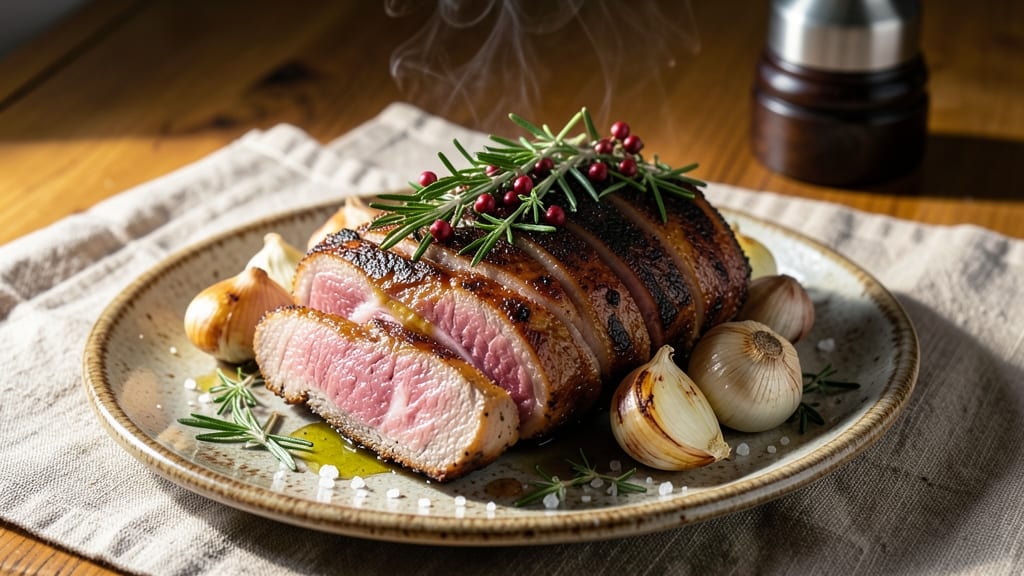
This boneless pork tenderloin roast recipe delivers restaurant-quality tenderness in under an hour—no fancy techniques required. 🔥 I perfected this one-pan method after years of roasting pork for crowds, where the herb glaze locks in juices while creating a golden, caramelized crust that begs for seconds.
The secret lies in precise temperature control and a simple glaze that transforms lean pork into melt-in-your-mouth perfection.
What sets this recipe apart is the foolproof one-pan approach, where you'll start with a dry-brine seasoning that ensures maximum moisture retention, then finish with a glossy herb glaze that adds depth without overpowering the natural pork flavor.
No basting, no stress—just set it and let the oven work its magic. The result? A perfectly pink center with a crust that's crisp enough to stand up to even the most delicate sides.
By the time you're done, you'll have a juicy, evenly cooked roast that slices effortlessly and pairs beautifully with roasted vegetables or a crisp apple salad. The herb glaze adds layers of aroma that fill your kitchen, making this the kind of meal that turns ordinary weeknights into something special.
This is the pork roast I reach for when I need to impress—without the hours in the kitchen.
Whether you're feeding a family or treating yourself to a solo dinner, this recipe scales perfectly while maintaining that tender, flavorful result. The best part? Leftovers reheat beautifully, making it ideal for meal prep. Let's get cooking—your taste buds will thank you.
Ingredients for boneless pork tenderloin roast
The secret to juicy, restaurant-quality pork lies in these carefully chosen ingredients—each playing its part.
| Ingredient | Amount | Notes |
|---|---|---|
| Boneless Pork Tenderloin 🐖 | 1 ½ lb | Center-cut, even thickness preferred |
| Diamond Crystal Kosher Salt 🧂 | 1 ½ tsp | For dry-brine seasoning |
| Fresh Rosemary 🌿 | ½ tsp | Finely chopped, stems removed |
| Fresh Thyme Leaves 🌿 | ½ tsp | Freshly picked, stems removed |
| Garlic Cloves 🧄 | 3 cloves | Minced, for glaze |
| Extra-Virgin Olive Oil 🫒 | 2 tbsp | High-quality, fruity variety |
| Honey 🍯 | 1 tbsp | For glaze sweetness |
| Balsamic Vinegar 🍷 | 1 tbsp | For glaze depth |
| Unsalted Butter 🧈 | 2 tbsp | Cold, for basting |
| All-Purpose Flour 🌾 | 1 tbsp | For glaze thickening |
| Ground Black Pepper 🌶️ | ½ tsp | Freshly cracked |
| Fresh Sage Leaves 🌿 | ¼ cup | Chopped, for glaze garnish |
The pork tenderloin is the star, so center-cut and even thickness are non-negotiable—this ensures even cooking. Costco or Whole Foods carry excellent pre-trimmed roasts, but if buying whole, trim any visible fat or silver skin for a cleaner finish. The herb glaze relies on fresh rosemary and thyme, so grab them from the grocery store's refrigerated section (they should smell vibrant, not wilted). For the glaze, high-quality olive oil makes all the difference—skip the cheap stuff. I always buy California Olive Ranch when I can find it, but any extra-virgin with a peppery finish works.
No fresh rosemary? Dried works at one-third the amount, but the flavor won’t be as bright. Short on honey? Maple syrup is a perfect swap—just use the same amount. The balsamic vinegar adds depth, but if you’ve only got red wine vinegar, reduce it by half to avoid overpowering the pork. For the dry brine, Diamond Crystal kosher salt is ideal—it dissolves easily, but if you’ve got Morton, reduce to 1 tsp. The butter for basting should be cold and cubed—this helps create that golden crust without steaming the meat.
Leftovers reheat beautifully—just warm in a 350°F oven for 10-15 minutes covered with foil. The glaze thickens when chilled, so reheat with a splash of water or broth to loosen it back up. Store the pork in an airtight container for 3-4 days in the fridge, or freeze for up to 3 months. I always slice it thin against the grain for the most tender bites—use a sharp serrated knife to make clean cuts. The glaze keeps for 1 week in the fridge, so make extra for drizzling over roasted veggies.
Why You'll Love This Recipe
- One-Pan Magic: I swear by this recipe—just salt, herbs, and garlic on a single sheet pan. No fancy gadgets, no mess, no stress. My weeknights thank me every time.
- Herb-Packed Punch: That rosemary and thyme combo? It’s like a warm hug for your taste buds. The garlic cloves caramelize just enough to give it this irresistible depth—simple ingredients, but wow.
- Leftovers That Shine: Between us, this roast is so good cold that I actually look forward to lunch the next day. Slice it thin, toss it in salads, or serve it on toast—it’s the ultimate lazy-day hero.
- Budget-Friendly Protein: Pork tenderloin is lean, affordable, and cooks faster than a steak. I buy it in bulk, freeze portions, and always have a reliable, flavorful meal ready. No wasted money, no wasted food.
Step-by-step instructions for herb-glazed pork tenderloin roast
This one-pan method delivers melt-in-your-mouth pork with a glossy herb glaze every time.
🍳 Step 1: Sear and Season the Pork
Preheat your oven to 400°F and heat a large oven-safe skillet over medium-high heat. Pat the 1.5 lb boneless pork tenderloin completely dry with paper towels—this is crucial for that perfect crust. Rub all sides with 1 tbsp extra-virgin olive oil, then sprinkle generously with 1.5 tsp diamond crystal kosher salt and 0.5 tsp ground black pepper.
Sear the pork for 3-4 minutes per side until golden brown. Here's the thing—don't move it around too much. Let it develop that beautiful crust without disturbing it. When it releases easily from the pan, transfer it to a plate and let it rest for 5 minutes while you prep the glaze.
👨🍳 Step 2: Prepare the Herb Glaze
In the same skillet (no need to clean it—those browned bits are flavor gold), melt the 2 tbsp unsalted butter over medium heat. Add the 3 cloves minced garlic and cook for 30 seconds until fragrant—don't let it brown or it'll turn bitter.
Whisk in the 1 tbsp honey and 1 tbsp balsamic vinegar, then sprinkle with 0.5 tsp fresh rosemary and 0.5 tsp fresh thyme leaves. Stir to combine, then remove from heat and whisk in the 1 tbsp all-purpose flour to thicken the glaze slightly. The mixture should coat the back of a spoon but still be pourable.
🔥 Step 3: Roast to Perfect Doneness
Return the pork to the skillet and spoon the glaze generously over the top. Transfer the skillet to the preheated oven and roast for 20-25 minutes, basting with the pan juices every 5 minutes. You're aiming for an internal temperature of 145°F—use an instant-read thermometer to check the thickest part of the meat.
Here's where it gets fun—the glaze will bubble and caramelize beautifully. If it starts to darken too quickly, tent the skillet loosely with foil to prevent burning. The pork is done when it's fork-tender and the glaze has thickened into a glossy coating. Remove from oven and let rest for 10 minutes before slicing.
🥘 Step 4: Finish with Fresh Herbs
While the pork rests, stir the 0.25 cup chopped fresh sage leaves into the remaining glaze in the skillet. Return the skillet to medium heat for 1-2 minutes to warm through the sage and infuse its flavor into the sauce. The leaves should wilt but still retain some color.
Slice the pork against the grain into ½-inch thick medallions and arrange on a serving platter. Spoon the sage-infused glaze over the top and serve immediately. The pork should be juicy and tender with a beautiful caramelized crust, while the glaze delivers bright herbaceous notes that cut through the richness.
Pro Tips For Making Boneless Pork Tenderloin Roast
- USE A MEAT THERMOMETER: I learned this the hard way—pork tenderloin looks done when it’s still overcooked. Aim for 145°F internal temp, then let it rest. That 5-minute rest keeps it juicy, not rubbery.
- SALT THE PORK 40 MINUTES EARLY: Diamond Crystal kosher salt needs time to work its magic. Sprinkle it on the tenderloin an hour before cooking (yes, even if you’re impatient like me)—it seasons deeper and crisps the crust better.
- SMASH THE GARLIC CLOVES: Whole garlic burns fast and tastes bland. Smash each clove with the flat side of your knife before adding it to the pan. More flavor, less bitterness, and it blends right into the roast.
- DON’T OVERCROWD THE PAN: If you’re searing first, give the pork space—it releases moisture and steams instead of browning. A single layer in a hot pan (no more than 2 tenderloins at once) guarantees a golden crust, not a sad, gray one.
Pro cooking tips for this dish
Dry Brine Secret
Skip the wet brine—this dry brine method ensures maximum moisture retention without making your pork soggy. I swear by Diamond Crystal kosher salt because it dissolves easily, but if you only have Morton, reduce to 1 teaspoon.
The key is applying the salt at least 30 minutes before cooking to let it penetrate the surface. This creates a barrier that locks in juices during roasting. Pro tip: Pat the pork bone-dry before seasoning—any moisture on the surface will steam instead of sear. 💡
Skillet Selection Matters
Use a heavy, oven-safe skillet like Lodge cast iron or All-Clad stainless steel—these distribute heat evenly and retain it well. The skillet needs to be large enough to accommodate the pork without crowding, or the temperature will drop when you add the glaze.
I avoid nonstick pans for searing because they can't handle the high heat needed for that perfect crust. If your skillet isn't oven-safe, transfer the pork to a baking sheet after searing.
Glaze Thickness Control
The flour in the glaze isn't just for thickening—it creates a beautiful caramelized crust when roasted. Whisk it in off the heat to avoid lumps, and test the consistency by coating the back of a spoon. It should be glossy but still pourable.
If your glaze is too runny after roasting, simmer it uncovered for 1-2 minutes to reduce. Too thick? Thin with 1 teaspoon water or broth and stir until smooth. The glaze should coat the pork evenly without pooling.
Thermometer Precision
An instant-read thermometer is non-negotiable for pork tenderloin—it cooks so quickly that oven temps alone won't cut it. Insert the probe into the thickest part of the meat, avoiding fat or bone.
Pull it out when you hit 145°F internal temperature—that's the USDA safe minimum, but I often pull it at 140°F because it carries over to 145°F while resting. The meat should feel tender but still slightly springy when pressed with tongs. 🌡️
Resting Rules
This is where most home cooks mess up—pork needs 10-15 minutes of resting time to redistribute juices. During this time, cover the pork loosely with foil and place it on a warm surface (not directly on the counter).
The glaze will thicken as it cools, so don't rush this step. I've seen people cut into pork immediately and end up with dry slices—don't be that person. The wait ensures every bite is juicy and flavorful.
Herb Garnish Timing
Add the fresh sage to the glaze in the final 1-2 minutes of reheating—this preserves its vibrant color and bright flavor. Overcooking the herbs turns them bitter, so keep an eye on the pan.
For extra aroma, I like to crush a few sage leaves between my fingers and sprinkle them over the finished dish. If you're short on time, dried sage works in a pinch (use 1 teaspoon), but fresh is always better.
The herbs should be wilted but still recognizable—this means they've infused their flavor into the glaze. ✨
Nutrition facts
Frequently asked questions
Can I use this recipe for a larger crowd?
This recipe scales beautifully. For every additional 1 lb of pork, add 1 tsp salt, ½ tsp pepper, 1 tbsp olive oil, and double the glaze ingredients. Use a larger oven-safe skillet or roasting pan to maintain even heat distribution. The key is keeping the pork at ½-inch thickness for even cooking—slice larger roasts into medallions before searing.
Why does my pork tenderloin turn out dry?
Overcooking is the #1 culprit! Pork tenderloin cooks quickly—pull it at 140°F internal temp (it rises to 145°F while resting). Another common mistake is cutting into it too soon. Always rest for 10-15 minutes before slicing. Pro tip: Pat the meat bone-dry before seasoning to prevent steaming instead of searing.
What's the best way to reheat leftovers?
Reheat in a 350°F oven for 10-15 minutes covered with foil, then uncover for the last 2 minutes to crisp the glaze. For stovetop, use low heat with a splash of water or broth to loosen the thickened glaze. Never microwave—it turns the pork rubbery. Leftovers keep for 3-4 days in the fridge or 3 months frozen.
Can I substitute the herb glaze?
Yes! For a mustard glaze, mix 2 tbsp Dijon with 1 tbsp honey and 1 tbsp olive oil. For a spicy version, add ½ tsp smoked paprika and ¼ tsp cayenne to the original glaze. The key is keeping the glaze balanced—sweet, acidic, and fatty components work best. Always taste before applying to the pork.
How do I know when the pork is fully cooked?
Use an instant-read thermometer—145°F internal temp is the USDA safe minimum. The meat should feel tender but still slightly springy when pressed with tongs. For visual cues, look for a golden-brown crust and juices that run clear (not pink). If you don't have a thermometer, cut into the thickest part—it should be opaque throughout with no pink center.