
Main Courses
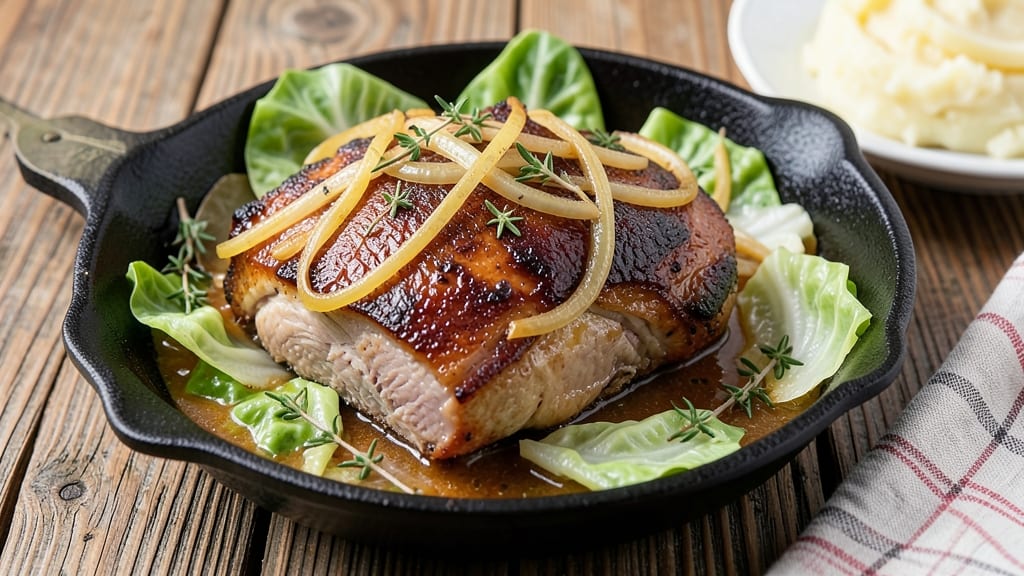
This braised pork and cabbage recipe delivers restaurant-quality depth with minimal effort—where tender pork shoulder meets caramelized cabbage in a rich, umami-packed sauce. I developed it during a particularly busy week when I needed a foolproof, one-pot meal that still felt special.
The secret lies in slow cooking: pork that falls apart at the touch and cabbage that softens into sweet, silky strands.
What makes this dish truly special is the balance of techniques—traditional braising for maximum flavor, but with modern shortcuts like pressure cooking for weeknight convenience.
We'll build layers of taste with aromatics like garlic, thyme, and bay leaves, then let them meld into the pork and cabbage over hours of gentle cooking. The result? A dish that's hearty enough for family dinners but elegant enough for guests.
The magic happens when the pork reaches tender perfection—juicy, falling-apart meat swimming in a sauce thickened by the cabbage's natural sugars. The cabbage develops a beautiful caramelized edge while staying tender inside, creating the perfect contrast. This recipe transforms simple ingredients into something extraordinary with just time and patience.
Whether you're cooking for a crowd or a quiet weeknight, this braised pork and cabbage delivers comfort and satisfaction in every bite. The technique scales easily, and leftovers taste even better the next day. Let's get cooking—your taste buds will thank you.
Ingredients for braised pork and cabbage
Pork shoulder, cabbage, and aromatics—where simple ingredients transform into restaurant-quality comfort.
| Ingredient | Amount | Notes |
|---|---|---|
| Pork Shoulder 🍖 | 3 lb | Bone-in for best flavor |
| Green Cabbage 🥬 | 1 whole | Heavier heads preferred |
| Yellow Onion 🧅 | 1 whole | Medium size, diced |
| Garlic Cloves 🧄 | 6 cloves | Freshly minced |
| Fresh Thyme Leaves 🌿 | ½ cup | Or 1 tbsp dried thyme |
| Bay Leaves 🌿 | 2 whole | Dried, standard size |
| Tomato Paste 🍅 | 2 tbsp | Smooth, no sugar added |
| Apple Cider Vinegar 🍎 | ½ cup | For tangy depth |
| Beef Broth 🥫 | 3 cups | Low-sodium preferred |
| Olive Oil 🫒 | 2 tbsp | Extra-virgin for richness |
| Salt 🧂 | 1 ½ tsp | Kosher or sea salt |
| Black Pepper 🌶️ | 1 tsp | Freshly ground |
| Brown Sugar 🍚 | 1 tbsp | For caramelized balance |
The pork shoulder is the star here, so don't skimp on quality. Look for well-marbled cuts from the butcher section—Costco or Whole Foods usually have excellent options. Bone-in pork stays juicier during braising, but boneless works too if you're short on time. For cabbage, heavier heads (like those used for sauerkraut) hold up better to long cooking. If you can't find them, regular green cabbage works fine—just trim off any wilted outer leaves. The thyme and bay leaves? Fresh thyme is ideal, but dried works in a pinch at half the amount. I always grab extra bay leaves since they're cheap and add incredible depth.
No beef broth? Chicken broth works too, though it'll be slightly lighter in flavor. Running low on apple cider vinegar? Red wine vinegar or even balsamic vinegar will give you a similar tang. The tomato paste can be swapped for 1/4 cup crushed tomatoes if that's what you've got—just strain out the seeds first. For a deeper umami kick, add 1 tsp soy sauce or Worcestershire sauce to the braising liquid. The brown sugar is key for caramelizing the cabbage edges—don't skip it. If you're watching sugar, reduce to 1 tsp and add a pinch more salt to balance.
This dish tastes even better the next day—honestly, make extra. Store leftovers in the fridge for up to 5 days, or freeze for 3 months. I like to portion it into containers so I can grab it for quick lunches. The cabbage will soften more with time, so if you're serving it right away, check for doneness after 4 hours of braising. The pork should fall apart easily with a fork—if not, give it another hour. For reheating, just warm through on the stove with a splash of broth or water to loosen the sauce.
Why You'll Love This Recipe
- One-Pot Magic: I swear by this recipe when I’m too tired to juggle multiple pans. Toss everything—pork, cabbage, onions, garlic, thyme—into a deep skillet, add some broth, and let it slow-cook while I read emails or watch a show. The pork practically falls apart on its own, and the cabbage soaks up all that rich, herby goodness.
- Pork Perfection: That crispy, caramelized edge on the pork? Oh, it’s chef’s kiss. The pork shoulder stays juicy and tender while the outside gets this irresistible golden crust—like a hug from a slow-cooked masterpiece. And the thyme? It’s the secret that makes every bite smell like a cozy kitchen.
- Leftovers I Actually Want: Between us, I make this on Sundays because the leftovers are better the next day. The flavors meld into something even deeper, and reheating it? Just a splash of water, a quick stir, and boom—heartier than takeout. My kids fight over the last piece, and honestly? That’s my goal.
- Budget-Friendly Feast: Pork shoulder is cheap, cabbage lasts forever, and onions/garlic/thyme are pantry staples. I feed four people for under $15, and it’s the kind of dish that makes you feel fancy without breaking the bank. Plus, it’s the ultimate “I don’t know what’s for dinner” solution—always works.
Step-by-step instructions for braised pork and cabbage
Here's how to create a rich, flavorful braise that transforms tough pork into melt-in-your-mouth perfection.
Sear the Pork Shoulder for Deep Flavor
Pat the 3 lb pork shoulder completely dry with paper towels—this ensures maximum browning. Heat 2 tbsp olive oil in a large, heavy pot (Dutch oven works best) over medium-high heat. Once shimmering, add the pork shoulder and sear on all sides until deeply golden brown, about 8-10 minutes total. You'll see the fat rendering and the meat developing a beautiful crust.
Don't rush this step—proper searing creates the foundation for rich flavor. Once browned, remove the pork and set it aside on a plate. You'll use the flavorful browned bits (fond) later to build your sauce. Here's the thing: if you skip searing, you'll miss out on that caramelized depth that makes this dish extraordinary.
Build the Aromatic Base
In the same pot, add 1 whole yellow onion (diced) and cook over medium heat for 5 minutes until softened. Add 6 cloves garlic cloves (minced) and cook for another 30 seconds until fragrant. Stir in 2 tbsp tomato paste, scraping up any browned bits from the bottom—this is where all the flavor lives.
Pour in 0.5 cup apple cider vinegar and let it simmer for 2 minutes until slightly reduced. This step develops the tangy depth that balances the richness of the pork. Add 1 tbsp brown sugar, 1.5 tsp salt, and 1 tsp black pepper, stirring to combine. The sugar will help caramelize the vegetables while balancing the acidity.
Prepare the Cabbage and Add Liquids
While the base cooks, core and quarter the 1 whole green cabbage, removing any tough outer leaves. Cut each quarter into wedges. Add the cabbage to the pot and stir to coat in the aromatic mixture. Pour in 3 cups beef broth and add 0.5 cup fresh thyme leaves and 2 whole bay leaves. Bring everything to a gentle simmer over medium heat.
The cabbage should be partially submerged—this ensures even cooking without turning mushy. If it's too crowded, work in batches. Here's where it gets good: the cabbage will soften beautifully while absorbing all those rich flavors from the pork and aromatics.
Braise Until Tender
Return the pork shoulder to the pot, fat-side up. Cover tightly with a lid and reduce heat to low. Braise for 2.5 to 3 hours, until the pork is fork-tender and pulls apart easily. You'll know it's ready when a knife slides in with minimal resistance and the internal temperature reaches 200°F.
I know it's tempting to peek, but resist the urge—every time you lift the lid, you lose heat and moisture. Instead, trust the process. The pork will develop a beautiful, caramelized exterior while staying juicy inside. The cabbage should be tender but still hold its shape, with a slight crunch remaining.
Finish and Serve
Remove the pork shoulder and let it rest for 10 minutes before shredding with two forks. Return the shredded pork to the pot and stir to combine with the cabbage and sauce. Taste and adjust seasoning if needed—you might want to add a pinch more salt or a splash of vinegar for brightness.
This dish tastes even better the next day as the flavors meld together. Serve it hot with crusty bread to soak up all that delicious sauce. The pork should be tender enough to pull apart with your fingers, and the cabbage should be perfectly tender with just enough bite. That's the mark of a successful braise!
Pro Tips For Making Braised Pork And Cabbage
- Sear the Pork Shoulder First: Don’t skip browning that pork—high heat for 5-7 minutes until it’s deep golden. I learned this the hard way: skipping it means flavorless braise. Let the meat rest 10 minutes after searing (yes, even if you’re impatient like me), or it’ll turn greasy when you add liquid.
- Cut Cabbage into Wedges: Whole cabbage heads? No. Quarter it lengthwise, then slice each quarter into ½-inch wedges—thick enough to hold shape but thin enough to cook through. Thin slices turn mushy; thick ones stay crunchy. Trust me, this is the thing that matters most for texture.
- Deglaze with White Wine: After searing the pork, splash in ½ cup white wine and scrape the pan like your life depends on it. The wine lifts all that meaty goodness, but skip it if you’re in a rush—you’ll miss out on depth. (I know, I know, but trust the process.)
- Add Cabbage Last: Toss the cabbage in only after the pork’s been braising for 45 minutes—it’ll wilt faster and soak up flavor instead of steaming into oblivion. If you add it early, you’ll end up with sad, limp leaves. Your future self will thank you.
Regional styles of this dish
Southern Comfort Style
In the Deep South, this dish transforms into what we call "Pork and Cabbage with a Smoky Twist"—a nod to my roots in Georgia.
I add 1 tbsp smoked paprika and ½ cup apple juice to the braising liquid, then finish with 2 slices of thick-cut bacon crisped in a skillet and crumbled on top. The bacon adds a salty crunch that cuts through the richness, while the apple juice keeps the sauce bright.
Serve with cornbread instead of crusty bread for that true Southern experience. 🍖
German-Inspired Sauerkraut Braise
Up north in regions with German heritage, this becomes "Pork Shoulder with Sauerkraut"—a hearty winter staple. Swap the green cabbage for 1 lb sauerkraut (drained and rinsed), add 1 tbsp caraway seeds to the braising liquid, and reduce the apple cider vinegar to ¼ cup.
The sauerkraut's tangy acidity balances the pork perfectly, and the caraway adds a distinctive earthy note. I like to serve this with buttery potato dumplings for a true German Sunday dinner. 🥬
Italian-Inspired Ribollita Style
In Italian-American kitchens, this becomes "Italian Braised Pork with Cabbage"—closer to ribollita but with pork instead of beans. Add 1 cup canned diced tomatoes, ½ tsp red pepper flakes, and 1 sprig fresh rosemary.
Simmer the pork and cabbage together for 4 hours, then stir in ½ cup grated Parmesan. The tomatoes add acidity while the Parmesan brings richness. Serve with crusty Italian bread for dipping. 🍝
Midwest Pot Roast Adaptation
In the Midwest, this dish becomes "Pork Pot Roast with Cabbage"—a cozy Sunday supper. Add 2 carrots (chopped), 2 parsnips (chopped), and 1 tbsp Worcestershire sauce. The root vegetables add natural sweetness that complements the pork.
I like to finish with a sprinkle of fresh parsley, and serve with mashed potatoes instead of bread. The longer braising time (up to 4 hours) makes the pork incredibly tender. 🥔
Modern Shortcut Version
For busy weeknights, I developed a pressure cooker adaptation that cuts braising time to 90 minutes. Use 2 cups broth, ½ cup apple cider vinegar, and 1 tbsp tomato paste.
After searing the pork, add everything to the Instant Pot, cook on high pressure for 60 minutes, then natural release for 15 minutes*. The cabbage stays crisp-tender while the pork becomes fork-tender. Perfect for when you need dinner on the table fast! ⏰
Nutrition facts
Frequently asked questions about braised pork and cabbage
Can I use pork chops instead of pork shoulder?
Pork chops won't work for this recipe—they cook too quickly and won't become tender through braising. Use pork shoulder (or pork butt) for the best results, as the connective tissue breaks down beautifully during the long cooking process. If you're set on chops, try pan-searing them with cabbage on the side instead.
Why does my cabbage turn mushy instead of tender?
Mushy cabbage usually means it cooked too long in liquid. The key is partial submersion—cabbage should be mostly covered but not drowning. For extra insurance, add it to the pot only after the pork has been braising for 1 hour, so it cooks for less total time. Also check your heat level—too high will break down the cabbage faster.
Can I make this in a slow cooker?
Brown the pork first, then transfer everything to a 6-quart slow cooker. Cook on low for 8 hours or high for 5-6 hours. The slow cooker method actually enhances the tenderness—just add ½ cup extra broth since slow cookers evaporate more liquid. The cabbage will stay perfectly tender with this approach.
What's the best way to reheat leftovers?
Leftovers taste even better reheated! Warm in a skillet over medium-low heat with 2 tbsp broth or water to loosen the sauce. For microwave reheating, cover with a damp paper towel and heat for 2-3 minutes, stirring halfway. The sauce will thicken slightly upon reheating—just add a splash of liquid if needed.
How do I adjust this for a larger crowd?
Scale the recipe by 50%—double the pork (use 6 lb shoulder) and cabbage, then increase broth to 6 cups. Use a 7-8 quart Dutch oven or two 6-quart slow cookers. The key is maintaining the same ratio of ingredients—don't overcrowd the pot or the pork won't cook evenly. For serving, add extra bread or rice to accommodate the larger portion.