
Main Courses
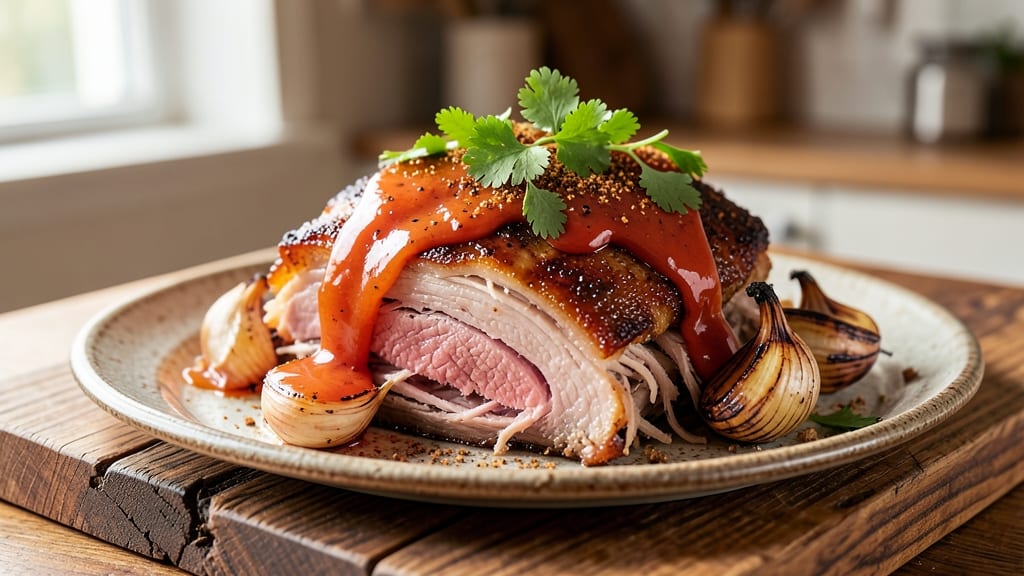
Brazilian pulled pork transforms humble pork shoulder into tender, citrus-kissed magic that rivals any churrasco feast. 🔥 I developed this recipe after years of perfecting Brazilian-style slow cooking—where the secret lies in marinating with lime, garlic, and bold spices before hours of low-and-slow smoking.
The result? Juicy, shreddable meat with a smoky-sweet crust that begs for every bite.
What sets this apart is the moqueca-inspired marinade—tangy lime juice and fresh herbs cut through the richness while the slow cook transforms tough pork into melt-in-your-mouth perfection.
I’ve refined this method over years of cooking for crowds, ensuring it delivers restaurant-quality results at home, whether you’re using a smoker, oven, or slow cooker. The key? Patience and precise temperature control.
By the time you’re done, you’ll have pulled pork so tender it falls apart at the touch, infused with bright citrus and smoky depth. Serve it piled high on crusty bread with farofa and tropical sides for an authentic Brazilian spread.
This isn’t just pulled pork—it’s a taste of Brazil’s legendary churrascarias, brought to your table.
The beauty of this recipe is its versatility. Use it for feasts, game days, or even meal prep—just store leftovers and reheat gently. Whether you’re a pitmaster or a home cook, this method guarantees juicy, flavorful pork that’ll have everyone asking for seconds. Let’s get started!
Ingredients for brazilian pulled pork
Six ingredients transform simple pork into Brazilian churrasco magic with smoky citrus brilliance.
| Ingredient | Amount | Notes |
|---|---|---|
| Boneless Pork Shoulder 🍖 | 4 lb | Bone-in preferred for flavor |
| Fresh Lime Juice 🍋 | ½ cup | About 4-6 limes, freshly squeezed |
| Garlic Cloves 🧄 | 8 cloves | Minced for marinade |
| Fresh Cilantro Leaves 🌿 | ½ cup | Chopped, stems removed |
| Smoked Paprika 🌶️ | 2 tbsp | For smoky depth |
| Ground Cumin 🌿 | 1 tbsp | Toasted for warmth |
| Dried Oregano 🍃 | 1 tbsp | Mexican oregano preferred |
| Brown Sugar 🍯 | ¼ cup | Light or dark |
| Apple Cider Vinegar 🍎 | ¼ cup | For tangy balance |
| Olive Oil 🫒 | ¼ cup | Extra-virgin preferred |
| Salt 🧂 | 1 ½ tbsp | Diamond Crystal preferred |
| Black Peppercorns 🌶️ | 1 tsp | Freshly cracked |
| Crusty Bread 🍞 | 6 pieces | For serving, any variety |
| Farofa 🌾 | 1 cup | Toasted cassava flour |
The pork shoulder is your canvas—bone-in delivers richer flavor, but boneless works too. Costco or local butcher sections have the best cuts; look for good marbling but not excessive fat. If using a whole shoulder, trim excess fat to 1/4-inch thickness—this renders beautifully during cooking. Fresh lime juice is non-negotiable here; Mexican grocery stores often have better quality than supermarkets. The garlic should be freshly minced—pre-minced jars lose potency fast. For the cilantro, stemless bundles at Whole Foods or Trader Joe's save prep time.
No fresh lime? Key lime juice with a splash of lemon works in a pinch. Substituting dried herbs? Use half the amount of fresh—dried oregano has more concentrated flavor. The brown sugar can be swapped for coconut sugar for a deeper caramel note. Olive oil? Avocado oil has a higher smoke point if you're searing. For the vinegar, white wine vinegar adds brightness but lacks the fruity depth. The smoked paprika is where the magic happens—Penzeys brand is my go-to for consistent quality. If you can't find it, regular paprika plus a pinch of liquid smoke mimics the effect.
Marinate the pork overnight for maximum flavor infusion. Store leftovers in airtight containers for up to 5 days in the fridge or 3 months frozen. The farofa keeps indefinitely in a cool, dark pantry—just toast before serving. For game day prep, cook the pork 2 days ahead; the flavors meld beautifully. Reheat gently with a splash of broth to maintain moisture. This recipe doubles easily—just scale ingredients proportionally for crowds.
Why You'll Love This Recipe
- Set-and-Forget Magic: Between us, this is the kind of dish you can start in the morning and forget about until dinner. The pork shoulder slows down beautifully—no babysitting required—while the lime and smoked paprika work their magic, turning tough meat into melt-in-your-mouth perfection by evening.
- Zesty, Smoky Kick: That bright lime juice and smoky paprika combo? It’s like a flavor explosion in every bite. The garlic and cilantro add freshness that cuts through the richness, making it taste like a vacation in your mouth—no fancy ingredients, just pure satisfaction.
- Game for Any Meal: Tacos? Sandwiches? Bowls? This pulled pork adapts like a chameleon. I’ve served it at backyard BBQs, packed it in lunches, and even used it to jazz up rice and beans—because why should leftovers be boring?
- Budget Winner: Pork shoulder is one of the most affordable cuts, and a single roast stretches for days. Honestly, I’ve fed a houseful with one recipe, then repurposed the leftovers into soups, nachos, or even breakfast hash—minimal cost, maximum flavor. (Yes, even on a Tuesday night.)
Step-by-step instructions for Brazilian pulled pork
Here's how to transform simple ingredients into tender, citrus-kissed pulled pork with smoky depth.
🔥 Step 1: Create the Citrus-Spice Marinade
In a large bowl, combine the 0.5 cup fresh lime juice, 0.25 cup olive oil, 0.25 cup apple cider vinegar, 0.25 cup brown sugar, 2 tbsp smoked paprika, 1 tbsp ground cumin, 1 tbsp dried oregano, 1.5 tbsp salt, and 1 tsp freshly cracked black peppercorns. Whisk vigorously until the sugar dissolves completely and the mixture becomes fragrant.
This marinade is the flavor foundation—don't skip the whisking. The sugar needs to fully integrate so it caramelizes beautifully during cooking. Add the 8 minced garlic cloves and 0.5 cup chopped fresh cilantro leaves last, mixing just until combined. The herbs should remain visible for maximum freshness and color.
👨🍳 Step 2: Coat and Rest the Pork Shoulder
Place the 4 lb boneless pork shoulder in a large resealable plastic bag and pour the marinade over it. Seal the bag tightly, pressing out any air pockets, then massage the marinade into the meat using your hands. This ensures even distribution of flavors.
Refrigerate the pork for at least 4 hours, or preferably overnight. The acidity in the lime juice and vinegar will begin breaking down the muscle fibers, creating that signature tender texture. Here's the thing—if you're short on time, a minimum 4-hour marinade still works, but overnight develops deeper flavor.
🔥 Step 3: Smoke the Pork Low and Slow
Preheat your smoker to 225°F using hickory or fruitwood chips. Place the marinated pork shoulder directly on the smoker grates, fat-side up. Smoke for 6-8 hours until the internal temperature reaches 165°F and the bark becomes dark mahogany with a crisp texture.
Resist the urge to peek—every time you open the smoker, you lose heat and moisture. The pork will naturally hit "the stall" around 160°F, where the temperature plateaus. This is normal and expected. When the internal temperature hits 165°F, wrap the pork tightly in aluminum foil and return it to the smoker.
⏰ Step 4: Finish and Shred the Pork
Continue smoking the wrapped pork until the internal temperature reaches 203°F, about 2-3 more hours. This final stage ensures the connective tissues fully break down. Remove the pork from the smoker and let it rest for 15 minutes before handling.
Using two forks, shred the pork directly in the foil pan, allowing all the juices and rendered fat to coat the meat. The result should be strands that pull apart easily with minimal resistance. If it's not tender enough, return it to the smoker for another 30 minutes—patience is key here.
🥘 Step 5: Assemble with Farofa and Serve
Transfer the shredded pork to a serving bowl. Toss in the 1 cup farofa and mix gently to distribute it evenly. The farofa absorbs the pork juices and adds a delicious toasty contrast to the tender meat.
Serve immediately with the 6 pieces crusty bread on the side. Each bite should deliver perfect balance—smoky, citrusy, slightly sweet pork with that satisfying crunch from the farofa. The bread soaks up the juices beautifully, creating the ultimate churrasco-style experience.
Pro Tips For Making Brazilian Pulled Pork
- Trim That Fat First: The pork shoulder’s fat cap isn’t just for looks—it renders down into flavor gold during cooking. Use a sharp knife to slice through it before seasoning, leaving about a ¼-inch layer intact. I learned this the hard way after my first batch turned into a greasy mess because I didn’t trim it properly.
- Sear Over Direct Heat: Skip the slow start—sear the pork shoulder over high heat until the edges are deep brown, about 5-7 minutes per side. This locks in juices and builds a crust that’ll hold up during the long cook. After burning three batches, I finally figured out that low-and-slow starts with high heat.
- Juice the Limes Fresh: Store-bought lime juice is fine, but fresh lime juice—strained through a fine-mesh sieve—adds a brightness this dish needs. The pulp and seeds can turn bitter if left in, and the acidity cuts through the richness of the pork. Yes, even if you’re impatient like me, take the 30 seconds to do it right.
- Rest the Meat Twice: Let the pork rest for 10 minutes after searing, then again for 20-30 minutes after cooking. The first rest keeps it from falling apart when you pull it, and the second lets the juices redistribute. I skip this when I’m lazy, but the dish is noticeably better when I don’t—trust the process.
Serving suggestions for leftovers
Authentic Brazilian Spread
Start with farofa—that toasted cassava flour that's non-negotiable in Brazilian churrascarias. I like to toast 1 cup farofa in a dry skillet over medium heat for 3-4 minutes, stirring constantly, until it's golden and fragrant.
Mix it directly into the shredded pork before serving so it absorbs all those smoky citrus juices. 🌾
For the perfect side, serve with white rice cooked with 1 bay leaf and a pinch of salt—simple but essential. My go-to is arroz de dendê, where I stir in 1 tablespoon palm oil for that signature golden color.
Add 1 diced green bell pepper and 1 sliced tomato for freshness.
Tropical Fruit Pairings
Balance the richness with mango slices and lime wedges—the sweet-tart contrast is pure Brazilian magic. I often serve 1 ripe mango per person, sliced into wedges with a squeeze of lime.
For a refreshing drink, caipirinha made with 2 oz cachaça, ½ lime, and 1 tsp sugar is the ultimate pairing. 🍹
Don't overlook guava paste—spread 1 tsp on crusty bread before adding pulled pork for a sweet-tangy twist. The combination of guava and citrus in the pork creates a flavor harmony that feels authentically Brazilian.
Game Day Upgrades
For football gatherings, I serve this pulled pork on garlic toast with caramelized onions and a sprinkle of feta cheese. The onions add depth while the feta cuts through the smokiness.
I also include pickled red onions on the side—they add a bright acidity that keeps every bite interesting. 🏈
For a heartier option, set out pão de queijo (Brazilian cheese bread) alongside the crusty bread. These pillowy bites melt in your mouth and soak up the pork juices beautifully. I make a big batch and keep them warm in a 200°F oven until serving.
Presentation Tips
Use a wooden serving board or ceramic platter to showcase the vibrant colors of your spread. Pile the pulled pork high in the center, then arrange farofa, rice, and fruit around it. Garnish with fresh cilantro sprigs and lime zest for that restaurant-quality presentation. 🌿
For individual servings, use small cast iron skillets—they retain heat and add rustic charm. Place a generous portion of pork in each skillet, then top with a slice of crusty bread and a dollop of farofa.
The contrast of hot pork and warm bread makes every bite feel special.
Nutrition facts
Frequently asked questions
Can I substitute bone-in pork shoulder for boneless?
Bone-in pork shoulder actually develops richer flavor during cooking. Just trim excess fat to 1/4-inch thickness for even cooking. The bone adds moisture and helps break down connective tissue faster. If using bone-in, aim for a 5-6 lb cut to account for the bone weight.
What's the best wood for smoking this Brazilian pulled pork?
Hickory or fruitwoods like apple or cherry create the perfect balance of smoky depth and subtle sweetness. For authentic Brazilian flavor, try Brazilian hardwoods if available (like jequitibá or ipê). Avoid heavy woods like mesquite—they can overpower the citrus notes. Always soak your wood chips for 30 minutes before using.
How do I fix pork that's too dry?
If your pork turns out dry, it likely wasn't cooked long enough or wasn't wrapped properly. For future batches, wrap the pork in foil at 165°F internal temp and continue cooking to 203°F. To salvage dry pork, shred it and mix with 2 tbsp apple cider vinegar and 1 tbsp brown sugar, then reheat gently with 1/4 cup chicken broth to restore moisture.
Can I make this in an oven instead of a smoker?
Yes! Preheat your oven to 275°F and place the pork on a rack over a baking sheet. Cook for 6-8 hours until internal temp reaches 203°F. For smoky flavor, add 1 tbsp liquid smoke to the marinade or place a small pan of water with 1 tbsp applewood chips on the oven rack below the pork.
What's the best way to reheat leftovers?
Always reheat gently to prevent drying. Place pulled pork in a skillet over low heat with 2 tbsp chicken broth or apple juice, stirring frequently for 5-7 minutes. For microwave reheating, cover with a damp paper towel and heat in 30-second intervals until warmed through. Never reheat above 165°F.