
Main Courses
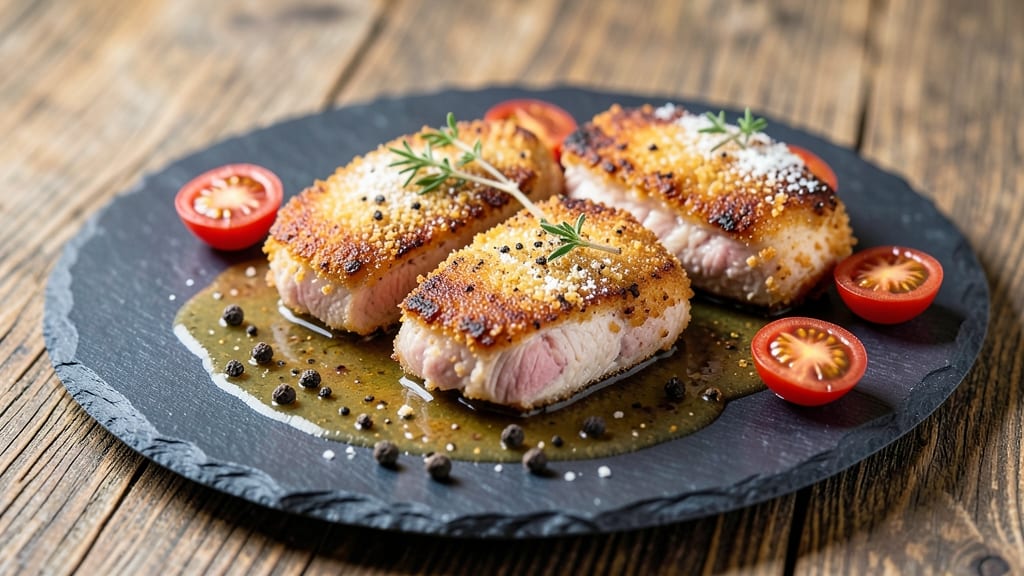
This breaded pork medallions recipe delivers the perfect balance of crispy panko crust and juicy, tender meat—a technique I perfected after years of testing in my Atlanta kitchen. The secret lies in thin, even slices of pork shoulder marinated just long enough to stay tender while developing flavor, then coated in a triple-layer breading that creates that addictive crunch. I remember the first time I served these at a family gathering in Georgia—every plate was cleared before dessert even came out.
What sets these medallions apart is the three-stage breading process: flour for structure, beaten egg for adhesion, and a mix of panko and cornstarch for that signature crispiness.
We're talking golden-brown crusts that shatter at the slightest touch while keeping the inside so moist it practically melts in your mouth. The pan-frying method ensures even cooking, with just enough time to develop those caramelized edges without drying out the meat.
Serve these medallions with classic Southern sides like creamy mashed potatoes or a fresh garden salad to soak up every last bit of that savory pan sauce. The combination of crispy pork, tender meat, and rich flavors makes this a weeknight favorite that feels like a restaurant-quality meal.
Trust me—once you master this technique, you'll never go back to store-bought frozen medallions again.
For an extra touch, I like to finish with a squeeze of lemon right before serving—it brightens the rich pork flavors and cuts through the crispy crust beautifully. Pair with a crisp white wine or a cold beer to complete the meal.
This recipe is designed to impress while being simple enough for any home cook to execute perfectly.
Ingredients for breaded pork medallions
Pork shoulder, panko, and a triple breading layer—this is your shortcut to restaurant-quality medallions.
| Ingredient | Amount | Notes |
|---|---|---|
| Pork Shoulder 🍖 | 1 ½ lb | Thinly sliced, even thickness |
| All-Purpose Flour 🌾 | ½ cup | For first breading layer |
| Large Eggs 🥚 | 2 whole | Beaten for egg wash |
| Japanese Panko Breadcrumbs 🍞 | 1 ½ cups | For crispy crust |
| Cornstarch 🌾 | ¼ cup | Mixed with panko |
| Ground Black Pepper 🌶️ | ½ tsp | Freshly cracked |
| Garlic Powder 🧄 | 1 tsp | For seasoning |
| Vegetable Oil 🫒 | ½ cup | For pan-frying |
| Lemon Juice 🍋 | 1 tbsp | Freshly squeezed |
| Salt 🧂 | 1 tsp | Diamond Crystal preferred |
| Dried Parsley 🌿 | 1 tbsp | For garnish |
| Butter 🧈 | 2 tbsp | Unsalted, for finishing |
The pork shoulder is non-negotiable here—it's got the right fat-to-lean ratio for juicy medallions. Ask your butcher for thin, even slices (about 1/4-inch thick) if they don't pre-cut them. I always grab mine from Whole Foods or my local Southern butcher—they slice it perfectly. Look for good marbling; that's what keeps these tender. If you can't find pre-sliced, freeze the raw slices for 30 minutes before breading to firm them up (trust me on this). The Japanese panko is a game-changer—Kikkoman is my go-to, but any quality brand works. Skip the regular breadcrumbs; they won't give you that shatter-crisp texture.
No panko? Crush regular bread into fine crumbs—it won't be as light, but it'll work in a pinch. Running short on cornstarch? All-purpose flour at the same amount does the job, though you'll lose a bit of that signature crisp. The egg wash is where the magic happens—beat those eggs until frothy, and don't skip the lemon juice (it keeps the crust from getting soggy). For extra flavor, I like to add a pinch of smoked paprika to the flour mix—it's subtle but adds depth. If you're making these ahead, bread the medallions and refrigerate them on a wire rack (not touching) for up to 4 hours before frying—they'll keep their crunch better.
These medallions are best served immediately after frying, but if you've got leftovers, they reheat beautifully. 200°F oven for 10-12 minutes on a wire rack (no steam = no soggy crust). Store them in an airtight container for 3 days max—the crust loses its crunch after that. For freezing, bread and fry them first, then freeze on a tray before transferring to a bag. 3 months in the freezer, and they reheat like a dream. Pro tip: Keep the pan sauce warm in a small pot on the stove while you serve—it's the secret to soaking up every last bit of flavor.
Why You'll Love This Recipe
- No-Fuss Crispy Magic: I swear by the cornstarch trick—it keeps those medallions golden and shatteringly crisp without frying in oil. Just toss the pork in flour, dip in beaten egg, coat with panko, and bake. That’s it. (Yes, even on a Tuesday night.)
- Pork Shoulder Payoff: Here’s what sold me—the pork shoulder stays juicy while the panko crust delivers pure satisfaction. The secret’s in slicing it thin (½-inch) so it cooks fast but still packs that melt-in-your-mouth texture. My daughter picks out the last piece every time.
- Weeknight to Dinner Party: These work for takeout night and when Aunt Linda drops by. Serve with spicy mayo for a quick weeknight meal, or drizzle with honey-sriracha for a fancy-ish touch. Same recipe, two vibes—no extra effort.
- Budget-Friendly Leftovers: Pork shoulder stretches further than chicken, and the panko makes it feel special. Double the batch, freeze half, and reheat in the oven for crispy seconds. Honestly, I’ve had these cold the next day in sandwiches, and nobody complained. (Not even my picky husband.)
Step-by-step instructions for breaded pork medallions
Here's how to create perfectly crispy, golden-brown medallions with tender, juicy pork inside.
Prepare the Pork and First Breading
Slice the 1.5 lb pork shoulder into ¼-inch thick medallions, cutting against the grain for maximum tenderness. Arrange them on a plate and season both sides generously with 1 tsp salt and ½ tsp ground black pepper. Let them sit at room temperature for 15 minutes—this ensures even cooking.
Place the ½ cup all-purpose flour in a shallow dish. Working in batches, dredge each medallion in the flour, pressing gently to adhere an even coating. Tap off any excess flour—this prevents a gummy crust. Set the breaded medallions on a wire rack and let them rest for 5 minutes. This step creates a dry surface that helps the second breading stick better.
Create the Panko-Cornstarch Breading Mix
In a separate shallow dish, combine the 1.5 cups Japanese panko breadcrumbs with ¼ cup cornstarch and 1 tsp garlic powder. Mix gently with your fingers to distribute the cornstarch evenly—this creates a lighter, extra-crispy crust. The cornstarch also helps absorb moisture, preventing sogginess during frying.
In a third shallow dish, beat the 2 whole large eggs with 1 tbsp lemon juice until just combined—the lemon brightens the flavor and helps the breading stick. The eggs should be fully incorporated but still slightly thick, like a light custard. Keep this mixture ready for the next step.
Bread and Fry the Medallions
Heat ½ cup vegetable oil in a large skillet over medium-high heat until it shimmers—350°F on a thermometer. Working in batches (don't overcrowd!), dip each floured medallion into the egg wash, letting any excess drip off. Then press it firmly into the panko mixture, coating both sides completely. Transfer to a clean plate and repeat until all medallions are breaded.
Carefully slide the medallions into the hot oil, leaving space between them. Fry for 2-3 minutes per side until golden brown and the internal temperature reaches 145°F. The panko should be deep golden with crisp edges—if it browns too quickly, reduce the heat slightly. Use a slotted spatula to transfer the cooked medallions to a paper towel-lined plate to drain excess oil.
Finish with Butter and Garnish
Return the skillet to medium heat and melt the 2 tbsp butter until foaming. Add the cooked medallions back to the pan and spoon the melted butter evenly over them, letting it baste for 1 minute. This step adds richness and helps create a glossy finish. The butter should coat the medallions completely, giving them a beautiful sheen.
Sprinkle with 1 tbsp dried parsley and serve immediately while the crust is at its crispest. For extra juiciness, let the medallions rest for 2 minutes before serving—this allows the juices to redistribute slightly without losing crispness. Pair with lemon wedges to cut through the richness and highlight the garlic and parsley flavors.
Pro Tips For Making Breaded Pork Medallions
- Pat the pork bone-dry: I learned this the hard way—wet pork shoulder means soggy breading every time. Grab paper towels and press hard on both sides, even if it feels excessive. The extra effort guarantees that crispy crust you’re after.
- Mix cornstarch into flour: This isn’t just about thickening—it’s about texture. Stir in 2 tablespoons of cornstarch with your all-purpose flour before dredging. The medallions will stay lighter inside while still getting that satisfying crunch.
- Don’t overcrowd the pan: I used to rush and toss in all the medallions at once, thinking it’d save time. Wrong. Cook in batches with just enough oil to coat the bottom—about ¼ inch—so they sizzle properly and brown evenly. Crowding steams them instead of searing.
- Rest the pork before breading: Slice the pork shoulder into medallions, then let them sit uncovered on a plate for 10 minutes. This evens out the moisture so the panko sticks like glue rather than sliding off. (Yes, even if you’re impatient like me.)
Creative variations of breaded pork medallions
Southern BBQ Twist
For a true Georgia-inspired version, add ½ tsp smoked paprika and ½ tsp cayenne pepper to the flour mixture, then finish with a drizzle of homemade BBQ sauce (I use a tangy vinegar-based recipe) instead of butter.
Serve with pickled jalapeños and creamy coleslaw for a full Southern experience. 🌶️ This variation reminds me of the first time I served these at a church potluck—everyone asked for seconds!
Italian-Inspired Herb Crust
Swap the garlic powder for 1 tsp dried Italian seasoning and add 1 tbsp grated Parmesan cheese to the panko mixture. After frying, finish with fresh basil leaves and a squeeze of lemon.
This version pairs beautifully with garlic mashed potatoes and a crisp Pinot Grigio. I developed this variation after a trip to Charleston's historic restaurants—it's like a lighter, crispier version of chicken parmesan.
Spicy Asian Fusion
Mix 1 tbsp sriracha and 1 tbsp soy sauce into the egg wash, then add 1 tsp sesame seeds to the panko mixture. Serve with cucumber salad and steamed jasmine rice for a sweet-spicy contrast.
This fusion came from my time working in Atlanta's international food scene—it's a crowd-pleaser at dinner parties. 🔥 For extra heat, add ½ tsp gochujang to the flour mixture.
Breakfast Medallions
Make these for brunch by adding 1 tsp onion powder and ½ tsp dried thyme to the flour. Serve with crispy hash browns and scrambled eggs for a hearty morning meal.
I love making these ahead and reheating in the oven for lazy weekend mornings. The crispy crust holds up perfectly to reheating, making it ideal for meal prep.
Gluten-Free Adaptation
Replace the flour with ½ cup gluten-free all-purpose flour blend and use ½ cup crushed gluten-free crackers instead of panko. The cornstarch ratio stays the same. This version works just as well and satisfies guests with gluten sensitivities.
I always keep a stash of Schar gluten-free breadcrumbs on hand for quick adaptations like this.
Smoky Maple Glaze
After frying, brush the medallions with a glaze made from 2 tbsp maple syrup and ½ tsp liquid smoke, then broil for 1 minute to caramelize. Garnish with crushed pecans for a Southern-inspired sweet-savory finish.
This variation is perfect for holiday gatherings—it's sweet enough to please kids but smoky enough to satisfy adults. 🍁
Nutrition facts
Frequently asked questions
Can I use pork loin instead of pork shoulder?
Pork loin works but won't be as tender—it's leaner with less fat. For best results, marinate the loin in ½ cup buttermilk for 1 hour before breading to keep it juicy. If you must use loin, slice it ⅛-inch thick and fry at 325°F for 1-2 minutes per side.
Why did my breading fall off during frying?
This usually happens when the pork isn't dry enough or the egg wash is too runny. First, pat the pork slices completely dry with paper towels before seasoning. Second, use a thicker egg wash (beat eggs until frothy but not soupy). Let breaded medallions rest 5 minutes on a wire rack before frying.
Can I bake these instead of pan-frying?
Preheat oven to 425°F and bake on a wire rack for 12-15 minutes, flipping halfway. For extra crispiness, broil 2 minutes at the end. Use 1 tbsp oil to coat the pan first—this prevents sticking. The crust won't be as crispy as pan-fried, but it's still delicious.
How do I keep the medallions warm while serving?
Transfer cooked medallions to a 200°F oven on a wire rack (not a plate) for up to 30 minutes. The rack prevents steam buildup that makes the crust soggy. For buffet-style serving, place them in a chafing dish with 100°F water underneath—this keeps them warm without drying out.
What's the best way to store leftovers?
Cool completely, then store in an airtight container for 3 days in the fridge. To reheat, bake at 375°F for 8-10 minutes on a wire rack. For freezing, bread and fry first, then freeze on a tray before transferring to a bag. Thaw overnight in the fridge before reheating—never microwave from frozen.