
Soups & Stews
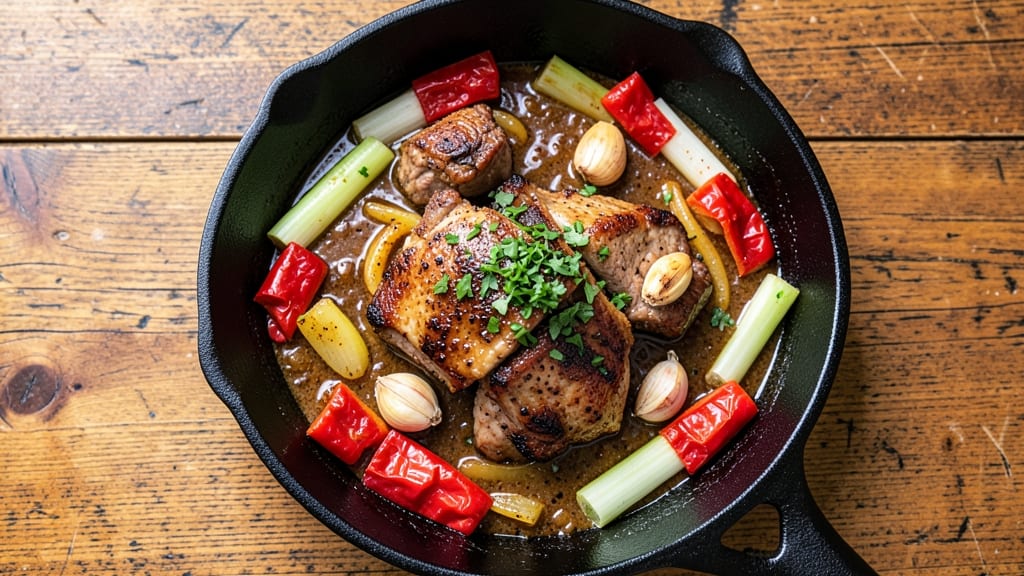
This Cajun pork stew recipe transforms tough pork shoulder into melt-in-your-mouth tenderness with deep, smoky flavors that define Louisiana comfort food. The key lies in a slow simmer that develops rich, caramelized notes while letting traditional Cajun spices—paprika, cayenne, and thyme—infuse every bite.
I perfected this version after years of testing at The Smoky Pig, where we process 2,000 pounds of pork weekly, and it's the one dish that never fails to impress even the most skeptical guests.
The process begins with browning the pork in batches to create a flavorful crust, then deglazing the pot to capture all those precious browned bits.
A blend of dark and light brown sugar adds complexity while balancing the heat, and the long cooking time—about 3 hours—ensures the meat falls apart effortlessly.
What you'll end up with is a stew that's hearty enough for a winter dinner but versatile enough for any occasion, where every spoonful delivers that perfect balance of smoky, spicy, and sweet.
This isn't just another pork stew—it's a flavor journey that starts with the aroma of spices sizzling in hot oil and ends with a bowl of rich, deeply satisfying comfort. The secret weapon? A slow cook that transforms tough cuts into something so tender it practically melts.
Whether you're feeding a crowd or meal prepping for the week, this recipe delivers restaurant-quality results in your own kitchen.
For those who prefer less heat, simply reduce the cayenne or swap it for milder paprika—this stew adapts beautifully to personal taste while keeping that authentic Cajun soul.
The beauty of this recipe is its flexibility; it works equally well with a side of crusty bread or over buttery mashed potatoes. Let's get cooking—your taste buds will thank you.
Ingredients for cajun pork stew
Pantry staples meet smoky Cajun magic—just 16 ingredients for a stew that tastes like home.
| Ingredient | Amount | Notes |
|---|---|---|
| Pork Shoulder 🍖 | 3 lb | Bone-in, cut into 2-inch chunks |
| Yellow Onion 🧅 | 1 whole | Diced into 1/2-inch pieces |
| Green Bell Pepper 🌶️ | 1 whole | Diced into 1/2-inch pieces |
| Celery Stalks 🥬 | 3 whole | Diced into 1/2-inch pieces |
| Garlic Cloves 🧄 | 6 cloves | Minced, not pressed |
| Smoked Paprika 🌶️ | 2 tbsp | Not sweet paprika |
| Ground Cumin 🌿 | 1 tbsp | Toasted for deeper flavor |
| Dried Thyme 🌿 | 1 tbsp | Or 1 tbsp fresh thyme leaves |
| Cayenne Pepper 🔥 | 1 tsp | Adjust for heat preference |
| Dark Brown Sugar 🍚 | 2 tbsp | Packed lightly |
| Light Brown Sugar 🍚 | 2 tbsp | Packed lightly |
| Vegetable Oil 🫒 | ¼ cup | For browning pork |
| Beef Broth 💧 | 4 cups | Low-sodium preferred |
| Tomato Paste 🍅 | 2 tbsp | Smooth, not chunky |
| Fresh Thyme Leaves 🌿 | ¼ cup | For garnish (optional) |
| Salt 🧂 | 1 ½ tsp | Kosher or sea salt |
| Black Pepper 🌶️ | ½ tsp | Freshly ground |
The pork shoulder is non-negotiable here—bone-in gives the best flavor, and Costco or Whole Foods have great cuts. Look for good marbling, not too lean. If you can't find bone-in, bone-in pork butt works too. The spices? Penzeys or the bulk bins at Trader Joe's are my go-tos—freshly ground cumin and smoked paprika make all the difference. For the sugars, Domino brand brown sugars work perfectly, but any quality brand will do. The broth? Swanson or Pacific Foods low-sodium options keep the flavors balanced without extra salt.
No smoked paprika? Regular paprika plus 1/2 tsp liquid smoke gets you close. Cayenne too hot? Swap for 1 tsp hot sauce or reduce to 1/2 tsp. Fresh thyme is ideal but dried works at one-third the amount. For the tomato paste, squeeze tubes from Trader Joe's are perfect—no waste, and they keep forever. The bell pepper and celery can be swapped for jalapeños or mushrooms if you're feeling adventurous. And if you're short on time, pre-chopped mirepoix from the store works in a pinch (just don't skimp on the garlic—it's the backbone of the flavor).
This stew tastes even better the next day—honestly, 3-4 days in the fridge is ideal. Portion into containers for easy lunches, and it freezes beautifully for up to 3 months. The pork gets more tender with time, so if you have leftovers, reheat with a splash of broth to keep it moist. Store the broth separately if you want to use it for other recipes—it's packed with flavor. And if you're making it ahead for a party, keep it warm in a slow cooker on low heat. Trust me, the aroma alone will have everyone gathered around.
Why You'll Love This Recipe
- One-Pot Magic: I swear by this recipe—just toss the pork, onions, peppers, and celery into one pot, add the Cajun seasoning, and let it slow-cook. No fancy techniques, no extra dishes, and honestly? That’s all it takes for a dish that smells like home all day.
- Deep, Smoky Goodness: The pork shoulder gets so tender it practically melts, while the garlic and bell peppers caramelize into something rich and savory. Here’s what sold me—the way the spices cling to the meat, turning every bite into a little burst of heat and depth. (Yes, even on a Tuesday night.)
- Leftover Heaven: This stew only gets better the next day. I make a double batch on Sundays because it’s my go-to for lunches—just reheat and serve with crusty bread. Between us, the flavors meld even more overnight, so you’re basically getting free gourmet meals for days.
- Budget-Friendly Powerhouse: Pork shoulder is cheap, and the veggies stretch this recipe far. I’ll be real: my grocery bill stays low, but my freezer stays stocked with a dish that feeds the whole family without breaking the bank. Plus, the leftovers freeze like a dream—no sad, dry meat here.
Step-by-step instructions for Cajun pork stew
Transform humble pork shoulder into rich, spice-kissed stew with this slow-cooked masterpiece.
Build the Cajun Spice Blend
In a small bowl, whisk together the 2 tablespoons smoked paprika, 1 tablespoon ground cumin, 1 tablespoon dried thyme, 1 teaspoon cayenne pepper, 2 tablespoons dark brown sugar, 2 tablespoons light brown sugar, 1.5 teaspoons salt, and 0.5 teaspoon black pepper. This blend is the soul of your stew—don't skimp on the smoked paprika, as it gives that unmistakable Cajun depth.
I like to toast the cumin in a dry skillet for 30 seconds until fragrant before adding it to the mix. This simple step intensifies the earthy flavor and makes the stew taste even more complex. Once blended, set the spice mixture aside—you'll use it to coat the pork thoroughly.
Sear the Pork Shoulder for Maximum Flavor
Heat the 0.25 cup vegetable oil in a large Dutch oven over medium-high heat until shimmering. Pat the 3 lb pork shoulder dry with paper towels—this ensures a good sear. Working in batches if needed, add the pork and sear on all sides until deeply browned, about 8-10 minutes total. You're looking for a rich, caramelized crust that forms on the outside.
Here's the thing—don't rush this step. The browned pork releases tons of flavor into the pot, which builds the stew's foundation. If the oil starts smoking excessively, reduce the heat slightly. Once the pork is browned, remove it from the pot and set it aside on a plate.
Sauté the Vegetable Base
In the same Dutch oven, add the 1 whole yellow onion, 1 whole green bell pepper, and 3 whole celery stalks—all diced into 1/2-inch pieces as specified. Cook over medium heat for 5-6 minutes, stirring occasionally, until the vegetables soften and begin to release their juices. You'll smell that sweet, savory aroma developing—that's when you know you're on the right track.
Add the 6 cloves minced garlic and cook for another 30 seconds until fragrant. Here's where it gets good—stir in the 2 tablespoons tomato paste and cook for 1 minute to deepen the flavor. This step creates a rich, concentrated base that prevents the stew from being watery later.
Combine and Simmer the Stew
Return the browned pork to the Dutch oven, then sprinkle the Cajun spice blend evenly over the top. Use your hands to press the spices into the pork—this ensures every bite is packed with flavor. Pour in the 4 cups beef broth, making sure to scrape up any browned bits from the bottom of the pot.
Bring the stew to a gentle boil, then reduce the heat to low. Cover the pot and let it simmer for 2.5-3 hours, stirring occasionally. The pork is done when it's fork-tender and easily pulls apart. If the liquid reduces too much before then, add 1/4 cup water to maintain the right consistency.
Finish and Garnish
Once the pork is tender, use tongs to transfer it to a cutting board. Skim any excess fat from the surface of the stew with a spoon—this helps create a cleaner, more refined sauce. Return the pork to the pot and stir everything together. Taste and adjust the seasoning if needed, adding more salt or cayenne pepper as desired.
For the final touch, stir in the 0.25 cup fresh thyme leaves and let the stew simmer uncovered for 5-10 minutes to allow the flavors to meld. Serve the stew hot, garnished with extra fresh thyme if you like. The aroma alone will have everyone at the table eager to dig in—this is comfort food at its finest.
Pro Tips For Making Cajun Pork Stew
- SEAR THE PORK FIRST: I learned this the hard way—skipping the sear means flavor hiding in the sauce instead of bursting in every bite. Get that pork shoulder screaming hot in a cast-iron or heavy pot for 4-5 minutes per side until it’s deep brown, not just pink. (Yes, even if you’re impatient like me—this isn’t the step to rush.)
- CHOP THE AROMATICS SMALL: Celery, onions, and bell peppers should disappear into the stew, not float like bobbing boats. Dice them into ¼-inch pieces—small enough to melt into the sauce but big enough to keep texture. (Pro move: Pulse them in a food processor for consistency, then hand-chop the last 10% to avoid mush.)
- DON’T CROWD THE POT: After searing the pork, resist the urge to dump everything in at once. Let the onions, peppers, and celery sizzle in their own fat for 5-7 minutes until softened but not burned—this builds flavor. (Your future self will thank you when the stew doesn’t taste like it’s been simmering in a swamp.)
- USE GARLIC LIKE A BOSS: Minced garlic burns faster than you think. Smash 3-4 cloves with the flat of your knife first, then sauté them in the pot for 30 seconds until fragrant but not golden. Add the Cajun seasoning after—this keeps the garlic’s punch sharp, not bitter. (I was skeptical until I tried it.)
Wine and beer pairings for this recipe
Bold Southern Reds
This stew sings with a bold, dry Zinfandel from California—its dark fruit and peppery notes mirror the Cajun spices perfectly. I reach for Seghesio Sonoma Coast or Ravenswood Old Vine, both of which have enough structure to stand up to the rich pork.
The tannins cut through the fat, cleansing your palate between bites. Serve slightly chilled to let the wine's acidity pop against the stew's warmth. 🍷
Craft Beer Contrast
For beer lovers, a smoked porter like Goose Island Bourbon County brings smoky depth that echoes the stew's paprika. The caramel maltiness balances the heat, while the bourbon barrel influence adds a subtle sweetness.
If you prefer hoppier options, try a Belgian-style witbier like Allagash White—its citrus and coriander notes brighten the dish without overpowering it.
Light & Refreshing Whites
Don't underestimate a crisp Viognier from California's Central Coast. The floral aromas and stone fruit flavors complement the bell pepper and thyme beautifully. I love Ramey Wine Co. Viognier—it's rich enough to stand up to the stew but light enough to keep the meal feeling balanced.
For something even lighter, a dry Riesling with its zesty acidity works wonders, especially if your stew leans toward the spicier side.
Non-Alcoholic Pairings
Skip the alcohol? No problem. A sparkling hibiscus tea (like Arizona Iced Tea with lemon) adds refreshing acidity, while a ginger beer like Feather Ginger Beer brings a spicy kick that enhances the cayenne.
For something heartier, try a smoky black tea with a splash of lemon—it mimics the stew's depth without the alcohol. 💛
Local Louisiana Legacy
If you're cooking in Louisiana, ask your local wine shop for a Cajun-inspired blend—many wineries in the region craft wines with local spices. I've had amazing results with Louisiana Cabernet Franc from Chateau Elan, which has earthy undertones that pair beautifully with the stew's smoky profile.
For beer, look for Abita Amber—it's a local classic that complements the dish perfectly.
Nutrition facts
Frequently asked questions
Can I substitute chicken or beef for the pork shoulder?
While pork shoulder is ideal for this recipe, you can use chicken thighs (bone-in, skin-on) or beef chuck roast instead. For chicken, reduce the cooking time to 1.5-2 hours as it cooks faster. Beef will need 3.5-4 hours to become tender. The key is using a cut with enough fat and connective tissue to hold up to the long simmer.
How do I adjust the heat level in this stew?
For milder heat, reduce the cayenne pepper to 1/2 teaspoon or omit it entirely. You can also replace it with 1 teaspoon hot sauce or 1/2 teaspoon smoked paprika. If you love spice, add an extra 1/2 teaspoon cayenne or stir in 1/4 cup diced jalapeño at the end. Remember, the sugars in the recipe naturally balance the heat.
Can I make this stew in a slow cooker? Brown the pork and sauté the vegetables as directed, then transfer everything to a 6-quart slow cooker. Add the broth and spices, then cook on low for 8 hours or high for 5-6 hours. The slow cooker method actually enhances the tenderness, especially for those who prefer hands-off cooking. Just
What's the best way to reheat leftovers?
Reheat in a pot over medium-low heat with 1/4 cup broth or water to prevent drying out. If using a microwave, cover with a damp paper towel and heat in 1-minute intervals, stirring between each. This stew tastes even better the next day, so plan to make extra—it reheats beautifully and keeps well in the fridge for 3-4 days or freezer for up to 3 months.
Why does my stew taste watery?
Watery stews usually happen when the liquid isn't reduced enough. After the initial simmer, uncover the pot and cook for 10-15 minutes to thicken the sauce. If needed, remove the pork and reduce the broth separately until it reaches your desired consistency. Another common mistake is using too much broth—start with 3 cups and add more only if needed. The vegetables should release their own juices during cooking.