
Main Courses
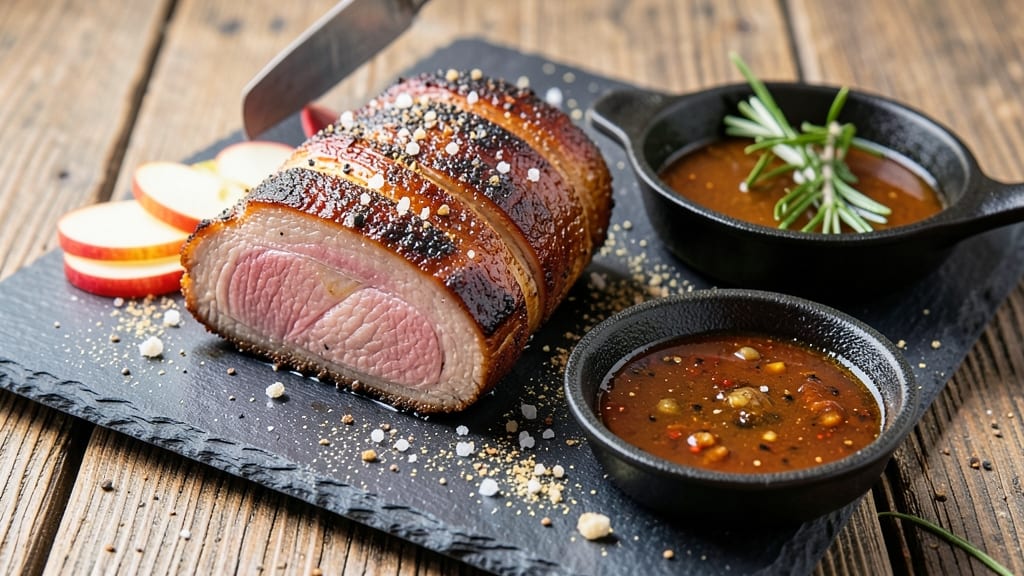
This Camp Chef pork tenderloin recipe delivers restaurant-quality results with just 25 minutes of active time—perfect for weekend grill masters. I developed this method after years of perfecting pork on outdoor grills, where tender, juicy meat meets a smoky crust that’s impossible to resist.
The secret lies in high-heat searing and proper resting, ensuring every bite stays moist while developing that coveted bark.
What sets this recipe apart is its foolproof technique for outdoor cooking, designed specifically for Camp Chef grills. We’ll start with a simple dry rub that enhances natural flavors without overpowering them, then use the grill’s precise heat zones to achieve perfect doneness.
The 30-minute total time makes it ideal for busy weekends when you still want a showstopping meal.
By the time you serve this pork tenderloin, you’ll have a tender, golden-brown centerpiece that pairs beautifully with grilled vegetables or a fresh summer salad.
The smoky aroma alone will have your guests asking for seconds, and the juicy texture proves you don’t need a fancy kitchen to create restaurant-quality results. This is the kind of dish that transforms backyard cookouts into memorable feasts.
Whether you’re grilling for a crowd or treating yourself to a solo dinner, this recipe scales effortlessly. The method works equally well on pellet grills, gas grills, or even a campfire setup—just adjust the heat accordingly. Let’s get started on creating pork tenderloin that’ll have everyone begging for the recipe.
Ingredients for camp chef pork tenderloin
Simple dry rub and smoky grill magic for pork that’s juicy inside and perfectly crusty outside.
| Ingredient | Amount | Notes |
|---|---|---|
| Pork Tenderloin 🥩 | 1 ½ lb | Center-cut, trimmed of fat |
| Coarse Kosher Salt 🧂 | 1 tbsp | Diamond Crystal preferred |
| Freshly Ground Black Pepper 🌶️ | 1 tsp | Freshly cracked preferred |
| Smoked Paprika 🌶️ | 1 tsp | For smoky depth |
| Garlic Powder 🧄 | ½ tsp | Not garlic salt |
| Onion Powder 🧅 | ½ tsp | For balanced flavor |
| Extra-Virgin Olive Oil 🫒 | 2 tbsp | High smoke point preferred |
| Fresh Rosemary 🌿 | ¼ cup | Finely chopped, stems removed |
| Fresh Thyme 🌿 | ⅛ cup | Leaves only, no stems |
| Camp Chef Pellets (Hickory or Apple) 🔥 | 1 cup | For smoky flavor profile |
| Wood Chips (Optional) 🌳 | ½ cup | Hickory or apple preferred |
| Butter (Optional) 🧈 | 2 tbsp | Unsalted, softened |
The pork tenderloin should be center-cut and trimmed of any visible fat—this ensures even cooking and that coveted bark. Costco or local butchers usually have the best quality, but any grocery store will work. Look for tenderloins that are firm to the touch with a vibrant pink color—no graying or sliminess. If you're using a Camp Chef pellet grill, preheat it to 400°F with your chosen wood pellets (hickory or apple work perfectly). The wood chips add extra smokiness if you're using a gas grill or smoker setup—just soak them in water for 30 minutes before adding.
No smoked paprika? Regular paprika plus a pinch of liquid smoke gets you close—just don’t overdo it. Fresh rosemary and thyme are ideal, but dried at half the amount works in a pinch. If you’re skipping the butter basting, brush the pork with extra olive oil halfway through cooking. For a Camp Chef grill, use the side shelf to keep your butter or oil warm while basting. The key is to keep the pork moist—don’t let it dry out. If you’re grilling on a gas grill, use the highest heat setting and preheat for at least 10 minutes to mimic the Camp Chef’s intense heat zones.
Pork tenderloin cooks fast—10-15 minutes max on the grill—so keep it close. Use a meat thermometer for precision: pull it at 145°F internal temp. Let it rest 5-10 minutes before slicing—this keeps it juicy. Store leftovers in the fridge for 3-4 days or freeze for up to 3 months. I like to slice it thin and serve with a quick chimichurri or grilled veggies. The smoky flavor actually gets better the next day, so plan ahead for leftovers—they’re perfect for sandwiches or salads.
Why You'll Love This Recipe
- Minimal Prep, Maximum Impact: I swear by this recipe because it’s the kind of meal where you barely have to think—just season, sear, and let the Camp Chef do the rest. The pork tenderloin stays juicy no matter what, and the smoked paprika-pepper crust takes two minutes to slap on. Honestly, I’ve made it while still in my pajamas.
- Smoky, Savory Magic: That first bite? Crispy outside, tender inside, with a whisper of garlic and a punch of smoky heat. The kosher salt and black pepper do all the heavy lifting—no fancy marinades or complicated rubs. It’s the kind of flavor that makes you reach for seconds without even trying.
- Weeknight to Weekend: This isn’t just a Tuesday dinner. Toss it on the grill for a summer BBQ, serve it sliced thin for a charcuterie board, or pack leftovers for lunch—it’s that versatile. My kids even ask for it when we’re camping because it’s foolproof over a fire too.
- Budget-Friendly Powerhouse: Pork tenderloin is lean, affordable, and cooks fast—no wasted money or time. A single cut feeds four, and leftovers reheat like a dream. Between us, this is my go-to when I’m trying to stretch groceries without sacrificing taste. (Yes, even on a Tuesday night.)
Step-by-step instructions for smoky grill-master pork tenderloin
Here's how to transform simple ingredients into restaurant-worthy pork with a perfect smoky crust.
Prep and Season the Pork Tenderloin
Start by patting the 1.5 lb pork tenderloin completely dry with paper towels—this ensures the seasoning sticks and the crust forms properly. I like to trim any remaining fat, especially if it's thick, to promote even cooking and better bark formation.
In a small bowl, combine 1 tbsp coarse kosher salt, 1 tsp freshly ground black pepper, 1 tsp smoked paprika, 0.5 tsp garlic powder, and 0.5 tsp onion powder. Rub this mixture all over the pork, pressing firmly so it adheres to every surface. Let it sit at room temperature for 15-20 minutes before cooking—this helps the seasoning penetrate and the meat cook more evenly.
Preheat the Camp Chef and Prepare the Wood
Fill your Camp Chef with 1 cup Camp Chef pellets (hickory or apple) and preheat to 375°F. If using the optional 0.5 cup wood chips, add them to the smoker tube once the pellets are ignited—this will enhance the smoky flavor. The reason for this lower temperature is to ensure the pork cooks through without drying out while still developing that beautiful crust.
While the Camp Chef heats up, finely chop 0.25 cup fresh rosemary and 0.125 cup fresh thyme, removing any stems. In a small bowl, mix these herbs with 2 tbsp extra-virgin olive oil to create a fragrant herb oil. This step adds an extra layer of aroma that complements the smoky flavor beautifully.
Sear the Pork for Maximum Flavor
Once the Camp Chef reaches 375°F, place the seasoned pork tenderloin directly on the grill grates. Close the lid and cook for 8-10 minutes, turning occasionally, until the pork develops a deep golden-brown crust. The key here is patience—don't rush the searing process. You'll know it's ready when the crust is firm to the touch and the internal temperature reaches 145°F on a meat thermometer.
During the last 2 minutes of searing, brush the pork with the herb oil mixture. This adds a bright, aromatic finish that balances the smoky flavor. If you're using the optional 2 tbsp softened butter, brush it on now for extra richness.
Finish Cooking to Perfect Doneness
Once the pork has developed a crust and reached 145°F internally, transfer it to a cutting board. Let it rest for 10-15 minutes before slicing. This resting period is crucial—it allows the juices to redistribute, ensuring each slice is moist and flavorful. If you skip this step, you'll end up with dry, tough meat.
Slice the pork into ½-inch thick medallions and serve immediately. The exterior should be crispy with a deep smoky aroma, while the interior remains tender and juicy. Pair it with a fresh herb salad or roasted vegetables to complete the meal. The smoky, herb-infused flavor makes this pork tenderloin a standout centerpiece for any outdoor gathering.
Pro Tips For Making Camp Chef Pork Tenderloin
- Pat It Dry: The Camp Chef’s built-in fan can make pork tenderloin soggy if it’s damp—wipe it down with paper towels before seasoning. I learned this the hard way when my first batch turned out more steamed than seared.
- Salt First, Then Wait: Sprinkle kosher salt and black pepper right after removing the pork from the fridge, then let it sit uncovered for 10 minutes. This gives the seasoning time to penetrate instead of just sticking to the surface.
- Skip the Overcrowding: If you’re cooking multiple tenderloins, resist the urge to stack them in the skillet. Cramped pork steams instead of browning—space them out for even searing, even if it means two batches.
- Use a Meat Thermometer: The Camp Chef’s temperature gauge isn’t always precise for pork tenderloin—pull it at 140°F (it’ll rise to 145°F while resting). I used to guess, and my meat was either dry or raw.
Storing and reheating this dish
Refrigerator Storage
Slice your cooked pork tenderloin into ½-inch medallions and store them in an airtight container with a tight-fitting lid. I recommend using glass Pyrex containers—they keep the meat moist and allow you to see the smoky crust.
Store at 40°F or below for up to 4 days, though the flavor actually deepens overnight. The smoky notes meld beautifully with the pork's natural sweetness when reheated. 🥩
Freezer Storage
For longer storage, freeze the pork in single-serving portions using heavy-duty freezer bags. Remove as much air as possible to prevent freezer burn—this keeps the texture tender. Label with the date and store for up to 3 months.
When ready to use, thaw in the refrigerator overnight for even cooking. I often freeze leftovers in portions perfect for quick lunches or sandwiches. ✨
Reheating on Camp Chef
My favorite method is reheating on the Camp Chef to preserve that smoky crust. Preheat to 350°F with applewood pellets, place the pork in a cast-iron skillet, and cover for 5-8 minutes. The residual heat from the grill keeps the exterior crispy while warming through.
Add a splash of water or broth if it looks dry. This method works perfectly for leftovers or prepped pork for a crowd. 🔥
Stovetop Reheating
For a quick stovetop option, use a heavy-bottomed skillet over medium-low heat. Add 1 tbsp butter or olive oil and heat for 3-5 minutes, stirring occasionally. The fat helps restore moisture and adds richness.
Cover the skillet to trap steam and prevent drying. This is my go-to method when I'm short on time but still want restaurant-quality results. 💪
Microwave Safety
If you're in a rush, the microwave works—but use it carefully. Place the pork on a microwave-safe plate with a splash of water or broth, cover with a damp paper towel, and heat on 50% power for 1-2 minutes.
Check the temperature—it should reach 165°F internally. The damp towel helps maintain moisture, though the texture won't be as crispy as other methods. 💡
Leftovers Reinvented
Turn reheated pork into something new! Shred it for tacos or nachos, slice it for grilled cheese sandwiches, or chop it into a pork fried rice.
The smoky flavor adds depth to any dish. I love making pork tenderloin hash with roasted potatoes and peppers—it’s a crowd-pleaser that uses up leftovers perfectly. 🌟
Nutrition facts
Frequently asked questions
Can I use this recipe on a gas grill instead of a Camp Chef?
Preheat your gas grill to medium-high heat (400°F) and use the same dry rub and herb oil mixture. Place the pork on the hottest part of the grill and cook for 8-10 minutes, turning occasionally. For extra smokiness, add soaked wood chips to the coals or use a smoker box. The key is maintaining high heat to get that perfect crust.
What's the best way to tell if pork tenderloin is done?
Always use a meat thermometer—pork tenderloin is safe to eat at 145°F internal temp. The exterior should be golden-brown with a crispy crust. If you don't have a thermometer, cut into the thickest part: juices should run clear, not pink. Never rely on color alone, as some cuts may appear done before reaching safe temperatures.
How do I adjust this recipe for a larger crowd?
This recipe scales perfectly! For 8 servings, use 3 lb pork tenderloin and double all seasonings and herbs. Increase grill space by using a second rack or a larger grill. Cook in batches if needed, keeping the first batch warm in a 200°F oven while finishing the rest. The resting time remains the same—10-15 minutes—before slicing.
Why did my pork turn out dry?
Dry pork usually means it cooked too long or wasn't rested properly. Always pull it at 145°F—overcooking is the #1 cause. Let it rest 10-15 minutes before slicing (juices need time to redistribute). For extra moisture, brush with butter or olive oil during cooking. If using a gas grill, avoid direct flame exposure, which can dry it out faster.
What are the best sides to serve with this pork?
This smoky pork pairs beautifully with bright, fresh sides like grilled asparagus with lemon zest or herbed quinoa salad. For heartier options, try roasted sweet potatoes with rosemary or garlic mashed cauliflower. The acidity from a simple apple-cider glaze (simmer ½ cup cider + 1 tbsp brown sugar) also cuts through the richness perfectly.