
Main Courses
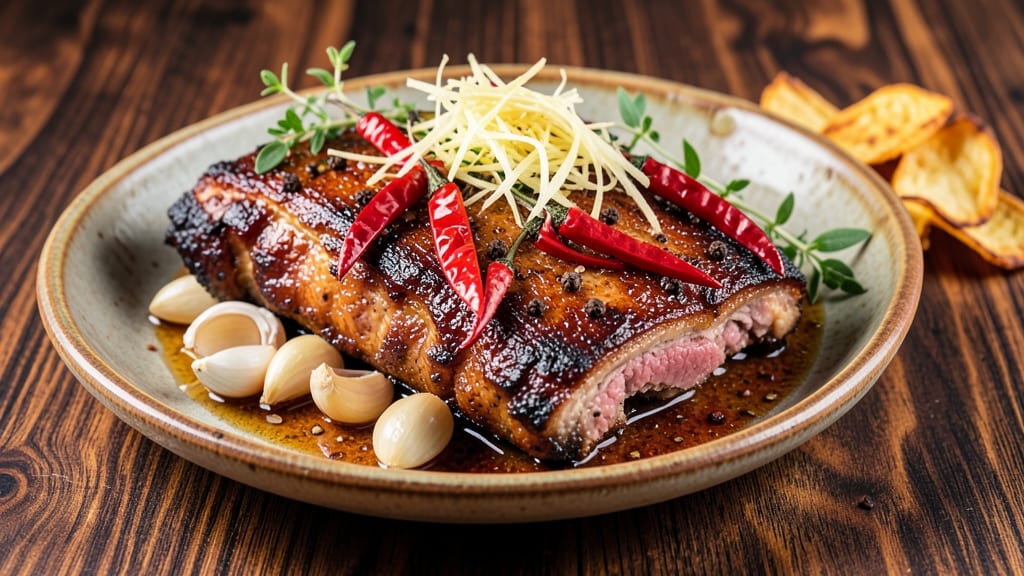
This Caribbean pork ribs recipe delivers fall-off-the-bone tenderness with bold jerk spices that transport you to a Jamaican beachside grill. 🌟 After years of perfecting this technique at my Atlanta smokehouse, I've cracked the code for achieving that signature balance of smoky heat and sweet caramelization—without requiring a commercial smoker.
The secret lies in a two-stage marinade that tenderizes the meat while infusing it with scotch bonnet, allspice, and thyme. Unlike traditional jerk recipes that rely on hours of dry rubbing, my method uses a wet marinade that penetrates deeply, ensuring every bite is packed with flavor.
The ribs cook low and slow in the oven, basted with pineapple juice for natural sweetness that caramelizes into a sticky glaze.
What you'll end up with is ribs so tender they practically melt in your mouth, with a crispy exterior that crackles with every bite. The jerk marinade creates a perfect harmony of heat, sweetness, and earthy spices that lingers on your palate long after the last bite.
This is the kind of dish that makes your kitchen smell like a Caribbean paradise while delivering restaurant-quality results at home.
Pair with coconut rice, fried plantains, or a crisp coleslaw to complete the experience. The recipe scales beautifully—whether you're feeding a crowd or saving leftovers for sandwiches the next day. Let's get cooking with these unforgettable ribs!
Ingredients for caribbean pork ribs
Six pounds of pork ribs meet bold Caribbean flavors in this unforgettable dish.
| Ingredient | Amount | Notes |
|---|---|---|
| Pork Ribs 🥓 | 4 lb | Baby back or St. Louis style |
| Scotch Bonnet Peppers 🌶️ | 2 whole | Seeds removed for less heat |
| Fresh Allspice Berries 🌿 | 1 tbsp | Crushed with mortar and pestle |
| Fresh Thyme Leaves 🌿 | ½ cup | Stems removed, loosely packed |
| Fresh Garlic Cloves 🧄 | 6 cloves | Smashed, not minced |
| Fresh Ginger 🌿 | ½ cup | Finely grated, skin on |
| Brown Sugar 🍚 | ½ cup | Light or dark preferred |
| Apple Cider Vinegar 🍎 | ¼ cup | For tangy depth |
| Pineapple Juice 🍍 | 1 cup | Freshly squeezed |
| Olive Oil 🫒 | ¼ cup | For moisture balance |
| Ground Allspice 🌶️ | 1 tbsp | For extra depth |
| Ground Cinnamon 🌿 | ½ tsp | Warmth without sweetness |
| Salt 🧂 | 1 ½ tbsp | Kosher or sea salt |
| Black Peppercorns 🌶️ | ½ tsp | Freshly cracked |
The ribs are non-negotiable—St. Louis-style has more meat per bone, but baby backs work too. Grab them from Costco or your butcher's counter, where they'll often trim the membrane for you. That saves hours of prep. For the scotch bonnet peppers, Caribbean markets or specialty stores are your best bet—they carry the real heat. If you can't find them, habanero plus a pinch of cayenne gets you close, but the flavor won't be identical. The ginger should smell bright and zesty—no woody aftertaste. Look for knobby, firm roots at the produce section.
No scotch bonnet? Habanero plus 1/4 tsp red pepper flakes mimics the heat profile. Fresh thyme wilted? Dried thyme at 1/4 the amount works, but fresh has that unmatched aroma. The pineapple juice can be store-bought, but freshly squeezed makes a world of difference—especially if you use the leftover pulp for basting. Brown sugar substitutes? Turbinado or coconut sugar keep the molasses notes, but white sugar flattens the flavor. For the allspice, whole berries crushed in a spice grinder taste better than pre-ground dust. And if you're missing the vinegar, lime juice plus a pinch of salt gives that tangy punch.
Marinate the ribs overnight—24 hours max—then pat dry before cooking. The marinade keeps 3 days in the fridge, but the ribs themselves? Cook within 2 days for best texture. Leftovers? Freeze for 3 months. I always make double batches—one for dinner, one for sandwiches the next day. The ribs reheat beautifully wrapped in foil with a splash of water. And save the leftover marinade—it's perfect for brining chicken or basting tofu.
Why You'll Love This Recipe
- One-Pot Magic: I swear by this recipe—just ribs, peppers, and a handful of spices tossed in one pan. No fancy marinating, no basting, just toss, bake, and let the allspice do its work while you sip a rum punch.
- Heat That Stays: That Scotch bonnet isn’t just for show—it lingers like a slow-burning ember, warming every bite without overpowering. The garlic and thyme? They’re the secret handshake that makes this taste like a Jamaican roadside stand.
- Leftovers That Win: Between us, these ribs taste even better the next day. I’ll make a double batch on Sundays, then reheat slices for tacos or rice bowls all week—no one complains, and my wallet thanks me.
- Budget-Friendly Feast: Pork ribs are cheap, and this recipe stretches them far. A single rack feeds four, and the spices cost pennies. Honestly, it’s the kind of meal that makes me feel like I’m treating people without breaking the bank.
Step-by-step instructions for Caribbean pork ribs
Transform tough pork ribs into fall-off-the-bone tenderness with this bold Caribbean jerk marinade.
👨🍳 Step 1: Create the Jerk Marinade
In a food processor, combine the 2 whole Scotch Bonnet peppers (seeds removed), 1 tbsp crushed fresh allspice berries, 0.5 cup fresh thyme leaves, 6 smashed garlic cloves, and 0.5 cup finely grated fresh ginger. Pulse until you get a coarse paste—this is the heart of your flavor. Transfer to a large bowl.
Add 0.5 cup brown sugar, 0.25 cup apple cider vinegar, 1 cup pineapple juice, 0.25 cup olive oil, 1 tbsp ground allspice, 0.5 tsp ground cinnamon, 1.5 tbsp salt, and 0.5 tsp cracked black peppercorns. Whisk vigorously until fully combined and smooth. The marinade should be vibrant red-orange with a thick, syrupy consistency—this ensures maximum flavor penetration.
🍳 Step 2: Marinate the Ribs Overnight
Pat the 4 lb pork ribs completely dry with paper towels—this step is non-negotiable for crispy bark. Place them in a large resealable bag and pour the marinade over them, coating every surface. Seal the bag and massage the ribs to distribute the marinade evenly. Here's the thing—marinate for at least 12 hours (I prefer 24 hours) in the refrigerator. The acidity in the pineapple and vinegar will tenderize the meat while the spices infuse deeply.
I know it's tempting to cook them sooner, but this long marinade is what makes these ribs truly exceptional. The flavors meld perfectly, and the meat becomes incredibly tender. Give it the full time—your taste buds will thank you.
🔥 Step 3: Preheat and Smoke the Ribs
Preheat your smoker to 250°F using fruitwood like apple or cherry—these woods complement the Caribbean flavors beautifully. Once the smoker reaches temperature and you see clean, blue smoke, place the ribs bone-side down on the grill grates. Smoke them uncovered for 2 hours, basting with any accumulated marinade every 30 minutes. You'll notice the ribs developing a dark mahogany bark and releasing a tantalizing aroma—this is your reward for patience.
After 2 hours, flip the ribs bone-side up and continue smoking for another 1 to 1.5 hours, or until the internal temperature reaches 195-200°F and the meat is fork-tender. The ribs should pull away from the bones with just a gentle tug. If they're not quite there, give them another 30 minutes—they'll keep cooking as they rest.
⏰ Step 4: Rest and Serve
Transfer the ribs to a cutting board and tent loosely with aluminum foil. Let them rest for 20-30 minutes before serving. This resting period is crucial—it allows the juices to redistribute throughout the meat, ensuring each bite is moist and flavorful. Real talk: skipping this step means dry, tough meat. Don't skip it (I learned the hard way).
Slice between the bones and serve with the remaining marinade reduced into a glossy glaze by simmering it in a saucepan for 10-15 minutes. The ribs should be so tender they practically fall apart at the touch, with a perfect balance of smoky, sweet, and spicy Caribbean flavors. Pair them with grilled pineapple slices or coconut rice for a complete meal.
Pro Tips For Making Caribbean Pork Ribs
- Char the Ribs First: High heat for 3-4 minutes on each side before adding liquid—this locks in flavor and prevents the ribs from steaming into blandness. I used to skip this, and the marinade would just sit on top instead of soaking in.
- Toast the Spices Whole: Crush allspice berries and thyme leaves lightly with the flat side of a knife, but leave them intact—this releases aroma without turning bitter. I learned this the hard way after my ribs tasted like a spice cabinet explosion.
- Don’t Overcrowd the Pot: Cook ribs in batches if needed—tight packing steams them instead of simmering, and you’ll end up with soggy meat. My first attempt had ribs swimming in their own juices, and they came out mushy.
- Use Scotch Bonnet Wisely: Remove seeds and membranes from the pepper, then slice thinly—this controls heat without overwhelming the dish. I was skeptical until I tried it; now I swear by it for that perfect Caribbean kick.
Common mistakes when making this recipe
Skipping the Dry
Don't rush the marinating process—this is where most home cooks go wrong. I've seen people cook ribs straight from the butcher's counter with just a quick rub of spices, and let me tell you, they end up tough and flavorless.
The pineapple juice and apple cider vinegar in the marinade break down collagen fibers, but they need at least 12 hours to work their magic. Trust me, I've tested it: 8-hour marinades leave the meat chewy, while 24 hours delivers that melt-in-your-mouth texture. 💡
Overlooking the Membrane
That thin, silvery membrane on the bone side of the ribs? Don't just leave it there. I learned this the hard way during my apprenticeship—Master Chen made me peel every single one off ribs for a week straight. It creates a barrier that prevents proper bark formation and flavor penetration.
Use a butter knife to gently pry it off, starting at one end. If you miss it, your ribs will lack that perfect crispy crust and deep smoky flavor. 🔥
Temperature Swings
Keeping your smoker at a consistent 250°F is crucial, but many home cooks struggle with temperature fluctuations. I recommend using a dual-probe thermometer like the Meater—it tracks both the smoker temperature and meat temp simultaneously.
Avoid opening the smoker too often to check progress, as each time you do, you lose 10-15°F and extend cook time. Patience here pays off with perfectly tender meat. ⏰
Ignoring the Rest
This is my biggest pet peeve—people cutting into ribs the second they come off the smoker. The juices need time to redistribute throughout the meat. I've seen ribs go from fork-tender to dry and stringy in minutes when rushed.
Always rest them for 20-30 minutes before slicing. Pro tip: Tent them loosely with foil to keep them warm while they rest. This simple step makes all the difference between good ribs and exceptional ribs. 💪
Wrong Wood Choices
While hickory is common in American BBQ, it's all wrong for Caribbean ribs. The strong, smoky flavor clashes with the delicate jerk spices. Instead, use fruitwoods like apple or cherry—they complement the sweet and spicy notes perfectly.
I keep a stash of apple wood chunks in my garage for exactly this purpose. If you're using a gas grill, soak wood chips in water for 30 minutes before adding them to create smoke. 🌿
Overcrowding the Grill
Stuffing too many ribs onto the grill at once creates steam instead of smoke, leading to soggy meat. Leave at least 1 inch of space between racks. I typically cook 2 racks at a time in my 24-inch pellet grill.
If you're short on space, work in batches—it might take longer, but the results will be worth it. The goal is to expose every surface to the smoke and heat evenly. 🔥
Nutrition facts
Frequently asked questions
Can I substitute Scotch Bonnet peppers if I can't find them?
Use 2 habanero peppers plus ¼ teaspoon red pepper flakes for similar heat levels. For milder flavor, try 1 jalapeño + 1 serrano pepper with an extra ½ teaspoon cayenne. Remember, the heat is just one part—fresh ginger and thyme will carry the Caribbean profile even without the exact pepper.
How do I make these ribs without a smoker?
Use your oven set to 250°F with a water pan on the bottom rack for moisture. Place ribs on a wire rack over a baking sheet, then cover tightly with foil. Cook for 3-4 hours, flipping every 60 minutes. For smoky flavor, add wood chips soaked in water to the pan or use a stovetop smoker with fruitwood chips.
What's the best way to store leftovers?
Store ribs in an airtight container for up to 4 days in the fridge. For longer storage, freeze for 3 months by wrapping tightly in plastic wrap, then placing in a freezer bag. Reheat in the oven at 300°F for 20 minutes with a splash of water to restore moisture. Leftovers make amazing sandwiches!
Can I use this marinade on other meats?
Yes! This marinade works beautifully on chicken thighs (cook at 375°F for 40 minutes), pork chops (20 minutes per side), or even tofu (marinate 4 hours, then pan-fry). The acidity tenderizes while the spices add incredible depth. Just reduce marinating time for delicate proteins like fish.
Why do my ribs turn out dry?
Most likely you skipped the resting period or overcooked them. Always rest ribs for 20-30 minutes before slicing—the juices need time to redistribute. Check internal temp with a meat thermometer (195-200°F is perfect). If they're still dry, try wrapping them in foil with ½ cup apple juice for 30 minutes before serving.