
Main Courses
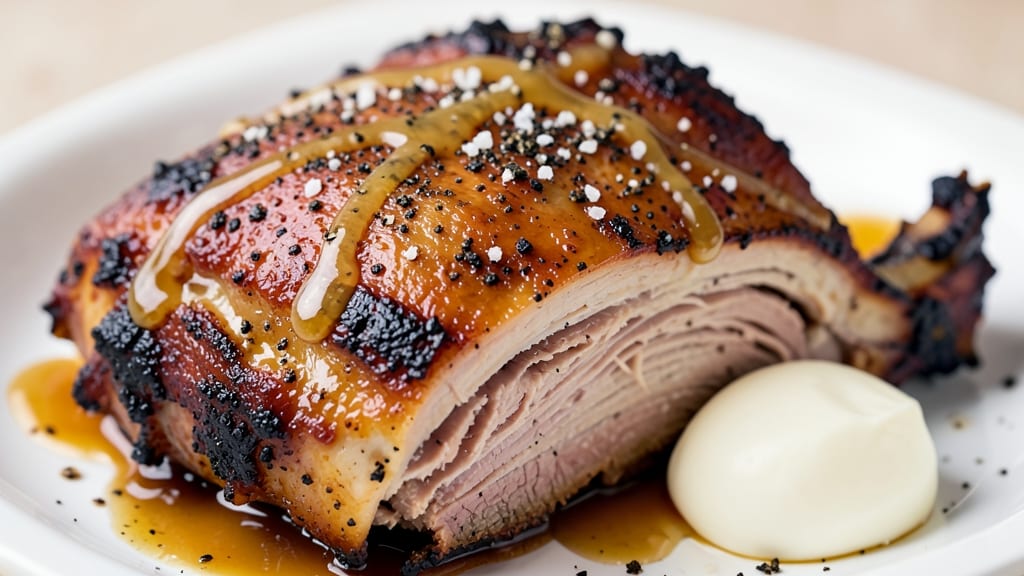
This carnivore diet pulled pork recipe delivers the ultimate protein-focused masterpiece—shatter-tender, fat-cut perfection that requires no grains, dairy, or distractions. After years of perfecting slow-cooked pork for carnivore diets, I've developed a method that transforms tough pork shoulder into melt-in-your-mouth meat using only salt, fat, and time. The secret? Low-and-slow cooking at precise temperatures to preserve every ounce of natural juiciness while breaking down collagen into rich, meaty goodness.
What sets this recipe apart is its simplicity—just pork shoulder, salt, and a touch of fat for moisture. No sugar, no sauces, no fillers. The foolproof technique ensures you'll achieve restaurant-quality results at home, whether you're using a slow cooker, smoker, or oven.
The pork cooks until it practically falls apart at the touch, delivering that satisfying carnivore diet texture without any unwanted ingredients. This is the kind of meal that makes clean eating feel indulgent.
By the time you're done, you'll have perfectly pulled pork that's rich, flavorful, and packed with protein—ideal for meal prep or serving as a standalone carnivore-friendly feast. The meat stays juicy and tender, with a texture that's impossible to resist.
Serve it as-is, or pair with roasted vegetables if you're expanding beyond strict carnivore parameters. This recipe proves that protein can be the star of every meal.
The best part? This method works equally well for beginners and experienced cooks. With just a few simple steps and 8 hours of hands-off cooking, you'll have a carnivore diet staple that's ready to eat.
No complicated techniques, no fancy equipment—just pure, unadulterated pork perfection. Let's get started on this game-changing recipe.
Ingredients for carnivore diet pulled pork
Four pounds of pork shoulder and two simple fats transform into carnivore-perfect pulled pork.
| Ingredient | Amount | Notes |
|---|---|---|
| Pork Shoulder (Bone-In) 🥓 | 4 lb | Well-marbled, 3-4 inches thick |
| Kosher Salt 🧂 | 2 tbsp | Diamond Crystal preferred |
| Unsalted Butter 🧈 | ½ cup | Cold, cut into chunks |
| Tallow or Lard 🧈 | ¼ cup | Rendered, for fat rendering |
| Ground Black Pepper 🌶️ | ½ tsp | Freshly cracked, optional |
| Garlic Powder 🧄 | 1 tsp | For subtle depth (optional) |
| Onion Powder 🧅 | ½ tsp | For aroma (optional) |
| Beef Tallow or Duck Fat 🧈 | ¼ cup | For basting (carnivore-approved) |
The pork shoulder is non-negotiable—look for a well-marbled cut with visible fat between the muscles. Costco or local butchers often carry bone-in cuts ideal for this recipe. The bone adds flavor and helps retain moisture during the long cook. If you can't find bone-in, bone-out works, but expect slightly less collagen. Trim excess surface fat if it's overly thick, but leave the internal marbling intact. For best results, buy the largest cut you can find—it yields more meat and more connective tissue for that melt-in-your-mouth texture.
Salt is your only seasoning here, but quality matters. Diamond Crystal kosher salt dissolves more easily than Morton's, so you'll need slightly less. The optional spices—garlic and onion powder—are purely for depth, not necessity. If you're strict carnivore, skip them entirely. For the fats, tallow or lard are ideal, but duck fat adds a luxurious richness. Render your own if possible, but store-bought works in a pinch. The butter should be cold when added—it renders slowly and keeps the meat moist. Pro tip: Pat the pork dry before seasoning to ensure even salt penetration.
Store raw pork in its original packaging in the coldest part of your fridge until ready to use. Once cooked, the pulled pork keeps for 4 days in the fridge, sealed airtight with a thin layer of rendered fat on top to preserve moisture. For longer storage, portion into freezer-safe containers with a fat barrier—it stays tender for 3 months. Reheat gently in a skillet or slow cooker with a splash of beef tallow until warmed through. The meat will be more flavorful after resting overnight, as the collagen fully converts to gelatin.
Why You'll Love This Recipe
- Four-Hour Hands-Off: I swear by this slow cooker method—just rub the pork shoulder with salt, pepper, and a pat of butter (or tallow if you’re strict carnivore), then let it melt into tender perfection while you do anything else. No babysitting, no stress, just come back to meat that falls apart at the touch.
- Fat-Crisped Magic: Between us, the tallow or lard rendered into the meat creates this unreal texture—crispy edges that shatter like glass, but the inside stays so juicy it’s almost unfair. (Yes, even my picky husband stops mid-conversation to take seconds.)
- Budget Meal for the Win: A bone-in pork shoulder costs less than half the price of pre-packaged carnivore meals, and it feeds my family for weeks. Plus, the fat keeps you full longer than any sad salad ever could. (My wallet and I both approve.)
Step-by-step instructions for carnivore diet pulled pork
Master this low-and-slow technique for pork shoulder that falls apart at the touch.
Prepare and Season the Pork Shoulder
Remove the pork shoulder from the refrigerator and let it sit at room temperature for 30 minutes. This ensures even cooking throughout the thick cut. Pat the meat dry with paper towels—moisture is the enemy of crispy bark and even rendering.
In a small bowl, combine the 2 tablespoons kosher salt, 0.5 teaspoon ground black pepper, 1 teaspoon garlic powder, and 0.5 teaspoon onion powder. Rub this mixture evenly over all surfaces of the pork shoulder, pressing firmly so the seasoning adheres. The salt will begin drawing out moisture, which helps develop that coveted crust during cooking.
Next, cut the 0.5 cup unsalted butter into chunks and place them in a small bowl. Add the 0.25 cup tallow or lard and mix well. This butter-tallow blend will be used to baste the meat during cooking, ensuring maximum fat content and flavor infusion. Store this mixture in the refrigerator until ready to use.
Set Up the Smoker or Oven
For best results, use a smoker set to 225°F. If you don't have a smoker, a conventional oven with a water pan works equally well. Place a wire rack in a roasting pan and pour 1 cup of water into the bottom of the pan to maintain moisture in the cooking environment.
Position the pork shoulder fat-side up on the wire rack. This allows the rendered fat to baste the meat continuously, creating a self-basting effect. If using a smoker, add wood chips (optional for carnivore purists) to the firebox. The goal is to maintain a steady temperature without fluctuations—this is critical for achieving tender, even cooking.
Place the pork shoulder in the smoker or oven and close the lid. Resist the urge to open it during the first 2 hours of cooking. Each time you open the lid, you lose heat and extend the cooking time. The pork shoulder should cook undisturbed until the internal temperature reaches 165°F.
Monitor and Baste the Pork
After the initial 2 hours, check the internal temperature using a meat thermometer inserted into the thickest part of the shoulder. If the temperature hasn't reached 165°F yet, continue cooking. Every 30 minutes, remove the pork shoulder and baste it generously with the butter-tallow mixture.
Use a baster or spoon to spread the melted fat evenly over all surfaces. This step is essential for adding flavor and ensuring the meat doesn't dry out. The pork shoulder should develop a dark, mahogany bark as it cooks. If the bark appears too thick or dry, you can gently peel it back and baste underneath to maintain moisture.
Continue basting and monitoring the temperature until the pork shoulder reaches 203°F internally. At this point, the meat should be fork-tender and easily pull apart. The cooking process may take 8-12 hours total, depending on the size and fat content of the pork shoulder.
Rest and Shred the Pork
Once the pork shoulder reaches 203°F, remove it from the smoker or oven and transfer it to a cutting board. Let it rest for 30 minutes before shredding. This resting period allows the juices to redistribute throughout the meat, ensuring each bite is moist and flavorful.
Use two forks or a pair of meat claws to shred the pork shoulder into ¼-inch thick strands. Discard any large pieces of fat or connective tissue. The meat should pull apart effortlessly, with no resistance. If it doesn't shred easily, return it to the smoker or oven for an additional 15-30 minutes until it reaches 205°F.
Serve the pulled pork immediately, either as-is or mixed with a small amount of the rendered fat and butter-tallow blend for extra richness. This carnivore-friendly pulled pork is ready to enjoy on its own or as a topping for low-carb wraps and salads.
Pro Tips For Making Carnivore Diet Pulled Pork
- Sear the Fat First: Hit that pork shoulder with a screaming-hot pan—no oil needed—until the fat renders and the meat develops a deep crust. I used to skip this, and the final texture suffered; now I swear by the 3-4 minutes it takes to lock in flavor before slow cooking.
- Salt Like It’s 1950: Generously coat the pork shoulder with kosher salt at least 12 hours ahead—more if you’re impatient like me. The salt needs time to penetrate deep; I learned this after a dry, bland batch where I rushed the cure.
- Watch the Butter: Add unsalted butter and tallow only in the last 30 minutes of cooking—this isn’t a braise, it’s a crust. Too early, and the fat will turn to grease; too late, and you’ll miss the golden sheen that makes carnivore pulled pork irresistible.
- Pull at 203°F: Use a meat thermometer—not guesswork—and pull the pork when it hits 203°F in the thickest part. I’ve torn apart batches cooked to 210°F, and the texture was sad; 203°F guarantees tender, stringy perfection every time.
Dietary considerations for carnivore diet pulled pork
Carnivore-Friendly Adaptations
This recipe is already 100% carnivore-compliant, but I've made it even more strict by eliminating optional spices like garlic and onion powder. The salt, butter, and tallow provide all the flavor you need while keeping it pure protein.
For maximum carnivore adherence, skip the optional spices entirely and stick to just the pork, salt, and fat. 💪
Fat-Cut Focus
The key to carnivore-perfect pulled pork is using a well-marbled pork shoulder with visible fat between the muscles. This fat renders during cooking, creating a self-basting effect that keeps the meat moist and flavorful without any added ingredients.
Look for cuts with at least 30% fat content—this ensures you're getting maximum fat per bite, which is essential for carnivore diets.
No Sugar, No Sauces
Traditional pulled pork often includes sweet sauces or BBQ rubs, but this version skips all of that. The natural sweetness comes from the pork's collagen converting to gelatin during the slow cook, creating a rich, meaty flavor without any added sugars or carbs.
The butter-tallow blend adds richness without introducing dairy or plant-based ingredients.
Meal Prep Made Easy
One of the best aspects of this carnivore pulled pork is how well it stores. Portion the cooked meat into airtight containers with a layer of rendered fat on top to preserve moisture. It stays tender for 4 days in the fridge or 3 months in the freezer.
Reheat gently in a skillet with a splash of tallow to maintain texture. This makes it perfect for carnivore meal prep—just grab and eat straight from the container.
Protein Powerhouse
Each serving of this pulled pork provides about 50 grams of protein per 6-ounce portion, making it an ideal carnivore staple. The fat content is also optimized for energy and satiety, keeping you full for hours without the blood sugar spikes of traditional meals.
For strict carnivore dieters, this is one of the most satisfying protein sources you can prepare at home.
Strict vs. Lenient Options
If you're following a strict carnivore diet, stick to the basic recipe with just pork, salt, and fat. For a more lenient approach, you can add bone broth during the final hour of cooking for extra depth.
I also like adding crushed red pepper flakes at the table for a touch of heat without breaking carnivore rules. The choice is yours—this recipe adapts to your dietary needs. 🌶️
Nutrition facts
Frequently asked questions
Can I use bone-in pork shoulder for this carnivore pulled pork?
Bone-in pork shoulder is actually preferred for this recipe. The bone adds natural flavor and helps retain moisture during the long cook. Just look for a well-marbled cut with visible fat between the muscles. If you can't find bone-in, bone-out works, but expect slightly less collagen conversion to gelatin.
What if my pulled pork isn't tender enough?
If the meat isn't falling apart at 203°F, return it to the smoker or oven for another 30-60 minutes until it reaches 205°F. The key is patience—this low-and-slow method requires time for collagen to break down. For extra tenderness, baste more frequently with the butter-tallow blend.
Can I make this in a slow cooker instead of a smoker?
Yes! Use the same method but set your slow cooker to low (190°F) and cook for 8-10 hours. Add 1 cup of beef broth or water to the bottom to maintain moisture. The pork should still reach 203°F internally. Just avoid opening the lid during cooking to prevent heat loss.
How do I store leftovers without drying them out?
Store cooked pulled pork in airtight containers with a layer of rendered fat on top to preserve moisture. It keeps for 4 days in the fridge or 3 months in the freezer. For reheating, use a skillet with a splash of tallow or warm it in the oven at 300°F until heated through.
Is this recipe truly carnivore-compliant?
Yes! This version uses only pork, salt, and animal fats (butter, tallow, or lard). The optional spices like garlic powder can be omitted for strict carnivore adherence. The natural collagen breakdown creates rich flavor without any sugars, grains, or plant-based ingredients. Perfect for pure protein-focused meals!