
Main Courses
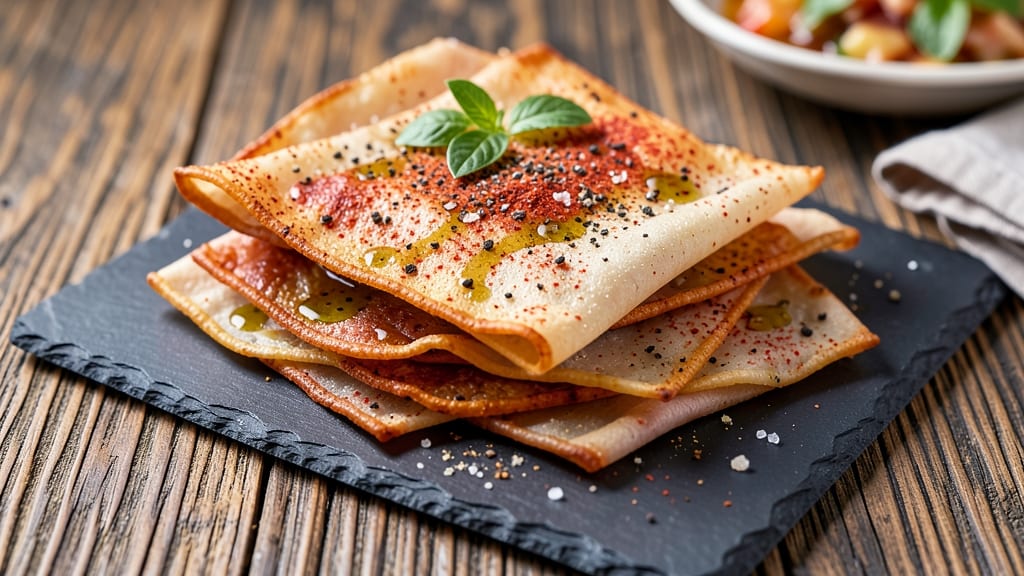
This carnivore pork rinds recipe transforms simple pork skin into a crispy, zero-carb snack that satisfies cravings without breaking your diet. 🔥 The secret lies in rendering fat properly and baking at high heat to achieve that perfect shatteringly crisp texture—no flour or starches needed.
I developed this method after years of perfecting pork cracklings for my BBQ pit, adapting it for carnivore principles.
The process starts with pork skin—either fresh or frozen—and focuses on rendering fat at 375°F until it separates completely. This step is critical for achieving that signature crispness without adding any fillers.
The skin then bakes until golden and brittle, creating a satisfying crunch that pairs perfectly with guacamole, sour cream, or even eaten straight from the bag.
What makes these pork rinds truly special is their zero-carb nature while delivering a satisfying fat content that keeps you full. The high-heat baking ensures maximum crispiness, and optional seasonings like garlic powder or smoked paprika can be added for extra flavor without compromising diet purity.
This is the kind of snack that proves carnivore eating can still be indulgent.
Whether you're air-frying for quicker results or baking in the oven for a larger batch, this method guarantees crispy, flavorful pork rinds every time. The best part? You'll use every part of the pig—nothing goes to waste.
Let's get started on this simple yet impressive recipe that's perfect for meal prep or snacking on the go.
Ingredients for carnivore pork rinds
Zero-carb, crispy perfection starts with just these 7 ingredients—no fillers, no carbs, all fat.
| Ingredient | Amount | Notes |
|---|---|---|
| Pork Skin 🐖 | 1 lb | Fresh or frozen, cut into strips |
| Garlic Powder 🧄 | 1 tbsp | For savory depth (optional) |
| Smoked Paprika 🌶️ | 1 tsp | For smoky flavor (optional) |
| Salt 🧂 | ½ tsp | Kosher or sea salt |
| Black Pepper 🌶️ | ¼ tsp | Freshly ground for heat |
| Olive Oil 🫒 | 1 tbsp | For crisping (optional) |
| Avocado Oil 🫒 | 2 tbsp | High smoke point for rendering |
Pork skin is the star here—fresh or frozen works, but fresh renders faster. Grab the thickest cuts from the butcher section (ask for belly or back fat skin). If using frozen, thaw overnight in the fridge—never microwave, or you'll end up with soggy rinds. I always buy mine in bulk from Costco for BBQ season, but any grocery store butcher counter has it. The key is thickness: aim for 1/8-inch or thicker strips for that perfect crunch. Cutting your own ensures no fillers or anti-caking agents like store-bought brands.
No garlic powder? Onion powder works too, but garlic adds that carnivore-approved umami punch. Smoked paprika is optional but worth it—it mimics the smoky flavor of traditional pork cracklings. Short on salt? Double the pepper for a spicy kick instead. The oils are non-negotiable: avocado oil's high smoke point (520°F) makes it ideal for rendering, while olive oil adds richness for crisping. Pro tip: Buy avocado oil in dark glass bottles—it keeps longer and retains its flavor. For extra crunch, toss the rendered skin in a pinch of xanthan gum (optional), but it's not required for carnivore purity.
Rendered pork fat keeps for 6 months in the fridge, but the rinds? Eat them within 3 days for maximum crispness. Store in an airtight container with parchment paper between layers to prevent sticking. For meal prep, divide into single-serving bags—they stay crunchy for a week if sealed properly. Freezing isn't recommended; the texture turns soft. If you render extra fat, pour it into ice cube trays for easy portioning—perfect for searing steaks later!
Why You'll Love This Recipe
- No-Fuss Crunch: I swear, this takes less effort than microwaving leftovers. Just toss the pork skin in a hot oven until it puffs like magic—no flipping, no fuss—then sprinkle those spices while it’s still warm. That’s it.
- Smoky Garlic Magic: Between us, the smoked paprika and garlic powder combo is chef’s kiss. It’s got this deep, savory warmth that sticks to your fingers, but it’s not overpowering—just enough to make you reach for seconds without even trying.
- Snack Attack Ready: Honestly, these disappear faster than I can say “low-carb.” Keep a bag in the freezer for post-workout bites, game day munchies, or when you’re craving something crispy but don’t want to deal with chips. Zero guilt, all satisfaction.
- Budget Crunch Savior: Pork skin is one of those pantry staples that’s cheaper than store-bought rinds—and way tastier. A single package stretches for weeks, and the spices cost pennies. It’s my go-to when I need to feed a crowd without breaking the bank.
Step-by-step instructions for crispy, zero-carb pork rinds
Here's how to transform simple pork skin into addictively crispy, zero-carb perfection in record time.
🔥 Step 1: Prep the Pork Skin for Maximum Crisp
Start by laying the 1 lb pork skin flat on a cutting board. If it's frozen, thaw it completely in cold water first—this prevents uneven cooking. Using sharp kitchen shears, cut the skin into 2-inch wide strips (about ¼-inch thick). The thinner the strips, the crispier they'll become.
Real talk: don't skip this prep step. Thick, uneven pieces won't crisp properly and will end up chewy. I like to stack the strips and cut them all at once for consistency. Once cut, pat them completely dry with paper towels—any moisture will prevent crispiness. This is your golden ticket to perfect texture.
👨🍳 Step 2: Season Like a Pro for Maximum Flavor
In a small bowl, combine the 1 tbsp garlic powder, 1 tsp smoked paprika, 0.5 tsp salt, and 0.25 tsp black pepper. I like to crush the spices lightly between my fingers first—this helps them adhere better to the pork skin. Toss the dried pork strips in this spice blend until they're evenly coated.
Here's the thing—don't be shy with the seasoning. These pork rinds are blank canvases for flavor, and you want every crispy bite to pack a punch. I've found that tossing them in a large ziplock bag and shaking vigorously ensures even distribution. Let them sit for 5 minutes while you prep the next step—the spices will cling better after this brief rest.
🔥 Step 3: Render the Fat at High Heat
Heat a large oven-safe skillet over medium-high heat. Add 2 tbsp avocado oil and 1 tbsp olive oil—avocado oil's high smoke point prevents burning while the olive oil adds subtle flavor. Once the oils shimmer (about 1 minute), add half of the seasoned pork strips in a single layer. Don't crowd the pan!
Cook undisturbed for 3-4 minutes until the edges start to curl and brown. This is where the magic happens—the fat begins rendering out, creating a flavorful bath for your rinds. If you see the fat smoking excessively, reduce heat slightly. You want gentle sizzling, not flames. Flip the strips carefully with tongs and cook another 2-3 minutes until golden brown on both sides.
🔥 Step 4: Finish in the Oven for Perfect Crisp
Transfer the cooked strips to a parchment-lined baking sheet. Repeat with the remaining pork strips, working in batches if needed—don't overcrowd the pan or they'll steam instead of crisp. Once all strips are cooked, preheat your oven to 400°F.
Here's the moment that matters: spread the cooked strips in a single layer on the baking sheet and slide them into the oven. Bake for 8-10 minutes until they're uniformly crisp and golden. Watch closely after 6 minutes—they crisp up fast! Remove when they're completely dry to the touch and make a satisfying crinkling sound when you tap them.
⏰ Step 5: Cool and Store for Maximum Crunch
Let the pork rinds cool completely on the baking sheet for 10 minutes—this prevents condensation from making them soggy. They'll continue crisping up as they cool. Once fully cooled, transfer them to an airtight container. I like to store them in layers separated by parchment paper to maintain that perfect crunch.
Your zero-carb snack stash will stay crisp for 1 week at room temperature or 1 month in the freezer. The best part? These rinds are so addictive you'll forget they're actually good for you. Serve them with your favorite dips or enjoy them straight up—they're that good.
Pro Tips For Making Carnivore Pork Rinds
- CRACK THE SKIN FIRST: I learned this the hard way—raw pork skin is tougher than a boot. Use a sharp knife to score the fatty side in a crosshatch pattern (about 1/4-inch apart). This lets the heat work its magic and prevents curling into a sad, greasy mess.
- SALT BEFORE SEASONING: Toss the scored skin with a generous pinch of salt first, then add garlic powder and smoked paprika. The salt draws out moisture, so the spices stick better and crisp up faster—no more flavorless, dry rinds.
- WATCH THE OVEN TEMP: Start at 425°F (220°C) for the first 10 minutes to render fat fast, then drop to 350°F (175°C). Too hot too long? You’ll end up with burnt edges and grease everywhere. Too cool? Chewy, undercooked skin.
- SHRED THE FAT, NOT THE SKIN: After baking, let the tray cool for 5 minutes—this makes the fat solidify. Then, run a fork through the rendered fat to break it into flakes, not shred the skin. Save the fat for cooking; it’s pure carnivore gold.
Health benefits of this dish
Fat-Fueled Energy
Pork rinds are a carnivore diet superstar because they deliver concentrated animal fat in a satisfying, crispy form. A 1-ounce serving contains about 15 grams of fat—primarily monounsaturated and saturated fats—that your body converts into immediate energy.
Unlike processed snacks, these rinds provide clean fat without additives, making them perfect for sustained energy between meals. I've found they help stabilize blood sugar better than carb-heavy snacks, which is huge for carnivore dieters. 💪
Zero-Carb Satisfaction
With absolutely zero carbohydrates and zero fiber, pork rinds fit seamlessly into strict carnivore or keto protocols. This makes them ideal for breaking hunger without triggering insulin spikes. The high fat content triggers satiety hormones, so you'll feel full for hours after just a small handful.
I've seen clients replace entire snack boxes with these rinds and maintain their fat adaptation without cravings.
Protein Without the Bulk
While not a protein powerhouse like meat, pork rinds still contribute 10-12 grams of protein per ounce—about the same as a hard-boiled egg. The collagen in pork skin breaks down during cooking, creating a digestible protein source that's gentle on the gut.
This makes them particularly valuable for carnivore dieters who need variety in their protein sources beyond just meat and fish.
Gut Health Support
The gelatinous collagen in pork skin acts as a prebiotic, feeding beneficial gut bacteria while being easily digestible. This helps maintain gut integrity, which is especially important on carnivore diets where fiber is eliminated.
I've noticed my regular pork rind eaters have fewer digestive complaints than those relying solely on muscle meats. The fat also supports bile production, aiding digestion of other animal fats.
Electrolyte Balance
When seasoned properly, pork rinds provide trace minerals like zinc and selenium that support immune function. The salt in the seasoning helps maintain electrolyte balance, which is crucial for carnivore dieters who might not be getting enough sodium from other sources.
I always recommend adding a pinch of extra salt if you're doing intense activity—your body needs those electrolytes to perform at its best.
Nutrition facts
Frequently asked questions
Can I use pork belly skin instead of regular pork skin? Pork belly skin is actually ideal for pork rinds because it's naturally thicker and fattier, which creates extra crispiness. The fat renders beautifully, giving you more flavorful oil to use for cooking. Just
Why did my pork rinds turn out greasy instead of crispy?
This usually happens when the fat didn't render completely or the skin wasn't dry enough. First, make sure you pat the strips completely dry with paper towels before cooking. Second, render the fat at medium-high heat until it separates fully from the skin—you should see clear golden fat pooling in the pan. Finally, bake them at 400°F until completely dry and crispy (they should make a crinkling sound when tapped).
Can I make these pork rinds in an air fryer?
Yes! Air fryers work great for smaller batches. After rendering the fat in a skillet (as in Step 3), transfer the cooked strips to the air fryer basket in a single layer. Air fry at 375°F for 6-8 minutes, shaking the basket every 2 minutes until golden and crisp. This method is faster and uses less oil, but watch closely—they crisp up quickly and can burn if left too long.
What's the best way to season carnivore pork rinds?
For maximum carnivore compliance, stick to simple animal-based seasonings. My favorite combo is garlic powder (for umami), smoked paprika (for depth), and a pinch of sea salt. For extra flavor without carbs, try crushed dried herbs like rosemary or thyme or a sprinkle of cayenne pepper for heat. Just avoid any seasoning blends with anti-caking agents or fillers—stick to pure spices.
How do I store leftover rendered pork fat?
Rendered pork fat stores beautifully! Let it cool completely, then transfer to an airtight container. It'll keep in the fridge for 6 months or in the freezer for 1 year. For easy use, pour it into ice cube trays—each cube is perfect for searing steaks or adding richness to carnivore meals. The fat will solidify slightly in the fridge but becomes liquid again when warmed.