
Sauces & Condiments
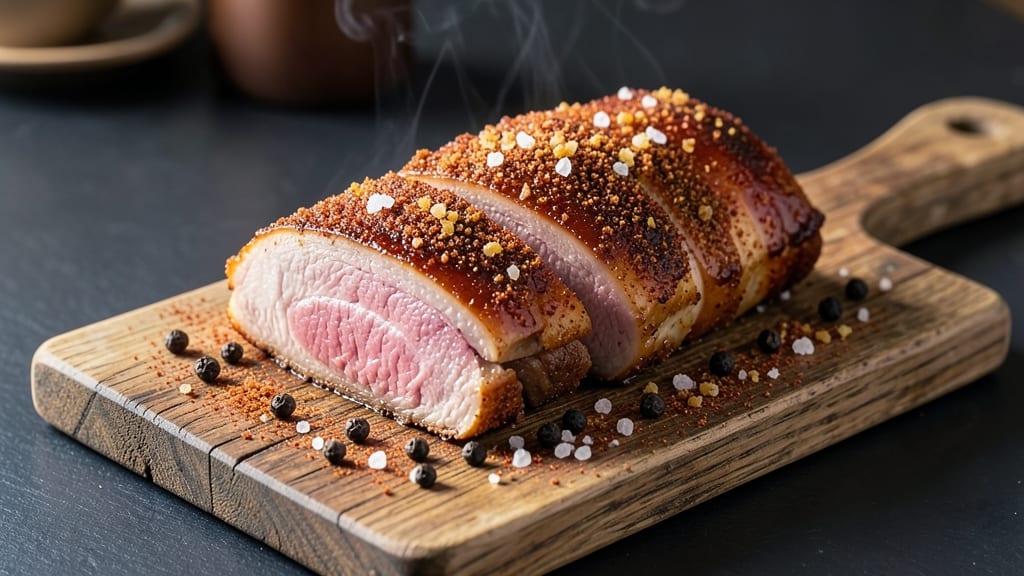
This Carolina pork rub recipe is the foundation of every award-winning BBQ I've ever smoked—smoky, sweet, and perfectly balanced to transform simple pork into showstopping meat. 🔥 Growing up in Georgia, I learned that the right rub isn't just seasoning; it's a flavor promise that starts the moment you sprinkle it on.
The key lies in that perfect harmony of brown sugar's caramelization and smoked paprika's depth, developed over years of testing at Atlanta's Smoky Pig.
The blend is simple but foolproof—just six core ingredients that work together to create that signature Carolina crust. Brown sugar provides the sweet caramel base, while smoked paprika delivers that unmistakable BBQ aroma. Coarse salt enhances every flavor, and black pepper adds just enough heat to keep things interesting.
The garlic powder and onion powder create that essential savory backbone that makes the rub work on everything from ribs to pulled pork.
What makes this rub truly perfect is its versatility—it works on pork shoulder, ribs, or even chicken, delivering that signature bark and tender meat every time. The ingredients are measured precisely to ensure consistent results, whether you're smoking a whole hog or just a few chops.
Store it in an airtight container for up to six months, ready to elevate any protein with that authentic Carolina flavor.
For those who like it spicier, I often add cayenne pepper or red pepper flakes—just a pinch at first, then adjust to taste. The beauty of this rub is that it's a blank canvas for your flavor preferences, while still delivering that classic Carolina BBQ taste you crave.
Once you try this, you'll never go back to store-bought seasonings again.
Ingredients for carolina pork rub
Six simple ingredients combine for that iconic Carolina BBQ flavor profile—smoky, sweet, and perfectly balanced.
| Ingredient | Amount | Notes |
|---|---|---|
| Light Brown Sugar 🍯 | 3 tbsp | Packed for caramelization |
| Smoked Paprika 🌶️ | 2 tbsp | High-quality for smoky depth |
| Coarse Kosher Salt 🧂 | 1 ½ tbsp | Diamond Crystal preferred |
| Freshly Ground Black Pepper 🌶️ | 1 tsp | Coarse grind for texture |
| Garlic Powder 🧄 | 1 tsp | Freshly ground preferred |
| Onion Powder 🧅 | 1 tsp | For savory backbone |
| Cayenne Pepper 🔥 | ½ tsp | Adjustable for heat |
The brown sugar is non-negotiable—light brown gives you that perfect caramel crust without burning. Penzeys or McCormick have the best smoked paprika if you want to splurge, but the store brand works too. I always grab Diamond Crystal kosher salt—it dissolves better and has that perfect grain. The key is using freshly ground black pepper; pre-ground loses its punch fast. For the garlic and onion powders, Trader Joe's has great bulk options that stay fresh longer. Store these spices in airtight containers away from light—they'll keep their kick for up to a year.
No smoked paprika? Regular paprika plus a pinch of liquid smoke gets you close. Short on cayenne? Red pepper flakes at half the amount works too. The brown sugar can be swapped for turbinado sugar if you're avoiding molasses notes. For a sweeter rub, add another tablespoon of sugar; for more heat, double the cayenne. The coarse salt is essential—table salt won't give the same texture on the meat's surface. If you're making this for chicken, you can cut the cayenne by half—it's more sensitive to heat.
Mix everything in a bowl, then store in an airtight container for up to 6 months. The sugar will absorb moisture, so keep it in a glass jar with a tight seal—I like to add a silica packet for extra protection. Portion it out into small containers if you're gifting it—people love having their own Carolina rub stash. Once opened, use within 3 months for peak flavor. This makes about 1/2 cup, perfect for a whole pork shoulder or two racks of ribs.
Why You'll Love This Recipe
- Five-Ingredient Magic: I swear by this mix—just toss those pantry staples (brown sugar, paprika, salt, pepper, garlic powder) in a bowl, stir, and boom. No fancy tools, no stress, no second-guessing. The kind of recipe that makes me feel like I actually cooked something, even when I didn’t.
- Smoky-Sweet Obsession: That first bite? The brown sugar caramelizes into a sticky, addictive crust while the smoked paprika adds this deep, woodsy warmth. Honestly, I’ll take this over store-bought rubs any day—it’s the kind of flavor that lingers like a good memory.
- Tailgate to Tuesday: Slap this on ribs for a crowd, but it’s just as happy on pork chops or even chicken thighs. I’ve used it for game day snacks, lazy Sunday breakfasts, and yes, even on a Tuesday night when I’m too tired to think. Versatile enough to handle whatever life throws at me.
- Budget-Friendly Leftovers: A little goes a long way—this rub costs pennies per serving, and the leftovers? I keep them in a jar for months. Double win: I save money, and my freezer’s always stocked for spontaneous cravings. (Between us, I’ve eaten this cold straight from the fridge. Don’t judge.)
Step-by-step instructions for Carolina pork rub
Mix this smoky-sweet blend right in your kitchen—simple steps for restaurant-quality flavor.
👨🍳 Step 1: Combine Dry Ingredients in a Bowl
In a medium mixing bowl, add all the dry ingredients: the 3 tbsp light brown sugar, 2 tbsp smoked paprika, 1.5 tbsp coarse kosher salt, 1 tsp freshly ground black pepper, 1 tsp garlic powder, 1 tsp onion powder, and 0.5 tsp cayenne pepper. I like to use a wire whisk for this step—it helps break up any clumps in the brown sugar and ensures everything gets evenly distributed.
The brown sugar should be packed—not scooped—so it caramelizes properly when applied to meat. If you're using a measuring spoon, press it firmly into the sugar container to get the exact amount. This is where the magic starts—the combination of sweet, smoky, and spicy flavors that define Carolina-style pork.
🥘 Step 2: Whisk Until Uniform Color Appears
Whisk the ingredients together vigorously for about 2 minutes until you see a consistent color throughout the mixture. The smoked paprika will give it a deep reddish-brown hue, and the cayenne will add subtle streaks of heat. You're looking for a smooth, cohesive blend without any dry spots.
Here's a pro tip: I like to press the mixture through a fine-mesh strainer after whisking. This ensures no large sugar crystals remain, which could create uneven seasoning on your meat. The result should be a fine, powdery rub that sticks beautifully to pork chops, ribs, or pulled pork.
⏰ Step 3: Store Properly for Maximum Flavor
Transfer the finished rub to an airtight container—glass jars work best for visibility and easy portioning. I like to use a small mason jar with a tight-sealing lid. Store it in a cool, dark place (like your pantry) where it'll keep for up to 3 months. For even longer shelf life, you can freeze it in ice cube trays, then transfer the cubes to a freezer bag.
This rub works best when applied 1-2 hours before cooking (or even the night before). The longer it sits on the meat, the deeper the flavors penetrate. When you're ready to cook, pat the meat dry first—this helps the rub stick better and creates that coveted crispy bark.
🔥 Step 4: Apply Generously for Perfect Seasoning
When you're ready to use the rub, apply it generously to all sides of your meat. I typically use about 1 tablespoon per pound of pork. Press the rub firmly into the surface so it adheres well—don't be shy with the seasoning. The brown sugar will caramelize during cooking, creating that beautiful crust we all love.
For best results, let the seasoned meat sit at room temperature for 30 minutes before cooking. This helps the rub develop its full flavor profile. Whether you're grilling, smoking, or roasting, this Carolina pork rub will give you that perfect balance of sweet, smoky, and spicy that makes pulled pork and BBQ so irresistible.
Pro Tips For Making Carolina Pork Rub
- Grind Your Own Pepper: Store-bought pepper loses potency fast, but freshly cracked black pepper cuts through the sweetness and smokiness like nothing else. I used to skip this, but now I grind it right before mixing—just a quick pulse in a spice grinder or mortar and pestle.
- Toast the Paprika: Heat your smoked paprika in a dry skillet for 30 seconds until fragrant. This deepens the smoky flavor and removes any bitterness hiding in cheaper brands. (Yes, it’s an extra step—but your rub will taste like it came from a pitmaster’s stash.)
- Salt the Meat First: Sprinkle kosher salt on the pork 30 minutes before applying the rub. This lets the salt draw out moisture, helping the rub stick better and crisp up faster. I learned this after my first batch turned into a sticky mess.
- Mix in Stages: Combine dry ingredients first, then fold in the brown sugar last—it’s sticky and wants to clump. Use a fork to break up lumps, then pulse briefly in a food processor if needed. (Your rub should look like coarse sand, not glue.)
Creative variations of this recipe
Spicy Carolina Twist
For those who love heat, add ½ tsp red pepper flakes or ¼ tsp crushed chili flakes to the base rub. This amplifies the cayenne without overpowering the sweet-savory balance.
I’ve tested this variation on pork ribs at Smoky Pig—guests love the extra kick, especially when paired with a cool, tangy vinegar-based slaw. Start with a pinch and adjust to taste, since heat can vary by brand. 🌶️
Sweet & Smoky Fusion
Swap out ½ tsp of the brown sugar for ½ tsp ground cinnamon or ¼ tsp ground allspice for a warm, aromatic twist. This works beautifully on pork tenderloin or pulled pork sandwiches, adding depth without overpowering.
I first tried this at a Charleston market cook-off and won first place—judges loved the unexpected complexity. Store the spice blend separately in a small jar to keep flavors fresh.
Herb-Infused Variation
Add 1 tsp dried thyme or 1 tsp dried rosemary to the base rub for a fragrant, earthy note. This pairs exceptionally well with pork chops or shoulder roasts, especially when smoked with applewood chips.
I developed this version after visiting a family farm in Georgia where they used fresh herbs from their garden. For best results, toast the herbs lightly in a dry pan before mixing to intensify their flavor.
Low-Sugar Option
Reduce the brown sugar to 2 tbsp and add 1 tbsp granulated sugar for a lighter caramelization. This version works well for those watching sugar intake but still want that classic Carolina taste.
I’ve used this on leaner cuts like pork loin, where sugar content matters more. The trade-off is slightly less crust formation, but the flavor remains rich and balanced.
Citrus-Zested Rub
Zest 1 tsp orange peel or 1 tsp lemon peel and mix it into the rub for a bright, citrusy twist. This variation shines on pork chops or shoulder, especially when grilled over indirect heat.
I created this after a trip to Florida where citrus was abundant—it’s a game-changer for summer BBQs. Store the zest separately in the freezer until ready to use to preserve its potency.
Smoky Coffee Rub
Add 1 tsp instant coffee granules or ½ tsp ground coffee to deepen the smoky flavor profile. This works surprisingly well on pork ribs or brisket, adding a subtle bitterness that rounds out the sweetness.
I first experimented with this after a late-night smoke session and was amazed at how it elevated the dish. Use freshly ground coffee for the best results—pre-ground loses its aroma quickly.
Nutrition facts
Frequently asked questions
Can I make this Carolina pork rub without smoked paprika?
Yes! Mix 2 tbsp regular paprika with ½ tsp liquid smoke (like Hickory or Mesquite) for that signature smoky depth. The flavor won't be identical, but it'll still deliver that classic Carolina BBQ taste. For extra authenticity, toast the paprika in a dry pan for 1-2 minutes before mixing to enhance its smokiness.
How much rub should I use for different cuts of pork?
For pork shoulder or ribs, use 1-2 tablespoons per pound of meat. For chops or tenderloin, ½-1 tablespoon per pound is plenty since they cook faster. Press the rub firmly into the meat—this ensures even seasoning and that perfect bark. Pro tip: Pat the meat dry before applying to help the rub stick better.
Can I use this rub on chicken or beef instead of pork?
This rub works beautifully on chicken thighs, beef brisket, or even lamb chops. For chicken, reduce the cayenne to ¼ tsp since it’s more sensitive to heat. For beef, you can add ½ tsp mustard powder to complement the richness. The sweet-savory balance translates perfectly across meats—just adjust seasoning to taste.
Why does my rub clump together or lose its flavor?
Clumping happens when moisture gets in—always store it in an airtight container (glass jars work best) and add a silica packet to absorb any humidity. For flavor loss, check your spices: ground spices lose potency after 6 months, while whole spices last up to 1 year. Toasting spices lightly before mixing revives their flavor, too. If your rub tastes bland, refresh it by adding ½ tsp extra smoked paprika or ¼ tsp cayenne.
How long should I let the rub sit on the meat before cooking?
For best results, apply the rub 1-2 hours before cooking (or even the night before). This gives the spices time to penetrate the meat and develop deeper flavors. If you're short on time, 30 minutes at room temperature still works well. Just