
Main Courses
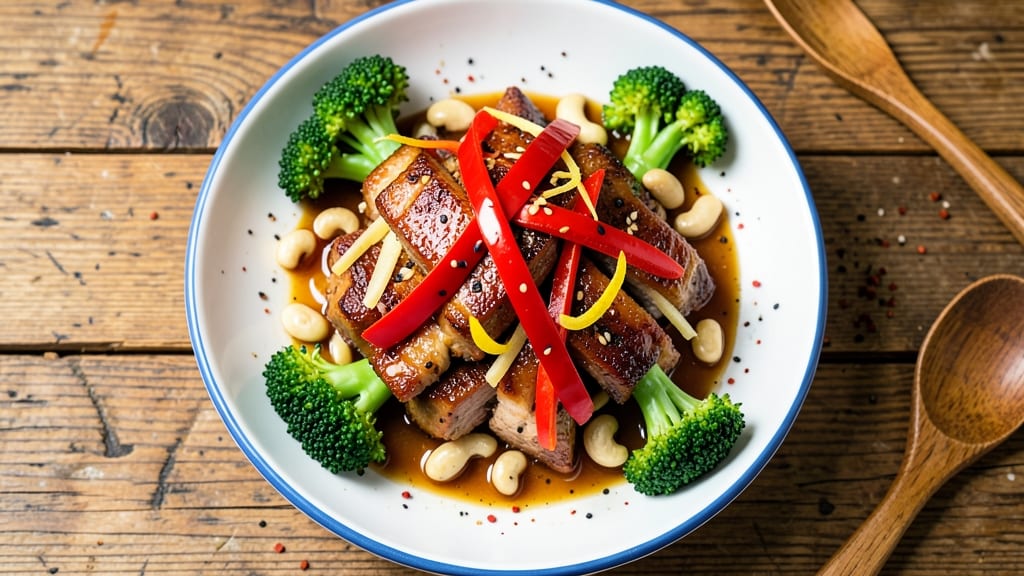
This cashew pork stir fry recipe delivers restaurant-quality flavor in just 25 minutes—where tender pork, crisp cashews, and a tangy-sweet sauce create a perfect balance of textures and tastes.
The secret lies in the cashews, which add a satisfying crunch while mellowing into the sauce, creating that signature nutty-sweet harmony. I developed this recipe after years of perfecting stir-fry techniques, ensuring every bite delivers the right mix of savory, sweet, and umami.
The key to success is high-heat searing for that signature caramelized crust on the pork, followed by a quick toss in the sauce to lock in flavors.
Unlike many stir-fry recipes that rely on pre-made sauces, this version uses a simple blend of soy, ginger, and a touch of honey—no complicated ingredients, just bold flavor. The cashews toast in the wok alongside the pork, absorbing the sauce and adding depth to every bite.
By the time you plate this dish, you'll have golden-brown pork strips, crisp cashews scattered throughout, and a glossy sauce that clings to every piece. The vegetables stay crisp-tender, adding freshness to the rich pork and sauce.
This is the kind of weeknight dinner that feels special—no fuss, just flavor. The technique is straightforward, but the results are anything but basic.
Perfect for feeding a family or meal prepping for the week, this stir-fry scales easily while keeping its restaurant-quality appeal. The cashews not only add texture but also create a satisfying contrast that makes this dish unforgettable. Let's get cooking!
Ingredients for cashew pork stir fry
Pork, cashews, and bold Asian flavors come together for a restaurant-worthy stir-fry.
| Ingredient | Amount | Notes |
|---|---|---|
| Boneless Pork Loin 🥩 | 1 ½ lb | Cut into 1-inch strips |
| Raw Cashews 🥜 | 1 cup | Unsalted, whole or halves |
| Red Bell Pepper 🌶️ | 1 whole | Sliced into thin strips |
| Broccoli Florets 🥦 | 2 cups | Cut into bite-sized pieces |
| Fresh Ginger 🌿 | 1 tbsp | Finely grated, peeled |
| Garlic Cloves 🧄 | 4 cloves | Minced, peeled |
| Soy Sauce 🍶 | ½ cup | Low-sodium preferred |
| Honey 🍯 | 2 tbsp | Pure, unprocessed |
| Sesame Oil 🫒 | 1 tbsp | Toasted, for aroma |
| Vegetable Oil 🫒 | 2 tbsp | High smoke point |
| Green Onions 🧅 | 3 whole | Sliced thin, for garnish |
| Diamond Crystal Kosher Salt 🧂 | ½ tsp | For seasoning |
| Ground Black Pepper 🌶️ | ¼ tsp | Freshly ground |
The pork loin is the foundation—look for well-marbled cuts at Whole Foods or your local butcher for optimal tenderness. Slice it 1-inch thick strips against the grain for maximum tenderness. Fresh ginger and garlic should be vibrant and aromatic—if they smell stale, replace them. Trader Joe's carries pre-grated ginger in jars, but fresh is always superior. The cashews must be raw and unsalted—toasted in the wok, they develop that signature crunch while absorbing the sauce. For the bell pepper, red or yellow works best—they hold up better to high heat than green.
No fresh ginger? Substitute 1 teaspoon of ground ginger, but the texture and depth won't be identical. Short on soy sauce? Coconut aminos work in a pinch, though the flavor profile shifts slightly. The honey adds that signature sweetness—agave nectar is a 1:1 substitute if you prefer vegan. Sesame oil is non-negotiable for aroma, but if you're avoiding it entirely, 1 teaspoon of toasted sesame seeds sprinkled at the end adds a similar nutty note. The broccoli can be swapped for snap peas or zucchini if you prefer, but broccoli's slight bitterness balances the sweetness beautifully.
Pork strips should be used within 2 days for best texture—store them airtight in the fridge. The cashews and vegetables keep for up to 5 days in the crisper drawer. For meal prep, assemble the stir-fry just before reheating to maintain crispness. The sauce components (soy, honey, sesame oil) can be pre-mixed and stored for up to 1 week in the fridge. Freeze the sauce separately for up to 3 months if you're prepping ahead. Garnish with green onions right before serving to preserve their freshness.
Why You'll Love This Recipe
- One-Pan Magic: I swear by this recipe when I’m too tired to scrub pots—just toss everything on one pan, stir, and walk away. The pork stays juicy, the cashews add crunch without extra bowls, and the bell pepper sweetens up as it cooks. (Yes, even on a Tuesday night.)
- Nutty-Sweet Crunch: Between us, the raw cashews are the secret weapon—chewy, toasty, and packed with flavor without needing to be blanched or soaked first. That fresh ginger? It cuts through the richness and makes the pork taste like it’s been slow-cooked, not stir-fried.
- Lunchbox Hero: This recipe doubles perfectly for lunches—pack the leftovers in containers, and you’ve got a protein-packed meal for days. My kids actually eat the broccoli (don’t ask how), and the pork stays tender even after reheating. Bonus: it’s the only stir-fry I make that doesn’t turn soggy.
- Budget Meal Maker: Pork loin stretches further than you’d think, and cashews add luxury without breaking the bank. I buy them in bulk, toast them in the same pan as the pork, and suddenly, a simple weeknight dinner feels like a restaurant dish. Honestly, it’s my go-to when I’m trying to feed the family without draining the wallet.
Step-by-step instructions for cashew pork stir fry
Master this wok technique for perfect texture and flavor balance every time.
Prep and Marinate the Pork for Maximum Tender Crisp
Cut the 1.5 lb boneless pork loin into 1-inch strips against the grain for maximum tenderness. Place the pork in a bowl and combine with 0.5 cup soy sauce, 2 tbsp honey, 1 tbsp sesame oil, 0.5 tsp kosher salt, and 0.25 tsp black pepper. Mix thoroughly, then let it marinate for at least 15 minutes—this ensures deep flavor penetration and prevents dryness during cooking.
While the pork marinates, toast the 1 cup raw cashews in a dry skillet over medium heat for 2-3 minutes until fragrant. Remove and set aside—this enhances their nutty flavor and prevents them from absorbing too much oil later. The cashews should be warm but not browned; they'll finish cooking in the stir-fry.
Stir-Fry the Pork Until Fully Cooked
Heat 2 tbsp vegetable oil in a wok or large skillet over high heat until shimmering. Add the marinated pork in a single layer and cook undisturbed for 2-3 minutes until the edges turn golden. Here's the thing—don't stir immediately. This creates a better sear and prevents the pork from turning mushy. Once the pork releases easily from the pan, stir-fry for another 2-3 minutes until fully cooked through.
Remove the pork and set it aside on a plate. The residual heat will keep it warm while you prepare the vegetables. If the pork releases too easily before browning, your heat isn't high enough—crank it up and try again. Proper searing builds flavor foundation for the dish.
Cook the Vegetables in Stages for Perfect Texture
In the same wok, add a bit more vegetable oil if needed and stir-fry the 1 tbsp grated ginger and 4 minced garlic cloves for 30 seconds until fragrant. Add the 1 whole red bell pepper (sliced into thin strips) and stir-fry for 2 minutes until slightly softened but still vibrant. Remove the pepper and set aside with the pork.
Increase the heat to high and add the 2 cups broccoli florets. Stir-fry for 2-3 minutes until bright green and just tender-crisp. The broccoli should retain its crunch—overcooking turns it mushy. Add the reserved red bell pepper back to the wok and toss everything together for 1 minute to meld the flavors.
Combine Everything for the Final Stir-Fry
Return the pork to the wok and combine with the vegetables. Add the toasted 1 cup raw cashews and toss everything together for 1-2 minutes until evenly coated and heated through. The cashews should be warm but not fully cooked—this preserves their crunch. Taste and adjust seasoning if needed, adding a splash of water if the mixture seems too dry.
Real talk: This is where the magic happens. The combination of tender pork, crisp cashews, and vibrant vegetables creates the perfect texture contrast. If the stir-fry looks too dry, add 1-2 tablespoons of water and toss quickly to steam the vegetables slightly—this adds moisture without diluting the flavors.
Finish with Garnish and Serve Immediately
Transfer the stir-fry to serving plates and garnish with 3 thinly sliced green onions. The green onions add a fresh, bright finish that cuts through the richness of the pork and cashews. Serve immediately while everything is hot—cashew pork stir-fry tastes best fresh off the wok.
Each bite should deliver perfectly seared pork, crunchy cashews, and tender vegetables all coated in that sweet-savory sauce. The dish should be balanced—sweet from the honey, savory from the soy sauce, and nutty from the cashews. If the sauce is too thin, reduce it slightly next time by cooking the pork longer before removing it from the pan.
Pro Tips For Making Cashew Pork Stir Fry
- Slice Pork Thinly First: I learned this the hard way—thick slices of pork loin won’t cook through in a stir-fry, no matter how hot your pan gets. Use a sharp knife or better yet, a meat slicer, to cut against the grain into ¼-inch strips. They’ll cook faster and stay tender, not chewy.
- Toast Cashews 2 Minutes: Raw cashews taste bland and soak up oil like a sponge. Toss them in a dry pan over medium heat for 2 minutes until golden—just until you smell that nutty aroma. Skip this, and they’ll turn into flavorless mush in your stir-fry.
- Prep Broccoli Last: Broccoli cooks faster than pork and cashews, so cut it into small florets and set it aside until the very end. Toss it in for just 1-2 minutes—any longer, and it’ll turn to mush. (Yes, even if you’re impatient like me.)
- Use High Heat Early: Start with a screaming-hot wok or skillet—this isn’t the time for gentle simmering. Once the pork hits the pan, crank the heat to max and don’t back off until it’s seared. That’s when the flavors wake up. (Your future self will thank you.)
Storing and reheating this cashew pork stir fry
Fridge Storage Tips
Store your cooked cashew pork stir-fry in an airtight container for up to 3 days in the fridge. I recommend using glass Pyrex containers with snap-on lids—they preserve flavors better than plastic. Let the stir-fry cool completely before refrigerating to prevent condensation, which can make the cashews soggy. 🥫
To maintain the best texture, divide the stir-fry into single-serving portions. The cashews and vegetables stay crispest when stored separately from the pork if you plan to reheat them together later.
I keep the sauce components (soy, honey, sesame oil) in a small sealed container—they can be mixed fresh when reheating.
Freezer Prep
For longer storage, freeze the stir-fry for up to 3 months. Spread components on a tray first to freeze individually, then transfer to quart-sized freezer bags with all air squeezed out.
Label with the date—trust me, you'll forget otherwise! The cashews will soften slightly but still add texture when reheated properly. 🧊
Freeze the pork and vegetables separately from the sauce. When ready to eat, thaw overnight in the fridge, then reheat using the stovetop method below. The sauce can be frozen separately and added fresh when reheating for maximum flavor.
Stovetop Reheating
This is my preferred method—it brings back that restaurant-quality texture. Heat a skillet over medium-high heat with 1 teaspoon vegetable oil. Add the thawed stir-fry components (pork, veggies, cashews) and toss for 3-4 minutes until everything is heated through.
Add 1 tablespoon water if it looks dry, then finish with a drizzle of fresh sesame oil and green onions. 🔥
For extra crispiness, add the cashews last—toss them in for just 30 seconds at the end. The residual heat will crisp them up again. If reheating from fridge, add 1 extra minute to ensure everything reaches 165°F internally for food safety.
Microwave Shortcut
When you're in a rush, use the microwave with caution. Cover the dish with a damp paper towel and heat on 70% power for 2-3 minutes, stirring halfway.
The microwave tends to make cashews rubbery, so I only recommend this for quick lunches—not ideal for dinner parties. Add a splash of water if it looks dry. ⏰
For best results, combine microwave reheating with stovetop finishing. Microwave for 1 minute, then transfer to a skillet for 1 minute to crisp the cashews. This two-step method preserves more texture than either method alone.
Meal Prep Strategy
I make a double batch every Sunday for easy weeknight meals. Store components separately in mason jars—pork and veggies in one, sauce in another, and cashews in a small container.
When ready to eat, simply toss everything together in a hot skillet. This keeps your stir-fry tasting fresh all week. 📅
For extra flavor, add a splash of rice vinegar or lime juice when reheating. The acidity brightens up the flavors that can dull after storage. Serve with steamed jasmine rice or cauliflower rice to complete the meal.
Nutrition facts
Frequently asked questions
Can I substitute chicken for pork in this recipe?
Chicken breast or thigh works beautifully—just reduce the cooking time to 3-4 minutes total (chicken cooks faster than pork). Use 1 lb boneless chicken instead, and cut it into ½-inch strips for even cooking. The cashew sauce will complement the chicken just as well, though pork adds a richer, meatier texture.
Why do my cashews turn soggy during cooking?
Soggy cashews usually mean they absorbed too much oil or moisture. Toast them separately over medium heat for 2-3 minutes before adding to the stir-fry, then add them last for just 30 seconds of tossing. Also, avoid overcrowding the pan—cook the pork and veggies in batches if needed to maintain high heat.
What's the best way to make this gluten-free?
Replace the soy sauce with ½ cup gluten-free tamari or coconut aminos (use ⅓ cup since it's saltier). For extra umami, add 1 tbsp gluten-free fish sauce or ½ tsp xanthan gum to thicken the sauce. Xanthan gum is optional but helps mimic the body of traditional soy sauce.
Can I make this spicier?
Add ½ tsp chili flakes or 1 tbsp sriracha to the sauce, or stir in 1 minced Thai chili with the garlic. For heat lovers, toss in 1 tbsp chopped jalapeño with the veggies. Remember, cashews mellow spice—balance with extra honey if needed to keep the sweet-savory harmony.
How do I adjust this for meal prep?
Cook the pork and veggies separately, then store in airtight containers for up to 5 days. Keep the sauce in a separate jar and add fresh sesame oil when reheating. To maintain crunch, toast raw cashews for 1 minute in a dry pan right before serving. Pro tip: Use mason jars—they keep everything fresh and make assembly easy!