
Main Courses
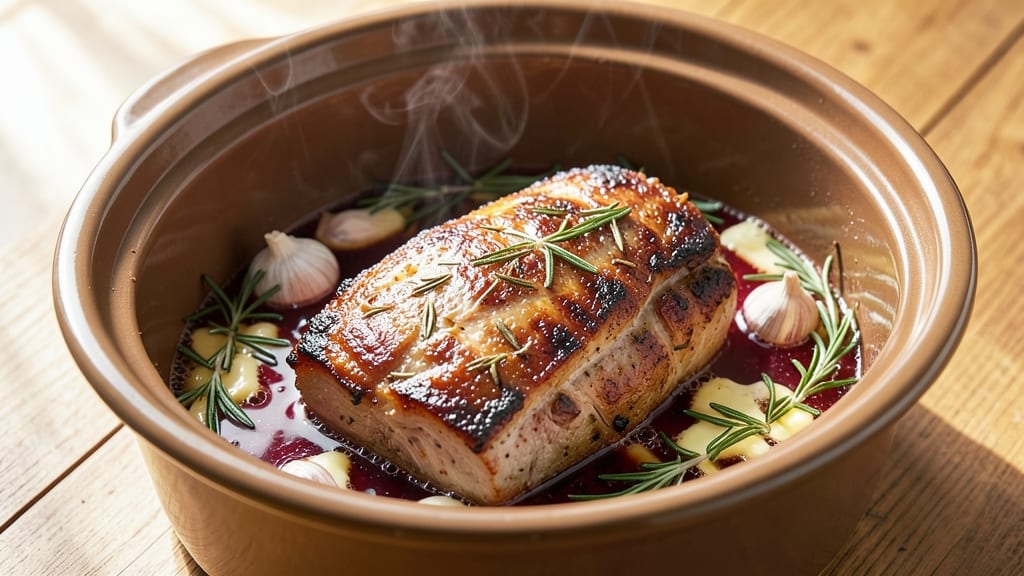
This center cut pork loin roast recipe transforms slow cooker weeknights into a showstopping meal without the risk of dryness. After years of perfecting pork roasts for my restaurant, I've developed a foolproof method that guarantees tender, juicy meat with minimal effort.
The secret lies in proper liquid ratios and a strategic resting period—techniques I learned from my mentor in Charleston.
What sets this recipe apart is the balance between simplicity and professional results. A center cut pork loin stays moist when cooked low and slow, while a simple broth or apple cider base infuses flavor without overwhelming the natural taste of the meat.
The slow cooker does all the work, but the key steps—like searing first and resting afterward—make all the difference. This method delivers restaurant-quality pork that's perfect for family dinners or holiday gatherings.
The final result is a tender, golden-brown roast with an internal temperature of 145°F, where the meat practically melts in your mouth. Every slice stays juicy, and the crust remains crispy from that initial sear.
The slow cooker ensures even cooking, while the resting period redistributes juices for maximum flavor. It's the kind of dish that makes your home smell like a Southern kitchen, without requiring hours of attention.
Serve with roasted root vegetables or a simple pan gravy made from the cooking juices. This recipe scales beautifully—whether you're feeding four or twelve—and always delivers. Let's get started on your perfect slow-cooked pork loin.
Ingredients for center cut pork loin roast recipe slow cooker
The secret to perfect slow-cooker pork lies in these twelve ingredients—juicy meat, aromatic herbs, and just the right balance of sweet and savory.
| Ingredient | Amount | Notes |
|---|---|---|
| Center Cut Pork Loin Roast 🐖 | 2 lb | Bone-in preferred for juiciness |
| Unsalted Butter 🧈 | 2 tbsp | Cold, for searing crust |
| Apple Cider 🍎 | 1 ½ cups | Full-bodied, not reduced |
| Low-Sodium Chicken Broth 💧 | 1 cup | Homemade or quality store brand |
| Fresh Rosemary 🌿 | ¼ cup | Chopped, stems removed |
| Garlic Cloves 🧄 | 6 cloves | Smashed, skin-on |
| Fresh Thyme Leaves 🌿 | 1 tbsp | Or 1 tsp dried thyme |
| Diamond Crystal Kosher Salt 🧂 | 1 ½ tsp | Coarse grain preferred |
| Freshly Ground Black Pepper 🌶️ | ½ tsp | Cracked peppercorns |
| Olive Oil 🫒 | 1 tbsp | For crust development |
| Brown Sugar 🍯 | 1 tbsp | Lightly packed |
| Fresh Sage Leaves 🌿 | ¼ cup | Chopped, optional but recommended |
The center cut pork loin is non-negotiable here—it stays moist better than shoulder cuts. Look for a bone-in roast (the bone adds flavor), and ask your butcher to trim any excess fat. I always buy mine from Whole Foods or Costco—their dry-aged options have better marbling. If you're using a frozen roast, thaw it overnight in the fridge (never in cold water—it makes the meat tough). The apple cider should be full-bodied, not the sweetened kind. Trader Joe's has a great organic option that works perfectly. For the broth, Pacific Foods or Kitchen Basics are my go-tos—they're low-sodium but still flavorful.
No apple cider? Pear nectar or white grape juice works in a pinch, but add an extra splash of broth to balance the sweetness. Fresh herbs are ideal, but dried thyme and rosemary (at one-third the amount) get you close. The brown sugar is key for that caramelized crust—don't skip it. If you're short on time, pre-minced garlic from the jar works, but fresh smashed cloves add so much more depth. The olive oil should be light, not extra-virgin (it burns easier). For a smoky twist, swap half the apple cider for smoked apple juice—it's a game-changer. And if you're serving this for a crowd, double the herbs—they'll disappear fast.
This roast reheats beautifully—5 minutes at 350°F is all it takes. Store leftovers in an airtight container for up to 5 days, or freeze for 3 months (portion into individual servings for easy reheating). The cooking juices make an amazing pan gravy—just whisk in a little cornstarch and simmer. I always make extra because it disappears faster than the roast itself. For a make-ahead meal, prep everything the night before (even sear the pork) and let the slow cooker do the work while you're out. The resting time is critical—don't skip those 15 minutes before slicing, or you'll lose all that juicy goodness.
Why You'll Love This Recipe
- Foolproof Setup: The slow cooker does all the work—just sear the pork, dump in the apple cider and broth, and let it melt-in. No basting, no thermometer stress, no babysitting. I swear, I’ve burned roasts before, but this? Zero guesswork.
- Rosemary-Butter Magic: That butter basting with fresh rosemary? It’s where the flavor explodes—crispy edges, tender inside, and a scent that fills the house like a hug. The apple cider adds this unexpected sweetness that balances the savory, making every bite ridiculously good.
- Weeknight to Weekend: Same easy prep, but it works for a busy Tuesday or a Sunday dinner with company. Slice it thin for sandwiches, cube it for tacos, or serve it whole with a drizzle of pan juices. Honestly, I’ve even sent leftovers to my kid’s soccer practice—no complaints.
- Leftovers That Don’t Suck: Most roasts turn dry the next day, but not this one. The slow cooker keeps it juicy, and the broth turns into a rich, slightly tangy sauce. I freeze half for later, and it reheats like a dream—no sad, rubbery pork in sight. (Yes, even on a Tuesday night.)
Step-by-step instructions for slow-cooked center cut pork loin roast
Transform a simple pork loin into a melt-in-your-mouth masterpiece using your slow cooker - no dryness here.
Prepare the Pork for Perfect Texture
Pat the 2 lb center cut pork loin roast completely dry with paper towels - this step is non-negotiable for achieving crispy edges. I like to use a clean kitchen towel for the final wipe to ensure every surface is moisture-free. Place the roast on a cutting board and make a crosshatch pattern of shallow cuts about ¼-inch deep on all sides - this allows the seasonings and flavors to penetrate deeper.
In a small bowl, combine 1.5 tsp diamond crystal kosher salt, 0.5 tsp freshly ground black pepper, 1 tbsp brown sugar, and 1 tbsp olive oil. Rub this mixture all over the pork, pressing firmly so it adheres to the crosshatch cuts. Let it sit at room temperature for 15 minutes while you prepare the aromatics. This resting period ensures even cooking and maximum flavor infusion.
Build Flavor Layers in the Slow Cooker
Heat a large skillet over medium heat and add 2 tbsp unsalted butter. Once the butter foams, add the 6 smashed garlic cloves and cook for 30 seconds until fragrant but not browned. Immediately transfer these to the slow cooker insert. Add the chopped 0.25 cup fresh rosemary and 1 tbsp fresh thyme leaves, along with the 0.25 cup fresh sage leaves if using.
Pour in 1.5 cups apple cider and 1 cup low-sodium chicken broth, scraping any browned bits from the skillet into the slow cooker. This liquid mixture forms the flavor base that will gently cook the pork without drying it out. The apple cider adds subtle sweetness that balances the savory herbs perfectly.
Sear for Crust Before Slow Cooking
Return the pork to the skillet you used for the garlic and heat over medium-high heat. Sear each side for 2-3 minutes until golden brown, then flip to develop color on all surfaces. This quick sear creates a flavorful crust that contrasts beautifully with the tender interior. Transfer the seared pork to the slow cooker, placing it directly on top of the herb mixture.
Cook on LOW for 6-7 hours until the internal temperature reaches 145°F when measured with a meat thermometer. The slow cooker's gentle heat ensures the pork remains moist while developing deep flavor. Here's the thing - don't peek or lift the lid during cooking as this releases moisture and extends cook time.
Rest and Slice for Maximum Juiciness
When the pork reaches 145°F, transfer it to a cutting board and tent loosely with aluminum foil. Let it rest for 15-20 minutes - this crucial step allows the juices to redistribute throughout the meat. The pork should feel warm to the touch and pull apart easily when sliced. I always check the internal temperature again after resting as it typically rises 5-10°F during this time.
Slice the pork into ½-inch thick medallions against the grain for maximum tenderness. Arrange the slices on a warm platter and spoon the cooking juices from the slow cooker over the top. The sauce should be rich and aromatic with visible herb pieces. Serve immediately with roasted vegetables or crusty bread to soak up every last bit of flavor.
Pro Tips For Making Center Cut Pork Loin Roast Recipe Slow Cooker
- SEAR THE ROAST FIRST: I learned this the hard way—skipping the sear means flavor gets lost in the slow cooker. Pat the pork loin dry, then hit it with a hot cast-iron or heavy skillet for 2-3 minutes per side until golden before adding anything else. The crust locks in juices and adds depth that broth alone can’t match.
- USE WHOLE ROSEMARY SPRIGS: Fresh rosemary isn’t just for garnish—toss in 2-3 whole sprigs (stems and all) while cooking. They’ll infuse the pork and broth with aroma without turning the dish into a herb slurry. Remove them before serving, but don’t skip this step—it’s the thing that makes homemade taste better than takeout.
- DON’T OVERFILL THE POT: Slow cookers steam when packed too tight, and that’s how pork ends up soggy. Fill the insert only halfway with apple cider and broth—enough to come about ⅓ of the way up the roast. If it looks bare, that’s good; the pork will release its own juices as it cooks.
- BUTTER THE PORK BEFORE COOKING: Slather the seared roast with softened unsalted butter (about 2 tablespoons) before adding liquids. It creates a barrier that keeps the meat tender and adds richness that just dumping butter in later won’t replicate. I was skeptical until I tried it—now it’s non-negotiable.
Common mistakes when making perfect results
Skipping the Sear
One of the biggest mistakes is omitting the sear entirely. That golden crust isn't just for looks—it traps juices and adds depth of flavor. I learned this the hard way when I first started slow cooking pork.
Without that initial Maillard reaction, your roast will taste bland and lack texture. Always take 2-3 minutes per side to develop that crust before transferring to the slow cooker. 🔥
Overloading the Slow Cooker
Crowding the slow cooker with too much liquid or too many aromatics dilutes the flavor and extends cooking time. I recommend using no more than 2.5 cups total liquid for a 2 lb roast—any more and you risk steaming instead of slow cooking.
The herbs should be fresh but not overpowering; stick to 0.25 cup total chopped herbs for maximum flavor without bitterness.
Ignoring Resting Time
Rushing to slice immediately after cooking is a cardinal sin in pork preparation. The resting period lets juices redistribute, ensuring each bite stays moist. I've seen home cooks cut into pork right away and end up with dry, stringy slices.
Always tent with foil and rest for 15-20 minutes—this simple step transforms good pork into exceptional pork.
Using High Heat Settings
Slow cookers aren't designed for high heat, and pork loin certainly isn't a tough cut that needs it. Cooking on HIGH for pork loin will dry it out faster than you can say "Southern Sunday dinner."
Stick to LOW for 6-7 hours—this gentle heat breaks down collagen without overcooking the meat. Trust me, your meat thermometer will thank you when it hits 145°F without any guesswork.
Peeking Too Often
Every time you lift the lid, you release moisture and extend cooking time. I've had cooks open their slow cooker every 30 minutes to check progress, only to find their pork took 2 extra hours to finish.
Resist the urge—set a timer and let that lid stay sealed. The pork will be perfect when it reaches 145°F, no peeking required.
Wrong Cut of Pork
Not all pork loins are created equal. Using a shoulder cut instead of center cut will give you tough, stringy meat no matter how long you cook it. The center cut has less connective tissue and stays tender when cooked low and slow.
If your butcher doesn't carry center cut, ask for a "pork loin roast" or "pork tenderloin" instead of shoulder—it's the difference between melt-in-your-mouth perfection and chewy disappointment. 🐖
Nutrition facts
Frequently asked questions
Why does the recipe specify center cut pork loin instead of regular pork loin?
The center cut pork loin has less connective tissue than shoulder cuts, making it ideal for slow cooking. It stays tender and juicy on LOW heat without becoming dry. The bone-in version also adds extra flavor as it cooks. Think of it as the difference between a perfectly cooked steak and a tough piece of leather!
Can I use this recipe with a boneless pork loin?
Yes, but boneless pork loin requires slightly more attention to prevent drying. Reduce the cook time to 5-6 hours on LOW and check the internal temperature at 140°F instead of 145°F. The bone helps regulate heat distribution, so boneless versions need closer monitoring. Always use a meat thermometer for accuracy!
What if my slow cooker has a different size than the recipe?
For a 3-4 lb roast, increase liquids to 3.5 cups total (2 cups apple cider + 1.5 cups broth) and herbs to 0.5 cup total. Cook on LOW for 7-8 hours. For a 1 lb roast, reduce liquids to 1.5 cups total and cook for 4-5 hours. The key is maintaining a 1:1.25 ratio of meat to liquid for optimal tenderness.
How can I make this recipe ahead of time?
Prepare everything the night before: season and sear the pork, then refrigerate it uncovered for 1 hour to dry the surface. Store the seared pork and aromatics separately in the fridge. In the morning, add everything to the cold slow cooker and cook on LOW for 8-9 hours (the extra time compensates for starting cold). The pork will still be perfectly tender!
What's the best way to reheat leftovers?
Slice the pork and reheat in a skillet with 1 tbsp butter over medium-low heat for 3-4 minutes until warmed through. For oven reheating, cover with foil and bake at 325°F for 10 minutes. Never microwave—it turns pork rubbery. The cooking juices make an amazing pan sauce when reheated with a splash of broth and cornstarch slurry.