
Main Courses
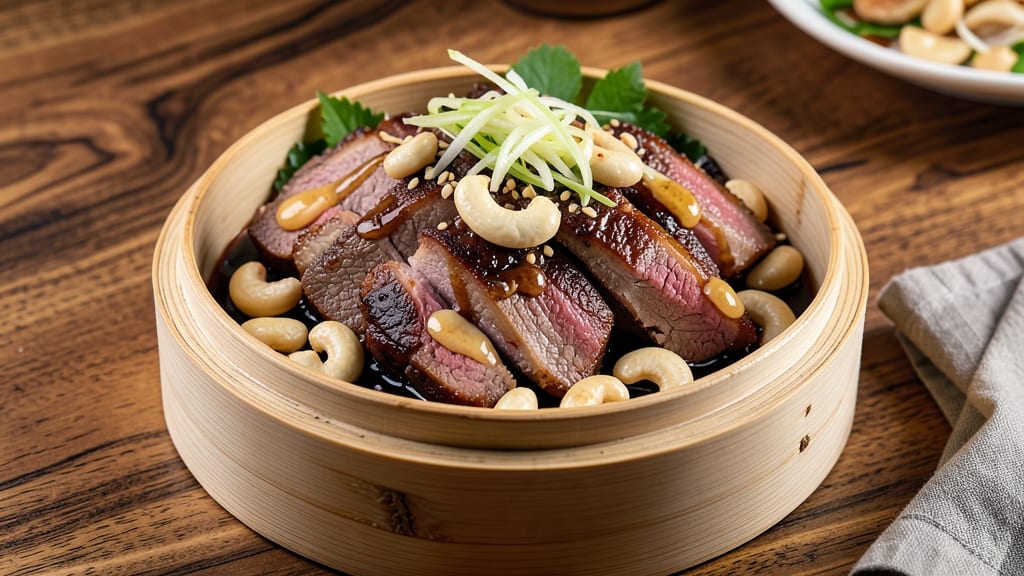
This Chinese cashew pork recipe delivers the perfect harmony of tender pork, crunchy cashews, and a sweet-savory sauce that's impossible to resist. 💛 After years of perfecting the balance between crispy edges and melt-in-your-mouth pork, I've developed a method that transforms simple ingredients into a restaurant-worthy dish.
The secret lies in marinating the pork just right and achieving that signature caramelized glaze without burning the sauce.
What sets this recipe apart is the way the cashews become part of the sauce itself, creating pockets of nutty crunch in every bite. The sauce is a delicate balance of sweet and tangy flavors, with just enough heat to keep things interesting.
I've tested this recipe countless times, adjusting the ratios until the pork stays tender while the sauce develops that perfect glossy finish. It's the kind of dish that tastes even better the next day, making it ideal for meal prep.
The result is a plate that's as visually stunning as it is delicious—golden-brown pork pieces glistening with sauce, topped with whole cashews that add both texture and a satisfying crunch.
The aroma alone will have everyone gathered around your table, and the first bite delivers that perfect combination of sweet, savory, and nutty flavors that define this classic dish. This is comfort food at its finest, with just the right amount of sophistication.
Whether you're serving this for a family dinner or impressing guests, the technique is straightforward but the results are restaurant-quality. The pork stays juicy, the sauce clings perfectly, and those cashews provide that essential crunch that makes this dish unforgettable. Let's get cooking—your taste buds will thank you.
Ingredients for chinese cashew pork
Crispy pork, nutty crunch, and a glossy sauce that'll have everyone begging for seconds.
| Ingredient | Amount | Notes |
|---|---|---|
| Pork Shoulder 🥩 | 1 ½ lb | Cut into 1-inch cubes |
| Cashews 🥜 | ½ cup | Whole, unsalted, toasted |
| Fresh Ginger 🌿 | 1 ½ tbsp | Finely grated, peeled |
| Garlic Cloves 🧄 | 6 cloves | Minced, fresh preferred |
| Soy Sauce 🥄 | ⅓ cup | Light or all-purpose |
| Brown Sugar 🍯 | ¼ cup | Packed, light brown preferred |
| Rice Vinegar 🍶 | ¼ cup | White or seasoned |
| Sesame Oil 🫒 | 1 ½ tbsp | Toasted, not flavored |
| Cornstarch 🌾 | 1 tbsp | For thickening sauce |
| Vegetable Oil 🫒 | ½ cup | For frying pork |
| Red Chili Flakes 🌶️ | 1 tsp | Adjust for spice preference |
| Salt 🧂 | 1 tsp | Kosher or sea salt |
| Black Pepper 🌶️ | ½ tsp | Freshly ground |
The pork shoulder is your secret weapon—look for well-marbled cuts at the butcher counter, not pre-cut packages. Costco or Whole Foods usually have the best quality. If you can't find whole cashews, Trader Joe's sells pre-toasted ones that save time. Fresh ginger and garlic are non-negotiable here—they make all the difference in flavor. I always double-check the ginger root for soft spots before buying, and Asian markets often have the freshest selection. Toast your cashews in a dry pan for 3-4 minutes until fragrant—that aroma is everything.
No soy sauce? Coconut aminos works in a pinch, but it's sweeter so reduce the brown sugar slightly. Running out of rice vinegar? Apple cider vinegar gives a similar tang. The cornstarch can be swapped for arrowroot powder at the same amount. For extra richness, add 1 tbsp of hoisin sauce to the sauce mixture. If you're making this ahead, store the sauce separately until ready to use—it thickens as it cools. The cashews can be toasted the day before and kept in an airtight container.
This dish tastes even better the next day—plan ahead and make extra. The pork stays tender for 3-4 days in the fridge, and the sauce keeps for 5 days (just reheat gently). For freezing, portion the pork and sauce separately—freeze for up to 3 months. I always make double batches because it disappears fast. The sauce thickens when cold, so add a splash of water when reheating if it's too stiff. Serve over steamed rice for the full experience.
Why You'll Love This Recipe
- Pork in 20 Minutes: I swear, this is the only time I’ve ever cooked pork shoulder and had it ready before the kids’ soccer practice ended. Thin slices, quick stir-fry—no waiting for hours to tenderize.
- Crunchy-Creamy Magic: That toasted cashew crunch against the tender pork? It’s like a flavor hug. The ginger and garlic cut through the richness, making every bite feel special without trying too hard.
- Leftover Hero: Between us, this recipe begs to be made in bulk. The flavors deepen overnight, and reheated with a splash of soy sauce? It’s basically a second meal with zero effort.
- Budget-Friendly Feast: Pork shoulder stretches across meals, and a small bag of cashews adds luxury for pennies. Honestly, I’ve served this to guests who assumed it cost twice as much—no one ever asks for the recipe.
Step-by-step instructions for Chinese cashew pork
Here's how to make this addictive dish with crispy pork and nutty, sweet-savory sauce.
🔥 Step 1: Fry the Pork Until Golden and Tender
Heat the 0.5 cup vegetable oil in a large skillet over medium-high heat until shimmering but not smoking. Pat the 1.5 lb pork shoulder cubes completely dry with paper towels—this ensures maximum crispiness. Working in batches (don't overcrowd), add the pork and fry for 4-5 minutes per side until deep golden brown and cooked through.
Here's the thing—you want the pork to develop that perfect crust while staying juicy inside. The cubes should release easily from the pan when ready. Transfer the fried pork to a paper towel-lined plate to drain excess oil. Keep the pork warm while you make the sauce—just don't let it sit too long or it'll get soggy.
👨🍳 Step 2: Build the Flavor-Packed Sauce
In the same skillet (no need to clean it—the browned bits are flavor gold), reduce heat to medium and add 1.5 tbsp sesame oil. Toss in the 1.5 tbsp finely grated fresh ginger and 6 cloves minced garlic, cooking for 30 seconds until fragrant—don't let them burn! Add the 1 tsp red chili flakes and stir for 10 seconds to toast them slightly.
Now pour in the 0.33 cup soy sauce, 0.25 cup brown sugar, and 0.25 cup rice vinegar. Bring to a gentle simmer and cook for 3-4 minutes until the sugar dissolves completely. Taste and adjust seasoning with the 1 tsp salt and 0.5 tsp black pepper—this is where the magic happens!
🥘 Step 3: Thicken the Sauce and Combine
In a small bowl, whisk together the 1 tbsp cornstarch with 2 tablespoons water until smooth. Slowly pour this mixture into the simmering sauce while stirring constantly. Keep cooking for 1-2 minutes until the sauce thickens to a glossy, coatable consistency—it should cling to the back of a spoon.
Return the fried pork to the skillet and toss gently to coat everything in the sauce. Sprinkle the 0.5 cup toasted cashews over everything and toss one final time. The cashews should be evenly distributed and slightly toasted from the residual heat. This is where the texture contrast comes to life—crunchy nuts against tender pork!
⏰ Step 4: Rest and Serve Perfectly
Transfer the Chinese cashew pork to a serving platter and let it rest for 5 minutes. This brief resting period allows the juices to redistribute, ensuring every bite is moist and flavorful. The sauce will thicken slightly as it cools—if it's too thick, simply stir in a splash of hot water to loosen it.
Garnish with extra toasted cashews and a drizzle of sesame oil for that restaurant-quality finish. Serve immediately over steamed rice—watch as the sauce clings beautifully to each strand. The combination of crispy pork, nutty crunch, and that perfect balance of sweet, salty, and umami flavors makes this dish irresistible!
Pro Tips For Making Chinese Cashew Pork
- BLANCH THE CASHEWS: Toss raw cashews in boiling water for 30 seconds first—this softens them just enough to soak up the sauce without turning to mush. I used to skip this and ended up with crunchy bits that didn’t blend in. Works even with shelled nuts, no peeling required.
- SALT THE PORK TWICE: Generously salt the pork shoulder before searing, then again after stir-frying—this builds flavor layer by layer. My grandmother swore by this, and she was right: the meat stays juicy while absorbing the soy sauce better.
- STIR-FRY IN BATCHES: Don’t overload the pan—cook the pork in two rounds if needed. Crowding steams the meat instead of browning it, and you’ll end up with soggy edges. High heat is your friend here, even if it takes an extra minute.
- SAVE THE GINGER JUICE: After grating the ginger, squeeze out the excess liquid with a paper towel—this keeps the sauce from getting watery. I learned this the hard way when my first batch turned into a thin glaze instead of a sticky coating.
Common mistakes when making your chinese cashew pork
Overcrowding the Pan
This is the #1 mistake I see home cooks make—adding all the pork cubes at once. When you overcrowd the pan, the pork steams instead of searing, resulting in soggy edges and uneven cooking. The oil temperature drops significantly, which means your pork won't develop that beautiful golden crust.
I always fry in batches of 3-4 cubes at a time, giving each piece room to breathe and crisp up properly. 🔥
Skipping the Resting Time
Many people can't resist diving in immediately after cooking, but letting the pork rest for 5 minutes makes all the difference. This crucial step allows the juices to redistribute throughout the meat, preventing them from pooling on your plate.
I've seen dishes go from juicy perfection to dry disappointment simply because someone skipped this step. Trust me, those 5 minutes are worth the wait!
Using Pre-Sliced Pork
Store-bought pre-cut pork shoulder often contains more fat and connective tissue than butcher-cut pieces, which can make the meat tougher and less flavorful. When you buy whole cuts from your local butcher, you can select the most tender sections yourself.
I always ask for the most marbled portion—that fat renders during cooking and keeps the meat juicy. If you must use pre-cut pork, trim as much visible fat as possible before cooking.
Burning the Ginger and Garlic
These aromatic ingredients need just 30 seconds to release their flavors, but many people let them sit too long and turn bitter. The moment you add ginger and garlic to the hot pan, start your timer and keep stirring constantly.
When they're properly toasted, they'll smell incredible and add depth to your sauce. Burnt ginger and garlic will make your entire dish taste off—trust your nose on this one!
Under-Toasting the Cashews
Many recipes just toss in raw cashews at the end, but properly toasted cashews add an entirely different dimension to the dish. I always toast mine in a dry skillet for 3-4 minutes until they're fragrant and slightly golden.
This extra step creates that perfect crunch and nutty aroma that makes this dish so special. Plus, toasted cashews taste fresher and more vibrant than raw ones straight from the bag.
Over-Thickening the Sauce
Some cooks add too much cornstarch, resulting in a gluey, pasty sauce that sticks to your plate instead of coating the pork beautifully. The sauce should coat the back of a spoon but still flow smoothly. I recommend adding the cornstarch slurry gradually while stirring constantly.
If it thickens too much, just add a splash of water to loosen it up. The perfect sauce should cling to the pork without being cloying. ✨
Nutrition facts
Frequently asked questions
Can I substitute chicken or beef for the pork in this recipe?
The recipe is designed specifically for pork shoulder because its fat content and texture work perfectly with the sauce. Chicken would dry out too quickly, while beef would need much longer cooking times. If you're determined to use chicken, try boneless thighs and cut them into ½-inch pieces, then reduce the cooking time to 2-3 minutes per side.
How do I make this dish less sweet?
Reduce the brown sugar to 2 tablespoons instead of ¼ cup and add 1 extra tablespoon of rice vinegar to balance the flavors. You can also increase the red chili flakes to 1.5 teaspoons for a spicier kick that cuts through sweetness. Taste as you go—adjust gradually!
Can I make this recipe in a slow cooker?
Not traditionally, but you can adapt it! Brown the pork first in a skillet, then transfer it to the slow cooker with all sauce ingredients (except cornstarch). Cook on low for 3-4 hours, then thicken the sauce separately with cornstarch. The texture will be different—more tender than crispy—but still delicious.
What's the best way to reheat leftovers?
Reheat gently in a skillet over low heat with 1 tablespoon of water to prevent drying. Stir frequently until warmed through (3-4 minutes). For microwave reheating, cover with a damp paper towel and heat in 30-second intervals, stirring between each. The sauce may thicken further—add a splash of water if needed.
Why are my cashews not crunchy?
Cashews lose crunch when exposed to moisture or heat for too long. Toast them fresh in a dry pan just before adding to the dish, and keep them separate from the sauce until the very end. If they soften during cooking, sprinkle extra toasted cashews on top right before serving for that essential crunch.