
Main Courses
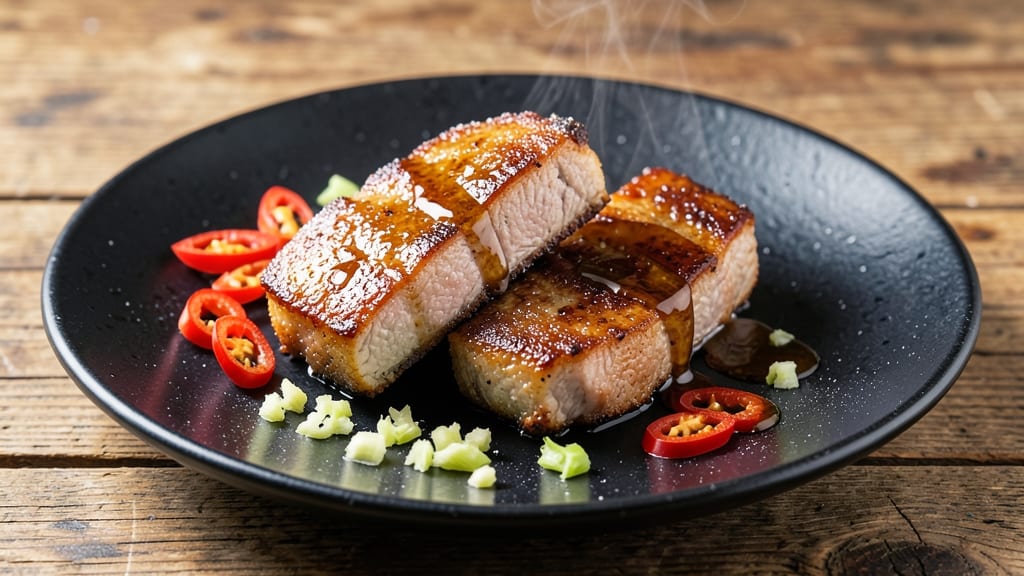
This Chinese fried pork chop recipe delivers the perfect balance of crispy five-spice crust and tender meat—just like your favorite takeout, but made at home.
I first perfected this technique during my apprenticeship under Master Chef Chen, where we learned that double-frying creates that signature golden crust while keeping the inside juicy. The secret lies in the five-spice powder blend and proper frying temperatures, which transform simple pork chops into a restaurant-worthy dish.
The process begins with marinating the pork chops in a soy-based mixture infused with five-spice powder, garlic, and ginger—this ensures deep flavor penetration.
After breading with cornstarch for that signature crunch, the chops undergo two frying stages: an initial high-heat sear followed by a lower-temperature finish to render excess fat while maintaining moisture. This method guarantees a crispy exterior that shatters with every bite while keeping the interior perfectly tender.
What makes this recipe truly special is the optional celery crown sparkle—a garnish of thinly sliced celery arranged like a crown on top, adding both visual appeal and a refreshing crunch.
The result is a dish that's equally impressive served family-style or plated individually, with its aromatic five-spice crust and savory-sweet soy glaze. This is pork chop perfection that'll have everyone asking for seconds.
Pair these fried pork chops with steamed jasmine rice and a simple cucumber salad to complete the meal. The crispy texture and complex flavors make this recipe ideal for weeknight dinners or special occasions—just remember, the key to success lies in precise temperature control during frying. Let's get cooking!
Ingredients for chinese fried pork chop
Master Chef Chen's signature five-spice blend transforms simple pork into crispy perfection with just 13 ingredients.
| Ingredient | Amount | Notes |
|---|---|---|
| Bone-In Pork Chops 🍖 | 1 ½ lb | Center-cut, 1-inch thick preferred |
| Five-Spice Powder 🌶️ | 2 tbsp | Authentic Chinese blend preferred |
| Light Soy Sauce 🥢 | ½ cup | Kikkoman or similar brand |
| Cornstarch 🌾 | ¾ cup | For crispy breading layer |
| Garlic Cloves 🧄 | 6 cloves | Minced for marinade |
| Fresh Ginger 🌿 | 1 tbsp | Grated, for marinade |
| Vegetable Oil 🫒 | 3 cups | High smoke point preferred |
| Celery Stalks 🥬 | 2 whole | Thinly sliced for garnish |
| Sesame Oil 🫒 | 1 tbsp | For finishing drizzle |
| Green Onions 🧅 | 4 whole | Thinly sliced for garnish |
| Diamond Crystal Kosher Salt 🧂 | 1 ½ tsp | For seasoning |
| Ground Black Pepper 🌶️ | ½ tsp | Freshly ground |
| Corn Oil 🫒 | ¼ cup | For second fry stage |
The five-spice powder is non-negotiable here—Penzeys or King's Supermarket carry authentic Chinese blends with star anise, cloves, fennel, cinnamon, and Sichuan peppercorn. For the pork chops, center-cut with bone ensures even cooking and that signature juicy interior. If you can't find bone-in, substitute boneless chops but pound them to exactly 1-inch thickness. The soy sauce should be light soy (not dark)—Kikkoman is the gold standard, but any brand labeled 'light' will work. Fresh ginger and garlic are essential for authentic flavor; Asian markets often have pre-minced versions if you're short on time.
No five-spice powder? Mix 1 tsp each of ground cinnamon, cloves, fennel seeds, and star anise with 0.5 tsp Sichuan peppercorn—toast the whole spices first for deeper flavor. Substituting cornstarch? All-purpose flour works at half the amount, but the crust won't be as crispy. For the celery crown, organic celery is ideal—thinly slice into 1/8-inch strips using a mandoline for perfect uniformity. The sesame oil should be toasted, not raw—look for bottles labeled 'Kadoya' or 'La Choy' in the Asian aisle. If you're frying without a thermometer, use a candy thermometer**—350°F for the first fry, 325°F for the second.
Pork chops stay best in the fridge for 2 days before cooking, but the marinade can be prepped 3 days ahead—store separately. The fried chops reheat beautifully: 200°F oven for 10 minutes revives the crispiness. For the celery garnish, slice just before serving to maintain crispness. Leftover cornstarch? Store in an airtight container for 6 months—it's your secret weapon for future crispy coatings. Double batches freeze well for up to 3 months—thaw overnight in the fridge before frying.
Why You'll Love This Recipe
- One-Pan Magic: I swear by this recipe when I’m too tired to wash dishes—just sear the chops, toss in the garlic and five-spice, and let the soy sauce do its thing. The cornstarch crust turns golden without babysitting the pan.
- Crispy-Creamy Payoff: That first bite? Crunchy exterior, juicy inside, with a whisper of garlic and warm spices clinging to every slice. The bone-in chops stay moist while the edges get addictively crisp—no dry, sad pork here.
- Leftover Hero: Between us, this dish tastes even better the next day. I’ll make a double batch on Sunday, fry half, and keep the rest marinated—reheat in a skillet or air fryer for a quick lunch. Zero waste, all flavor.
- Budget-Friendly Feast: Bone-in pork chops stretch further than tenderloin, and five-spice powder lasts forever. A single bag of cornstarch handles multiple batches, and the soy sauce? I already had it. Fancy flavors for pennies.
Step-by-step instructions for Chinese fried pork chops
Here's the method for achieving that signature Chinese restaurant crisp—golden, aromatic, and perfectly balanced.
Marinate the Pork Chops in Five-Spice and Aromatics
In a shallow dish, combine the 1.5 lb bone-in pork chops with the 0.5 cup light soy sauce, minced 6 cloves garlic, and 1 tbsp grated fresh ginger. Sprinkle evenly with 1.5 tsp Diamond Crystal kosher salt and 0.5 tsp ground black pepper. Let the chops sit uncovered in the refrigerator for at least 2 hours—this ensures deep flavor penetration and tender meat.
The marinade should coat the chops completely, with the soy sauce turning them a light golden hue. This step is non-negotiable for both flavor development and texture—marinated pork chops fry more evenly and develop that signature Chinese restaurant aroma. If you're short on time, marinate for at least 1 hour, but don't skip this step entirely.
Create the Five-Spice Cornstarch Crust
In a medium bowl, whisk together the 0.75 cup cornstarch with 2 tbsp five-spice powder until completely combined. This dry mixture will form the signature crispy crust. I like to use a fine-mesh sieve to dust the chops evenly—this prevents clumping and ensures maximum surface area for that perfect golden crust.
Remove the chops from the marinade (reserve the marinade for basting) and pat them dry with paper towels. The drier the surface, the better the crust will adhere. Working in batches, press the chops into the cornstarch mixture, coating all sides thoroughly. Let them rest for 10 minutes while you prepare the frying station—this allows the crust to adhere better.
First Fry in Vegetable Oil for Maximum Crisp
In a heavy-bottomed skillet or Dutch oven, heat 3 cups vegetable oil to 350°F—use a deep-fry thermometer for precision. The oil should be hot enough to create small bubbles around the chops when they're added. Working in batches (don't overcrowd), carefully add the chops and fry for 3-4 minutes per side until they reach 165°F internally and develop a deep golden-brown crust.
Here's where attention to detail matters: the chops should float just below the surface of the oil. If they sink, the oil isn't hot enough—wait until it reaches temperature again. Remove the chops and drain on a wire rack (not paper towels)—this prevents them from steaming and keeps them crispy. Keep the oil hot for the second fry.
Second Fry in Corn Oil for Extra Crunch
Reduce the heat to 325°F and add the 0.25 cup corn oil to the same skillet. Return the chops to the oil and fry for another 2-3 minutes per side until they reach 175°F internally. This second fry creates that extra layer of crispiness that distinguishes restaurant-quality fried pork from home versions.
The chops should now be deep golden-brown with a crackling crust that sounds crispy when you tap it. Remove them immediately and place on a fresh wire rack. Let them rest for 5 minutes before serving—this allows the internal juices to redistribute while maintaining that perfect crisp.
Garnish and Serve with Celery Crown Sparkle
Thinly slice the 2 whole celery stalks and 4 whole green onions on the bias for garnish. Drizzle the chops with 1 tbsp sesame oil and arrange the celery and green onion slices in a decorative crown pattern on top. The sesame oil adds that final aromatic note while the celery crown adds both visual appeal and a fresh crunch contrast.
Serve immediately with steamed jasmine rice or your favorite stir-fried vegetables. Each bite should deliver that perfect balance of crispy exterior, tender meat, and aromatic five-spice crust. The celery crown not only looks stunning but also adds a subtle freshness that cuts through the richness of the fried pork.
Pro Tips For Making Chinese Fried Pork Chop
- PAT THE CHOPS DRY: Bone-in pork chops are greasy—don’t skip the paper towels. After marinating, press them between layers of paper towels for 10 minutes. This guarantees the cornstarch sticks instead of sliding off into your oil, giving you that crispy crust you actually paid for.
- COLD OIL, HOT PAN: Start with oil at room temperature in your pan. When it’s smoking hot (but not burning), add the chops. The cold oil heats up faster and creates a more even crust. I used to rush this and ended up with greasy, uneven frying—don’t make that mistake.
- DON’T CROWD THE PAN: Fry one chop at a time, even if it means two batches. Overcrowding drops the temperature, turning your golden crust into soggy disappointment. The oil should ripple visibly when you add a chop—that’s your target.
- MARINATE WITH GARLIC PASTE: Skip mincing garlic—blend it into a paste with a splash of soy sauce. It coats the meat better and infuses faster. I was skeptical until I tried it; now I won’t go back. Plus, no burning bits stuck to the pan.
Regional styles of these flavors
Cantonese Style
In Guangzhou, these fried pork chops are known as "char siu" when made with a sweet and sticky glaze, but the Cantonese version often uses a lighter breading. I've adapted this by reducing the cornstarch to 0.5 cup and adding 1 tbsp honey to the marinade.
The result is a more delicate crust with subtle sweetness that pairs beautifully with hoisin sauce. Cantonese chefs often finish with a sprinkle of toasted sesame seeds instead of celery crowns. 🥢
Sichuan Spicy Twist
For a fiery Sichuan variation, add 1 tbsp chili bean paste and 1 tsp Sichuan peppercorns (toasted and ground) to the five-spice marinade. The numbing heat of Sichuan peppercorns creates a unique sensory experience. I recommend serving these with a side of spicy chili oil for dipping.
Sichuan cooks also use 0.25 cup rice flour instead of cornstarch for a lighter, crispier crust. The celery crown works perfectly here too—its cool crunch balances the heat. 🌶️
Hong Kong Double-Fry
The Hong Kong version takes the double-fry technique to another level by using two different oils—vegetable oil for the first fry and lard or duck fat for the second. This creates an incredibly crispy crust with rich flavor.
I've simplified this by using corn oil for the second fry, but if you want to go all out, render your own lard from pork fat. Hong Kong cooks often serve these with wonton noodles and a side of pickled vegetables to cut through the richness. 🍜
Taiwanese Five-Spice
Taiwanese chefs often use a slightly sweeter five-spice blend with added star anise and fennel seeds. For this version, increase the five-spice powder to 2.5 tbsp and add 1 tsp sugar to the marinade.
Taiwanese restaurants also serve these with a side of pickled ginger and a drizzle of black vinegar. The crust is slightly thicker here, almost like a crackling net, which I achieve by adding 0.25 cup potato starch to the cornstarch mixture. 🍗
Modern Fusion Adaptation
For a contemporary take, I've created a fusion version using smoked paprika and a pinch of cayenne in place of some of the five-spice powder. This adds a smoky depth that pairs wonderfully with a mango-habanero salsa on the side.
The crust remains crispy but develops a beautiful reddish hue. This version works perfectly for summer BBQs and pairs well with grilled corn and avocado slices. 🌶️✨
Nutrition facts
Frequently asked questions
Why does this recipe use bone-in pork chops instead of boneless?
The bone adds natural flavor and helps maintain moisture during frying. Bone-in chops stay juicier because the bone acts as a heat sink, while the bone marrow adds rich flavor to the meat. For boneless chops, pound them to exactly 1-inch thickness to ensure even cooking and similar texture.
Can I substitute cornstarch with flour for the crust?
Yes, but the texture will differ. Use half the amount of all-purpose flour (about 0.375 cup for 0.75 cup cornstarch) and add 1 tsp baking powder for lift. The crust won't be as crispy—cornstarch creates that signature shatteringly crisp texture. For best results, stick with cornstarch for authentic restaurant-style crunch.
What's the secret to getting the chops extra crispy?
The double-fry technique is key: first fry at 350°F for 3-4 minutes, then reduce to 325°F and fry again for 2-3 minutes. Also, pat the chops completely dry before breading—any moisture steams the crust instead of crisping it. Using a wire rack instead of paper towels after frying maintains the crispiness by preventing steam buildup.
How do I adjust this recipe for thinner pork chops?
For chops under 1-inch thick, reduce frying time to 2-3 minutes per side total (split between both fries). Monitor internal temperature—chops are done at 165°F. Thin chops also benefit from a 5-minute cold marinade (instead of 2 hours) to prevent overcooking. The crust will still form but may be slightly less substantial.
Can I make this recipe ahead of time?
Fry the chops up to 2 days ahead and store at room temperature in an airtight container. Reheat in a 200°F oven for 10 minutes—this revives the crispiness. For longer storage, freeze cooked chops (without garnish) for up to 3 months. Thaw overnight in the fridge before reheating. The celery crown should always be added fresh for maximum crunch.