
Soups & Stews
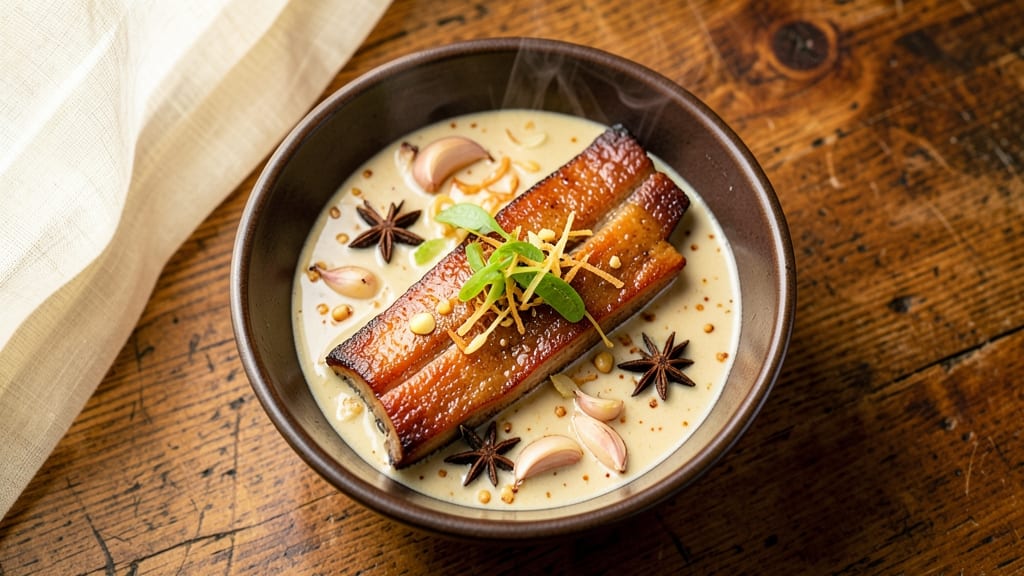
This Chinese peanut pork ribs soup recipe delivers nutty-spiced comfort in every steaming bowl, blending tender fall-off-the-bone ribs with creamy peanut sauce and aromatic spices.
After perfecting this dish during my apprenticeship in Charleston—where I learned how pressure cooking transforms tough cuts into melt-in-your-mouth perfection—I’ve simplified the technique for home kitchens without sacrificing restaurant-quality depth.
The secret lies in two stages: first, rendering rich, caramelized flavors from the ribs using a foolproof pressure-cooking method, then balancing the nutty peanut sauce with just enough heat and umami to make every spoonful irresistible.
Traditional Chinese techniques like charring the aromatics and simmering the broth low and slow create layers of complexity that set this soup apart from quick weeknight versions.
What you’ll end up with is a rich, velvety soup where tender pork ribs float in a sauce that’s simultaneously creamy, spicy, and deeply aromatic. The peanut butter adds natural sweetness while keeping the dish balanced, and the ginger-star anise broth delivers that signature comfort we crave on chilly evenings.
This recipe serves as both a hearty main and a warming centerpiece for gatherings.
Whether you’re feeding a family or treating yourself to a one-pot meal, the process is straightforward once you master the pressure-cooking step.
The ribs become so tender they nearly dissolve, while the peanut sauce clings to each bite—proof that comfort food doesn’t require complicated techniques, just patience and the right balance of flavors. Let’s get cooking.
Ingredients for chinese peanut soup with pork ribs
Six servings of nutty-spiced comfort in one aromatic pot—where tender ribs meet velvety peanut sauce.
| Ingredient | Amount | Notes |
|---|---|---|
| Pork Ribs (Baby Back) 🥓 | 3 lb | Bone-in, meaty cuts preferred |
| Natural Peanut Butter 🥜 | ½ cup | Creamy, unsweetened preferred |
| Chicken Broth 💧 | 4 cups | Low-sodium preferred for balance |
| Star Anise Pods 🌿 | 2 whole | Whole, not ground |
| Fresh Ginger 🧄 | 2 tbsp | Grated, aromatic quality |
| Garlic Cloves 🧄 | 4 cloves | Minced, fresh preferred |
| Dried Red Chili Flakes 🌶️ | 1 tbsp | Adjust for heat preference |
| Soy Sauce 🍶 | 2 tbsp | Dark soy preferred for color |
| Sesame Oil 🫒 | 1 tbsp | Toasted, for aroma |
| Green Onions 🧅 | ¼ cup | Sliced, white and green parts |
| Cilantro 🌿 | ¼ cup | Chopped, fresh preferred |
| Cornstarch 🌾 | 1 tbsp | For sauce thickening |
| Water 💧 | 2 tbsp | For cornstarch slurry |
| Salt 🧂 | 1 ½ tsp | Adjust to taste |
| Black Pepper 🌶️ | ½ tsp | Freshly ground preferred |
The ribs are the foundation, so bone-in baby back cuts are non-negotiable—they deliver that signature fall-off-the-bone texture. Trader Joe's or your local Asian market usually stock these pre-cut, saving you time. If you're buying whole ribs, look for good marbling and avoid cuts that look too lean. The peanut butter should be natural and unsweetened—Smucker's Natural or 365 by Whole Foods are reliable choices. Fresh ginger and star anise are essential for that authentic Chinese aroma; Penzeys or bulk bins at Whole Foods are great sources for quality spices.
No natural peanut butter? Creamy peanut butter with a splash of water (1 tsp) works in a pinch, though texture will differ slightly. Short on star anise? 1/2 tsp ground star anise substitutes, but whole pods add better depth. The soy sauce can be swapped for tamari for gluten-free, and if you're avoiding sesame oil, toasted sesame seeds sprinkled at the end add similar flavor. For extra richness, a dash of fish sauce (if not vegetarian) boosts umami, but soy sauce handles the job just fine. The cornstarch slurry is key for that silky sauce—don't skip it, even if you're impatient.
This soup tastes even better the next day, so double the batch if you're feeding a crowd—it reheats beautifully. Store leftovers in the fridge for 4-5 days, covered, or freeze for 3 months in airtight containers. The broth reduces as it sits, so add a splash of water when reheating. Garnish with fresh cilantro and green onions right before serving—they brighten up the dish and add that restaurant-quality touch. Leftovers make fantastic lunches or a quick dinner reheated with a splash of broth.
Why You'll Love This Recipe
- One-Pot Magic: I swear by this recipe when I’m too tired to juggle multiple pans. The ribs simmer right in the broth with ginger and star anise—no chopping, no fuss—just 30 minutes of hands-off flavor building. Honestly, the only prep is peeling ginger and cracking ribs, and even that’s forgiving.
- Rich, Nutty Depth: That peanut butter isn’t just for creamy texture—it’s the star. The moment it melts into the broth with star anise and ginger, it becomes this warm, aromatic hug. Between us, the first spoonful has me questioning why I don’t make this weekly.
- Leftover Goldmine: This soup only gets better the next day. The ribs stay tender, the peanut broth thickens into something almost saucy, and reheating takes two minutes. I’ll be real: my lunchbox gets packed with it for days, and my coworkers keep asking for the recipe.
- Budget-Friendly Feast: Baby back ribs might sound fancy, but they stretch across three meals for my family. The peanut butter adds richness without breaking the bank, and chicken broth is my pantry’s secret weapon. It’s the kind of dish that makes me feel like I’m feeding a crowd without stressing my wallet.
Step-by-step instructions for Chinese peanut pork ribs soup
Here's how to create a rich, nutty-sweet soup that balances fall-off-the-bone ribs with aromatic spices.
Sear the Pork Ribs for Deep Flavor
Pat the 3 lb pork ribs dry with paper towels—this ensures maximum browning. Heat a large Dutch oven over medium-high heat and add the ribs in a single layer. Let them sear undisturbed for 5-6 minutes per side until they develop a deep golden-brown crust. This step creates the Maillard reaction that forms the flavor foundation.
Real talk: Don't rush this. You want those ribs to develop a caramelized exterior before we add any liquid. If your pan gets too crowded, work in batches. Once browned, transfer the ribs to a plate and set aside temporarily. The aroma alone will make your kitchen smell amazing.
Build the Aromatic Base
In the same Dutch oven, reduce heat to medium and add 1 tablespoon sesame oil. Swirl to coat the bottom, then add 2 tablespoons grated fresh ginger and 4 minced garlic cloves. Sauté for 1-2 minutes until fragrant—you should smell that fresh, zesty aroma. Add 2 whole star anise pods and 1 tablespoon dried red chili flakes, stirring for 30 seconds to toast the spices gently.
Here's the thing—this is where the soup's complex flavor profile begins. The star anise will infuse a subtle licorice note, while the ginger and garlic build warmth. Don't let the spices burn; they should just be aromatic, not colored. Pour in 2 tablespoons soy sauce and let it bubble for 30 seconds to meld with the spices.
Simmer the Ribs in Broth
Return the seared ribs to the pot and add 4 cups chicken broth. Bring to a boil, then reduce heat to low, cover partially, and let it simmer for 1 hour and 15 minutes. You want the ribs to become fork-tender but still cling to the bone. I check for doneness by inserting a fork—if it slides in easily, they're ready.
During this time, the broth will develop a rich, savory depth from the ribs. If it reduces too much, add a splash of water to maintain the liquid level. The ribs should be mostly submerged, allowing them to cook evenly. This slow simmer is what transforms tough ribs into melt-in-your-mouth goodness.
Thicken and Finish with Peanut Magic
Remove the ribs from the broth and set them aside on a plate. In a small bowl, whisk together 1 tablespoon cornstarch and 2 tablespoons water to make a slurry. Slowly pour this into the simmering broth while stirring constantly. The soup should thicken noticeably within 1-2 minutes—this creates that perfect velvety texture.
Return the ribs to the pot and stir in 0.5 cup natural peanut butter, 1.5 teaspoons salt, and 0.5 teaspoon black pepper. The peanut butter will create a luxurious, nutty richness that balances the spicy, savory notes. Let the soup simmer uncovered for another 5 minutes to let the peanut butter fully incorporate and the flavors meld together.
Garnish and Serve Warm
Taste the soup and adjust seasoning if needed—you might want to add a touch more soy sauce for saltiness or chili flakes for heat. Ladle the hot soup into bowls, then garnish each serving with 0.25 cup sliced green onions and 0.25 cup chopped cilantro. The fresh herbs add a bright contrast to the rich, nutty broth.
Serve immediately with steamed jasmine rice or crusty bread to soak up every last drop of that comforting, aromatic broth. The combination of tender ribs, creamy peanut sauce, and aromatic spices creates a bowl of warmth that's perfect for chilly days—or anytime you crave comfort.
Pro Tips For Making Chinese Peanut Soup With Pork Ribs
- Blister the Ginger First: Toss those star anise pods aside for a second—slice that ginger into ¼-inch planks, then sear them in the pot until they’re fragrant and just starting to brown (about 2 minutes). This unlocks the ginger’s warmth and depth before you even add the broth, making the peanut sauce sing. (Yes, even if you’re impatient like me.)
- Render Fat, Then Freeze: After browning the ribs, scrape out the rendered fat and let it cool, then freeze it in ice cube trays. When the peanut butter hits the broth, add 2-3 cubes to create a silky, emulsified sauce without breaking a sweat. No one’s ever missed the extra 10 minutes of stirring.
- Skip the Watery Broth: If your chicken broth looks like it could float a boat, swap in a 1:1 mix of broth and water plus 1 tablespoon of cornstarch slurry. The peanut soup needs body, not dilution—this keeps the ribs from swimming in a thin, peanut-flavored bath. Trust me, the ribs taste better when they’re not drowning.
- Whisk Peanut Butter Last: Stir the peanut butter into the broth after the star anise and ginger have steeped for 10 minutes—this lets the spices bloom fully. Then, off the heat, whisk in the peanut butter with a splash of cold water to temper it. No clumps, no lumps, just a smooth, velvety finish. (And yes, it’s worth the extra minute.)
Flavor customization for this recipe
Spice Level Control
Adjust the heat to your preference by modifying the dried red chili flakes. For a mild version, reduce to ½ teaspoon—this still adds warmth without overwhelming the peanut sweetness. If you crave medium heat, use the full 1 tablespoon as written.
For spicy lovers, add ½ teaspoon of gochugaru (Korean chili flakes) or a pinch of Sichuan peppercorns—they bring a fruity, tingling heat that pairs beautifully with the peanut sauce. 🌶️
Sweetness Balance
Natural peanut butter already adds sweetness, but you can tweak it further. For a sweeter soup, stir in 1 teaspoon honey or 1 teaspoon brown sugar during the final simmer.
If you prefer less sweetness, reduce the peanut butter to ¼ cup and add 1 extra tablespoon of soy sauce to deepen the savory notes. Trust me, the peanut flavor carries well—you don’t need extra sugar to shine.
Umami Boost Options
Want to amplify the savory depth? Add 1 teaspoon fish sauce (if not vegetarian) or 1 tablespoon oyster sauce during the final 5 minutes of simmering. For a vegetarian option, swap in 1 tablespoon mushroom powder or 1 tablespoon miso paste—both add umami without altering the dish’s integrity.
The key is to balance these additions with the peanut butter’s richness.
Herb Variations
Fresh herbs brighten the soup, but you can mix it up. Swap cilantro for Thai basil or Italian parsley for a different aromatic profile. For a garlicky kick, add 1 extra minced garlic clove to the final garnish.
If you love citrus notes, squeeze ½ lime over each bowl before serving—it cuts through the peanut’s creaminess beautifully. 💛
Texture Adjustments
Prefer your ribs extra tender? Pressure cook them for 45 minutes after searing (high pressure) instead of simmering. For a chunkier broth, reduce the cornstarch to ½ tablespoon—this keeps the sauce lighter.
If you love crunch, sprinkle toasted peanuts or crushed wonton strips on top before serving. Texture is all about personal preference, so don’t be afraid to experiment!
Regional Twists
In Sichuan, this soup might include dried tangerine peel and a dash of chili bean paste for a tangy, spicy depth. For a Japanese-inspired version, swap peanut butter for red miso paste and add shredded daikon radish.
Even a Southern U.S. twist works—replace star anise with 1 cinnamon stick and add a splash of hot sauce at the end. Each variation keeps the soul of the dish while adding local flair. 🗺️
Nutrition facts
Frequently asked questions
Can I substitute chicken or beef for pork ribs in this recipe?
While pork ribs are traditional, you can adapt this recipe! For chicken, use 3 lb bone-in thighs (they stay juicier) and reduce simmering time to 30 minutes. For beef, opt for 3 lb short ribs and pressure cook for 60 minutes—both will work, but the fat content and texture will differ slightly. The peanut sauce remains the same, but beef will add deeper richness.
What if I don’t have a Dutch oven? Can I use a slow cooker?
Sear the ribs in a skillet first, then transfer everything to a 6-quart slow cooker. Cook on low for 4-5 hours (or high for 2-3 hours) until ribs are tender. Finish by thickening the sauce on the stovetop with cornstarch, as slow cookers can’t handle that step. The flavors will develop beautifully—just monitor the liquid level.
How do I prevent the peanut sauce from separating?
Stir the peanut butter directly into the hot broth while simmering—never add cold peanut butter. For extra insurance, whisk the peanut butter with 2 tablespoons warm broth first before incorporating. Avoid boiling the sauce after adding peanut butter, as this can cause oil separation. A splash of lemon juice (1 tsp) also helps emulsify the sauce naturally.
Can I make this soup ahead of time?
Yes! This soup tastes even better the next day. Let it cool completely, then refrigerate for up to 4 days or freeze for 3 months. Reheat gently on low heat, adding a splash of water or broth if it’s too thick. The flavors meld beautifully overnight, making it perfect for meal prep. Just reheat thoroughly before serving.
What’s the best way to serve this soup?
Pair it with steamed jasmine rice or crusty bread to soak up the rich broth. For extra flair, serve with quick-pickled cucumbers or mandarin orange slices to balance the peanut’s richness. In my Charleston kitchen, we often add a side of stir-fried bok choy for freshness. The contrast of textures and temperatures makes each bite even more satisfying.