
Main Courses
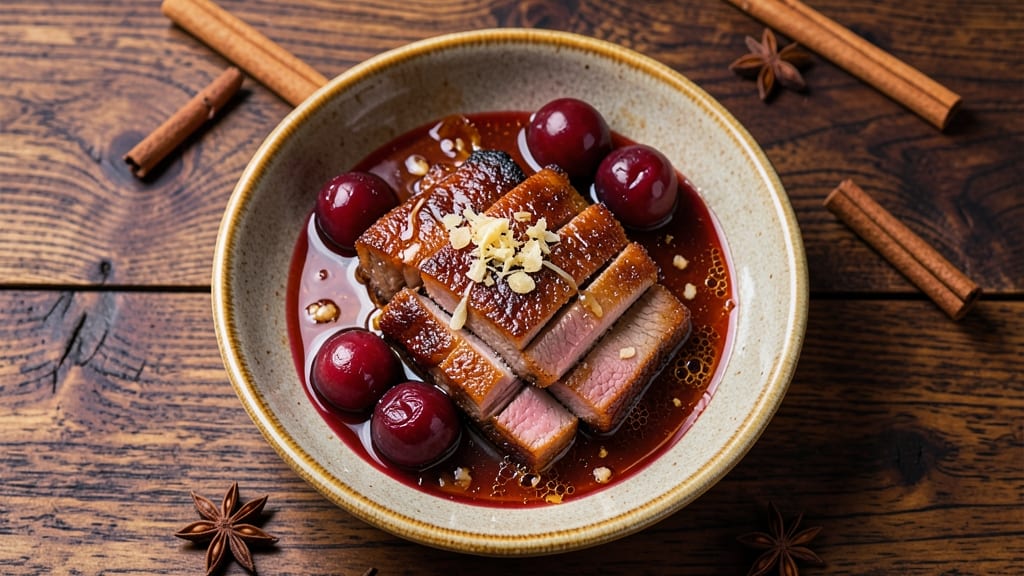
This Chinese plum pork recipe transforms simple pork shoulder into melt-in-your-mouth tenderness through the magic of plum wine and slow braising. The technique I learned from Master Chef Chen—where the pork absorbs the sweet-tart plum marinade and develops a caramelized crust—is what makes this dish unforgettable.
Every bite delivers that perfect balance of juicy meat, fruity depth, and aromatic spices that define Chinese comfort food.
The secret lies in the marinade: a blend of plum wine, soy sauce, and spices that tenderizes the meat while infusing it with complex flavors. Unlike quick-cooking methods, this recipe relies on patience—allowing the pork to braise for hours until it practically falls apart.
The result is a dish that's rich, aromatic, and deeply satisfying, with a texture that's both tender and slightly crispy at the edges.
What you'll end up with is restaurant-quality plum pork that's perfect for family gatherings or special occasions. The aroma alone will have everyone gathering around the table, and the flavor profile—sweet, savory, and slightly tangy—makes it a standout main course.
This is the kind of dish that feels like a hug in every bite, and it's exactly what I serve at my own dinner table.
Serve it with steamed jasmine rice and stir-fried vegetables for a complete meal that captures the essence of Chinese home cooking. The leftovers reheat beautifully too, making this a practical choice for busy weeks. Let's get started on creating this timeless classic.
Ingredients for chinese plum pork
Sixteen ingredients to create restaurant-quality Chinese plum pork at home.
| Ingredient | Amount | Notes |
|---|---|---|
| Pork Shoulder 🐖 | 3 lb | Bone-in for flavor, cut into 2-inch chunks |
| Plum Wine 🍶 | 1 cup | Substitute with dry sherry if unavailable |
| Soy Sauce 🧂 | ½ cup | Use light soy for authentic flavor |
| Honey 🍯 | ¼ cup | For sweetness and gloss |
| Garlic Cloves 🧄 | 6 cloves | Minced for aromatic depth |
| Ginger Root 🌿 | 1 tbsp | Freshly grated, not powdered |
| Star Anise 🌟 | 2 whole | For subtle anise notes |
| Cinnamon Stick 🌿 | 1 whole | Adds warm spice complexity |
| Sesame Oil 🫒 | 1 tbsp | For nutty aroma, toasted |
| Vegetable Oil 🫒 | 2 tbsp | For searing pork |
| Cornstarch 🌾 | 2 tbsp | For crispy crust |
| Green Onions 🧅 | 4 whole | Sliced, for garnish |
| Salt 🧂 | 1 ½ tsp | Kosher salt for seasoning |
| Black Pepper 🌶️ | ½ tsp | Freshly ground |
The pork shoulder is the star—bone-in for flavor, but bone-out if you prefer easier prep. Look for well-marbled cuts at the butcher counter or Asian markets like H Mart, where they often carry pork shoulder specifically for braising. Plum wine is non-negotiable here—it's what gives this dish its signature sweet-tart depth. If you can't find it at regular grocery stores, check the international aisle or order online. For the spices, whole star anise and cinnamon sticks make all the difference over ground versions—they infuse better and give that authentic aroma. I always double-check my plum wine isn't too sweet; some brands lean more toward dessert than savory dishes.
No plum wine? Dry sherry or even a splash of port works in a pinch, though the flavor won't be identical. Fresh ginger and garlic are musts—they're the aromatic backbone of this dish. If you're short on time, powdered ginger works at half the amount, but fresh is always better. The sesame oil should be toasted—look for the deep, nutty aroma when you open it. If it smells flat, it's past its prime. For the cornstarch, arrowroot powder is a great substitute if you're avoiding gluten. And those green onions? Don't skip the garnish—they add freshness that cuts through the richness of the braised pork.
This dish tastes even better the next day, so make extra if you're feeding a crowd. Store leftovers in the fridge for up to 5 days or freeze for 3 months. I like to portion it into containers with steamed rice already in the bottom—just reheat and serve. The pork keeps its tenderness when reheated properly, so don't rush it. For serving, I always set out a small dish of extra plum marinade on the table—it's perfect for drizzling over individual portions. The aroma alone will have your whole house smelling like a Chinese restaurant.
Why You'll Love This Recipe
- One-Pan Magic: I swear by this recipe—just toss the pork shoulder in a single sheet pan with plum wine, soy sauce, and honey, then let the oven do the work. No chopping, no fuss, and I’m left with tender, sticky goodness while I clean up in record time.
- Sweet-Savory Balance: That plum wine and honey combo? It’s like a flavor party in your mouth—sweet, tangy, and just enough umami from the soy sauce to keep it sophisticated. The garlic cloves caramelize right into the pork, giving every bite a little punch.
- Lunchbox Hero: Between us, this is my go-to for meal prep. Slice the pork thin, and it reheats beautifully for sandwiches or rice bowls all week. Honestly, I’ve packed it in my kids’ lunches, and they still ask for seconds—no complaints there.
- Budget Stretch: Pork shoulder is affordable, and this recipe makes enough to feed four (or feed me for two days). The plum wine adds depth without breaking the bank, and the leftovers? Even better the next day—crispy edges, tender inside, zero waste.
Step-by-step instructions for plum wine marinated pork shoulder
Here's how to transform tough pork into melt-in-your-mouth tenderness with that signature plum wine sweetness.
Marinate the Pork Shoulder for Deep Flavor
In a large bowl, combine the 1 cup plum wine, 0.5 cup soy sauce, 0.25 cup honey, 1.5 tsp salt, and 0.5 tsp black pepper. Add the 6 cloves minced garlic, 1 tbsp freshly grated ginger root, 2 whole star anise, and 1 whole cinnamon stick. Stir everything together until the honey dissolves completely and the spices are fully incorporated.
Place the 3 lb pork shoulder in a resealable plastic bag and pour the marinade over it. Seal the bag and massage the marinade into the pork, coating it evenly. This step ensures the pork absorbs all the flavors. Refrigerate for at least 12 hours (I prefer 24 hours for maximum tenderness), turning the bag occasionally to keep the pork submerged in the marinade. You'll notice the pork becomes more pliable and the marinade takes on a beautiful caramelized hue.
Sear the Pork for Maximum Flavor and Crisp
Remove the pork from the refrigerator and let it sit at room temperature for 30 minutes before cooking. This ensures even cooking throughout. Heat 2 tablespoons vegetable oil in a large Dutch oven over medium-high heat until shimmering. Place the pork shoulder fat-side down in the pot and sear for 5-7 minutes until the fat renders out and the skin begins to turn golden brown.
Flip the pork and sear the other side for another 5 minutes. Remove the pork from the pot and set it aside. You'll see beautiful caramelized patches on the surface—this is where all the deep flavors develop. Pour out any excess fat from the pot, leaving behind all those precious browned bits that will form the base of your sauce.
Slow Cook Until Fork-Tender
Return the Dutch oven to medium heat and add 1 tablespoon sesame oil. Pour in all the marinade from the bag (don't discard it—it's packed with flavor) and scrape up any browned bits from the bottom of the pot. Bring the mixture to a gentle simmer, then place the pork back in the pot, fat-side up.
Cover the pot and transfer it to a preheated 300°F oven. Cook for 3 hours, then carefully flip the pork and cook for another 3 hours. The pork is done when it reaches an internal temperature of 200-205°F and a meat thermometer inserted into the thickest part slides in like butter. This slow cooking process breaks down the connective tissue, transforming tough pork into melt-in-your-mouth perfection.
Create the Glossy Plum Sauce
Once the pork is cooked, remove it from the pot and tent loosely with foil. Let it rest for 15 minutes while you finish the sauce. Increase the oven temperature to 400°F. In a small bowl, whisk together 2 tablespoons cornstarch with 2 tablespoons water to create a slurry.
Return the pot with the cooking liquid to the stovetop over medium-high heat. Stir in the cornstarch slurry and bring to a boil, stirring constantly. The sauce will thicken dramatically—this is what gives the dish that signature glossy finish. Cook for another 2-3 minutes until the sauce coats the back of a spoon. Taste and adjust seasoning if needed, adding a splash more plum wine or a pinch of salt if desired.
Slice and Serve with Garnish
After resting, slice the pork shoulder against the grain into ¼-inch thick slices. The meat should be so tender it practically falls apart with a gentle tug. Arrange the slices on a serving platter and ladle the plum sauce over the top. Garnish with 4 sliced green onions for freshness and a final touch of color.
Serve immediately with steamed jasmine rice to soak up all that delicious sauce. The combination of sweet plum wine, savory soy sauce, and tender pork creates a harmonious balance of flavors in every bite. This dish is especially comforting during cooler months and pairs beautifully with a simple cucumber salad or stir-fried vegetables.
Pro Tips For Making Chinese Plum Pork
- Marinate Pork 12+ Hours: I learned this the hard way—rushing the marinade means the plum wine and soy sauce just skim the surface. Let the pork shoulder sit uncovered in the fridge overnight so the flavors penetrate deep, especially if you’re using a thick cut. The honey will caramelize better too, giving that sticky, glossy finish everyone loves.
- Don’t Boil the Plum Wine: Plum wine adds depth, but simmering it too long turns it bitter. Once you add it to the pan, keep the heat medium-low and stir often—just until it reduces by half. If it starts to smell sharp, you’ve gone too far. (Yes, even if you’re impatient like me.)
- Sear in Batches: Crowding the pork in the pan steams it instead of browning. Work in single layers, giving each side 3-4 minutes until deep golden. The crust is what locks in flavor, and skipping this step means your dish will taste more like stew than caramelized pork. Trust me, the wait is worth it.
- Use Garlic Paste, Not Whole Cloves: Whole garlic burns easily and can overpower the dish. Mince it finely or use a paste—it blends smoother and releases flavor evenly. If you’re lazy, a quick pulse in the food processor does the trick. Just don’t skip it; garlic is the backbone of the aroma here.
Creative variations of this dish
Cantonese Style
In Cantonese cuisine, plum pork often incorporates dried longan and red dates into the marinade for added sweetness and texture. I add ½ cup dried longan and ¼ cup red dates to the marinade along with the plum wine, letting them soak for 4 hours before adding the pork.
This creates a more luxurious texture when the pork is sliced. The dish is typically served with steamed rice and preserved radish for contrast. 🌟
Sichuan Spicy Twist
For a Sichuan-inspired version, add 1 tbsp chili bean paste and 1 tsp Sichuan peppercorns to the marinade. The chili bean paste brings deep umami while the Sichuan peppercorns add that signature numbing heat.
I also stir-fry 2 tbsp dried chili flakes in the sesame oil before adding the pork for extra spice. Serve with pickled vegetables to balance the heat. 🌶️
Honey-Glazed Shortcut
If you're short on time, try my honey-glazed shortcut: after searing, brush the pork with ¼ cup extra honey and 1 tbsp plum wine every 30 minutes during the oven phase.
This creates a sticky, caramelized exterior without the long marinade. I've done this for dinner parties when I needed to serve faster—still delicious, just with a different texture profile. 💫
Vegetarian Adaptation
For a vegetarian version, replace the pork with extra-firm tofu pressed for 2 hours and cubed. Marinate the tofu in the same plum wine mixture for 4 hours, then pan-fry until crispy.
The texture won't be identical, but the sweet-savory plum sauce shines. I've served this at vegan potlucks with great success—just add 1 tbsp nutritional yeast to the marinade for umami depth. 🌱
Winter Comfort Version
For winter gatherings, I add 1 cup braised daikon radish to the braising liquid during the final hour. The radish absorbs the plum flavors and adds hearty texture.
Garnish with toasted sesame seeds and serve with hot congee for a warming meal. The radish keeps well in the fridge, making this a great make-ahead option. ❄️
Korean-Inspired Plum Pork
My Korean-inspired twist swaps the cinnamon for 1 tsp gochugaru (Korean chili flakes) and adds 1 tbsp gochujang to the marinade. After braising, I finish with a quick stir-fry in 1 tbsp toasted sesame oil and 1 minced garlic clove to enhance the flavors.
Serve with kimchi and steamed rice for a fusion dish that's become a hit at my dinner table. 🔥
Nutrition facts
Frequently asked questions
Can I use regular white wine instead of plum wine?
You can substitute, but the flavor will be different. Use a dry white wine like Sauvignon Blanc or Pinot Grigio, but expect less fruity depth. For best results, add 1 teaspoon plum extract (found in baking sections) to ½ cup of the wine to mimic the plum flavor. The dish will still be delicious, just with a more subtle profile.
How do I know when the pork is fully tender?
Use a meat thermometer for accuracy—the pork is done when it reaches 200-205°F internally. The meat should also be so tender that a fork slides in easily. If you don't have a thermometer, check by piercing the thickest part with a knife; if the juices run clear and the meat pulls apart easily, it's ready.
Can I make this recipe in a slow cooker?
After searing, transfer everything to a 6-quart slow cooker and cook on low for 8 hours or high for 5-6 hours. The slow cooker maintains even heat, which is perfect for tenderizing the pork. Just add ¼ cup water to prevent burning, and thicken the sauce with cornstarch at the end as directed.
What's the best way to store leftovers?
Store in an airtight container in the fridge for up to 5 days or freeze for 3 months. To reheat, place slices in a skillet with a splash of plum marinade and warm over medium heat for 3-5 minutes. For oven reheating, cover with foil and bake at 350°F for 15 minutes.
Why does my plum pork turn out dry?
Overcooking is usually the culprit. The pork should never exceed 205°F internally. If it's dry, try these fixes:
- Braise at a lower temperature (275°F) for longer, or
- Add ½ cup water to the braising liquid and cover tightly. Also, ensure you're slicing against the grain for maximum tenderness.