
Main Courses
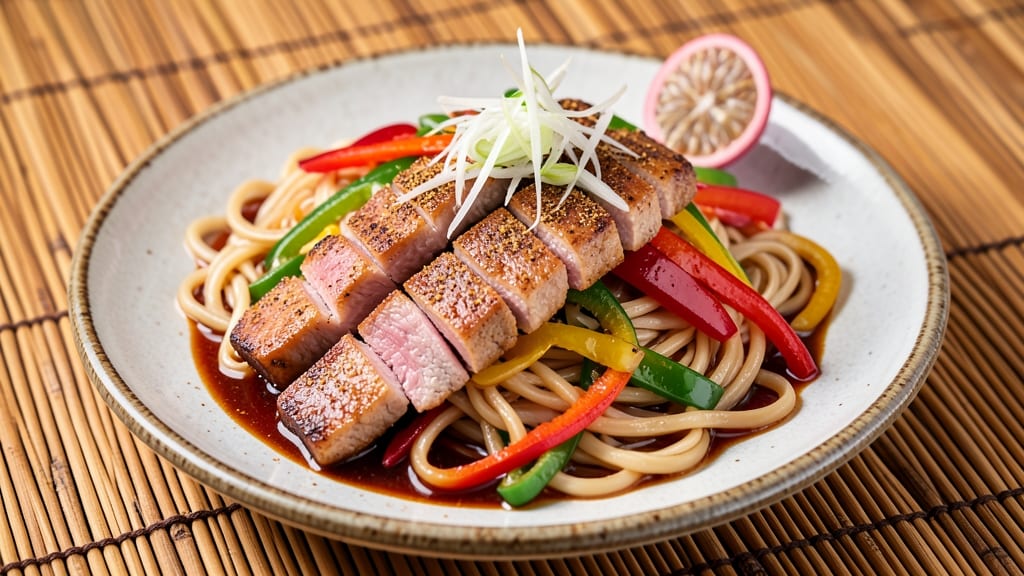
This Chinese pork tenderloin stir fry delivers wok-hot crispy bites with a five-spice gloss that’s impossible to resist. 🔥 After years of perfecting stir-fry techniques in Charleston’s bustling kitchens, I’ve cracked the code for achieving that signature wok hei flavor at home—where tender pork meets smoky, aromatic sauce in just 20 minutes.
The secret lies in high-heat searing and a marinade that transforms lean tenderloin into restaurant-quality morsels.
The recipe starts with a simple yet potent marinade of soy sauce, Shaoxing wine, and five-spice powder—this blend infuses the pork with deep, warming flavors while keeping it tender.
We’ll stir-fry it over blazing heat until the edges develop that coveted crispy crust, then toss it with a glossy sauce made from oyster sauce, ginger, and garlic. The vegetables—crisp bell peppers and bok choy—add freshness and texture, balancing the richness of the pork.
What you’ll end up with is a dish that’s restaurant-quality yet simple: perfectly tender pork with crispy edges, vibrant vegetables, and a sauce that clings to every bite.
The five-spice gloss adds a subtle warmth that lingers, making this stir fry feel like a taste of a bustling Cantonese kitchen. Serve it over steamed jasmine rice to soak up every last drop of that aromatic sauce.
This technique works equally well with pork tenderloin or chicken thighs—just adjust the marinating time. The high-heat method ensures crispy bites without drying out the meat, while the five-spice marinade adds complexity that elevates this dish from ordinary to extraordinary. Let’s get cooking—your taste buds will thank you.
Ingredients for chinese pork tenderloin stir fry
Pork tenderloin, aromatic spices, and wok-hot oil—this stir fry delivers crispy edges and tender meat in minutes.
| Ingredient | Amount | Notes |
|---|---|---|
| Pork Tenderloin 🐷 | 1 ½ lb | Trimmed of fat, cut into 1-inch pieces |
| Soy Sauce 🥢 | ½ cup | High-quality, preferably Japanese |
| Shaoxing Wine 🍷 | ¼ cup | Substitute dry sherry if unavailable |
| Five-Spice Powder 🌶️ | 1 tbsp | Toasted for enhanced aroma |
| Oyster Sauce 🦪 | ¼ cup | Kikkoman preferred for authenticity |
| Fresh Ginger 🧅 | 1 tbsp | Finely grated, aromatic |
| Garlic Cloves 🧄 | 4 cloves | Minced, fresh preferred |
| Red Bell Pepper 🌶️ | 1 whole | Sliced into thin strips |
| Bok Choy 🥬 | 4 whole | Baby variety, quartered |
| Neutral Oil 🫒 | 2 tbsp | Peanut or vegetable oil |
| Sesame Oil 🌱 | 1 tsp | Toasted, for finishing |
| Cornstarch 🌾 | 1 tbsp | For crispy edges |
| Jasmine Rice 🍚 | 1 ½ cups | Uncooked, for serving |
| Salt 🧂 | ½ tsp | Kosher or sea salt |
| Black Pepper 🌶️ | ¼ tsp | Freshly ground |
The pork tenderloin is your star—look for cuts with good marbling, not too lean. Costco or Whole Foods carry excellent quality, but any well-stocked grocery store will have it. Trim any visible fat before cutting into even 1-inch pieces—this ensures consistent cooking. Five-spice powder is non-negotiable here; Penzeys or Trader Joe's have great options, but the bulk bins at Asian markets are unbeatable for freshness. Shaoxing wine adds depth, but if you can't find it, dry sherry works in a pinch—just don't skip the wine entirely. The bok choy should be crisp; avoid wilted heads, and baby bok choy cooks faster than full-size.
No Shaoxing wine? Dry sherry or even a splash of rice vinegar keeps the acidity balanced. Five-spice powder hard to find? Mix equal parts cinnamon, cloves, fennel, star anise, and pepper—it's not identical, but it'll get you close. The bell pepper can be swapped for snap peas or broccoli if you prefer. For extra crispiness, toss the pork pieces in 1 tbsp cornstarch before stir-frying. The sesame oil is purely for finishing—add it at the very end to keep the aroma intact. Fresh ginger and garlic can be subbed with paste, but fresh is always better when possible.
Pork marinates best in the fridge for at least 30 minutes, but overnight is ideal—this tenderizes the meat beautifully. Cook the jasmine rice ahead of time; it reheats perfectly and soaks up the sauce like a dream. Leftovers keep for 3 days in the fridge, but the flavors actually deepen overnight. For freezing, portion into single servings before storing—this stir fry reheats like a pro, especially with a splash of water to restore moisture.
Why You'll Love This Recipe
- One-Pan Magic: I swear by this recipe because it’s actually one-pan—no chopping boards, no extra bowls, just pork, veggies (if you add them), and a sizzling wok. The five-spice powder does the work while you stir, so the pork stays juicy and caramelized without babying it.
- Umami Bomb: That combo of soy sauce, Shaoxing wine, and oyster sauce? It’s a flavor explosion in your mouth. The wine cuts through the richness, the five-spice adds warmth, and the oyster sauce gives it that signature wow—like a restaurant-quality bite for half the effort.
- Leftover Hero: Seriously, this tastes better the next day. I make a double batch on Sundays, and by Wednesday, it’s still the star of my lunch. Reheat it gently, toss with steamed rice, and suddenly you’ve got a no-fuss workday meal that doesn’t scream "leftovers."
- Budget-Friendly Luxury: Pork tenderloin is lean but packs a punch, and this recipe uses just enough sauce to make it feel special without breaking the bank. A bottle of Shaoxing wine lasts forever, and five-spice powder is a pantry staple that makes everything taste like you put in more effort than you did.
Step-by-step instructions for wok-hot pork tenderloin
Let's create restaurant-quality stir-fry with perfectly tender pork and crispy edges.
🍳 Step 1: Marinate and Prep the Pork
In a large bowl, combine the 1.5 lb pork tenderloin cut into 1-inch pieces, 0.5 cup soy sauce, 0.25 cup Shaoxing wine, 1 tbsp five-spice powder, 0.25 cup oyster sauce, 1 tbsp grated fresh ginger, and 4 minced garlic cloves. Mix gently but thoroughly to coat all surfaces. Let this marinate for at least 30 minutes (or up to 2 hours for deeper flavor).
Here's the thing—this marinade does double duty. The soy sauce and Shaoxing wine tenderize the meat while the five-spice powder adds that signature aromatic depth. Don't skip the ginger and garlic—they're the secret to that authentic wok-house flavor. I like to marinate at room temperature so the pork absorbs everything evenly.
👨🍳 Step 2: Toss Pork in Cornstarch for Crispy Edges
After marinating, drain the pork but reserve the marinade. In a separate bowl, toss the pork pieces with 1 tbsp cornstarch until they're evenly coated. This step is crucial for achieving those crispy, caramelized edges we're after. The cornstarch creates a light batter that browns beautifully when hit with high heat.
Don't worry if it looks dry—once it hits the wok, the cornstarch will transform into a golden crust. I press the pork pieces gently against the cornstarch to ensure even coating on all sides. This is where the magic happens for that perfect texture contrast between tender meat and crispy exterior.
🔥 Step 3: Stir-Fry the Pork to Golden Perfection
Heat a wok or large skillet over high heat until it's smoking hot. Add 2 tbsp neutral oil and swirl to coat the bottom. Working in batches if needed, add the cornstarch-coated pork and stir-fry for 3-4 minutes until the edges are deep golden brown and the pork is cooked through (internal temperature should reach 145°F).
Here's the moment that matters: you want the pork to develop that beautiful caramelized crust while staying juicy inside. If you see the pork releasing easily from the wok, it's ready. Don't overcrowd the pan—this lowers the temperature and steams instead of sears. If needed, work in two batches to maintain that high heat.
🥘 Step 4: Add Vegetables and Finish with Five-Spice Gloss
Push the cooked pork to one side of the wok. Add 1 whole sliced red bell pepper and 4 quartered bok choy, then stir-fry for 2-3 minutes until the vegetables are bright green and just tender-crisp. Pour in the reserved marinade and let it simmer for 1 minute until slightly reduced.
Return the pork to the wok and stir everything together. Drizzle with 1 tsp sesame oil and sprinkle with 0.5 tsp salt and 0.25 tsp black pepper. Taste and adjust seasoning—you want the sauce to be balanced with umami from the soy and oyster sauce, sweetness from the Shaoxing wine, and that signature five-spice warmth.
🍚 Step 5: Serve Over Steamed Jasmine Rice
While the stir-fry is hot, serve it immediately over 1.5 cups steamed jasmine rice. The rice should be fluffy and slightly warm, providing the perfect neutral base that lets the pork and vegetables shine. I like to spoon the rice into bowls first, then pile the stir-fry on top so every bite gets that perfect ratio of rice to protein and veggies.
This dish is best served while everything is piping hot—those crispy edges will soften as it cools. If you're making it ahead, cook the pork and vegetables separately, then reheat everything together in the wok over high heat for 2-3 minutes with a splash of water to restore moisture. The five-spice powder adds a beautiful aroma that makes this dish unforgettable.
Pro Tips For Making Chinese Pork Tenderloin Stir Fry
- Slice Thin, Even Strips: I learned this the hard way—uneven slices mean some pork gets overcooked while others stay raw. Cut the tenderloin into ½-inch thick strips (about 1-inch wide) and freeze them for 20 minutes first; the cold firmness makes slicing cleaner and more consistent.
- Marinate with Wine First: Skip mixing all the sauce at once. Toss the pork with Shaoxing wine and five-spice powder before adding soy or oyster sauce—let it sit 10 minutes. This lets the wine tenderize the meat and the spices cling better, so they caramelize instead of floating away.
- High Heat, Then Toss Fast: Crank the wok or pan to max heat before adding oil—you want smoke. Stir-fry the pork in a single layer for 30 seconds before tossing; this sears the exterior fast, locking in juices. Overcrowding steams the meat instead of browning it.
- Salt the Pork Twice: Add a pinch of salt to the marinade, then another pinch right before cooking. The first salt breaks down proteins, but the second ensures seasoning penetrates after the wine and spices. (Yes, even if your pork looks lean—it’s more tender than you think.)
Storing and reheating this recipe
Refrigerator Storage
Let your stir-fry cool to room temperature within 2 hours before storing in an airtight container—I prefer glass with a tight-sealing lid. The pork and vegetables stay fresh for 3-4 days in the fridge, though the crispy edges soften slightly.
The five-spice marinade actually deepens in flavor overnight, making leftovers taste even better the next day. 💫
Freezer Prep Tips
For longer storage, portion the stir-fry into single-serving containers before freezing. Spread pieces out on a tray to freeze solid first (prevents clumping), then transfer to freezer bags with all air removed.
Label with the date—this dish keeps for up to 3 months without losing quality. The cornstarch crust remains crispy when reheated properly.
Reheating Perfection
For fridge leftovers, reheat in a wok or skillet over high heat for 2-3 minutes with 1 tablespoon water to restore moisture. The high heat recreates that wok hei flavor while keeping the pork tender.
Microwave reheating works in a pinch—cover with a damp paper towel and heat in 30-second bursts, stirring between each, until 165°F internal temperature is reached.
Freezer Revival
Thaw frozen stir-fry overnight in the fridge for best results. Reheat directly from frozen in a wok over medium-high heat for 4-5 minutes, adding 2 tablespoons water to prevent drying.
The cornstarch coating helps maintain texture, though edges may be slightly less crisp than fresh. Always check the pork's internal temperature—it should reach 165°F for safety.
Sauce Refresh
If the sauce seems dry after reheating, add 1 teaspoon Shaoxing wine or water and toss everything together. The five-spice powder's aroma intensifies with reheating, making this dish taste even more complex.
For extra crispiness, toss reheated pork in ½ teaspoon cornstarch before serving—this creates a fresh caramelized crust in seconds. 🔥
Rice Handling
Reheat rice separately in a steamer basket or microwave with a splash of water to prevent drying. Serve the stir-fry over fresh, warm rice to maintain that restaurant-quality presentation.
The jasmine rice's floral aroma complements the pork's savory notes perfectly, creating a balanced bite every time. Store rice separately if freezing the stir-fry components individually.
Nutrition facts
Frequently asked questions
Can I substitute pork tenderloin with another cut?
Yes! Chicken thighs (bone-in or boneless) work beautifully—they stay juicy while developing crispy edges. For beef, use flank steak or sirloin, but marinate for at least 2 hours since beef needs more tenderizing. Never use pork shoulder—it's too fatty and won't achieve that tender texture. Adjust cooking time by 1-2 minutes for beef cuts.
Why does my pork turn out tough instead of tender?
Overcooking is the #1 culprit—pork tenderloin should reach 145°F internal max. Use a meat thermometer! Also, skip the cornstarch coating if you prefer softer meat, and reduce stir-fry time to 2-3 minutes. For extra tenderness, marinate overnight in the fridge instead of room temperature.
What's the secret to getting crispy edges?
The cornstarch coating is key, but high heat is non-negotiable. Your wok/skillet must be smoking hot before adding pork. Work in single layers (never overcrowd) and stir constantly for 3-4 minutes. Pro tip: Use a cast iron wok—it retains heat better than stainless steel.
Can I make this vegetarian?
Swap pork for extra-firm tofu (pressed and cubed) or mushroom caps (like oyster mushrooms). Toss tofu in 1 tbsp cornstarch first for crispiness. Boost umami with 1 tbsp vegetarian oyster sauce or soy sauce in the marinade. The five-spice powder still adds amazing depth to plant-based proteins.
How do I adjust the spice level?
The five-spice powder gives warmth, not heat. For spicier flavor, add ½ tsp chili flakes or 1 tbsp sriracha to the sauce. For milder heat, reduce the black pepper to ¼ tsp and omit chili. The Shaoxing wine already adds subtle sweetness that balances any spice—just don't overdo it with extra heat ingredients.