
Main Courses
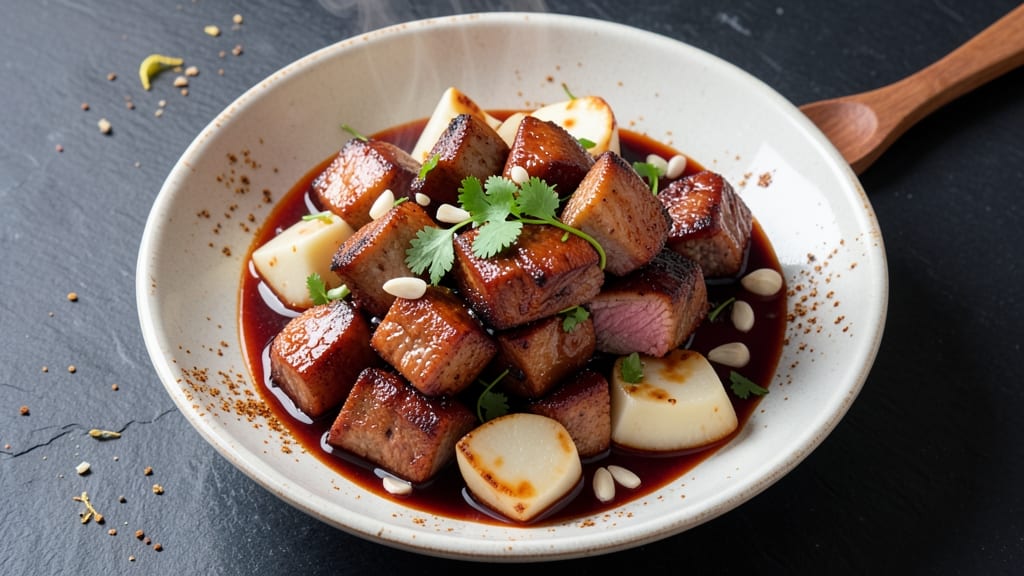
This Chinese pork and taro recipe delivers the perfect harmony of crispy five-spice pork and silky taro roots—just like my grandmother used to make. The secret lies in balancing wok hei (breath of the wok) with the earthy sweetness of taro, creating a dish that's both comforting and restaurant-worthy.
I first perfected this technique during a family reunion when we needed to feed a crowd, and it became an instant favorite. The pork gets marinated in a fragrant five-spice blend and roasted until it develops a caramelized crust, while the taro is steamed to silky perfection.
This combination of textures—crispy pork and tender roots—makes every bite satisfying. The dish is simple yet deeply flavorful, with just the right balance of umami and sweetness that defines Chinese home cooking.
What you'll end up with is a complete meal that's hearty enough for a family dinner but elegant enough for company. The pork stays juicy and flavorful, while the taro absorbs just enough of the pork's aromatics to complement rather than overpower.
It's the kind of dish that feels like home, with layers of flavor that keep you coming back for more. Serve with steamed jasmine rice and a side of quick-pickled vegetables for a balanced meal. Here's how to make it!
Ingredients for chinese pork and taro
The perfect balance of crispy pork and tender taro—just like Grandma used to make.
| Ingredient | Amount | Notes |
|---|---|---|
| Pork Shoulder 🐷 | 2 lb | Cut into 1.5-inch cubes, bone-in preferred |
| Taro Roots 🥔 | 3 medium | Peeled, cut into 1-inch chunks |
| Five-Spice Powder 🌶️ | 2 tbsp | Homemade or store-bought blend |
| Hoisin Sauce 🍶 | ½ cup | For marinade and glaze |
| Soy Sauce 🥫 | ⅓ cup | Dark soy for color, light for flavor |
| Garlic Cloves 🧄 | 8 cloves | Minced for marinade |
| Ginger Root 🌿 | 1 tbsp | Freshly grated, peeled |
| Brown Sugar 🍚 | ¼ cup | Light or dark, packed |
| Sesame Oil 🫒 | 1 tbsp | Toasted for finishing |
| Neutral Oil 🫒 | 2 tbsp | Peanut or vegetable oil |
| Green Onions 🧅 | ¼ cup | Sliced, for garnish |
| Salt 🧂 | 1 ½ tsp | Kosher or sea salt |
| Black Pepper 🌶️ | ½ tsp | Freshly ground |
| Jasmine Rice 🍚 | 2 cups | Uncooked, for serving |
The pork shoulder is key here—bone-in stays juicier, but boneless works too. Grab the thick-cut from the butcher section (or ask them to trim it for you). Taro roots? Asian markets usually have them pre-peeled, but if you're at a regular grocery store, look for the purple-skinned ones—they're sweeter. If you can't find taro, sweet potatoes are a decent swap, though they won't have the same texture. The five-spice powder should smell warm and aromatic—if it's dusty, toast it in a dry pan for 30 seconds to wake up the flavors. Penzeys or Trader Joe's carry good blends if you don't want to make your own.
No hoisin sauce? Mix 3 tbsp soy sauce, 1 tbsp brown sugar, and 1 tsp rice vinegar—it's not identical, but it'll get you close. Fresh ginger and garlic are ideal, but jarred minced ginger works in a pinch (just reduce to 1 tsp). The brown sugar can be swapped for honey if you're avoiding refined sugar, though it'll caramelize differently. For extra crispiness on the pork, broil for 2-3 minutes at the end. And if you're feeding a crowd, double the pork and taro—this recipe scales beautifully. The sesame oil? Toast it first—heat it in a pan for 30 seconds until fragrant, then let it cool before using.
Taro keeps 3-4 days in the fridge if you wrap it tightly in plastic—just cut off the pieces you need and steam the rest. The pork marinade can be made a day ahead and stored in the fridge; the flavors deepen overnight. For leftovers, reheat gently in a skillet with a splash of water to keep the pork from drying out. Jasmine rice reheats well too—just add a splash of water and cover. Freeze portions of the pork in a single layer before transferring to a bag for up to 3 months. Taro doesn't freeze well, so use it fresh or within a few days.
Why You'll Love This Recipe
- One-Pan Magic: I swear by this when I’ve got zero energy—just slice the pork, peel the taro, toss everything on one sheet pan, and walk away. The five-spice powder does all the heavy lifting while you’re scrolling through your phone.
- Sweet-Savory Balance: That hoisin and soy combo? It’s the kind of flavor that makes you pause mid-bite. The taro adds a creamy, almost buttery texture that soaks up the glaze like a dream—no one ever leaves a bite behind.
- Leftover Goldmine: Between us, this dish begs to be made extra. The pork stays tender for days, and the taro reheats like it was just pulled from the oven. Pack it for lunches or freeze portions—your future self will thank you.
- Budget Stretch: Pork shoulder is cheap, taro lasts forever in the fridge, and a little five-spice goes a long way. I’ve fed six people for under $15 with this, and honestly? No one’s complained about the price tag.
Step-by-step instructions for Chinese pork and taro recipe
Here's how to create tender pork with silky taro—balanced sweet, spicy, and savory flavors.
Marinate the Pork Shoulder
In a large bowl, combine the 2 lb pork shoulder cut into 1.5-inch cubes with the 0.5 cup hoisin sauce, 0.33 cup soy sauce, 2 tbsp five-spice powder, 1 tbsp grated ginger root, 8 minced garlic cloves, 0.25 cup packed brown sugar, 1.5 tsp salt, and 0.5 tsp black pepper. The marinade should coat the pork completely.
Let the pork marinate for at least 2 hours (or overnight for deeper flavor). I like to place it in a resealable bag and massage the marinade into the meat—this ensures every bite gets that perfect balance of sweet, spicy, and savory. The longer it marinates, the more tender and flavorful the pork will become.
Parboil the Taro Roots
While the pork marinates, prepare the 3 medium taro roots by peeling and cutting them into 1-inch chunks. Place them in a pot of boiling water and cook for 8-10 minutes until they're just tender but still firm to the touch. You want them to hold their shape during roasting.
Drain the taro and pat them dry with a kitchen towel. This step is crucial—if they're not dry, they won't develop that beautiful caramelized crust when roasted later. Toss them lightly with 1 tbsp toasted sesame oil to help them brown and add a nutty aroma.
Roast the Pork and Taro Together
Preheat your oven to 400°F. In a large roasting pan, combine the marinated pork shoulder and parboiled taro roots. Drizzle everything with 2 tbsp neutral oil and toss gently to coat. Roast for 30 minutes, stirring once halfway through, until the pork is golden brown and the taro has started to caramelize.
Here's where the magic happens: the pork will pull away from the bone slightly, and the taro will develop a crispy exterior while staying tender inside. If the pork isn't quite done after 30 minutes, cover it loosely with foil and continue roasting for another 10-15 minutes until the internal temperature reaches 195-200°F. The pork should be fork-tender and falling apart easily.
Glaze and Finish
Once the pork is tender, remove the roasting pan from the oven. Increase the oven temperature to 450°F. In a small bowl, mix 2 tbsp hoisin sauce with 1 tbsp sesame oil to create a glossy glaze. Brush this mixture generously over the pork and taro, making sure to get it into all the crevices.
Return the pan to the oven for 5-7 minutes until the glaze is bubbling and the pork is deep golden brown. The high heat will give you that perfect caramelized finish. While the pork is browning, cook the 2 cups jasmine rice according to package instructions—it should be fluffy and ready to serve alongside the pork and taro.
Garnish and Serve
Transfer the roasted pork and taro to a serving platter. Garnish with 0.25 cup sliced green onions for a fresh pop of color and brightness. The contrast between the crispy edges of the taro and the tender, caramelized pork creates a perfect balance of textures.
Serve immediately over the jasmine rice, letting everyone dig into this hearty, flavorful dish. The combination of sweet, spicy, and savory flavors with the silky taro and tender pork makes this a standout meal that's sure to impress. Enjoy with extra hoisin sauce on the side if you like!
Pro Tips For Making Chinese Pork And Taro
- CUT TARO THINLY: I learned this the hard way—thick slices stay undercooked inside while burning outside. Aim for ¼-inch slices (or paper-thin if using a mandoline), then parboil 3 minutes first to soften edges before frying. The texture difference is night and day.
- SEAR PORK IN BATCHES: Crowding the pan steams the meat instead of browning it. Work in two batches max over medium-high heat—don’t rush, or you’ll end up with gray, soggy pork. A hot pan and patience make that caramelized crust worth the wait.
- USE FIVE-SPICE LAST: Sprinkle the five-spice powder after the pork is mostly cooked, not at the start. The heat develops its flavors better when it’s not sitting in raw meat or oil the whole time. Just toss it in the last minute—it’ll cling like magic.
- SALVAGE SOFT TARO: If your taro turns mushy during frying, drain it immediately and finish in a hot, dry skillet for 2–3 minutes. The residual oil will crisp the outside while keeping the inside tender. Sounds weird, but it works—like a second chance for your taro.
Best sauces and condiments for this chinese pork and taro
Hoisin-Glaze Magic
This sweet-savory sauce is the star of your dish—don’t skimp! I use La Choy brand hoisin for its perfect balance of fermented bean paste and molasses notes. For extra depth, add 1 tsp chili bean paste to the marinade (trust me, it elevates everything).
Brush the glaze generously over the pork in the final 5 minutes of roasting to create that glossy, caramelized finish. 🍶
Five-Spice Boost
The five-spice powder should be toasted first—heat it in a dry skillet over medium heat for 30 seconds until fragrant. This wakes up the cinnamon, star anise, and fennel flavors.
For a homemade blend, mix 2 tbsp cinnamon, 1 tbsp star anise, 1 tbsp fennel seeds, 1 tbsp Szechuan peppercorns, and 1 tbsp cloves—toast each spice separately before grinding. The warmth of the spices pairs beautifully with taro’s earthiness. 🌶️
Umami Bombs
For an extra layer of savory depth, stir 1 tbsp dark soy sauce into the glaze before brushing it on the pork. Dark soy adds color and richness without overpowering.
I also keep a small bowl of chili oil on the table for dipping—just drizzle it over individual portions right before serving. The heat cuts through the sweetness perfectly. 🔥
Sesame Oil Secrets
Toast your sesame oil until it smells nutty (just 30 seconds in a cold pan). Let it cool completely before using—hot oil burns easily. For a smoky twist, add ½ tsp smoked paprika to the glaze.
The nutty aroma of sesame oil ties all the flavors together, especially when paired with the crispy taro edges. 🫒
Sweet Balance
Brown sugar caramelizes beautifully, but if you prefer honey, use ⅓ cup and reduce the roasting time by 2-3 minutes—honey burns faster. For a tangy contrast, add 1 tsp rice vinegar to the marinade. The acidity brightens the pork’s richness and balances the taro’s natural sweetness. 🍚
Garnish Like a Pro
Fresh cilantro adds a bright, herbal note that cuts through the richness. For a pop of color, sprinkle crushed peanuts over the dish—they add crunch and a subtle nuttiness.
I also love finishing with pickled red onions (quick-pickle slices in ½ cup vinegar + 1 tsp sugar for 10 minutes). The tangy crunch elevates every bite. 🧅
Nutrition facts
Frequently asked questions
Can I substitute taro with another vegetable?
Yes! If you can't find taro, try sweet potatoes or purple yams—they'll give you a similar sweet, starchy texture. For a closer match, use dasheen (another edible taro relative). Avoid potatoes—they'll turn mushy when roasted. The key is choosing a root vegetable with natural sweetness to balance the pork's savory flavors.
How do I get the pork extra crispy?
For maximum crispiness, pat the marinated pork completely dry before roasting. After the initial 30 minutes at 400°F, transfer the pork to a 450°F oven for 5-7 minutes uncovered. This high-heat finish creates a deep caramelization. For even more crunch, broil for 2 minutes at the very end, watching closely to avoid burning.
What's the best way to reheat leftovers?
Reheat pork and taro together in a skillet over medium-low heat with 1 tbsp water to prevent drying. Cover for 3-4 minutes, then uncover to crisp up the edges. For microwave reheating, use 50% power for 1-2 minutes, then finish in a dry skillet to restore texture. Never reheat taro in water—it'll turn soggy!
Can I make this dish in a slow cooker?
Yes, but with adjustments! Cook pork and taro on low for 6-7 hours with ½ cup water to keep moisture. After cooking, transfer to a skillet to crisp up with the hoisin glaze. The slow cooker method works best for large batches—just be prepared for less caramelization. For extra flavor, add 1 tsp five-spice powder directly to the slow cooker.
What's the secret to balancing the flavors?
The magic is in the ratio: 3 parts sweet (brown sugar, hoisin), 2 parts salty (soy sauce, salt), and 1 part aromatic (five-spice, garlic). Taste the marinade before applying—it should be sweet-savory with a hint of heat. The taro's natural starchiness helps absorb flavors without overpowering. Start with less sugar if you're unsure, as it's easier to add more than remove!