
Main Courses
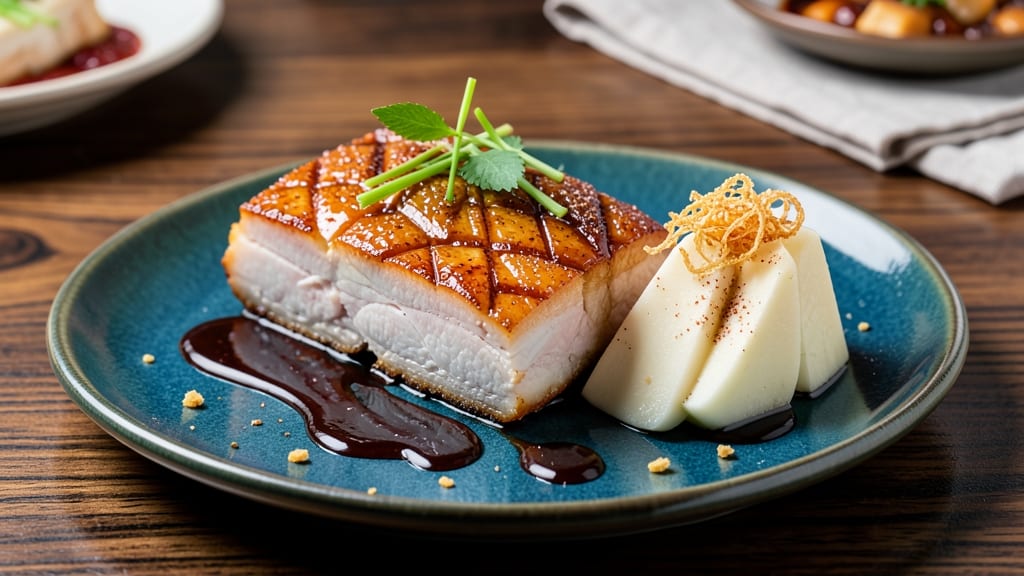
This Chinese pork belly and taro recipe delivers the perfect marriage of crispy, aromatic pork belly and silky-smooth taro roots—transforming a simple meal into a showstopper. The five-spice marinade creates a fragrant crust on the pork, while the taro absorbs the savory flavors without losing its natural sweetness.
As someone who's spent years perfecting pork techniques, I can tell you this combination is both restaurant-worthy and surprisingly approachable at home.
The secret to achieving that signature crispy exterior lies in a two-step cooking process: first rendering the fat slowly to render it tender, then searing it until golden. The taro, meanwhile, cooks down to a velvety texture that pairs beautifully with the pork's rich, caramelized edges.
This dish is perfect for special occasions or when you want to impress guests with authentic Chinese flavors that feel both familiar and exciting.
What makes this recipe truly special is how the flavors develop over time—the pork belly becomes increasingly aromatic as it rests, while the taro absorbs the cooking liquid into a luscious, almost custard-like consistency.
The result is a dish that's as satisfying to eat as it is beautiful to serve, with layers of texture and flavor that will have everyone asking for seconds.
Whether you're serving this for a family dinner or bringing it to a potluck, the combination of crispy pork belly and silky taro creates a balance that's both comforting and sophisticated.
The key is patience—letting the pork belly cook low and slow ensures it stays juicy and flavorful, while the taro's natural sweetness complements rather than competes with the pork's richness.
Ingredients for chinese pork belly and taro
Pork belly and taro transform into a restaurant-worthy dish with just these twelve ingredients.
| Ingredient | Amount | Notes |
|---|---|---|
| Pork Belly 🥩 | 2 lb | Skin-on, cut into 1-inch pieces |
| Taro Root 🥔 | 1 ½ lb | Peeled, cut into 1-inch chunks |
| Five-Spice Powder 🌶️ | 1 tbsp | Authentic Chinese blend preferred |
| Soy Sauce 🥄 | ½ cup | Light or dark, not low-sodium |
| Shaoxing Wine 🍷 | ¼ cup | Or substitute with dry sherry |
| Brown Sugar 🍯 | ¼ cup | Packed, dark variety preferred |
| Fresh Ginger 🌿 | 2 tbsp | Grated, aromatic variety |
| Garlic Cloves 🧄 | 6 cloves | Minced, fresh preferred |
| Sesame Oil 🫒 | 1 tbsp | Toasted, for finishing |
| Vegetable Oil 🫒 | ½ cup | High smoke point for frying |
| Green Onions 🧅 | 4 whole | Sliced, for garnish |
| Salt 🧂 | 1 ½ tsp | Kosher or sea salt |
| Black Pepper 🌶️ | ½ tsp | Freshly ground preferred |
The pork belly is the star—look for thick-cut pieces with good marbling at Asian markets or the butcher counter. Whole Foods and H Mart always have excellent cuts. Taro root can be tricky to find; most grocery stores carry it in the international section, but if you can't, dasheen or eddo work as substitutes. The five-spice powder is non-negotiable for that signature aroma—Penzeys Spices has an authentic blend, but any Chinese five-spice will do. For the Shaoxing wine, don't stress if you can't find it—dry sherry is a perfect stand-in.
No five-spice powder? Mix 1 tsp each of cinnamon, star anise, fennel, cloves, and pepper for a quick substitute. The taro can be cubed roughly—no need to be precise. Fresh ginger and garlic are ideal, but if you're using dried, double the amount. For the soy sauce, light soy gives more color while dark adds depth. The brown sugar should be packed—light brown works too, but dark gives better caramelization. If you're short on time, pre-cut the taro and store it in water to prevent browning.
Pork belly stays fresh for 3-4 days in the fridge, but the taro keeps for up to 2 weeks if stored in a cool, dark place. The five-spice marinade can be made a week ahead—just store it in an airtight container. For leftovers, reheat in a skillet to restore crispiness. This dish reheats beautifully, so double the batch if you're hosting—it's always a crowd-pleaser.
Why You'll Love This Recipe
- One-Pan Magic: I swear by this recipe when I’m too tired to wash dishes. The pork belly and taro share the same pan—crispy edges on the meat, tender slices of root—while the five-spice powder and soy sauce do all the flavor work. Honestly, the cleanup is just wiping one sheet pan. That’s it.
- Umami Bomb: The Shaoxing wine and soy sauce caramelize into something deep—like a slow-cooked secret. Taro adds this earthy sweetness that balances the pork’s richness, and the five-spice? It’s that warm, slightly sweet aroma that makes the whole kitchen smell like a dim-sum stall. One bite and you’ll understand why I keep making it.
- Leftovers That Shine: This dish actually improves the next day. The pork belly gets even more tender, the taro soaks up all the sticky-sweet glaze, and reheating it in the oven? Crispy again in minutes. I portion it into containers so I can grab it for lunch without thinking—no sad, dry leftovers here.
- Budget Feast: Pork belly might sound fancy, but it’s my go-to for feeding a crowd without breaking the bank. A single slab stretches across two meals, and taro’s cheap at Asian markets. Plus, the five-spice powder and Shaoxing wine last forever. Between us, this is how I feed my book club without stressing over grocery bills.
Step-by-step instructions for Chinese pork belly and taro recipe
Here's how to create a perfect balance of crispy pork belly and tender taro roots infused with aromatic five-spice.
Prepare the Pork Belly for Maximum Crisp
Start by scoring the skin of the 2 lb pork belly in a diamond pattern using a sharp knife, being careful not to cut into the meat. This creates pathways for the fat to render out evenly. Pat the pork belly completely dry with paper towels—this is crucial for crispy skin. Place it skin-side down on a wire rack set over a baking sheet and refrigerate uncovered for 24 hours. This drying process ensures maximum crispiness when we fry it later.
After chilling, remove the pork belly from the fridge and let it sit at room temperature for 30 minutes. While it's warming, mix together the 1 tbsp five-spice powder, 1.5 tsp salt, and 0.5 tsp black pepper in a small bowl. Rub this mixture generously over the pork belly, pressing it into all the crevices. The five-spice blend will give your pork belly that signature aromatic depth that makes this dish so special.
Parboil the Taro Roots for Silky Texture
Fill a large pot with enough water to generously cover the 1.5 lb taro root. Bring to a boil and add 1 tbsp salt to the water. Once boiling, add the taro root and cook for 15 minutes. You're not trying to fully cook them yet—just parboil to soften the exterior slightly so they absorb the flavors better during the braising process. The taro should feel slightly tender when pierced with a knife but still hold its shape.
Drain the taro roots and transfer them to a large mixing bowl. In a separate small bowl, whisk together the 0.5 cup soy sauce, 0.25 cup shaoxing wine, 0.25 cup brown sugar, 2 tbsp grated fresh ginger, and 6 minced garlic cloves. Pour this marinade over the taro roots and toss gently to coat evenly. Let them marinate at room temperature for 20 minutes while you prepare the pork belly.
Deep-Fry the Pork Belly to Golden Perfection
Heat 0.5 cup vegetable oil in a large, heavy-bottomed skillet over medium heat until it reaches 350°F—use a thermometer for accuracy. Working in batches if needed, carefully add the pork belly pieces skin-side down to the hot oil. Fry for 8-10 minutes until the skin is deep golden brown and crispy, and the internal temperature reaches 160°F. Flip the pork belly once during cooking to ensure even browning on both sides.
Transfer the fried pork belly to a paper towel-lined plate to drain excess oil. The skin should be crackling crisp while the meat remains tender and juicy. If you find the skin isn't as crispy as you'd like, you can place it under a broiler for 1-2 minutes to crisp it up further. Keep the pork belly warm while you prepare the braising liquid.
Braise the Pork Belly and Taro Together
Return the fried pork belly to the same skillet (no need to clean it—the fond is flavor gold) and increase the heat to medium-high. Add the marinated taro roots along with their marinade, spreading them evenly around the pork belly. Pour in 0.5 cup water to help create steam and prevent sticking. Bring everything to a simmer and then reduce the heat to low, covering the skillet with a lid.
Braise for 45-50 minutes, turning the pork belly and taro occasionally, until the pork belly reaches an internal temperature of 203°F and the taro is fork-tender. The pork belly should be fall-apart tender while maintaining its crispy skin. If the liquid reduces too quickly, add 1-2 tablespoons of water at a time to maintain moisture. The taro should absorb all the beautiful five-spice and soy flavors from the braising process.
Finish and Serve with Signature Touches
Remove the skillet from heat and let everything rest for 10 minutes before serving. This resting period allows the juices to redistribute throughout the pork belly and taro. While resting, heat the 1 tbsp sesame oil in a small pan over low heat until it's just warm—don't let it smoke. Drizzle this fragrant oil over the pork belly and taro just before serving.
Garnish each serving with sliced green onions for a fresh contrast to the rich, umami flavors. The combination of crispy pork belly skin with silky taro roots creates a perfect balance of textures, while the five-spice marinade delivers complex, aromatic flavors in every bite. Serve immediately with steamed jasmine rice to soak up all the delicious braising liquid.
Pro Tips For Making Chinese Pork Belly And Taro
- Score the Belly: Use a sharp knife to cut shallow crosshatch marks on the pork belly fat cap—about ¼-inch deep—before cooking. This isn’t just for looks; it lets the fat render faster and renders the skin crispier without burning. I learned this the hard way after a batch of soggy pork that looked perfect but tasted bland.
- Parboil the Taro: Taro’s toxic raw—don’t skip the 10-minute parboil in salted water before slicing. After boiling, shock it in ice water to stop cooking and make peeling easier. I once skipped this and spent 20 minutes scrubbing off stubborn purple skin. Save yourself the hassle.
- Deglaze with Wine: After browning the pork belly, splash in 2 tablespoons Shaoxing wine immediately and let it sizzle for 30 seconds. This pulls up the fond (those sticky bits) and adds depth to the sauce. Using it later just makes your pan taste like you forgot it.
- Layer Spices Last: Toss the five-spice powder with the taro after it’s cooked, not during. The heat can burn the spices, turning them bitter. A quick toss with a splash of oil coats the slices evenly—just enough to smell it, not drown it. My grandmother’s trick: “Spices should perfume, not fight.”
Best sauces and condiments for this recipe
Five-Spice Glaze
This aromatic glaze transforms your pork belly into a showstopper. Combine 2 tbsp soy sauce, 1 tbsp shaoxing wine, 1 tbsp brown sugar, 1 tsp five-spice powder, and 1 tsp grated ginger.
Simmer for 5 minutes until slightly thickened, then brush over pork belly during the last 10 minutes of braising. The glaze caramelizes beautifully, adding depth and stickiness to the crispy skin. 🌶️
Miso-Taro Mash
For a modern twist, mash the cooked taro with 2 tbsp white miso paste, 1 tbsp sesame oil, and 1 tsp toasted sesame seeds. The umami-rich miso complements the pork belly's richness while adding a creamy texture.
Serve as a side or spread it on steamed rice for an extra layer of flavor. I first tried this variation during my time in Charleston, and it became an instant crowd-pleaser. 🥗
Chili Crisp Garnish
Add a spicy kick by drizzling 1 tbsp chili crisp (like Lao Gan Ma) over the finished dish. The fiery, slightly sweet sauce cuts through the richness of the pork belly while enhancing the five-spice notes.
For a milder option, mix chili crisp with 1 tsp honey to balance the heat. This is my go-to finishing touch when serving to guests who enjoy a little heat. 🔥
Black Vinegar Drizzle
Brighten the dish with a tangy contrast using 1 tbsp black vinegar (like Chinese black vinegar) mixed with 1 tsp sugar. Drizzle lightly over the pork belly and taro just before serving.
The vinegar's funky depth balances the sweetness of the taro and the richness of the pork. I keep a bottle of this vinegar in my pantry specifically for dishes like this—it's a game-changer. 💫
Scallion Oil
Infuse ½ cup neutral oil with ¼ cup chopped scallions and 1 tsp five-spice powder by gently heating for 5 minutes until fragrant. Strain and drizzle over the finished dish for a fresh, aromatic finish.
The scallion oil adds a bright, oniony note that cuts through the richness while tying all the flavors together. This is a technique I learned from Chef Chen in Charleston, and it's become a staple in my kitchen. ✨
Nutrition facts
Frequently asked questions
Can I substitute regular potatoes for taro in this recipe?
While potatoes will work in a pinch, they won't provide the same silky texture and subtle sweetness that taro brings to this dish. Taro has a creamier consistency when cooked and pairs beautifully with the five-spice pork belly. If you absolutely must substitute, try dasheen or eddo—they're closer cousins to taro in texture and flavor.
How do I get the pork belly skin extra crispy?
For maximum crispiness, follow these three key steps:
- Score the skin in a diamond pattern,
- Dry it thoroughly and refrigerate uncovered for 24 hours, and
- Fry at 350°F until deep golden brown. Pro tip: Let the pork belly sit at room temperature for 30 minutes before frying to ensure even cooking. If the skin isn't crispy enough after frying, finish under the broiler for 1-2 minutes.
Can I make this dish ahead of time?
This dish actually tastes better the next day as the flavors meld together. Cook the pork belly and taro as directed, then store in an airtight container in the refrigerator for up to 3 days. To reheat, warm in a skillet over medium heat with a splash of water to restore moisture. For the crispy skin, you may need to broil for 1-2 minutes after reheating.
What's the best way to serve this dish?
This rich, flavorful combination pairs perfectly with steamed jasmine rice to soak up all the delicious braising liquid. For a complete meal, serve with a simple green salad or quick-pickled vegetables to cut through the richness. The contrast of textures and temperatures makes each bite even more satisfying—try serving with a side of chilled cucumber slices for extra freshness.
Can I use boneless pork belly instead of bone-in?
Yes, but you'll need to adjust the cooking time. Boneless pork belly cooks faster than bone-in, so reduce the braising time by about 15-20 minutes and check for doneness at 195°F internal temperature. The bone helps regulate cooking temperature, so without it, you'll need to monitor the heat more carefully to prevent overcooking.