
Main Courses
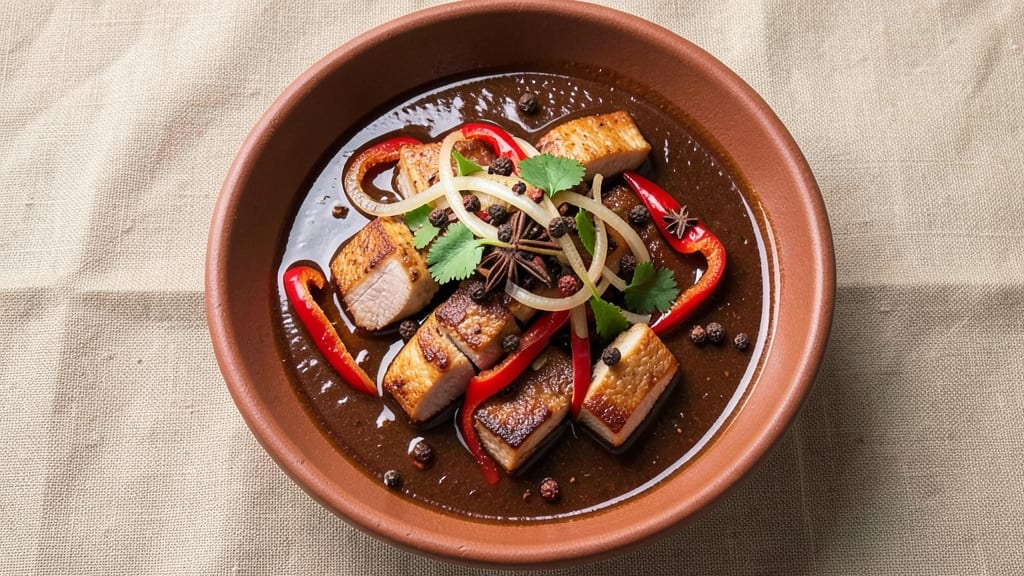
This Chinese pork curry recipe delivers the perfect balance of wok-seared crisp edges and fragrant spice gloss that defines authentic Cantonese home cooking. 🔥 The secret lies in marinating pork belly or shoulder with five-spice powder and Shaoxing wine, then searing it until caramelized before slow-simmering in a rich, aromatic sauce.
I developed this version after years of perfecting the technique for my restaurant's lunch menu—it's the dish that made me realize how much depth Chinese curries have beyond just heat.
The magic happens in layers: first, the pork develops a deep mahogany crust from the wok sear, then the sauce reduces to a glossy consistency that clings perfectly to each bite.
We use a blend of star anise, cinnamon, and Sichuan peppercorns for complexity, with just enough chili to add warmth without overpowering. The key technique is deglazing the wok with Shaoxing wine after searing—this captures all those flavorful browned bits that form the sauce's foundation.
By the time you serve this, you'll have tender pork with crisp edges that contrast beautifully against the velvety sauce, studded with caramelized onions and preserved mustard greens for texture.
The aroma alone will have everyone gathering at the table—it's the kind of dish that tastes even better the next day as flavors meld. Serve with steamed jasmine rice to soak up every last drop of that fragrant sauce.
For those who prefer milder heat, reduce the chili flakes by half—this version still delivers deep umami and aromatic complexity without the burn. The recipe scales perfectly for crowds, making it ideal for family gatherings or dinner parties where you want to impress.
Let's get cooking—this curry will become your new weeknight staple.
Ingredients for chinese pork curry
Nine aromatic spices, tender pork, and a wok-seared crust create this Cantonese-inspired masterpiece.
| Ingredient | Amount | Notes |
|---|---|---|
| Pork Shoulder 🥩 | 1 ½ lb | Bone-in for flavor, cut into 1-inch chunks |
| Shaoxing Wine 🍶 | ½ cup | For marinating and deglazing |
| Five-Spice Powder 🌶️ | 2 tbsp | Authentic blend for aromatic depth |
| Star Anise Pods 🌿 | 2 whole | Crushed lightly for infusion |
| Cinnamon Sticks 🌿 | 2 whole | Broken into 1-inch pieces |
| Sichuan Peppercorns 🌶️ | 1 tsp | Toasted for numbing heat |
| Red Chili Flakes 🔥 | 1 tbsp | Adjust for heat preference |
| Yellow Onions 🧅 | 1 whole | Thinly sliced for caramelization |
| Preserved Mustard Greens 🥬 | ½ cup | Chopped for texture (or sub pickled mustard) |
| Tomato Paste 🍅 | 2 tbsp | For sauce depth (use squeeze tube) |
| Pork or Chicken Stock 💧 | 1 ½ cups | Homemade preferred, low-sodium |
| Dark Soy Sauce 🍜 | 2 tbsp | For umami richness |
| Granulated Sugar 🍚 | 1 tbsp | Balances acidity |
| Vegetable Oil 🫒 | 3 tbsp | High smoke point for searing |
| Green Onions 🧅 | 3 whole | Sliced for garnish |
The pork shoulder is non-negotiable here—bone-in adds depth, and the fat renders beautifully for sauce richness. Look for well-marbled cuts at your local Asian market or butcher shop; H Mart or 99 Ranch carry excellent options. For the five-spice powder, Penzeys or local Chinese markets offer authentic blends—avoid the generic grocery store versions. The star anise and cinnamon should be whole and fragrant; if they smell musty, toss them. Sichuan peppercorns are the secret weapon—they add that signature numbing heat that defines regional Chinese cuisine. Toast them in a dry pan for 30 seconds until fragrant before grinding.
No Shaoxing wine? Dry sherry or Mirin work in a pinch (though Shaoxing's deep umami is ideal). Preserved mustard greens can be swapped for pickled mustard or kimchi if you're in a hurry, but the salty-sweet balance is key. For the chili flakes, reduce by half if serving kids or sensitive palates—this version still delivers complex flavor without the burn. The tomato paste? Squeeze tubes from Trader Joe's are perfect—no waste, and they keep for months. If you're making this for a crowd, double the spices and stock; the flavors only get better with scale.
This curry tastes even better the next day as flavors meld, so make it ahead if possible. Store in an airtight container in the fridge for up to 5 days, or freeze portions for 3 months. The sauce thickens as it cools, so add a splash of water or stock when reheating. For serving, I always garnish with fresh green onions and a drizzle of light soy sauce—it cuts through the richness beautifully. Leftovers reheat perfectly in a skillet with a splash of water to loosen the sauce.
Why You'll Love This Recipe
- One-Pot Magic: That pork shoulder practically cooks itself while you stir-fry the aromatics—no fancy techniques, just sear, simmer, and let the star anise and cinnamon work their slow magic. Honestly, the hardest part is remembering not to rush it.
- Flavor Bomb: Between the deep, toasty five-spice powder and the bright kick of Shaoxing wine, this curry tastes like a hug from a Chinese grandma’s kitchen. That crispy pork edge? Chef’s kiss.
- Leftovers Win: This dish actually improves the next day—drier, richer, and perfect for quick lunches or reheating over rice. I’ve fed a houseful with one batch, and no one ever complains about seconds.
- Budget Stretch: Pork shoulder is cheap, and a single batch feeds four for dinner and lunch. Plus, those whole spices (star anise, cinnamon) last forever, so you’re not buying new ones every week. Smart cooking, right?
Step-by-step instructions for Chinese pork curry
Here's how to create a restaurant-quality pork curry with wok-seared edges and complex spice layers.
🔥 Step 1: Sear the Pork Shoulder for Maximum Flavor
Heat 3 tablespoons vegetable oil in a wok or heavy skillet over medium-high heat until shimmering. Add the 1.5 lb pork shoulder in 1-inch chunks and sear undisturbed for 3-4 minutes until edges are deeply golden brown. This creates the signature crispy edges while building rich fond for the sauce.
Here's the thing—I press down gently on the pork pieces during the first minute to prevent curling. You'll know it's ready to flip when it releases easily from the pan. Transfer the seared pork to a plate and set aside.
🍳 Step 2: Build the Spice Base with Aromatics
In the same wok, reduce heat to medium and add the thinly sliced yellow onions. Cook for 4-5 minutes until softened and just beginning to caramelize—this sweetness balances the spices beautifully.
Add the crushed star anise pods, broken cinnamon sticks, toasted Sichuan peppercorns, and 2 tablespoons five-spice powder. Stir constantly for 1 minute until fragrant—you should smell that signature wok hei aroma. This aromatic blend forms the soul of the curry.
🥘 Step 3: Develop the Sauce with Wine and Stock
Pour in the 0.5 cup Shaoxing wine and scrape up all the browned bits from the bottom of the wok with a wooden spoon. This deglazing step captures all that concentrated flavor. Let it simmer for 2 minutes until the wine reduces by half.
Add the 2 tablespoons tomato paste, 1 tablespoon granulated sugar, 1 tablespoon red chili flakes, 2 tablespoons dark soy sauce, and 1.5 cups pork or chicken stock. Bring to a gentle simmer and cook uncovered for 10 minutes to let the flavors meld—this is where the sauce develops its glossy, balanced character.
🍳 Step 4: Finish with Pork and Preserved Greens
Return the seared pork to the wok and spoon the sauce over it. Add the 0.5 cup chopped preserved mustard greens and simmer for 10-12 minutes until the pork is fork-tender and the sauce has thickened slightly. The preserved greens add that signature tangy crunch that cuts through the richness.
Real talk: the pork should be tender enough to pull apart with two forks, but still hold its shape. If the sauce is too thin, simmer uncovered for another 2-3 minutes to reduce it to your desired consistency.
🍽️ Step 5: Garnish and Serve with Confidence
Remove from heat and stir in the sliced green onions. Taste and adjust seasoning if needed—you might need a touch more soy sauce for saltiness or sugar to balance acidity. The curry should have a perfect balance of sweet, spicy, tangy, and umami flavors.
Serve immediately over steamed jasmine rice, garnished with extra green onions. Each bite should deliver that perfect contrast of crispy pork edges, tender meat, and glossy spice sauce. The preserved mustard greens add a delightful crunch that keeps every mouthful exciting.
Pro Tips For Making Chinese Pork Curry
- Bloom the Spices First: Toss whole star anise and cinnamon sticks into your hot wok before adding oil—this releases their aroma early and prevents bitter notes. I learned this the hard way after a batch tasted like medicine instead of curry.
- Salt the Pork After Browning: Wait until the pork shoulder is fully caramelized before seasoning—this keeps the crust intact and lets the salt penetrate deeper during the slow braise. My grandmother swore by this, and she was right: salting early makes the meat tougher.
- Deglaze with Shaoxing Wine: Pour the Shaoxing wine gradually while scraping the fond from the bottom—this pulls all the browned bits into the sauce for richer flavor. Skip this, and you’re missing half the depth.
- Simmer Low and Covered: Reduce heat to a bare simmer once the pork is submerged, then cover loosely with foil to trap steam without boiling the sauce dry. I used to rush this, and the curry always ended up watery or overcooked.
Troubleshooting your chinese pork curry
Pork Not Browning
If your pork isn't developing that deep mahogany crust, your pan isn't hot enough. I've seen this happen when people use nonstick pans—they're great for eggs, but not for searing pork.
Use a carbon steel wok or cast iron skillet (like my Lodge 10.25-inch) and let it get screaming hot before adding the pork. If you're using a gas stove, turn the burner to high for 5 minutes before testing with a drop of water—it should sizzle immediately. 🔥
Another common mistake? Overcrowding the pan. Cook in batches if needed—this ensures each piece gets proper contact with the hot surface. I've had to restart this step twice when teaching classes because people rush and end up with pale, soggy pork instead of crisp edges.
Patience here makes all the difference.
Sauce Too Thin
The sauce should coat the back of a spoon with a glossy sheen. If yours is watery, you likely didn't reduce it enough. After adding all ingredients, simmer uncovered for 5-10 extra minutes—the alcohol in Shaoxing wine needs time to evaporate completely.
For an emergency fix, mix 1 teaspoon cornstarch with 1 tablespoon cold water, stir into the sauce, and simmer for 2 minutes until thickened.
Pro tip: I always use pork stock instead of water—it adds natural body to the sauce. If you're using chicken stock, reduce it by ¼ cup since it's slightly lighter.
The sugar in the recipe helps balance acidity, but if your sauce tastes flat, add ½ teaspoon more sugar or a pinch of white pepper to enhance depth.
Spices Too Overpowering
Freshly toasted spices are more aromatic but can dominate if not balanced. If your curry tastes like a spice cabinet exploded, you likely used too much five-spice powder or chili. Start with 1 teaspoon of five-spice and ½ teaspoon of chili flakes as a baseline—you can always add more.
The Sichuan peppercorns are particularly potent; if you're sensitive to their numbing effect, reduce to ¼ teaspoon or omit entirely.
Remember, the Shaoxing wine and dark soy sauce help mellow the spices. If your sauce tastes harsh, add 1 tablespoon more wine or ½ teaspoon sugar to round out the flavors.
I've had to rescue many curries by adding a splash of coconut milk (just 2 tablespoons)—it smooths out the heat while adding creamy richness.
Pork Too Tough
Undercooked pork is the fastest way to ruin this dish. The 1.5 lb pork shoulder should reach 203°F internal temperature—use a meat thermometer (I swear by ThermoWorks Smoke) to check. If your pork is still tough after simmering, it likely didn't cook long enough.
The 10-12 minutes in the sauce is just the finishing touch—most of the cooking happens during the initial sear and simmer.
For extra tenderness, I recommend parboiling the pork first: Simmer the chunks in 2 cups water for 15 minutes, then drain and pat dry before searing. This short pre-cook ensures even doneness without drying out the meat.
If you're short on time, use pork tenderloin instead—it cooks faster but loses some of the fatty richness.
Preserved Greens Too Salty
Store-bought preserved mustard greens can vary wildly in saltiness. If yours makes the curry taste like the ocean, rinse them thoroughly in cold water before adding.
For even better control, soak in water for 10 minutes, then drain and pat dry. This removes excess salt while preserving their tangy crunch.
If you can't find preserved mustard greens, pickled mustard or kimchi work in a pinch—but reduce the soy sauce by ½ teaspoon to compensate for their extra salt.
The key is balance: these greens should add brightness, not overpower the dish. Taste them before adding to the curry—if they're too intense, reduce the amount by half.
Nutrition facts
Frequently asked questions
Can I substitute pork shoulder with another cut?
For a leaner option, use pork tenderloin (trimmed of fat) or pork loin, but reduce cooking time by 10-15 minutes since these cuts are more tender. For richer flavor, try pork belly—it renders beautifully but requires 20-25 minutes of simmering to fully tenderize. The key is to maintain 1-inch chunks for even cooking.
What's the best way to make this curry less spicy?
Start by reducing the red chili flakes to ½ teaspoon or omit them entirely. For extra mildness, add 2 tablespoons coconut milk at the end—it smooths the heat while adding creaminess. The Shaoxing wine and sugar naturally balance spice levels, so don't skip them. Taste as you go and adjust gradually!
Can I make this in a slow cooker?
Yes! Sear the pork first in a skillet, then transfer everything (including spices and stock) to your slow cooker. Cook on low for 6-7 hours or high for 3-4 hours. The sauce will thicken naturally, but add 1 tablespoon cornstarch slurry at the end if needed. The slow cooker method enhances tenderness but may dilute the wok hei aroma slightly.
How do I store and reheat leftovers?
Store in an airtight container for up to 5 days in the fridge or 3 months in the freezer. To reheat, warm in a skillet over medium heat with 2 tablespoons water or stock to loosen the sauce. For microwave reheating, cover and heat in 1-minute intervals, stirring between each. The flavors actually improve overnight as they meld!
What are the best sides to serve with this?
Steamed jasmine rice is classic, but also try egg noodles or congee for a comforting twist. For fresh contrast, add stir-fried bok choy or cucumber salad with rice vinegar. The tangy crunch cuts through the rich curry beautifully. I also love serving it with mantou (steamed buns) for dipping!