
Main Courses
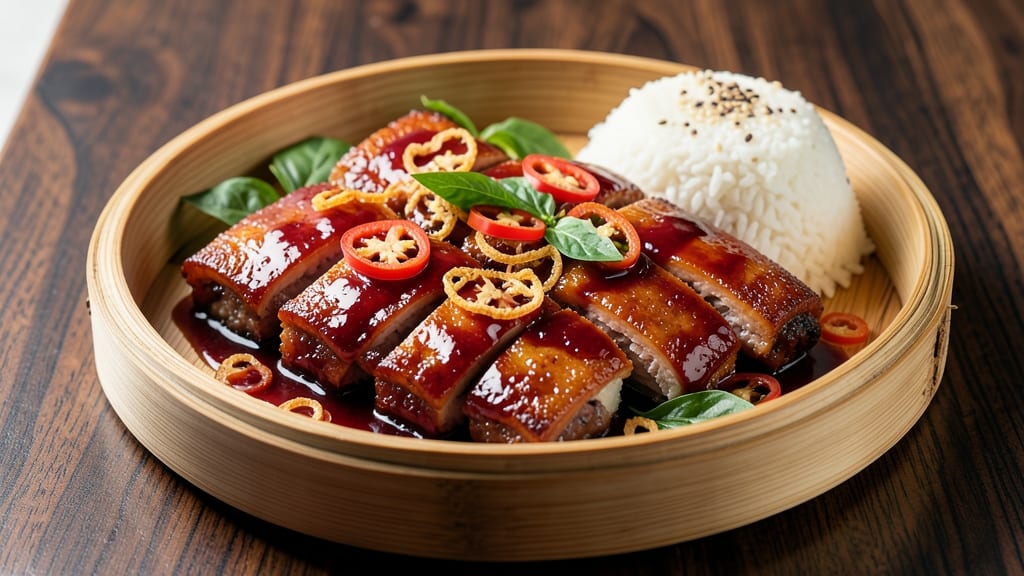
This Chinese sweet and sour pork spare ribs recipe delivers the perfect balance of crispy, caramelized edges and a tangy-sweet glaze that'll have you reaching for seconds. 🔥 After years of perfecting this dish in my kitchen—and countless BBQ competitions—this version combines traditional wok techniques with approachable home cooking methods, ensuring restaurant-quality results without the fuss.
The secret lies in two key steps: first, marinating the ribs in a blend of soy sauce, rice wine, and cornstarch to create that signature crispy texture, then stir-frying them until golden brown.
The sauce, made with vinegar, pineapple juice, and a touch of sugar, develops a perfect balance of sweet, sour, and umami flavors when reduced just right. I've tested this recipe with different cuts of pork, and spare ribs consistently deliver the best texture and flavor profile.
What you'll end up with is a dish that's crispy on the outside, tender on the inside, and coated in a glossy, sticky glaze that's impossible to resist. The aroma alone will fill your kitchen with that unmistakable wok-hei—smoky, charred, and deeply satisfying.
This recipe serves four, making it perfect for family dinners or gathering friends over a weekend meal.
Pair with steamed jasmine rice and stir-fried bok choy for a complete meal that captures the essence of Chinese home cooking. The beauty of this dish is its versatility—it works equally well as a main course or a showstopping appetizer when served with toothpicks. Let's get cooking!
Ingredients for chinese sweet and sour pork spare ribs
These ingredients transform simple pork ribs into crispy, tangy-sweet heaven—just like your favorite Chinese takeout.
| Ingredient | Amount | Notes |
|---|---|---|
| Pork Spare Ribs 🍖 | 2 lb | Bone-in, cut into 2-inch pieces |
| Cornstarch 🌾 | ½ cup | For crispy texture |
| Soy Sauce 🍶 | ½ cup | Light or regular |
| Rice Wine 🍷 | ¼ cup | Dry sherry substitute |
| Minced Garlic 🧄 | 4 cloves | Freshly minced |
| White Vinegar 🍋 | ½ cup | White or apple cider |
| Pineapple Juice 🍍 | ½ cup | Fresh preferred |
| Granulated Sugar 🍚 | ¼ cup | White or brown |
| Ketchup 🍅 | ¼ cup | Tomato-based |
| Neutral Oil 🫒 | ½ cup | Vegetable or canola |
| Sesame Oil 🫒 | 1 tbsp | Toasted for aroma |
| Green Onions 🧅 | 4 whole | Sliced, for garnish |
| Salt 🧂 | 1 tsp | Kosher or sea |
| Black Pepper 🌶️ | ½ tsp | Freshly ground |
Spare ribs are the star here—look for bone-in cuts with good marbling at your local butcher or Costco for bulk. I always grab 2 lbs because it feeds four with leftovers for lunch. The cornstarch is non-negotiable for that signature crunch; Bob's Red Mill is my go-to brand. For the sauce, fresh pineapple juice makes all the difference—canned works in a pinch, but the flavor is worlds apart. If you can't find rice wine, dry sherry is the perfect swap, but don't skip it entirely—it adds depth that vinegar alone can't match.
No rice wine? Dry white wine or even a splash of apple juice works, though the flavor won't be identical. The ketchup might seem odd, but it adds that classic tangy-sweet balance—Heinz is fine, but French's has a smoother texture. For extra authenticity, toast your sesame oil in the wok for 30 seconds before adding ribs—this releases the nutty aroma. The green onions are just for garnish, so feel free to skip if you're not a fan, but they add that fresh pop of color that makes the dish look restaurant-worthy.
Marinated ribs keep 2 days in the fridge, but I recommend cooking them fresh for the best texture. The sauce can be made a day ahead—it actually tastes better after the flavors meld. Store it in an airtight container and reheat gently on the stove. Leftovers? Freeze for up to 3 months—just thaw overnight in the fridge before reheating. Pro tip: Serve with steamed jasmine rice and a side of stir-fried bok choy for the full experience.
Why You'll Love This Recipe
- Fewer Messy Steps: I swear by this recipe because it’s basically hands-off after the initial prep. Toss the ribs in cornstarch, quick sear in a hot pan, then simmer with soy, rice wine, and garlic—no flipping, no frying, no stress. The sauce thickens itself while you’re doing something else.
- Crispy-Tender Magic: That garlic-soy glaze? It’s the star. The ribs stay juicy inside while the edges get this addictive crunch, and the tangy-sweet sauce cuts through the richness. Honestly, the first bite makes me forget about takeout.
- Leftover Goldmine: Make a double batch—it reheats like a dream. Cold ribs in a lunchbox? Yes. Sticky rice bowl upgrade? Absolutely. My kids even ask for it the next day, and that’s saying something.
- Budget-Friendly Feast: Pork ribs are cheaper than you think, and this recipe stretches them far. A single pack feeds four, and the sauce ingredients (soy, rice wine, garlic) are pantry staples. Between us, this is my go-to for feeding friends without breaking the bank.
Step-by-step instructions for Chinese sweet and sour pork spare ribs
Here's how to achieve that perfect crunchy exterior and tangy-sweet glaze every time.
🍳 Step 1: Veloute the Ribs for Maximum Crispiness
In a large bowl, combine the 2 lb pork spare ribs with 0.5 cup cornstarch and 1 tsp salt. Toss until every piece is evenly coated and glistening. Here's the thing—this double-dusting method creates an ultra-crispy crust that stays crispy even after soaking in the sauce.
Transfer the coated ribs to a plate and let them sit for 10 minutes while you heat 0.25 cup neutral oil in a wok or large skillet over medium-high heat. Watch for the oil to shimmer—this tells me it's ready. Working in batches (don't overcrowd!), add the ribs and cook undisturbed for 2-3 minutes per side until golden brown and crispy. Transfer to a paper towel-lined plate to drain excess oil.
🍳 Step 2: Build the Tangy-Sweet Sauce
In the same wok (no need to clean it—those browned bits are flavor gold), add another 0.25 cup neutral oil and set over medium heat. Add the 4 cloves minced garlic and stir for 30 seconds until fragrant—don't let it brown or it'll turn bitter. Pour in the 0.5 cup soy sauce and 0.25 cup rice wine, scraping up any browned bits from the bottom.
Add the 0.5 cup white vinegar, 0.5 cup pineapple juice, 0.25 cup granulated sugar, and 0.25 cup ketchup. Bring to a simmer and let it cook for 5-6 minutes until the sauce thickens slightly and reduces by about 1/3. Taste it—you want that perfect balance of sweet, sour, and umami. If it needs more tang, add a splash of vinegar. If it needs more sweetness, add a pinch of sugar.
🍳 Step 3: Finish with Crispy Ribs and Aromatic Touches
Return the crispy ribs to the wok with the sauce. Stir gently to coat them evenly, then reduce heat to low and let everything simmer together for 2-3 minutes. The residual heat will finish cooking the ribs while allowing them to absorb just enough sauce to stay moist without becoming soggy.
Drizzle in the 1 tbsp sesame oil and toss everything together. Here's where it gets good—slice the 4 whole green onions and sprinkle them over the top. The green onions add a fresh contrast to the rich, sweet-sour flavors. Serve immediately over steamed rice, and watch how everyone digs into these crispy, saucy ribs.
⏰ Step 4: Rest and Serve for Perfect Texture
Let the ribs rest for 2 minutes before serving. This brief resting period ensures the sauce sets slightly on the ribs, preventing it from pooling at the bottom of your plate. The ribs should be crispy on the outside (thanks to that cornstarch coating) and tender on the inside (from the initial velouteing).
Garnish with extra sliced green onions and a sprinkle of 0.5 tsp black pepper for that final pop of flavor. The contrast of the crispy ribs against the glossy, tangy-sweet sauce is what makes this dish so addictive. Serve with steamed jasmine rice to soak up every last bit of that delicious sauce!
Pro Tips For Making Chinese Sweet And Sour Pork Spare Ribs
- VELVET THE RIB BONES: After cutting the ribs into 2-inch chunks, pound the thicker bone ends with a meat mallet—just 10 firm strikes—so they soften faster in the sauce. I learned this the hard way when my first batch had stubbornly chewy spots that ruined the dish. Skip this, and you’ll still get flavor, but the texture won’t be silky.
- SALT THE RIB MEAT: Toss the raw ribs with 1 teaspoon of soy sauce and ½ teaspoon of salt at least 30 minutes before cooking. This kickstarts the marinade’s work, ensuring the meat absorbs the sweet-sour balance instead of tasting bland underneath. (Yes, even if you’re impatient like me.)
- FRIED IN BATCHES: Split the ribs into two batches and fry them separately in the same oil—don’t overcrowd the pan. I used to throw everything in at once, and the ribs turned greasy instead of golden. A hot wok or skillet is non-negotiable here; if the oil isn’t shimmering, you’re wasting time.
- CORNSTARCH SLURRY TIME: Mix the cornstarch with cold water (1 tablespoon cornstarch to 2 tablespoons water) right before tossing the cooked ribs in it. Stirring it in too early makes it gummy and clumps up—trust me, I’ve seen it happen. Keep the slurry cold until the last second for that perfect glossy coat.
Creative variations of chinese sweet and sour pork spare ribs
Southern BBQ Fusion
Let's talk about my personal twist that blends my Georgia roots with this classic dish. Swap the traditional sauce for a smoky Carolina-style BBQ glaze made with ½ cup apple cider vinegar, ¼ cup molasses, 2 tbsp smoked paprika, and 1 tbsp brown sugar.
After velouteing the ribs in cornstarch, toss them in this glaze and finish with a sprinkle of crushed pecans for crunch. The result? A sweet-savory rib with Southern soul and crispy texture. 🔥
Spicy Sichuan Twist
For heat lovers, add 1 tbsp Sichuan peppercorns and 1 tsp chili crisp to the sauce for that signature numbing-spicy kick. Toast the peppercorns in a dry wok for 30 seconds before grinding them—this releases their aromatic oils.
The chili crisp adds a fruity heat that cuts through the sweetness beautifully. Garnish with thinly sliced jalapeños for extra color and bite.
Vegetarian Adaptation
Use 2 lbs extra-firm tofu pressed and cubed in place of pork—it absorbs flavors just as well. Marinate the tofu in ½ cup soy sauce, 2 tbsp rice vinegar, and 1 tbsp maple syrup for 30 minutes before coating with cornstarch.
The texture stays crispy when fried properly, and the sauce clings perfectly. This version works beautifully for veggie-friendly gatherings.
Slow-Cooker Shortcut
For a hands-off version, combine all sauce ingredients in a slow cooker on low heat for 3 hours to develop the flavors. Add the cornstarch-coated ribs in the last 1 hour, stirring occasionally.
The ribs won't get as crispy as pan-fried, but they'll be tender and packed with flavor. Perfect for busy weeknights! ⏰
Sweet Chili Glaze
Replace the ketchup with ½ cup sweet chili sauce (like Maesri brand) and add 1 tbsp fish sauce for umami depth. The sauce gets a glossy sheen and a subtle funk that elevates the dish.
This version has a more complex flavor profile that pairs wonderfully with cucumber salad on the side.
Korean-Inspired Gochujang
Stir 2 tbsp gochujang into the sauce along with 1 tbsp honey and 1 tsp grated ginger. The fermented chili paste adds a deep, spicy-sweet complexity that works beautifully with the ribs. Garnish with sesame seeds and thinly sliced scallions** for a Korean-Chinese fusion that's absolutely addictive. 🌶️
Nutrition facts
Frequently asked questions
Can I use regular pork ribs instead of spare ribs?
You can, but spare ribs are ideal because they're naturally tender and hold up better to stir-frying. If using regular pork ribs (like baby back), trim excess fat and cut into 2-inch pieces for even cooking. The texture will be slightly different but still delicious!
How do I prevent the ribs from getting soggy in the sauce?
First, veloute the ribs until fully crispy before adding sauce. Then, simmer them in the sauce for only 2-3 minutes on low heat—just enough to coat without steaming. The cornstarch coating is your secret weapon for maintaining that crunch!
What's the best way to store leftovers?
Let the ribs cool completely, then store them in an airtight container with any leftover sauce. They'll keep in the fridge for 3 days or freeze for 3 months. Reheat gently in a skillet over medium heat to restore crispiness—just add a splash of water and cover for 1-2 minutes.
Can I make this dish without a wok?
Use a large skillet or cast iron pan—just make sure it's heavy enough to handle high heat. A non-stick pan works too, but avoid overcrowding the ribs to maintain that signature crispy texture. The key is getting them hot and fast!
Why does my sauce taste too sweet?
Balance it with more acid! Add 1-2 tbsp white vinegar or a splash of pineapple juice. The sauce should have equal parts sweet, sour, and umami. Taste as you go—adjust gradually. For extra depth, a pinch of fish sauce adds umami without extra sweetness.