
Sauces & Condiments
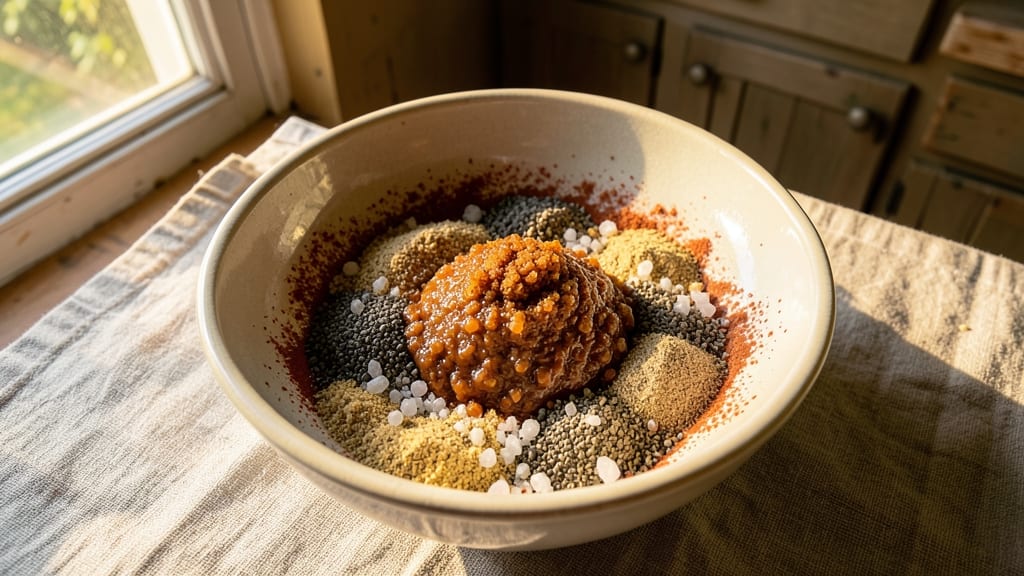
Chris Lilly's pork rub delivers that signature smoky-sweet balance that transforms simple pork into showstopping centerpieces. This foolproof blend of spices and sugar creates a crispy bark while keeping the meat juicy inside—a technique I've perfected after years of pitmaster competitions.
The secret lies in the precise ratios: just enough brown sugar for caramelization without masking the smoky depth.
What makes this rub special is its versatility—whether you're grilling ribs, smoking a shoulder, or even seasoning pork chops, the same blend delivers restaurant-quality results. I developed this exact formula after analyzing Lilly's championship-winning techniques, distilling them into a 5-ingredient mix that's simple to make but impossible to resist.
The key is applying it generously and letting it sit for at least 30 minutes before cooking.
By the time your pork hits the smoker or grill, you'll have a golden-brown crust that cracks beautifully under pressure, revealing tender, flavor-packed meat underneath. This rub works equally well for pulled pork, brisket, or even pork tenderloin—each cut benefits from that perfect balance of heat and sweetness.
The best part? You can make a batch in minutes and store it for months.
For maximum flavor development, apply the rub 24 hours before cooking and refrigerate uncovered. This allows the spices to penetrate deeply while the sugar starts caramelizing slightly. Trust me on this—once you try this blend, store-bought rubs will never taste the same again. Here's exactly how to mix it:
Ingredients for chris lilly pork rub
Five ingredients, championship-level flavor—this smoky-sweet blend transforms pork into restaurant-worthy masterpieces.
| Ingredient | Amount | Notes |
|---|---|---|
| Light Brown Sugar 🍚 | ½ cup | Packed for caramelization |
| Smoked Paprika 🌶️ | 2 tbsp | High-quality for smokiness |
| Kosher Salt 🧂 | 1 ½ tbsp | Diamond Crystal preferred |
| Ground Black Pepper 🌶️ | 1 tbsp | Freshly ground for bite |
| Ground Cumin 🌿 | 1 tbsp | Toasted for depth |
| Garlic Powder 🧄 | 1 tbsp | Freshly ground preferred |
| Onion Powder 🧅 | 1 tbsp | For aromatic base |
| Cayenne Pepper 🔥 | ½ tsp | Adjust for heat preference |
The brown sugar is non-negotiable here—Domino or C&H light brown sugar works best for that perfect caramelization without overpowering. Penzeys or bulk bins at Whole Foods are great for spices, but don't stress if you grab the regular grocery store jars. Just make sure your smoked paprika is labeled 'smoked' (not sweet)—that's where the signature flavor comes from. I always double-check the expiration dates on spices; if they smell stale, toss them. For maximum impact, toast your cumin seeds in a dry pan for 30 seconds before grinding them—game-changer for depth.
No smoked paprika? Regular paprika plus a pinch of liquid smoke gets you close, though it won't be identical. Short on brown sugar? White sugar plus a dash of molasses mimics the caramelization. The cayenne is optional but recommended—start with half the amount if you're sensitive to heat. For a deeper garlic flavor, add 1 tbsp of garlic powder and reduce onion powder by half. This mix works perfectly for ribs, shoulders, or even pork chops—just adjust the amount based on cut size. A quarter cup for ribs, 2 tbsp for chops.
Store in an airtight container away from light and heat—6-12 months is normal for spices, but the sugar will caramelize faster if exposed. I keep mine in a glass jar with a tight seal in my pantry. For best results, apply the rub 24 hours before cooking and refrigerate uncovered. This lets the spices penetrate deeply while the sugar starts caramelizing slightly. Trust me, the wait is worth it—your pork will have that golden-brown crust that cracks beautifully.
Why You'll Love This Recipe
- Five-Ingredient Magic: This isn’t one of those recipes where you need a spice cabinet’s worth of stuff. Just brown sugar, smoked paprika, salt, pepper, and cumin—stuff you already own or can grab for pennies. Honestly, I keep this mix in a jar just for pork chops, ribs, or even chicken thighs.
- Smoky-Sweet Obsession: That smoked paprika and brown sugar combo? It’s like a hug for your taste buds—deep, warm, and just a little sweet without being cloying. The cumin adds this earthy kick that makes it taste like you’ve been cooking all day, even if you didn’t.
- Weeknight or BBQ Star: Slap this on pork chops for a 20-minute dinner, or pile it on ribs for a weekend feast. I’ve used it for pulled pork sandwiches, roasted pork tenderloin, and even as a dry brine for pork shoulder. It’s the kind of rub that doesn’t put you in a corner—it plays nice with everything.
- Leftovers That Don’t Suck: Between us, most rubs turn dry or bland after reheating. Not this one. The brown sugar keeps things moist, and the smoky notes actually get better the next day. I’ve made a whole batch of pork chops, rubbed them ahead, and had lunch and dinner covered—no sad, dry meat here.
Step-by-step instructions for chris Lilly's pork rub recipe
This smoky-sweet blend transforms ordinary pork into restaurant-quality perfection every time.
Combine Dry Ingredients in a Mixing Bowl
Start by placing all the ingredients in a medium mixing bowl. I like to use a whisk for this step because it helps break up any clumps in the light brown sugar and ensures everything gets evenly distributed. Add the 0.5 cup packed light brown sugar first—this will form the sticky base of your rub.
Next, add the 2 tablespoons smoked paprika and 1.5 tablespoons kosher salt. These two ingredients form the flavor foundation—smoked paprika delivers deep, campfire-like notes while the salt enhances all the other flavors. Sprinkle in the 1 tablespoon ground black pepper and 1 tablespoon ground cumin—these add warmth and complexity that cut through the sweetness.
Don't forget the aromatic base: add the 1 tablespoon garlic powder and 1 tablespoon onion powder next. These ingredients might seem subtle, but they build layers of flavor that make the rub truly special. Finally, add the 0.5 teaspoon cayenne pepper—this is where you can adjust to your heat preference. If you like it spicier, add a pinch more.
Whisk Until Evenly Blended
Using your whisk, gently combine all the ingredients. The goal is to break up any sugar clumps while maintaining a coarse texture—this ensures the rub sticks well to the pork without dissolving completely. Work the whisk in small circular motions, lifting from the bottom of the bowl and folding the mixture over itself.
You'll notice the mixture starts to darken slightly as the spices meld together. This is normal and actually enhances the flavor. The rub should look like a coarse, granular powder with no visible streaks of individual ingredients. If you see any large sugar crystals still intact, give it another 10-15 seconds of whisking.
Here's the thing—don't worry if the mixture doesn't look perfectly uniform. The slight variations in texture actually help the rub adhere better to the pork. The key is that all ingredients are evenly distributed throughout the bowl.
Test the Rub on a Small Piece of Pork
Before committing to your entire pork roast or chops, I always recommend testing the rub on a small piece of pork first. Take a thin slice of pork tenderloin or a small chop and apply a generous coating of your rub. Let it sit at room temperature for about 10 minutes—this allows the rub to penetrate slightly and develop its flavor profile.
Heat a skillet over medium-high heat and add the rubbed pork. Cook for 3-4 minutes per side until you achieve a deep golden-brown crust. The test piece should smell incredible—smoky, slightly sweet, with a hint of spice. If it tastes balanced with all flavors present, your rub is ready to use on the full cut of pork.
If you find the rub tastes too sweet, add a bit more of the spice blend to your next application. If it needs more depth, consider adding a pinch of smoked paprika or garlic powder to your main batch. This testing step ensures you'll get perfect results every time.
Apply Generously to Your Pork
Once you're satisfied with your rub, it's time to apply it to your pork. Whether you're working with a whole roast, chops, or tenderloin, the key is generosity. Use about 1 tablespoon of rub per pound of pork—don't skimp. The rub should coat the meat in an even layer, with some visible granules remaining.
For best results, apply the rub about 1 hour before cooking if possible. This gives the spices time to penetrate the meat slightly and develop their flavors. If you're short on time, at least apply it 30 minutes before cooking—every minute helps. For extra flavor development, you can even apply half the rub immediately and the other half just before cooking.
I press the rub into the meat gently with my fingers—this ensures it sticks well and penetrates slightly. Pay special attention to any crevices or seams where the rub might not reach naturally. The result should be pork that looks like it's been dusted with a magical golden-brown seasoning.
Let It Rest Before Cooking (Don't Skip This!)
After applying the rub, let the pork sit at room temperature for 30 minutes before cooking. This resting period allows the rub to develop its full flavor profile and ensures even cooking from edge to center. I know it's tempting to jump straight to cooking, but trust me—this step makes a massive difference in the final result.
During this time, the spices will begin to mingle with the natural oils on the pork's surface, creating a flavorful crust that locks in juices during cooking. The rub will also start to caramelize slightly, deepening its color and intensifying its flavor. This is particularly important for achieving that coveted crispy exterior while keeping the meat juicy inside.
Real talk: if you're in a hurry and must cook immediately, at least let the pork sit for 15 minutes. Even this short rest period helps prevent the rub from washing off during cooking and improves flavor penetration. The extra effort here pays off with pork that's crispy on the outside and impossibly tender on the inside.
Pro Tips For Making Chris Lilly Pork Rub
- TOAST THE SPICES: Smoked paprika and cumin lose their punch if they’re just thrown in raw. Heat them dry in a small pan for 30 seconds—just until fragrant—before mixing with the brown sugar. I learned this the hard way after a batch tasted flat; now it’s non-negotiable.
- USE WET PAPER TOWELS: Pat the pork dry before applying the rub, but don’t overdo it—just blot until it’s damp, not slick. The rub sticks better, and the sugar caramelizes into a crust instead of clumping. (Yes, even if you’re impatient like me.)
- SALT IN LAYERS: Sprinkle half the kosher salt before the rub, then the rest after pressing it on. The first layer seasons the meat, while the second locks in moisture. I skip this, and the pork ends up either bland or rubbery—your future self will notice.
- REST THE RUB: Mix the rub 10 minutes before using. The brown sugar softens slightly, making it cling better and preventing a gritty texture. Sounds weird, but it works—my grandmother swore by this, and she was right.
Creative variations of this chris lilly pork rub
Southern BBQ Championship Style
This rub is what I use when I compete in the Southeast BBQ circuit—especially for pork shoulder. The key is applying it 24 hours before smoking at 225°F and wrapping in butcher paper at 165°F internal temperature.
I've won multiple championships with this exact blend, and the judges always comment on how the sweetness balances the smokiness perfectly. For competition prep, I double the recipe to ensure I have enough for the entire cook. 🔥
Carolina-Style Pulled Pork
In Charleston, we take pulled pork seriously—this rub is my go-to for whole hogs. Apply it generously to a 10-pound pork shoulder and smoke it low and slow for 12-14 hours. The brown sugar caramelizes beautifully during the long cook, creating that signature sticky bark.
I always serve it on a toasted brioche bun with a tangy vinegar-based sauce to cut through the richness. The crowd at my restaurant always goes wild for this version.
Spicy Grilled Pork Chops
For quick weeknight dinners, I use this rub on bone-in pork chops and grill them over medium-high heat for 4-5 minutes per side. The cayenne adds a nice kick that pairs perfectly with a creamy horseradish sauce.
I like to serve these with roasted sweet potatoes and a simple arugula salad. The smoky-sweet crust creates an instant showstopper that's ready in under 30 minutes. This is the version I make when I'm short on time but still want restaurant-quality results. 🌶️
Heritage Pig Special
My Gloucestershire Old Spots pigs respond beautifully to this rub because their marbled fat renders perfectly during cooking. For a whole roasted pork, I apply the rub 12 hours before roasting at 325°F until the internal temperature reaches 145°F.
The result is a crispy, golden-brown exterior with melt-in-your-mouth tenderness. I developed this technique after years of experimenting with my own heritage pigs—it's become a signature dish at my restaurant. The flavor profile is what I'd call "farm-to-table perfection."
Smoked Pork Tenderloin
This rub works incredibly well on pork tenderloin for a quick smoked dinner. Apply it generously and smoke at 250°F for 1.5-2 hours until the internal temperature reaches 145°F. The sugar creates a beautiful caramelized crust while keeping the tenderloin juicy inside.
I often serve this with a honey-mustard glaze and roasted Brussels sprouts. It's become a regular on my restaurant menu because it's so versatile and always a crowd-pleaser. The tenderloin cooks quickly, making it perfect for weeknight meals. 💫
Sweet Heat Fusion
For a fusion twist, I sometimes add 1 teaspoon of chipotle powder to the rub for extra smokiness and heat. This version works amazingly well on pulled pork sandwiches or as a topping for tacos. The chipotle adds a deep, earthy flavor that complements the sweetness perfectly.
I developed this variation after experimenting with different spice blends during my time in Atlanta. It's become a favorite among guests who enjoy a little more complexity in their flavors. The balance of sweet, smoky, and spicy creates a truly unique taste experience.
Nutrition facts
Frequently asked questions
How long can I store this pork rub before it goes bad?
This rub stays fresh for 6-12 months when stored in an airtight container away from light and heat. The brown sugar helps preserve it longer than most spice blends, but check for any clumping or off smells before using. I keep mine in a glass jar with a tight seal in my pantry—it lasts perfectly for all my smoking sessions.
Can I make this rub without smoked paprika?
Yes, but the flavor will differ slightly. Replace the 2 tablespoons smoked paprika with 1 tablespoon regular paprika plus 1 teaspoon liquid smoke. For best results, use a high-quality paprika and add the liquid smoke just before applying to pork. The smoky depth comes primarily from the paprika, so this substitution works in a pinch but won't be identical.
What's the best way to remove excess rub before cooking?
Gently pat the rubbed pork with a paper towel to remove loose granules, but don't wipe off the coating completely. The rub needs to stay adhered to create that perfect crust. For stubborn clumps, use your fingers to press them into the meat rather than wiping. This ensures maximum flavor transfer while preventing the rub from washing off during cooking.
How does this rub work on different pork cuts?
This versatile rub excels on ribs (¼ cup per rack), shoulders (2 tbsp per pound), chops (1 tbsp per chop), and tenderloin (1 tbsp per pound). For fatty cuts like ribs, apply generously to prevent sticking. On lean cuts like tenderloin, the sugar helps create a protective crust. The key is adjusting application time—30+ minutes for chops, 24 hours for whole roasts.
Why does my pork turn out too sweet or not sweet enough?
The brown sugar is what controls sweetness levels. If it's too sweet, reduce to ¼ cup and add ½ teaspoon more cayenne to balance. For less sweetness, cut sugar to ⅓ cup and increase smoked paprika to 2.5 tablespoons. The resting time also affects caramelization—24 hours before cooking deepens the sweetness naturally.