
Main Courses
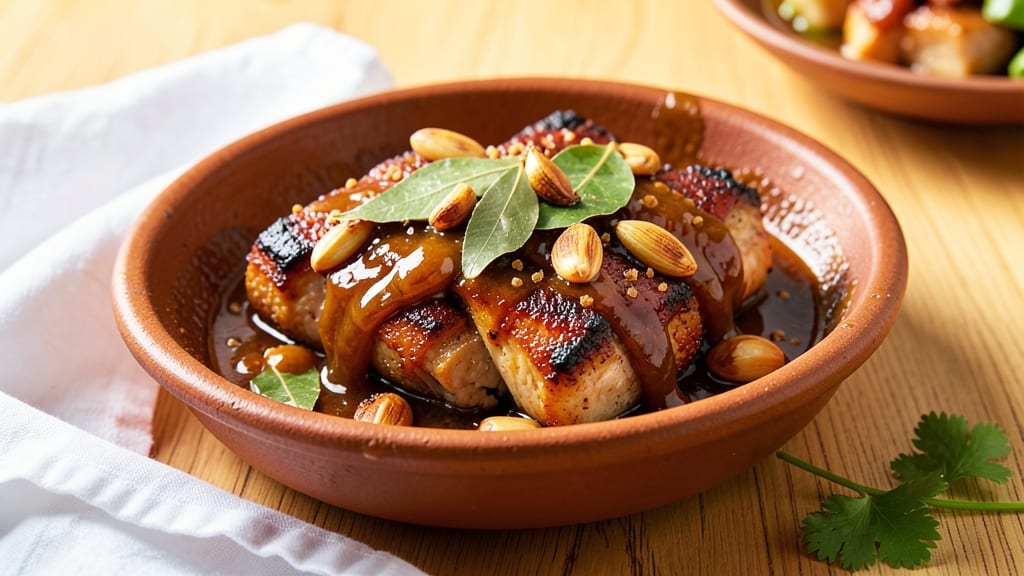
This classic pork adobo recipe brings the soul of Filipino home cooking to your kitchen, where tender pork transforms through a perfect balance of vinegar and soy. I remember my first taste of adobo in Manila—how the tangy-savory sauce clings to every bite, melting into rich, velvety perfection.
That memory inspired me to perfect this recipe, ensuring the meat stays fork-tender while absorbing deep, caramelized flavors.
The secret lies in the slow braise, where pork shoulders break down into melt-in-your-mouth pieces while soaking up the aromatic sauce. We’ll use a foolproof method: marinating the pork in vinegar and soy first, then simmering it until the liquid reduces to a glossy, flavor-packed glaze.
This approach delivers restaurant-quality results without requiring advanced techniques—just time and patience.
By the end, you’ll have a dish that’s simultaneously comforting and sophisticated: tender pork swimming in a sauce that’s tangy, sweet, and unctuous all at once. The aroma alone will have your kitchen filled with the kind of warmth that makes everyday meals feel like a celebration.
Serve it over steamed rice to soak up every last drop of that soy-kissed sauce.
This recipe also pairs beautifully with Filipino sides like atchara (pickled vegetables) or a simple green salad to cut through the richness. The leftovers? Even better the next day as the flavors meld further. Let’s get cooking—your taste buds won’t know they’re in Atlanta, not Manila.
Ingredients for classic pork adobo
Six simple ingredients transform into the soul of Filipino home cooking—tender pork bathed in tangy, caramelized sauce.
| Ingredient | Amount | Notes |
|---|---|---|
| Pork Shoulder 🐖 | 3 lb | Bone-in for flavor, cut into 2-inch chunks |
| Cane Vinegar 🍶 | 1 cup | White vinegar substitute if unavailable |
| Soy Sauce 🍶 | 1 cup | Use light or regular soy sauce |
| Brown Sugar 🍚 | ½ cup | Packed lightly, not compacted |
| Garlic Cloves 🧄 | 8 cloves | Peeled and smashed for maximum flavor |
| Bay Leaves 🌿 | 2 whole | Dried or fresh, removed before serving |
| Black Peppercorns 🌶️ | 1 tsp | Crushed lightly, not powdered |
| Ground Black Pepper 🌶️ | ½ tsp | Freshly ground for best flavor |
| Olive Oil 🫒 | 2 tbsp | For searing pork, extra-virgin preferred |
| Water 💧 | 1 ½ cups | Enough to partially cover pork |
| Salt 🧂 | 1 ½ tsp | Kosher salt, adjust to taste |
| Green Onions 🧅 | 4 whole | Sliced, for garnish (optional) |
The pork shoulder is the heart of this dish—bone-in cuts are ideal for flavor, but boneless works too. Look for well-marbled meat at your local butcher or Costco for the best value. If you can't find cane vinegar, white vinegar works perfectly—just know it'll have a slightly sharper bite. The soy sauce should be light or regular, not the dark, sweet kind. For the garlic, I always grab extra—half goes in the pot, half gets minced for garnish later. Fresh bay leaves add depth, but dried are fine if that's what you've got (just double the amount).
No brown sugar? White sugar or coconut sugar will do, but the caramelization won't be as rich. Running short on vinegar? Lemon juice at half the amount gives a similar tang, though it'll be less traditional. The black peppercorns should be crushed lightly—just enough to release their aroma, not ground into powder. If you're using pre-ground pepper, toast it in a dry pan first to wake up the flavors. The olive oil is for searing, so use something with a high smoke point—avocado oil works great if you've got it. And if you're feeling fancy, add a splash of calamansi juice (Filipino lime) for that authentic touch.
This dish tastes even better the next day as the flavors meld. Store leftovers in the fridge for up to 5 days—the sauce gets richer over time. For longer storage, freeze portions for up to 3 months. I always make extra because it reheats beautifully. To serve, spoon the pork and sauce over steamed rice, garnish with those sliced green onions, and watch everyone ask for seconds. The sauce is also amazing drizzled over rice bowls or even used as a marinade for grilled chicken.
Why You'll Love This Recipe
- One-Pot Magic: I swear by this recipe when I’m too tired to wash pots. Brown the pork, toss in vinegar and soy sauce, and let it simmer—no extra pans, no fuss. That tangy-sweet sauce clings to everything, and cleanup is just a quick wipe-down.
- Taste Like Home: The vinegar cuts through the richness of the pork, while the brown sugar balances it into something dangerously addictive. Smash those garlic cloves into the sauce, and suddenly you’ve got layers of flavor that make takeout feel like a cheat code.
- Budget Hero: Pork shoulder is affordable, and a few cloves of garlic plus a splash of vinegar stretch this meal across the whole family. It’s the kind of dish where you’re feeding everyone well without breaking the bank—plus, the leftovers stretch further than any other recipe I know.
Step-by-step instructions for classic pork adobo
Here's how to transform tough pork into melt-in-your-mouth tender meat with that signature tangy-sweet balance.
Sear the Pork Shoulder for Deep Flavor
Heat a large Dutch oven over medium-high heat and add the 2 tablespoons olive oil. Once shimmering, add the 3 lb pork shoulder cut into 2-inch chunks, working in batches if needed. Sear for 3-4 minutes per side until golden brown - this creates that beautiful crust that holds up during braising.
Don't crowd the pan or the temperature will drop. I like to press down gently on the pork with a spatula during the first minute to prevent curling. Once all pieces are browned, transfer them to a plate and set aside - we'll be building layers of flavor around them.
Build the Adobo Base with Aromatics
In the same Dutch oven, add the 8 smashed garlic cloves and cook for 30 seconds until fragrant. Be careful not to burn them - you want that sweet garlic aroma, not bitter flavors. Add the 1 teaspoon crushed black peppercorns and cook for another 10 seconds, stirring constantly.
Pour in the 1 cup cane vinegar and scrape up any browned bits from the bottom - this is where all the meaty flavor lives. Let it simmer for 2 minutes until the vinegar reduces slightly and becomes more aromatic. This step forms the foundation of our adobo sauce.
Combine All Ingredients for Braising
Return the seared pork to the Dutch oven. Add the 1 cup soy sauce, 0.5 cup packed brown sugar, 1.5 teaspoons salt, 2 whole bay leaves, and 1.5 cups water. Stir gently to combine - we don't want to break up any of that beautiful crust we created earlier.
Bring the mixture to a gentle simmer, then reduce heat to maintain a steady bubble. The pork should be mostly submerged in the liquid. Cover with a tight-fitting lid and let it cook for 1 hour 15 minutes, stirring occasionally to distribute the sauce evenly.
Braise Until Fork-Tender
After the initial hour, check the pork for tenderness. It should be easily pierced with a fork, though there might still be some resistance. If needed, continue cooking for another 30-45 minutes until the meat pulls apart easily - this is what makes adobo so special.
Real talk: the sauce will thicken significantly as it cooks. If it looks too thin after 1 hour 30 minutes, uncover and simmer for an additional 10-15 minutes to reduce it to your preferred consistency. The pork is done when it reaches an internal temperature of 200°F - this ensures maximum tenderness.
Finish and Garnish
Once the pork is tender, remove the bay leaves and transfer the meat to a serving platter. Skim any excess fat from the sauce if desired, then spoon the rich adobo sauce over the top. Garnish with sliced green onions for freshness and color.
Let the pork rest for 5 minutes before serving - this allows the juices to redistribute throughout the meat. The result should be fall-apart tender pork with a glossy, flavorful sauce that balances sweet, salty, and tangy notes perfectly. Serve with steamed rice to soak up every last bit of that delicious sauce.
Pro Tips For Making Classic Pork Adobo
- SEAR THE PORK FIRST: Don’t skip browning the pork shoulder—those caramelized bits on the bottom are where the flavor lives. Use a heavy pot on medium-high heat for 5-7 minutes per side until deep golden, or you’ll end up with bland, vinegary pork instead of rich, savory adobo.
- USE RAW GARLIC: I learned this the hard way—cooked garlic turns bitter in vinegar. Crush 8-10 whole cloves with the flat side of your knife (no peeling needed) and toss them straight into the pot with the vinegar. They’ll soften as the pork cooks, releasing their sweetness without turning harsh.
- SIMMER, DON’T BOIL: After the initial sear, add just enough water to barely cover the pork, then reduce heat to low. A rolling boil will turn your adobo into a watery mess—aim for a gentle bubble, like a lazy simmer. This keeps the meat tender and the sauce thick, not thin and soupy.
- SAVE THE STARCH: Strain the pork before serving? No—those starchy bits in the sauce are the glue holding everything together. If you’re worried about texture, skim off the foam in the first 10 minutes, but leave the rest. The sugar and soy will thicken naturally as it cooks, giving you that glossy, clingy sauce you crave.
Wine and beer pairings for this recipe
Filipino Red Wine Pairings
For an authentic experience, reach for a Filipino red wine like Temple Red Blend from the Philippines. This medium-bodied wine with notes of dark fruit and subtle oak complements the adobo's tangy-sweet balance beautifully.
If you can't find Temple, a Pinot Noir from California or Oregon works wonders—its bright acidity cuts through the richness while enhancing the garlic and soy notes. I always keep a bottle of Temple Red on hand when making adobo, as it's specifically crafted to pair with Filipino dishes. 🍷
Spanish Sherry Elevation
Don't overlook Spanish sherry, particularly a Fino or Manzanilla, which brings a nutty, briny depth that mirrors the adobo's complexity. The slight saltiness enhances the soy sauce's umami, while the wine's crispness balances the vinegar's sharpness.
Pour it chilled to let the flavors shine alongside the dish. I discovered this pairing during my time in Charleston, where a local sommelier introduced me to sherry's versatility with braised meats.
Craft Beer Contrasts
For beer lovers, a hazy IPA like Allagash White adds a juicy, citrusy contrast that cleanses the palate between bites. The hop bitterness tempers the adobo's sweetness, creating a refreshing balance. Alternatively, try a Belgian Dubbel—its caramel and spice notes harmonize with the brown sugar and garlic.
I often serve adobo with a local Georgia IPA from Three Taverns Brewing for that perfect regional twist. 🍺
Rum Cocktail Twist
Transform your meal into a celebration with a rum-based cocktail. A Piña Colada (made with coconut cream and pineapple juice) adds tropical sweetness that contrasts the adobo's tang. For something stronger, sip on a Dark 'n' Stormy—blackstrap rum with ginger beer—its spicy kick complements the dish's depth.
I love serving these during family gatherings, as they turn a simple dinner into a fiesta. 🍹
Non-Alcoholic Options
For those skipping alcohol, a ginger-lime spritzer made with sparkling water, fresh lime juice, and a touch of honey mimics the adobo's tangy-sweet profile. Or try a yuzu soda—its citrusy brightness cuts through the richness without overpowering the dish.
I always keep yuzu soda in my fridge for quick, refreshing pairings. These options prove that great flavors don't require alcohol to shine. 💧
Nutrition facts
Frequently asked questions
Can I use chicken or beef instead of pork for adobo?
Chicken thighs work beautifully and cook faster (30-40 minutes total), while beef chuck roast needs longer braising (2-2.5 hours). For chicken, reduce the vinegar to ½ cup to avoid overpowering the delicate meat. Beef benefits from an extra ½ cup soy sauce to balance its richness. The key is adjusting cooking time and liquid ratios to match the protein.
Why does my adobo sauce turn too thin or too thick?
Sauce consistency depends on cooking time and liquid reduction. For thicker sauce, simmer uncovered for 10-15 minutes after the pork is tender. Too thin? Add 1 tablespoon cornstarch mixed with water as a slurry. The ideal sauce should coat a spoon but still drizzle slightly—this clings perfectly to rice and meat. Remember, leftovers thicken overnight!
What's the best way to reheat leftover adobo?
Reheat gently in a skillet with 1-2 tablespoons water over medium-low heat for 5-7 minutes, stirring occasionally. For oven reheating, cover with foil and bake at 300°F for 20 minutes. Avoid microwaving—it makes the sauce watery. The slow method keeps the meat tender and sauce glossy. Leftovers actually improve as flavors meld!
Can I make adobo in a slow cooker or Instant Pot?
Both work! For slow cooker: brown pork first, then add all ingredients and cook on Low 6-7 hours or High 3-4 hours. For Instant Pot: Sauté pork, then pressure cook for 40 minutes on high. After cooking, reduce the sauce on the stovetop to your preferred consistency. The Instant Pot version cooks faster but may need extra time to tenderize tougher cuts.
How do I know when the pork is perfectly tender?
Use the fork test: pierce the largest piece—it should feel like butter when you press gently, with no resistance. The internal temperature should reach 200°F (safe for pork). If it's still slightly firm, continue cooking uncovered for 10-15 minutes to let moisture evaporate. Overcooking dries out the meat, so aim for that just-tender moment!