
Main Courses
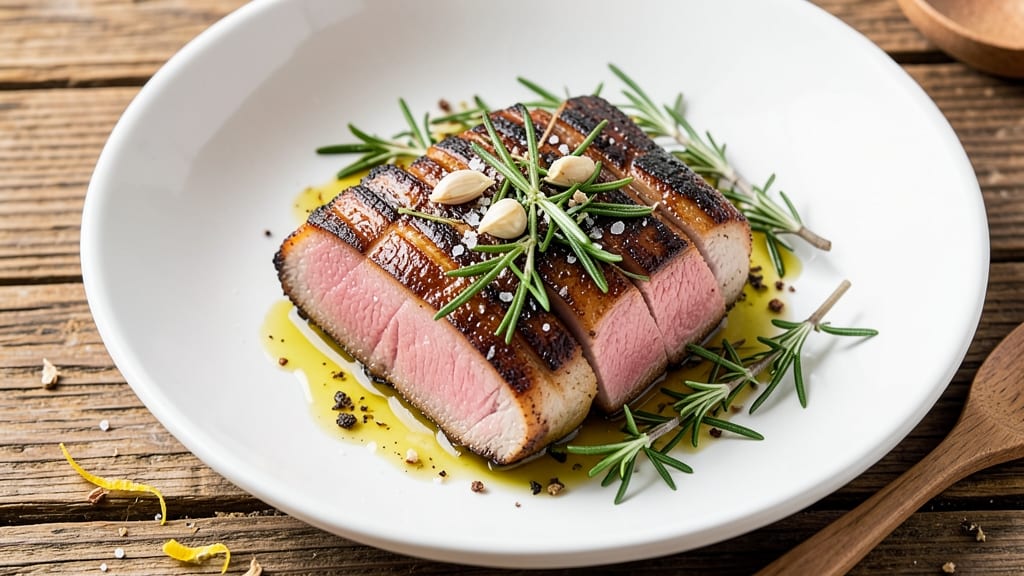
This clean eating pork tenderloin recipe delivers tender, restaurant-quality results using only whole-food ingredients and zero artificial additives. As someone who raises heritage pigs on my own farm, I developed this method to showcase how pork can be both indulgent and health-conscious—no processed shortcuts required.
The secret lies in a simple herb infusion that enhances natural flavors without added sugars or preservatives.
The recipe centers on a lean cut of pork tenderloin, which cooks quickly to retain moisture and tenderness while delivering high-quality protein. Unlike many recipes that rely on heavy marinades or breading, this version uses fresh herbs, garlic, and a touch of olive oil to create a flavorful crust.
Roasting at high heat ensures a perfect golden sear while keeping the interior juicy and perfectly cooked.
What makes this dish truly special is how it balances clean eating principles with restaurant-worthy results. The herb-infused roast pairs beautifully with simple sides like roasted vegetables or a fresh salad, making it a complete, nutrient-dense meal.
Every bite delivers that satisfying pork flavor without the guilt—proof that healthy eating can be just as delicious as it is nutritious.
Perfect for weeknight dinners or special occasions, this recipe serves four and comes together in just 30 minutes of active prep time. The method is foolproof, whether you're a seasoned home cook or new to pork preparation.
Let's get started on creating a dish that's as good for you as it is for your taste buds.
Ingredients for clean eating pork tenderloin
Lean pork tenderloin meets fresh herbs and natural oils for a clean, restaurant-worthy roast.
| Ingredient | Amount | Notes |
|---|---|---|
| Pork Tenderloin 🐷 | 1 ½ lb | Center-cut, trimmed of silver skin |
| Extra-Virgin Olive Oil 🫒 | 2 tbsp | Cold-pressed, fruity variety |
| Fresh Rosemary 🌿 | ¼ cup | Finely chopped, stems removed |
| Fresh Thyme 🌿 | ¼ cup | Leaves only, stems discarded |
| Garlic Cloves 🧄 | 4 whole | Smashed, skin-on for flavor |
| Diamond Crystal Kosher Salt 🧂 | 1 ½ tsp | For seasoning and crust |
| Freshly Ground Black Pepper 🌶️ | ½ tsp | Coarsely ground for texture |
| Fresh Lemon Juice 🍋 | 1 tbsp | From organic lemon, strained |
| Organic Honey 🍯 | 1 tsp | Raw, unprocessed variety |
| Fresh Parsley 🌿 | ⅛ cup | Chopped, for garnish only |
| Unsalted Butter 🧈 | 1 tbsp | Softened, for basting |
The pork tenderloin should be center-cut—ask your butcher for the most uniform piece possible. I source mine from local heritage pig farms when available, but any high-quality, USDA Choice or better cut works. Look for even grain and minimal marbling—this cut is already lean, so we want to preserve that tenderness. Fresh herbs are non-negotiable here; Trader Joe's or Whole Foods bulk sections have excellent quality at reasonable prices. For the olive oil, California avocado or Italian varieties work best—their fruity notes complement the herbs perfectly. The honey should be raw and unfiltered for its natural enzymes and flavor complexity.
No fresh rosemary? Dried works at one-third the amount, but toast it first in a dry pan for 30 seconds to wake up the flavor. Substituting thyme? Fresh oregano at the same quantity gives similar earthiness. Running low on lemon juice? Lime juice or apple cider vinegar both work, though flavor will shift slightly. The butter is crucial for basting—European-style (like Plugrá) has higher fat content and better flavor. For a truly clean-eating approach, you could replace it with avocado oil, though texture will differ slightly. Always use organic honey if possible; conventional varieties may contain trace pesticides that compromise the clean-eating ethos.
Store fresh herbs in damp paper towels wrapped in plastic for up to 5 days. The pork tenderloin should be used within 2 days of purchase for optimal tenderness. This recipe reheats beautifully—gentle warming in a skillet preserves moisture better than the microwave. Leftover portions keep well for 3 days in the fridge or 3 months frozen. For meal prep, portion into individual servings before freezing to simplify reheating later. The herb mixture can be prepped 1 day ahead and stored in an airtight container in the fridge.
Why You'll Love This Recipe
- Minimal Chopping Required: I swear by this—just slice the tenderloin, toss it in olive oil, and let the rosemary and thyme do the work. No dicing, no mincing, no fuss. That’s right, we’re talking five minutes of active prep.
- Crispy-Herb Magic: The olive oil sear locks in juices while the rosemary and thyme crisp just enough to release their piney, earthy punch. Honestly, the first time I made this, my husband stole a bite before dinner even hit the table.
- Meal Prep MVP: Slice it after cooking, and you’ve got protein-packed lunches for days. Toss it with roasted veggies or a simple salad—it stays tender and flavorful for at least three days in the fridge. (Yes, even on a Tuesday night.)
- Budget-Friendly Feast: Pork tenderloin is lean, affordable, and serves four easily. Between us, this recipe stretches my grocery budget way further than takeout ever has. Plus, the garlic cloves add depth without breaking the bank.
Step-by-step instructions for herb-infused pork tenderloin
This method delivers perfectly tender, herb-crusted pork with minimal effort and maximum flavor.
Prepare the Herb Marinade
In a small mixing bowl, combine the 0.25 cup fresh rosemary, 0.25 cup fresh thyme, 4 whole garlic cloves (smashed), 1.5 tsp Diamond Crystal kosher salt, and 0.5 tsp freshly ground black pepper. Use a fork to gently crush the herbs and garlic, releasing their aromatic oils. This prep work ensures maximum flavor infusion into the meat.
Add 2 tbsp extra-virgin olive oil and 1 tbsp fresh lemon juice to the herb mixture. Stir well until fully emulsified—the oil should take on a vibrant green hue from the herbs. The acidity of the lemon juice helps tenderize the pork while balancing the richness of the olive oil. Let this marinade sit at room temperature for 10 minutes while you prepare the pork.
Season and Sear the Pork
Pat the 1.5 lb pork tenderloin completely dry with paper towels—this is critical for achieving a crispy exterior. Using your hands, gently rub the herb marinade all over the pork, pressing firmly to ensure even distribution. Let the seasoned pork rest at room temperature for 15 minutes—this allows the surface to dry slightly and promotes more even cooking.
Heat a large oven-safe skillet over medium-high heat. Add the pork tenderloin and sear for 2-3 minutes per side until golden brown spots develop. The pork should release easily from the pan when ready to flip. This initial searing creates a flavorful crust while locking in juices. Remove the skillet from heat and let the pork rest for 2 minutes to prevent overcooking.
Roast to Perfect Doneness
Preheat your oven to 400°F. Place the seared pork tenderloin in the preheated oven and roast for 15-18 minutes until the internal temperature reaches 145°F when measured with a meat thermometer. The pork should feel slightly firm to the touch but still yield gently to pressure. Rotate the pan halfway through cooking for even browning.
For the final touch, remove the pork from the oven and transfer it to a cutting board. Brush the top with 1 tbsp softened unsalted butter mixed with 1 tsp organic honey—this creates a glossy finish and adds subtle sweetness. Let the pork rest for 5 minutes before slicing, allowing the juices to redistribute throughout the meat.
Garnish and Serve
Slice the pork tenderloin into ½-inch thick medallions against the grain for maximum tenderness. Arrange the slices on a warm platter and garnish with 0.125 cup chopped fresh parsley. The bright green parsley provides a visual contrast to the golden-brown pork while adding a fresh herbal note.
Serve immediately with roasted vegetables or a simple green salad to complement the clean, herb-infused flavors. Each bite should deliver perfectly tender meat with a crisp exterior and aromatic herb profile—this is what makes this clean-eating pork tenderloin truly exceptional. The combination of lemon, honey, and fresh herbs creates a balanced flavor that satisfies without heaviness.
Pro Tips For Making Clean Eating Pork Tenderloin
- Use a Meat Thermometer: Pork tenderloin shuts down faster than you’d expect—145°F is the magic number, but pull it at 140°F if you want it juicier. I learned this the hard way after slicing into a dry, overcooked cut.
- Sear on High Heat: Get that pan screaming hot before adding the olive oil, then sear the pork in batches if needed. A good crust locks in flavor and keeps the meat from drying out—this isn’t the time to play it safe.
- Prep Herbs Right: Strip rosemary and thyme sprigs off their stems, then finely chop the needles (discard the woody bits). Fresh herbs lose potency fast, so add them to the pan after searing—this way, they infuse without burning.
- Pat It Dry: Wet pork steams instead of browns, and that’s a missed opportunity. Use paper towels to dry the tenderloin thoroughly before seasoning—it’ll make all the difference in that crispy crust you’re after.
Best sauces and condiments for this dish
Herb-Infused Olive Oil
The star of this dish is the herb-infused olive oil that forms the flavorful crust. I use extra-virgin olive oil from California avocados or Italian varieties—their fruity notes elevate the herbs.
Start by combining the rosemary, thyme, smashed garlic, salt, and pepper in a bowl, then whisk in the olive oil and lemon juice. This infusion creates a vibrant green marinade that clings beautifully to the pork. 🌿
Lemon-Honey Glaze
For a clean, sweet finish, I brush the roasted pork with a mixture of softened butter and raw honey. The honey adds subtle sweetness without refined sugars, while the butter creates a glossy sheen.
This glaze enhances the natural flavors without overpowering them. Use organic honey for the cleanest taste—conventional varieties may contain trace pesticides. 🍯
Fresh Herb Garnish
Brighten the presentation with chopped fresh parsley sprinkled over the finished dish. The parsley adds a pop of color and fresh herbal notes that complement the roasted pork. For extra flair, try a mix of parsley and thyme—the combination looks stunning and tastes even better.
Store fresh herbs in damp paper towels to keep them vibrant until serving. 🌿
Garlic-Infused Oil
If you love garlic flavor, consider making a garlic-infused oil ahead of time. Heat 2 tbsp olive oil with 3 smashed garlic cloves until fragrant (don’t let it brown).
Strain and use this oil for searing the pork—it adds deep, aromatic richness. Just be sure to store it in the fridge to prevent rancidity. 🧄
Spicy Honey Drizzle
For a kick of heat, mix 1 tsp raw honey with ¼ tsp cayenne pepper and drizzle over the finished pork. This adds a subtle spicy-sweet contrast that pairs perfectly with the herb crust. Adjust the cayenne to taste—start small if you're sensitive to heat. 🌶️
Nutrition facts
Frequently asked questions
Can I use pork tenderloin from any cut?
For best results, always choose a center-cut pork tenderloin that's uniform in shape. This cut is naturally lean and tender, making it perfect for clean eating. Avoid pieces with excessive marbling or uneven thickness—they may cook inconsistently. Ask your butcher for the most symmetrical piece available.
How do I know when the pork is fully cooked?
Use a meat thermometer to check the internal temperature—it should read 145°F at the thickest part. The pork should feel slightly firm but still yield gently to pressure. Overcooking can make it dry, so remove it from heat just as it reaches this temperature and let it rest.
Can I make this recipe ahead of time?
Yes! Prep the herb marinade 1 day ahead and store it in an airtight container in the fridge. For the pork itself, cook it fully and refrigerate for up to 3 days or freeze for 3 months. Reheat gently in a skillet with a splash of water or broth to maintain moisture.
What are some clean-eating side dishes?
Roasted seasonal vegetables (like Brussels sprouts or asparagus) or a simple green salad with olive oil dressing complement this dish perfectly. For extra protein, add a side of quinoa or roasted chickpeas. All options should use whole ingredients and minimal added oils or sugars.
Why does my pork turn out dry?
Dry pork usually results from overcooking or not letting it rest. Always use a meat thermometer (145°F internal temp) and rest the meat for 5 minutes before slicing. Also, pat it completely dry before seasoning—this helps create a better crust while keeping the interior juicy.