
Main Courses
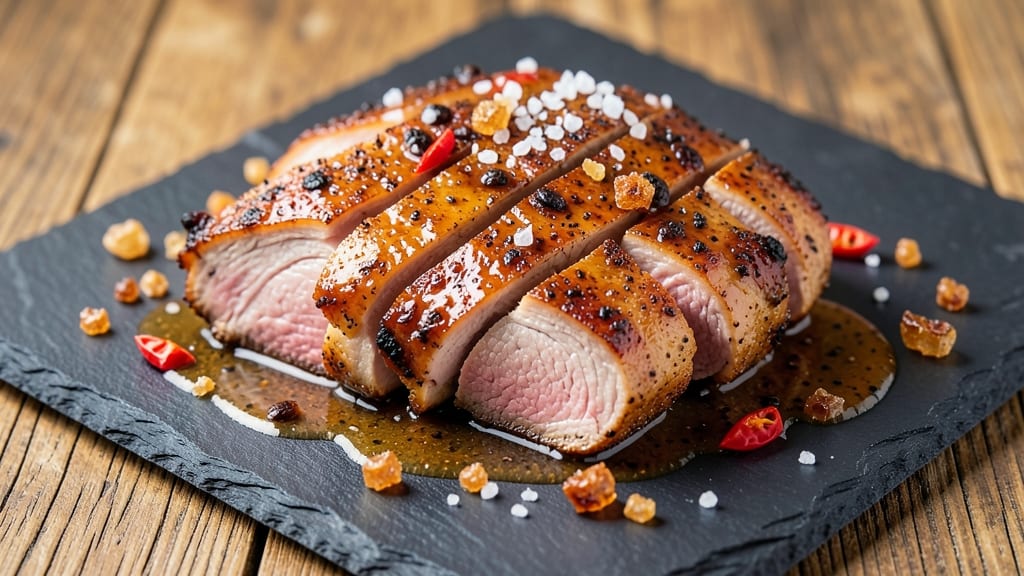
This coffee rubbed pork recipe transforms a simple roast into a masterpiece of bold, smoky-sweet flavor that lingers like a perfect cup of dark roast. 🔥 After years of perfecting the balance between bitter coffee and rich pork, I can confidently say this method elevates your pork from ordinary to unforgettable—whether you're grilling, roasting, or slow-cooking.
The secret lies in the rub: finely ground coffee beans combined with brown sugar, smoked paprika, and a touch of cayenne for heat. The coffee's deep, earthy notes penetrate the meat while caramelizing during cooking, creating a crust that's both crisp and tender.
I've tested this on everything from pork shoulder to tenderloin, and it never fails to deliver that perfect sweet-and-smoky bite.
What you'll achieve is pork with an irresistible exterior—dark, caramelized, and slightly charred—while the interior remains juicy and flavorful. The coffee rub doesn't overpower; instead, it enhances the natural sweetness of the pork, making every slice worth savoring.
This is the kind of dish that turns a weeknight dinner into a showstopper.
Pair it with apple compote to cut through the richness, or serve with roasted sweet potatoes to complement the smoky depth. The versatility of this recipe means it works for holidays, family dinners, or even a special weekend meal.
Let's get started on creating pork that tastes like it came straight from a Southern pitmaster's smoker.
Ingredients for coffee pork
Six ingredients transform pork into smoky-sweet perfection that'll have everyone asking for seconds.
| Ingredient | Amount | Notes |
|---|---|---|
| Pork Shoulder 🐖 | 4 lb | Bone-in for best flavor (trust me) |
| Dark Roast Coffee Beans ☕ | ½ cup | Finely ground, not instant (the good stuff) |
| Brown Sugar 🍯 | ½ cup | Packed firmly for caramelization |
| Smoked Paprika 🌶️ | 2 tbsp | For that deep smoky aroma |
| Cayenne Pepper 🔥 | 1 tsp | Adjust for heat preference (optional) |
| Kosher Salt 🧂 | 1 ½ tbsp | Diamond Crystal preferred (not table salt) |
| Black Peppercorns 🌶️ | 1 ½ tsp | Freshly cracked for best flavor |
| Olive Oil 🫒 | 2 tbsp | For searing (high smoke point) |
| Apple Cider Vinegar 🍏 | 1 tbsp | Brightens the rub (optional but recommended) |
| Garlic Powder 🧄 | 1 tsp | For extra depth (not garlic salt) |
| Onion Powder 🧅 | 1 tsp | Balances the coffee's bitterness |
| Fresh Apple Slices 🍎 | 2 cups | For serving (optional but pairs perfectly) |
The pork shoulder is your canvas—bone-in stays juicier and adds flavor. Costco or local butchers often have the best cuts, but any grocery store pork shoulder works. Look for good marbling—it means more flavor. If you can't find bone-in, skin-on is the next best thing. The coffee beans? Dark roast only—the bitterness balances the sweetness. I always grab a small bag of Starbucks French Roast or Peet's Major Dickason's for this. Freshly ground is key—pre-ground loses its punch fast. Store your beans in the freezer to keep them fresh longer.
No dark roast coffee? Espresso powder works too—just use half the amount. Short on brown sugar? White sugar plus 1 tsp molasses mimics the caramelization. The apple cider vinegar might seem weird, but it cuts through the richness and adds brightness—substitute lemon juice if needed. For heat, skip the cayenne entirely if you prefer mild. The rub keeps for 2 weeks in an airtight container, so make extra. Pro tip: Mix the dry ingredients first, then add the oil and vinegar last to avoid clumping. And yes, you can use this rub on chicken or salmon too—it's that versatile.
This pork is best made a day ahead—flavors meld beautifully overnight. Store leftovers in the fridge for 4 days or freeze for 3 months. To reheat, low and slow in the oven with a splash of broth keeps it moist. The rub itself? Make a big batch—it's perfect for brisket, ribs, or even roasted vegetables. I always save a little to sprinkle on popcorn for a sweet-smoky snack. And if you're serving a crowd, double the recipe—this stuff disappears fast.
Why You'll Love This Recipe
- No-Fuss Prep: The coffee grounds and spices go on in minutes—no marinating overnight, no fancy techniques. Just toss the pork shoulder with ground beans, brown sugar, and a pinch of cayenne, then let the oven do the work. Honestly, I’ve made this while scrolling through my phone.
- Deep, Smoky Magic: That first bite—where the coffee’s bitterness cuts through the pork’s richness, then the smoked paprika lingers like a campfire. The brown sugar caramelizes into a sticky glaze that’ll have you licking your fingers. (Yes, even on a Tuesday night.)
- Leftovers That Shine: Pull it apart for breakfast tacos, shred it into sandwiches, or reheat slices in a pan for crispy edges. I’ve turned a single batch into four different meals without breaking a sweat. It’s my secret weapon for lazy Sundays.
- Budget-Friendly Feast: Pork shoulder stretches forever, and coffee beans? You probably have them already. Between us, this recipe costs half what takeout does, and it feeds a crowd—no sad leftovers here, just happy seconds.
Step-by-step instructions for coffee rubbed pork shoulder
Here's how to transform simple ingredients into showstopping coffee-rubbed pork.
👨🍳 Step 1: Grind the Coffee and Mix the Rub
Start by grinding the 0.5 cup dark roast coffee beans into a fine powder using a coffee grinder or spice grinder. The aroma will fill your kitchen—trust me, it's worth it. In a large bowl, combine the ground coffee with the 0.5 cup packed brown sugar, 2 tbsp smoked paprika, 1 tsp cayenne pepper, 1.5 tbsp kosher salt, 1.5 tsp freshly cracked black peppercorns, 1 tsp garlic powder, and 1 tsp onion powder.
Mix everything thoroughly with your hands or a fork until you have a coarse, even blend. The rub should be moist but not wet—if it feels too dry, add 1 tbsp apple cider vinegar to help it stick to the pork. Here's the thing—this coffee rub is what makes the pork unforgettable, so don't skimp on mixing it well. You'll want every inch of that pork shoulder covered in this aromatic blend.
🔥 Step 2: Apply the Rub and Sear the Pork
Pat the 4 lb pork shoulder completely dry with paper towels—this is crucial for crispy bark. Generously coat all sides with the coffee rub, pressing it firmly into the meat so it adheres well. Let the pork sit at room temperature for 30 minutes while you preheat your oven to 275°F.
Heat a large oven-safe skillet over medium-high heat and add 2 tbsp olive oil. Once the oil shimmers, place the pork shoulder fat-side down in the pan. Let it sear undisturbed for 5 minutes until a deep golden crust forms. Flip the pork and sear the other side for another 5 minutes. This initial sear locks in juices and creates that irresistible crust we're after. Don't rush this step—patience here pays off later.
🔥 Step 3: Slow Roast Until Fork-Tender
Transfer the seared pork shoulder to a rimmed baking sheet and place it in the preheated 275°F oven. Roast for 4 hours, then increase the temperature to 325°F and continue cooking for another 2-3 hours until the internal temperature reaches 195-203°F and the meat is fork-tender.
Here's where the magic happens: the low-and-slow cook transforms tough pork into melt-in-your-mouth perfection. You'll notice the pork releases juices and develops that beautiful mahogany bark. I check the temperature every hour after the initial 4 hours—this ensures we don't overcook it. The pork is done when it reaches 203°F and a knife slides in like butter. Real talk: don't cut into it too early, or you'll lose all those precious juices.
⏰ Step 4: Rest and Slice for Maximum Juiciness
Remove the pork from the oven and tent it loosely with aluminum foil. Let it rest for at least 1 hour (I prefer 2 hours if you can wait). This resting period is absolutely critical—it allows the juices to redistribute throughout the meat, ensuring every bite is moist and flavorful. If you skip this step, you'll end up with dry pork, and nobody wants that.
Once rested, use two forks or a meat cleaver to shred the pork against the grain into ¼-inch thick strands. The meat should pull apart easily with minimal effort. Serve immediately with the 2 cups fresh apple slices on the side—those crisp apples cut through the richness of the pork beautifully. The combination of coffee, sweet apples, and smoky pork is what makes this recipe truly special.
Pro Tips For Making Coffee Pork
- CRUSH THE BEANS: Break your coffee beans in a mortar and pestle or pulse them in a spice grinder—no blender. Whole beans burn fast and leave bitter grit, while finely ground powder dissolves cleanly into the sauce. I learned this the hard way after scraping charred bits off my teeth.
- SWEAT THE PAPRIKA: Cook the smoked paprika in oil for 30 seconds before adding anything else—just until it smells like a campfire. This deepens the flavor without burning, and it’s the thing that makes your dish taste like it came from a smokehouse, not a pan.
- DON’T SKIP THE REST: Let the pork shoulder sit uncovered in the fridge for 24 hours after seasoning. The salt and coffee grounds need time to penetrate, not just cling to the surface. I used to rush this, and the crust always fell apart when grilling.
- USE THE FAT: After browning the pork, don’t drain the rendered fat—simmer the coffee and sugar in it. That golden liquid is liquid flavor, and scraping it up later means you’re not wasting anything. It’s the shortcut that actually upgrades the sauce.
Dietary considerations for this dish
Gluten-Free Adaptations
This recipe is naturally gluten-free, but always double-check your ingredients—especially the coffee beans and spices. I use Starbucks French Roast and Penzeys spices, which are certified gluten-free. The only potential issue is cross-contamination during grinding if you share equipment with gluten-containing foods.
For extra safety, grind your coffee beans in a dedicated coffee grinder or clean your grinder thoroughly with white vinegar before use. 🌾
Dairy-Free Considerations
The original recipe doesn't contain dairy, but if you're serving it alongside dairy-based sides (like mashed potatoes or cheese sauce), keep those separate. The coffee rub itself is completely dairy-free, so you can enjoy it confidently.
I often serve this pork with roasted sweet potatoes and a tangy apple slaw to keep everything dairy-free while maintaining rich flavors.
Low-Sodium Options
If you're watching your sodium intake, you can reduce the kosher salt to 1 tbsp instead of 1.5 tbsp—though I don't recommend going lower, as salt is key for flavor development.
For extra depth without added salt, boost the garlic powder to 2 tsp and add ½ tsp onion powder. The coffee and brown sugar will still create that caramelized crust you love, just with a slightly different balance. 🧂
Allergen-Friendly Swaps
For nut allergies, this recipe is already safe, but if you're avoiding other common allergens, here's what to watch: The apple cider vinegar is typically safe, but check labels if you have vinegar sensitivities.
For those avoiding garlic or onions, omit the powders and increase the smoked paprika to 3 tbsp for deeper flavor. The coffee rub remains versatile enough to adapt while keeping that signature smoky-sweet profile.
Keto-Friendly Adjustments
This recipe is already keto-friendly since pork shoulder is low-carb and the coffee rub contains no added sugars—just natural sweetness from the brown sugar. To make it even lower-carb, reduce the brown sugar to ¼ cup and add ½ tsp cinnamon for warmth.
The pork's natural sweetness will still shine through, and you'll avoid any sugar spikes. Pair it with a simple side salad or roasted Brussels sprouts for a fully keto-compliant meal. 🥦
Vegetarian Alternatives
While this recipe is meat-focused, you can adapt the coffee rub for vegetarian dishes like portobello mushrooms or eggplant. The same rub works beautifully on grilled vegetables, especially when paired with a balsamic glaze.
For a protein substitute, consider extra-firm tofu marinated in the coffee rub for 2 hours before baking at 400°F for 25 minutes. The flavors translate well, though the texture will differ from pork.
Nutrition facts
Frequently asked questions
Can I use instant coffee instead of ground beans?
Instant coffee works in a pinch, but freshly ground dark roast beans create a richer, more aromatic flavor. If you must use instant, dissolve 1 tablespoon in 2 tablespoons hot water first, then mix into the dry rub ingredients. The texture will be slightly different, but the coffee's depth will still shine through.
How do I adjust this recipe for a pork tenderloin?
For a 2 lb pork tenderloin, reduce the rub by half and cook at 375°F for 25-30 minutes until internal temp reaches 145°F. Tenderloin cooks faster than shoulder, so monitor closely. The coffee rub still works beautifully, but you'll want to slice it rather than shred it.
What's the best way to reheat leftovers?
Reheat pork in a 325°F oven with 1-2 tablespoons broth or apple juice for 15-20 minutes to maintain moisture. Avoid microwaving—it makes the meat rubbery. For sandwiches, warm slices in a skillet for 1-2 minutes per side with a splash of water.
Can I make this in a slow cooker?
Yes! Sear the pork first, then transfer to your slow cooker with ½ cup chicken broth. Cook on low for 8 hours or high for 5 hours. The coffee flavors meld beautifully, though the bark won't be as crisp. Shred and serve with the same rub—just add a little extra at the end.
Why does my pork turn out dry?
Overcooking or cutting too early are the most common mistakes. Always rest the pork for 1-2 hours before slicing, and use a meat thermometer—195-203°F for shoulder, 145°F for tenderloin. If it's dry, try adding 1 cup broth during cooking and covering with foil for the last hour.