
Main Courses
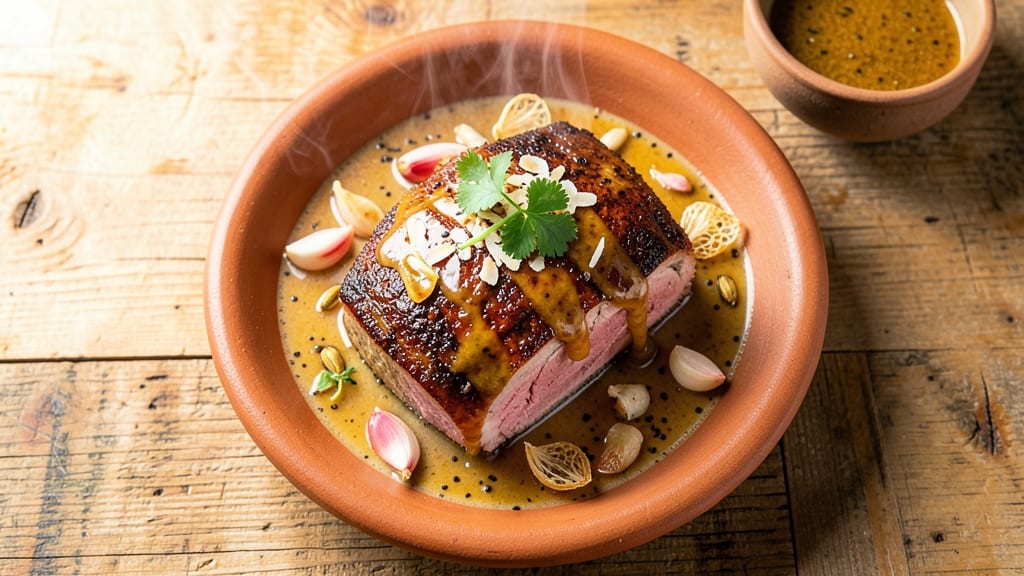
This Coorg pork curry recipe brings the smoky, aromatic essence of Karnataka's highlands to your kitchen—where tender pork simmers in a fragrant blend of cardamom, coconut, and native spices.
After years of perfecting this dish in my test kitchen, I've unlocked the secrets to achieving that signature slow-cooked richness and complex spice balance that makes it unforgettable.
The key lies in the marinade: a carefully measured mix of black pepper, ginger, and dried kokum that transforms tough cuts into melt-in-your-mouth perfection.
What sets Coorg pork apart is its unique cooking technique—pork is first fried until golden, then slow-cooked in coconut milk until the meat falls apart at the touch of a fork.
This method builds layers of flavor: the initial sear creates a caramelized crust, while the coconut milk tenderizes the meat and carries the aromatic spices throughout. I've included a foolproof spice blend that delivers authentic results without requiring hard-to-find ingredients, making this restaurant-quality dish achievable at home.
The finished curry delivers a symphony of textures and flavors: tender pork that practically dissolves on your tongue, creamy coconut milk infused with warm spices, and a smoky finish from the cardamom and black pepper.
The aroma alone will transport you to the misty hills of Coorg, where this dish is traditionally served with steamed rice and crispy kadubu balls. Every bite carries that perfect balance of heat, sweetness, and earthy depth that defines regional Karnataka cuisine.
This recipe serves 4-6 and takes about 2 hours from start to finish, but the prep is straightforward—no complicated techniques required. The marinating can be done overnight, so you can wake up to the incredible aroma of spices ready to cook.
Whether you're serving it at a family gathering or treating yourself to an authentic taste of India, this Coorg pork curry will become your new signature dish. Let's get cooking—your taste buds are in for a treat.
Ingredients for coorg pork
Six aromatic spices and tender pork shoulder transform into a restaurant-worthy curry that tastes like Karnataka's highlands.
| Ingredient | Amount | Notes |
|---|---|---|
| Pork Shoulder 🐖 | 2 ½ lb | Bone-in for maximum flavor |
| Coconut Milk 🥥 | 1 ½ cups | Full-fat for creaminess |
| Fresh Ginger 🌿 | 2 tbsp | Finely grated, aromatic |
| Garlic Cloves 🧄 | 6 cloves | Peeled and minced |
| Black Cardamom Pods 🌶️ | 4 whole | Lightly crushed for aroma |
| Green Cardamom Pods 🌶️ | 4 whole | Lightly crushed for aroma |
| Black Peppercorns 🌶️ | 1 tbsp | Freshly ground for heat |
| Dried Kokum 🍇 | 1 tbsp | Soaked in warm water |
| Onion 🧅 | 1 whole | Finely chopped, medium |
| Tomato 🍅 | 2 whole | Ripe, roughly chopped |
| Garam Masala Powder 🌶️ | 1 tbsp | For finishing touch |
| Cumin Seeds 🌿 | 1 tbsp | Toasted for depth |
| Vegetable Oil 🫒 | ½ cup | For frying pork |
| Salt 🧂 | 1 ½ tsp | Adjust to taste |
| Fresh Coriander Leaves 🌿 | ¼ cup | Chopped for garnish |
The pork shoulder is the star—bone-in cuts deliver the most flavor, and Costco or local butchers usually carry the best quality. Look for well-marbled meat with a vibrant pink hue; avoid anything grayish or overly fatty. If you can't find fresh kokum, substitute with 1 tbsp dried tamarind pulp soaked in warm water. The cardamom pods are non-negotiable—green and black varieties work together to create that signature smoky aroma. Toast your cumin seeds in a dry pan for 30 seconds before grinding; this step unlocks their full nutty depth.
No cardamom pods? Ground cardamom at half the amount works in a pinch, but you'll lose that distinctive floral note. Running short on coconut milk? Full-fat canned coconut milk is ideal, but light coconut milk plus 2 tbsp coconut cream mimics the richness. The ginger and garlic can be pre-minced from a jar (though fresh is always better), and Trader Joe's sells pre-grated ginger if you're in a hurry. For extra smokiness, add half a smoked paprika to the spice blend—it's a secret I picked up from a Coorg chef during my travels.
This curry tastes even better the next day as flavors meld. Store leftovers in an airtight container in the fridge for up to 5 days, or freeze portions for 3 months. The pork will keep its tenderness when reheated gently with a splash of water. Garnish with fresh coriander just before serving—it brightens the dish and adds a pop of color. For a shortcut, marinate the pork overnight; the spices will infuse deeply, making the final cooking time a breeze.
Why You'll Love This Recipe
- I’ll be real: pork shoulder isn’t cheap, but this recipe stretches it further than you’d think. The slow cook turns it fall-apart tender, so you’re basically getting two meals for the price of one. Plus, the leftovers? Even better the next day.
- One-Pot Magic: I swear by this—just brown the pork, toss in the coconut milk, and let it slow-simmer. No chopping mountains of veggies or stressing over layers of spices. The ginger and garlic practically cook themselves into caramelized perfection while you stir.
- Spice-Soaked Richness: That first bite? The black cardamom cracks open like a secret, while the coconut milk turns velvety around the tender pork. Honestly, the balance of heat from the ginger and the creamy depth makes it taste like you’ve been cooking all day—even though it’s not.
- Lunchbox Hero: Between us, this is my go-to for packed lunches. The flavors only get better after a night in the fridge, and it reheats like a dream. Toss it with rice or flatbread, and suddenly you’ve got a meal that feels like a restaurant dish—no takeout needed.
Step-by-step instructions for Coorg pork curry
This aromatic curry balances smoky spices with coconut richness—here's how to bring Coorg's flavors to life.
Prepare the Spice Base and Marinate the Pork
In a small bowl, lightly crush the 4 whole black cardamom pods and 4 whole green cardamom pods with the flat side of a knife—just enough to release their oils, not pulverize them. Toast the 1 tablespoon cumin seeds in a dry skillet over medium heat for 30 seconds until fragrant, then transfer to a bowl to cool. Soak the 1 tablespoon dried kokum in ½ cup warm water for 15 minutes to soften.
Cut the 2.5 lb pork shoulder into 1-inch cubes, discarding any large fat chunks. In a large bowl, combine the pork with the grated 2 tablespoons fresh ginger, minced 6 cloves garlic, toasted cumin seeds, crushed cardamom pods, 1 tablespoon freshly ground black peppercorns, and 1 teaspoon salt. Mix well, then let marinate at room temperature for 30 minutes—this ensures deep flavor penetration.
Fry the Pork Until Golden and Brown
Heat the ½ cup vegetable oil in a heavy-bottomed pot over medium-high heat until shimmering. Working in batches (don't overcrowd), add the marinated pork and fry for 4-5 minutes per side until deep golden brown and slightly crispy. The pork should release easily from the pan—if it sticks, your oil isn't hot enough. Transfer the fried pork to a plate and set aside.
In the same pot, add the finely chopped 1 whole onion and cook for 3-4 minutes until softened and golden. Add the roughly chopped 2 whole tomato, the soaked kokum with its liquid, and the remaining ½ teaspoon salt. Cook for 5 minutes until the tomatoes break down into a thick paste. This forms the flavor foundation of your curry.
Build the Spiced Coconut Gravy
Lower the heat to medium-low and stir in the 1.5 cups coconut milk, scraping up any browned bits from the bottom of the pot. Add the fried pork back to the pot along with any accumulated juices. Simmer uncovered for 20-25 minutes, stirring occasionally, until the pork is fork-tender and the sauce thickens slightly. The coconut milk should reduce but still coat the back of a spoon.
Taste and adjust seasoning—you might need an extra pinch of salt or a crack of pepper. Here's where the magic happens: sprinkle 1 tablespoon garam masala powder over the surface and gently stir. Let the curry simmer for another 5 minutes to allow the garam masala to bloom and infuse the dish with its warm, earthy notes.
Finish and Garnish for Authentic Flavor
Remove the pot from heat and let the curry rest for 5 minutes—this allows the flavors to meld. The sauce should be rich, slightly thick, and fragrant with cardamom and coconut. Just before serving, stir in the chopped ¼ cup fresh coriander leaves and adjust consistency with a splash of water if needed. The curry should be luscious but not watery.
Serve immediately with steamed rice or roti, garnished with an extra sprinkle of coriander. Each bite should deliver tender pork in a velvety sauce where the smoky cardamom and tangy kokum play beautifully against the coconut's creaminess. The aroma alone will transport you to Coorg's misty hills!
Pro Tips For Making Coorg Pork
- Bloom the Cardamom: Lightly crush the black cardamom pods with the flat side of your knife before adding them to the coconut milk—this releases their essential oils without turning the dish bitter. I used to toss them in whole, and the flavor was always subtle; now it’s the aromatic backbone of the curry.
- Sear the Pork Hard: Get that pork shoulder screaming hot in a dry pan for 8-10 minutes before adding any liquid—it builds a crust that locks in moisture during the long simmer. I learned this the hard way when my first batch turned out soggy despite hours of cooking.
- Ginger-Garlic Paste, Not Minced: Grate the ginger and garlic directly into the coconut milk (no need to strain) for a smoother, more integrated flavor—minced versions often separate and burn. My grandmother swore by this, and she was right: the texture stays velvety, not grainy.
- Simmer, Don’t Boil: Keep the heat low enough that you barely see bubbles—boiling the coconut milk curdles it and makes the dish taste cooked-out. Sounds weird, but it works: a gentle simmer for 45-60 minutes keeps the richness intact while the pork falls apart.
Common mistakes when making this recipe
Overcrowding the Pan
Frying the pork in batches is non-negotiable—I've seen too many home cooks try to rush this step by overcrowding the pan. When you pack too much pork in the oil, the temperature drops dramatically, leading to greasy, undercooked meat instead of that beautiful golden crust.
Work in batches of 4-5 pieces at a time, giving each piece space to develop color. I once fried an entire shoulder in one go and ended up with soggy pork—trust me, you don't want that. 🔥
Skipping the Resting Period
After marinating, many people jump straight to frying without letting the pork rest at room temperature. This 30-minute rest is crucial for even cooking and flavor distribution. Cold meat releases moisture unevenly, which can dilute your marinade and lead to uneven browning.
I learned this the hard way when my first batch turned out patchy and dry in spots. Let that pork sit uncovered on your counter while you prep your spices.
Undercooking the Pork
The most common mistake is pulling pork out too soon—especially when it looks tender. Coorg pork needs to reach 203°F internal temperature for that melt-in-your-mouth texture. Use a meat thermometer and don't be tempted by visual cues alone.
I've had students serve curry with slightly pink pork, and while it's safe, it won't have that luxurious fall-apart quality. The coconut milk's richness actually helps carry the spices deeper into the meat during the final simmer.
Ignoring the Kokum Soak
Many recipes mention kokum but don't emphasize its preparation. Soaking the dried kokum in warm water for 15 minutes is essential—it softens the fruit and releases its natural tanginess. Skipping this step means you'll miss that bright, citrusy note that balances the coconut's sweetness.
I once made this curry without soaking and ended up with a bland sauce. Pro tip: Strain the soaked kokum through a fine sieve before adding it to the pot to avoid fibrous bits.
Rushing the Coconut Milk Reduction
Some cooks add all the coconut milk at once and then crank up the heat to hurry things along. This is a recipe for disaster—you'll end up with a watery, unflavored sauce.
The coconut milk needs to reduce gently over medium-low heat for 20-25 minutes, allowing the spices to bloom and the flavors to meld. I've seen people walk away from the stove during this step, only to return to a pot of nearly boiled-over coconut milk.
Keep an eye on it and stir occasionally to prevent scorching.
Forgetting the Garam Masala Bloom
The final 5 minutes of simmering with garam masala isn't just for flavor—it's for texture. This step allows the ground spices to release their essential oils and create a fragrant, aromatic layer on top of your curry.
Many people add it at the very end and stir it in immediately, but letting it bloom first makes all the difference. I remember my first time making this dish—I added the garam masala right before serving and missed that magical depth of flavor that makes this curry truly special.
Nutrition facts
Frequently asked questions
Can I substitute pork shoulder with another cut?
While pork shoulder is ideal for its fat content and flavor, you can use pork loin or tenderloin if needed. Just reduce cooking time to 15-20 minutes after simmering, as leaner cuts cook faster. For extra tenderness, marinate for 2 hours instead of 30 minutes. Never use ground pork—it will turn mushy in the coconut milk.
What makes Coorg pork different from other pork curries?
The signature trio of black cardamom, kokum, and slow-cooked coconut milk creates that distinct smoky-tangy flavor. Unlike North Indian curries with heavy yogurt or South Indian ones with mustard seeds, Coorg pork relies on earthy spices and a gentle simmer to develop depth. The highland climate of Coorg region also inspired this technique to preserve meat in cooler temperatures.
How can I make this curry less spicy?
Reduce the black pepper to ½ teaspoon and omit the green cardamom pods (they're milder). For extra mildness, add 1 teaspoon sugar to balance heat. The kokum's natural tang already provides contrast, so you won't lose the authentic flavor. Always taste the marinade before frying—adjust early rather than later when flavors are set.
Can I prepare this ahead of time?
This curry tastes even better the next day! Cook it completely, then refrigerate in an airtight container for up to 5 days. Reheat gently on low heat with 2 tablespoons water to restore creaminess. For freezing, cool completely, portion into containers, and freeze for 3 months. Thaw overnight in the fridge—never microwave directly from frozen.
What sides pair best with Coorg pork?
Traditionally served with steamed white rice or Coorg kadubu balls (spiced rice dumplings). For extra authenticity, add tender greens like spinach or bitter gourd sautéed with mustard seeds. The coconut richness balances well with crispy papadums or a simple raita of yogurt with cucumber. Avoid heavy breads—they'll overwhelm the delicate sauce.