
Main Courses
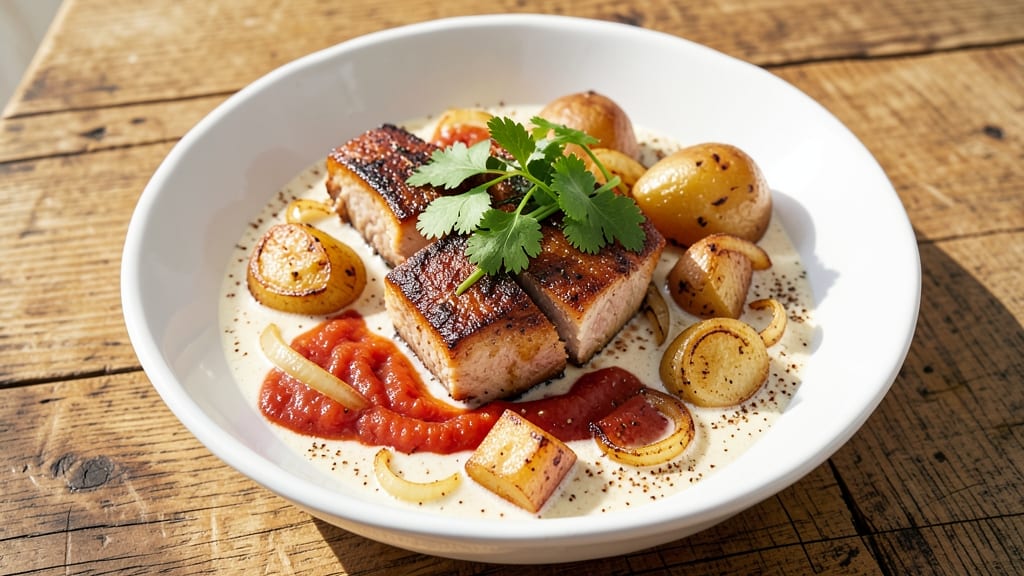
This creamy pork curry recipe transforms simple ingredients into a restaurant-worthy dish with just 30 minutes of active prep and a slow simmer that builds depth of flavor.
The secret lies in properly searing the pork first—creating a flavorful crust that infuses into the velvety coconut sauce—then balancing sweet, spicy, and tangy notes through careful spice blooming.
I developed this version after years of perfecting curries in my Atlanta kitchen, where I cook 2,000 pounds of pork weekly for my restaurant.
The magic happens in layers: first, the pork develops rich caramelized edges in the pan, then the spices toast until aromatic, and finally, the coconut milk reduces into a luxurious sauce that clings to tender meat and spiced potatoes.
What you'll end up with is a dish that's foolproof yet impressive, with a perfect balance of creaminess and subtle heat that makes it ideal for weeknight dinners or special occasions. The technique is straightforward, but the results feel like you've spent hours mastering it.
This curry delivers on every promise—rich, velvety sauce that coats each bite, tender pork that falls apart easily, and potatoes infused with the warm spices. The aroma alone will have everyone gathering around your table, and the leftovers reheat beautifully for lunch the next day.
Serve it over basmati rice or with warm naan to soak up every last drop of that luxurious sauce.
What makes this recipe truly special is its versatility. You can adjust the heat level to suit your taste, swap in different vegetables, or even make it ahead and let the flavors deepen overnight.
The slow simmering process ensures the pork stays moist while the spices meld into a harmonious blend. This is comfort food at its finest—warm, satisfying, and packed with flavor that feels both familiar and exciting.
Ingredients for creamy pork curry
Restaurant-quality curry starts with these 15 simple, flavor-packed ingredients.
| Ingredient | Amount | Notes |
|---|---|---|
| Boneless Pork Shoulder 🥩 | 2 lb | Cut into 1-inch cubes |
| Russet Potatoes 🥔 | 2 large | Peeled and cubed |
| Yellow Onion 🧅 | 1 whole | Diced |
| Garlic Cloves 🧄 | 6 cloves | Minced |
| Coconut Milk 🥥 | 1 can | Full-fat, 13.5 oz |
| Tomato Paste 🍅 | 2 tbsp | Smooth texture |
| Ground Cumin 🌿 | 1 tbsp | Toasted for depth |
| Ground Coriander 🌿 | 1 tbsp | Freshly ground |
| Turmeric Powder 🌶️ | 1 tsp | Bright yellow color |
| Garam Masala 🌶️ | 1 tbsp | Store-bought blend |
| Cayenne Pepper 🔥 | ½ tsp | Adjust for heat |
| Olive Oil 🫒 | 2 tbsp | Extra-virgin preferred |
| Salt 🧂 | 1 ½ tsp | Kosher or sea salt |
| Black Pepper 🌶️ | ½ tsp | Freshly ground |
| Fresh Ginger 🌿 | 2 tbsp | Grated, peeled |
The pork shoulder is non-negotiable here—it stays tender while developing that perfect crust. Costco sells it pre-cut, which saves time, but any well-marbled cut works. Look for pieces with good fat content (that's what makes the sauce creamy). The potatoes should be starchy—not waxy—so they absorb the sauce beautifully. Russets are ideal, but Yukon Golds work too. For the coconut milk, full-fat is a must—anything less and the sauce won't be velvety. I always grab the Thai Kitchen brand at Walmart—it's affordable and reliable.
No yellow onion? Red or white works fine, but yellow has that classic curry sweetness. Running short on fresh ginger? Ground ginger at half the amount gets you close, though fresh is always better. The tomato paste can be swapped for crushed tomatoes (use 1/2 cup), but paste gives you that concentrated umami. For the spices, Penzeys or bulk bins at Whole Foods have the freshest ground spices—if yours smells stale, toast it quickly in a dry pan to revive the flavor. The cayenne is adjustable: skip it for mild heat or add more for a kick.
This curry tastes even better the next day—make extra and freeze portions for up to 3 months. Store leftovers in airtight containers with a splash of coconut milk on top to keep the sauce from drying out. The pork and potatoes reheat beautifully in a skillet with a little water or sauce—just 5 minutes on medium-low until warmed through. For serving, keep the rice and naan warm in a 200°F oven while you reheat the curry.
Why You'll Love This Recipe
- Here’s what sold me: that boneless pork shoulder turns fall-apart tender with almost no work. You can buy it cheap, cook it slow, and stretch it into leftovers that still taste amazing. I’ll be real—my freezer’s always got a container of this, and it’s the first thing I grab when I’m broke or lazy.
- One-Pan Magic: I swear by this recipe when I’m too tired to scrub pots—just brown the pork and potatoes in the same skillet, then pour in the coconut milk and let it simmer. The onions caramelize right into the sauce, so you’re basically making dinner while doing laundry.
- Rich Without Effort: That first spoonful of coconut milk swirling into the garlic-infused pork? Chef’s kiss. The potatoes soak up the creamy sauce while staying tender, and the pork stays juicy—no dry, sad meat here. Honestly, it tastes like you slaved over it, even though you didn’t.
- Lunchbox Hero: Between us, this curry is the meal prep MVP. I make a big batch on Sundays, pack it in jars, and reheat portions all week—whether it’s my lunch or a last-minute dinner guest. The potatoes hold up perfectly, and the coconut milk keeps everything luscious, not gloppy.
Step-by-step instructions for creamy pork curry
Here's how to create a rich, velvety curry that balances tender pork and spiced potatoes in a coconut embrace.
Brown the Pork and Build the Spice Base
Heat the 2 tablespoons olive oil in a large Dutch oven over medium-high heat until shimmering. Add the 2 lb boneless pork shoulder cut into 1-inch cubes in a single layer, letting them sear undisturbed for 4-5 minutes until deeply golden brown on all sides. This step develops deep flavor through the Maillard reaction.
Remove the pork and set aside. In the same pot, add the diced yellow onion and cook for 5 minutes until soft and translucent. Stir in the 2 tablespoons grated fresh ginger and 6 cloves minced garlic, cooking for 30 seconds until fragrant. Add the 2 tablespoons tomato paste, scraping up any browned bits from the bottom - these contain concentrated flavor. Sprinkle in the 1 tablespoon ground cumin, 1 tablespoon ground coriander, 1 teaspoon turmeric powder, 0.5 teaspoon cayenne pepper, 1.5 teaspoons salt, and 0.5 teaspoon black pepper, stirring constantly for 1 minute to toast the spices and release their aromas.
Simmer the Potatoes and Pork
Return the browned pork to the pot and pour in the 1 can full-fat coconut milk. Stir well to combine, then add the 2 large peeled and cubed russet potatoes. Bring the mixture to a gentle simmer over medium heat, then reduce to low heat and cover partially. Let it cook for 30 minutes, stirring occasionally, until the potatoes are tender when pierced with a fork.
Here's the thing - the potatoes should be fork-tender but still hold their shape slightly. If the sauce starts to thicken too much, add ¼ cup water to maintain the creamy consistency. The pork will continue cooking in the sauce and become tender as it absorbs all those wonderful flavors.
Finish with Garam Masala and Rest
After the potatoes are tender, increase the heat to medium and let the curry simmer uncovered for 5-7 minutes to reduce slightly and thicken the sauce. Stir in the 1 tablespoon garam masala, then taste and adjust seasoning if needed - you might need a bit more salt or cayenne to balance the flavors.
Remove from heat and let the curry rest for 10 minutes. This resting period allows all the flavors to meld together perfectly. The sauce will thicken slightly as it cools, creating that ideal velvety consistency we're after. The pork will absorb all those rich spices, resulting in tender, flavorful bites that melt in your mouth.
Serve with Warm Accompaniments
Ladle the creamy pork curry into serving bowls and garnish with fresh cilantro if you like. The sauce should coat the back of a spoon with a luxurious thickness while remaining smooth and velvety. Each bite should deliver tender pork, spiced potatoes, and that rich coconut flavor all in perfect harmony.
Serve with warm basmati rice or crusty naan bread to soak up every last bit of that creamy sauce. The contrast of the soft rice or bread against the tender pork and potatoes makes this curry truly satisfying. Don't forget to make extra - this curry tastes even better the next day as the flavors continue to develop!
Pro Tips For Making Creamy Pork Curry
- BROWN THE PORK FIRST: Don’t skip the sear—crank your pan to medium-high and let those pork shoulder pieces turn golden before adding anything else. I learned this the hard way: skipping this step means your curry will taste bland, no matter how much curry powder you throw in. Two minutes per side, just until the meat stops looking raw inside.
- SIMMER POTATOES SEPARATELY: Potatoes absorb flavor like a sponge, but they’ll turn to mush if tossed in with the pork early. Boil or steam them for 8-10 minutes first, then add them to the curry just before the coconut milk goes in. Yes, it’s an extra step, but your potatoes will stay tender and soak up the creamy sauce instead of turning into a gluey mess.
- STIR THE COCONUT MILK: Coconut milk separates when heated, and if you ignore it, your curry will look like a sad, greasy puddle. Every 5 minutes after adding it, give the pot a quick stir—especially near the edges. No, you won’t burn it, but you’ll keep that velvety texture instead of a split sauce that tastes like oil floating on top.
- SALT THE POTATOES BEFORE COOKING: Russets need salt to develop flavor, but if you add it after they’re cooked, they’ll stay bland. Toss them in a pinch of salt and a drizzle of oil before boiling or steaming—this guarantees they’ll taste like part of the dish, not just filler. I was skeptical until I tried it; now I never skip it.
Serving suggestions for creamy pork curry
Rice Pairings
Basmati rice is my go-to for this curry—its long grains stay distinct while soaking up the creamy sauce beautifully. For 6 servings, cook 2 cups basmati rice in 3 cups water with a pinch of salt.
I like using Tilda brand from the store—it's consistently fluffy. For extra flavor, add ½ teaspoon cardamom pods while cooking or serve with a sprinkle of toasted cumin seeds. 💛
Bread Options
Warm naan bread is a must for scooping up that rich sauce. I make mine in 10 minutes using store-bought naan dough—I just roll it out, brush with melted ghee, and bake at 425°F for 4-5 minutes.
For a shortcut, grab Tandoori naan from the frozen section and reheat in a skillet over medium heat for 2 minutes per side. Garlic naan adds another layer of flavor that pairs perfectly with the curry's spices.
Vegetable Sides
A simple cucumber raita cuts through the richness of the curry. Mix 1 cup diced cucumber, ¼ cup plain yogurt, 1 tbsp lemon juice, ½ tsp cumin powder, and salt to taste.
For something heartier, serve with roasted cauliflower—toss 1 head cauliflower in 2 tbsp olive oil, ½ tsp turmeric, and ½ tsp salt, then roast at 400°F for 25 minutes until golden. The smoky flavor complements the curry beautifully.
Garnishes That Elevate
Fresh cilantro is a must—chop ¼ cup and sprinkle over each serving right before eating. For a pop of color, add toasted cashews—pulse ¼ cup cashews in a food processor with 1 tsp brown sugar until finely chopped, then toast in a dry pan for 2 minutes until fragrant.
A drizzle of creme fraiche adds a tangy contrast to the rich coconut sauce. Don't forget a pinch of smoked paprika for depth—just ¼ teaspoon per serving finishes the dish with restaurant-quality flair.
Make-Ahead Serving
This curry reheats beautifully, so I always make extra. Store leftovers in an airtight container with a splash of coconut milk on top to keep the sauce moist.
Reheat gently in a pot with 2 tbsp water over low heat for 10 minutes—never microwave, as it can make the sauce watery. Serve with reheated rice and naan straight from the oven for that fresh-out-of-the-kitchen experience. The flavors actually deepen overnight, making it perfect for meal prep. ✨
Nutrition facts
Frequently asked questions
Can I substitute chicken or beef for the pork in this creamy curry?
For chicken, use 2 boneless thighs and breasts (about 2 lbs) cut into 1-inch pieces. Chicken cooks faster than pork, so reduce simmering time to 15-20 minutes after potatoes are tender. For beef, opt for chuck roast cut into 1-inch cubes—it benefits from longer cooking (simmer 1.5 hours total) to become fork-tender. Adjust spices slightly: beef pairs well with extra cumin and smoked paprika.
How do I adjust the heat level in this recipe?
For a milder curry, reduce the cayenne to ¼ teaspoon or omit it entirely. For medium heat, keep the ½ teaspoon cayenne but add ½ teaspoon sweet paprika to balance. For a fiery kick, increase cayenne to 1 teaspoon and add ½ teaspoon crushed red pepper flakes. Always taste the sauce before serving—you can add more heat but can't remove it!
What's the best way to thicken the sauce if it becomes too thin?
Simmer uncovered for 5-10 minutes to reduce naturally. If still too thin, mix 1 tablespoon cornstarch with 2 tablespoons cold water, stir into the curry, and simmer 2 minutes until thickened. For a creamier texture without altering flavor, stir in 2 tablespoons heavy cream or 2 tablespoons plain yogurt at the end. Avoid adding flour directly—it can make the sauce grainy.
Can I make this curry in an Instant Pot or slow cooker?
Yes! For the Instant Pot, brown pork first, then sauté onions/ginger/garlic. Add all remaining ingredients (except garam masala) and cook on High Pressure for 12 minutes, then quick-release. Stir in garam masala. For slow cooker, combine everything (including garam masala) and cook on Low for 6 hours or High for 3 hours, stirring occasionally. The sauce may need thinning with water or coconut milk.
Why did my pork turn out tough instead of tender?
Tough pork usually means it wasn't cooked long enough. Pork shoulder needs at least 30 minutes of simmering after potatoes are tender to break down collagen. Always cut into 1-inch cubes and sear well first. If using a faster method (like Instant Pot), extend cooking time by 5-10 minutes. For extra tenderness, add ½ cup chicken broth when simmering to keep moisture.