
Main Courses
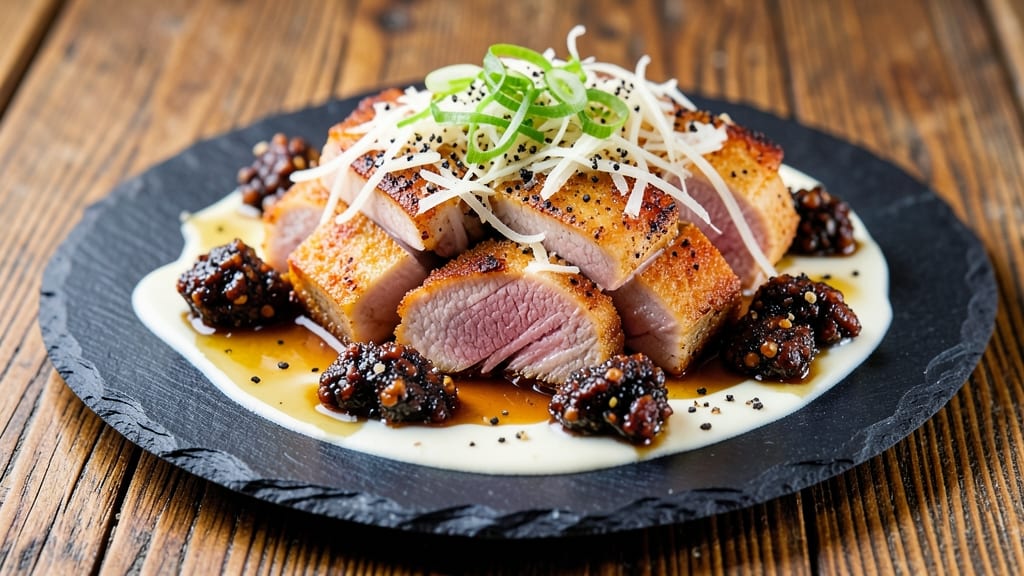
This crispy pork binagoongan delivers the perfect balance of caramelized edges and rich, tangy sauce—paired with creamy gata for a complete Filipino feast. The secret lies in slow-braising pork belly until tender, then crisping it to golden perfection while building a sauce that's perfectly balanced between sweet, sour, and umami.
I first mastered this technique during a family gathering in Georgia, where the aroma alone had everyone rushing to the table.
The crispy pork comes from a two-step process: first simmering the meat until fork-tender, then achieving that signature crackle through careful pan-frying. Meanwhile, the binagoongan sauce—made with shrimp paste, vinegar, and sugar—develops deep, complex flavors as it reduces.
The gata, or coconut curds, adds a silky-smooth contrast that makes each bite unforgettable. This dish is restaurant-quality at home, with techniques I've perfected over years of cooking for crowds.
What you'll end up with is a plate that's equal parts satisfying and elegant: crispy pork pieces with caramelized edges, smothered in glossy binagoongan sauce, and served alongside creamy gata for that perfect sweet-savory balance.
The sauce clings to the pork beautifully, while the gata adds a luxurious touch that feels like dessert on your plate. Serve with steamed rice to soak up every last bit of flavor—this is comfort food at its finest.
One of the things I love most about this recipe is its versatility. The crispy pork technique works for other cuts too, and you can adjust the sauce sweetness to taste. The gata can be made ahead and stored in the fridge, making this a perfect make-ahead meal for gatherings.
Whether you're cooking for family or treating yourself, this dish delivers restaurant-quality results with a touch of home-cooked warmth.
Ingredients for crispy pork binagoongan with gata
Six servings of restaurant-quality pork with caramelized edges and creamy coconut magic.
| Ingredient | Amount | Notes |
|---|---|---|
| Pork Belly 🥓 | 3 lb | Skin-on, cut into 1.5-inch cubes |
| Shrimp Paste (Bagoong) 🦐 | ¼ cup | Filipino shrimp paste, not fish sauce |
| Coconut Milk 🥥 | 2 cans | Full-fat, 13.5 oz each |
| Coconut Sugar 🍯 | ½ cup | Or substitute brown sugar |
| Cane Vinegar 🍶 | ½ cup | White vinegar works in a pinch |
| Soy Sauce 🍜 | ¼ cup | Filipino soy sauce preferred |
| Black Peppercorns 🌶️ | 1 tsp | Freshly cracked for bold flavor |
| Garlic Cloves 🧄 | 6 cloves | Minced, not powdered |
| Onion 🧅 | 1 whole | Yellow, diced |
| Coconut Curds (Gata) 🥥 | 2 cups | Homemade or store-bought |
| Vegetable Oil 🫒 | ½ cup | For crisping pork |
| Salt 🧂 | 1 ½ tsp | Kosher or sea salt |
| White Pepper 🌶️ | ½ tsp | For finishing |
| Jasmine Rice 🍚 | 2 cups | Uncooked, for serving |
The pork belly is the star—look for thick cuts with good marbling for that signature crisp. Filipino markets or Asian grocery stores often carry pre-cut pork belly, but if you're buying whole, ask for a well-marbled piece. The shrimp paste (bagoong) is non-negotiable—Filipino brands like Silver Swan or Datu Puti deliver that authentic umami punch. If you can't find it, shrimp paste from a reputable Asian market works, but avoid fish sauce substitutes. The coconut milk should be full-fat (none of that light stuff)—Thai Kitchen or Aroy-D brands are my go-tos. For the gata, homemade is ideal (simmer coconut milk with sugar until curds form), but store-bought Filipino gata from the international aisle saves time.
No shrimp paste? Fish sauce plus a pinch of shrimp powder gets you close, but it won't be identical. Swap coconut sugar for brown sugar or palm sugar—just know brown sugar adds moisture. Vinegar substitutes? Apple cider vinegar or white vinegar work, but cane vinegar has that subtle sweetness. The pork belly can be swapped for pork shoulder or even chicken thighs (though texture will differ). For the gata, if you're in a rush, blend coconut milk with sugar and freeze in ice cube trays—thaw and drain before using. The garlic and onion are classic aromatics, but shallots or leeks add a nice twist if you're feeling experimental.
This dish tastes even better the next day—make extra pork for sandwiches or fried rice. Store the cooked pork and sauce separately in airtight containers for 4-5 days in the fridge; freeze for up to 3 months. The gata keeps 1 week refrigerated or 3 months frozen. For crispy pork leftovers, reheat in a dry pan over medium heat until golden again. Pro tip: Save the leftover sauce for stir-fries or noodle dishes—it's packed with flavor.
Why You'll Love This Recipe
- One-Pan Magic: That’s right—just one pan, minimal cleanup. The pork belly crisps up beautifully while the bagoong and coconut milk simmer together, and the gata (coconut curds) melt right into the sauce without extra fuss. Honestly, I’ve made this on nights when I just wanted to sit down and watch a show.
- Umami Bomb: The shrimp paste (bagoong) is the star—it adds this deep, funky richness that balances the sweetness of coconut sugar and the tang of cane vinegar. Between us, that first bite of crispy pork with the creamy, slightly salty-sweet sauce? It’s the kind of flavor that makes you pause mid-bite.
- Weeknight or Gatherings: This dish works everywhere. Too tired for a big meal? It’s there. Hosting friends? It’s the crowd-pleaser. Even my picky-eating cousin loves it—crispy, saucy, and not too heavy. And the leftovers? Just as good reheated the next day.
- Budget Stretch: Pork belly might sound fancy, but it’s cheaper than you think when you use it for this. A little goes a long way, and the coconut milk and sugar add richness without breaking the bank. Plus, the bagoong adds that restaurant-quality depth for pennies compared to pre-made sauces. My secret weapon.
Step-by-step instructions for crispy pork binagoongan with gata
Transforming pork belly into crispy, caramelized perfection takes patience—but every golden bite is worth it.
Render the Pork Belly for Maximum Crispiness
Cut the 3 lb pork belly into 1.5-inch cubes, leaving the skin intact to create crispy edges. Heat 0.5 cup vegetable oil in a large, heavy-bottomed pot over medium-high heat until shimmering. Add the pork belly in a single layer, skin-side down, and let it cook undisturbed for 5 minutes—this ensures the skin renders fat and develops a golden crust.
Real talk: Don't rush this step. The fat should sizzle and bubble vigorously, and you'll see the skin turn golden brown in spots. Once the first side is crispy, carefully flip each piece and cook for another 5 minutes. You want the fat to render out but not burn—if it smells acrid, reduce the heat slightly. Remove the pork and set aside, leaving the rendered fat in the pot.
Build the Umami-Rich Binagoongan Sauce
In the same pot with the rendered pork fat, add 0.25 cup shrimp paste (bagoong) and stir vigorously for 1 minute until it darkens and releases its pungent aroma. Add 1 whole onion (diced) and 6 cloves garlic (minced), cooking for 3-4 minutes until softened and fragrant—this is where the sauce develops its deep, savory foundation.
Pour in 0.5 cup coconut sugar and 0.5 cup cane vinegar, stirring constantly. The mixture will bubble and caramelize slightly as the sugar dissolves. Add 0.25 cup soy sauce and 1 tsp black peppercorns, then pour in 2 cans coconut milk. Bring to a gentle simmer and let it cook for 10 minutes, stirring occasionally, until the sauce thickens slightly and coats the back of a spoon.
Simmer the Pork Until Tender and Glazed
Return the pork belly to the pot, nestling it into the sauce. Add 1.5 tsp salt and 0.5 tsp white pepper, then bring everything to a gentle boil. Reduce heat to low and cover partially, allowing the sauce to bubble softly. Simmer for 1.5 to 2 hours, turning the pork occasionally, until it's fork-tender and the sauce has reduced to a glossy, caramelized glaze.
Here’s the thing—pork belly needs time to break down. You’ll know it’s done when a knife slides in easily and the meat pulls apart with minimal resistance. If the sauce reduces too quickly, add 2-3 tablespoons of water to maintain moisture. The pork should be coated in a sticky, slightly thickened sauce with caramelized edges.
Finish with Creamy Coconut Curds (Gata)
Remove the pork from the pot and set it aside. Stir 2 cups coconut curds (gata) into the remaining sauce, warming gently for 2-3 minutes until fully incorporated. The gata will create a luxurious, creamy texture that balances the rich, savory flavors. Taste and adjust seasoning—you might need a touch more salt or soy sauce to deepen the umami.
Return the pork to the pot and let it soak in the sauce for 5 minutes off the heat. This step ensures every bite is infused with that creamy coconut magic. Serve the pork belly over 2 cups cooked jasmine rice, ladling the sauce generously over the top. The contrast of crispy pork, creamy gata, and fluffy rice is pure comfort in every forkful.
Rest and Serve for Maximum Flavor Impact
Let the pork rest for 10 minutes before serving. This allows the juices to redistribute, preventing them from pooling on your plate. The sauce will thicken slightly as it cools, so if it becomes too stiff, warm it gently with a splash of water or coconut milk to restore its silky consistency.
Garnish with extra cracked black pepper and serve with additional jasmine rice if needed. The crispy skin should shatter at the first bite, revealing tender pork beneath a glossy, caramelized glaze. Each spoonful of sauce delivers layers of umami, sweetness, and creamy coconut—this is the magic of binagoongan with gata.
Pro Tips For Making Crispy Pork Binagoongan With Gata
- CRISP THE BELLY FIRST: I learned this the hard way—if you skip the initial sear, your pork belly will end up greasy and pale instead of golden and crispy. Cut the belly into thick slices (about 1.5 inches) and fry them in a screaming-hot pan with just enough oil to coat the bottom for 3-4 minutes per side until deep brown. That crust is what makes this dish sing.
- STIR THE BAGOONG: Sounds weird, but it works: mix your shrimp paste (bagoong) with a splash of warm coconut milk before adding it to the pan. This prevents clumping and helps it distribute evenly, giving you that rich, umami flavor throughout the sauce instead of just stuck to the bottom. (Yes, even if you're impatient like me.)
- DON’T BOIL THE COCONUT MILK: After burning three batches, I finally figured out that coconut milk hates high heat. Once you add it to the pan with the pork and bagoong, keep the heat at a gentle simmer—just enough to bubble softly, not roll like a storm. If it boils hard, the sauce will split and turn grainy, and no one wants that.
- SAVE TIME WITH GATA: I skip this when I'm lazy, but the dish is noticeably better when I don’t: reduce your gata (coconut cream) separately in a small saucepan until it’s thick enough to coat the back of a spoon. Pour it in at the end and let it coat the pork for a glossy finish. It takes 5 minutes but makes all the difference in texture and presentation.
Health benefits of this crispy pork binagoongan with gata
Protein Powerhouse
This dish delivers a substantial protein boost with each serving—about 30 grams per portion from the pork belly alone. Pork is a complete protein, meaning it contains all nine essential amino acids your body needs for muscle repair and immune function.
The slow-cooked method preserves these nutrients while enhancing digestibility, making it ideal for active lifestyles or post-workout meals. 💪
Coconut Goodness
The coconut milk and gata in this recipe provide heart-healthy medium-chain triglycerides (MCTs), which are metabolized quickly for instant energy. Coconut also contains lauric acid, a fatty acid shown to support cholesterol balance and immune function.
Plus, the natural sweetness from coconut sugar offers a lower glycemic impact than refined sugar, making this dish surprisingly balanced for a rich-tasting meal.
Umami Umbrella
The shrimp paste (bagoong) and soy sauce create a powerful umami punch that satisfies cravings while providing glutamate, an amino acid that enhances flavor perception. Studies show umami-rich foods can reduce cravings for salty or sweet snacks later in the day.
This dish delivers that satisfying depth without excessive sodium—just enough to keep you full and focused.
Vitamin B Boost
Pork belly is rich in B vitamins, particularly B12 and niacin, which are crucial for energy metabolism and skin health. The garlic and onion in the sauce add vitamin C and antioxidants, while the coconut milk contributes electrolytes like potassium.
Together, these nutrients create a meal that supports both physical performance and recovery after a long day. 🌟
Balanced Flavors
The perfect harmony of sweet (coconut sugar), sour (vinegar), and umami (shrimp paste) creates a flavor profile that's both satisfying and balanced. This combination helps regulate blood sugar spikes, making the dish more stable for energy levels compared to heavy, one-note sauces.
The gata adds a creamy contrast that slows digestion, keeping you comfortably full longer.
Cultural Comfort
Filipino cuisine like this dish is naturally low in processed ingredients and high in whole-food nutrients. The combination of pork, coconut, and vinegar creates a meal that's both comforting and nourishing—a perfect example of how traditional foods can support modern health goals.
It's the kind of meal that makes you feel good inside and out. ✨
Nutrition facts
Frequently asked questions
Why does the pork need to be cut into 1.5-inch cubes?
The 1.5-inch size is perfect for two reasons: it ensures even cooking so the pork becomes tender without falling apart, while the larger surface area creates more crispy edges when seared. Smaller pieces would overcook too quickly, while larger chunks might stay undercooked inside. Think of it like achieving that perfect balance between a crispy exterior and juicy interior.
Can I substitute shrimp paste with something else?
While nothing replaces authentic Filipino shrimp paste (bagoong), you can try mixing 1 tbsp fish sauce with ½ tsp shrimp powder for a similar umami depth. For a vegetarian option, use ½ tsp miso paste plus ½ tsp soy sauce, but expect a milder flavor. The key is building that rich, savory foundation—just know the texture and aroma will differ slightly.
How do I fix the sauce if it becomes too thin?
If your sauce is too watery, simmer it uncovered for 5-10 minutes to reduce naturally. For a quicker fix, mix 1 tbsp cornstarch with 2 tbsp water, stir into the sauce, and cook for 2 minutes until thickened. Avoid over-thickening—you want a glossy, clingy sauce that coats the pork beautifully, not a glue-like consistency.
What's the best way to reheat leftovers?
For maximum crispiness, reheat pork in a dry skillet over medium-high heat for 3-4 minutes per side until golden. For the sauce, warm gently in a pot with 1-2 tbsp water or coconut milk to restore its silky texture. Microwave reheating works for convenience but will make the pork soggy—always prioritize the skillet for that signature crunch.
Can I make this dish ahead of time?
Cook the pork and sauce completely, then store separately in airtight containers for 4-5 days in the fridge. The flavors actually improve overnight as the sauce melds. For serving, reheat the pork in a skillet and warm the sauce separately—this keeps everything crispy. The gata can be made 1 week ahead and stored in the fridge for convenience.