
Main Courses
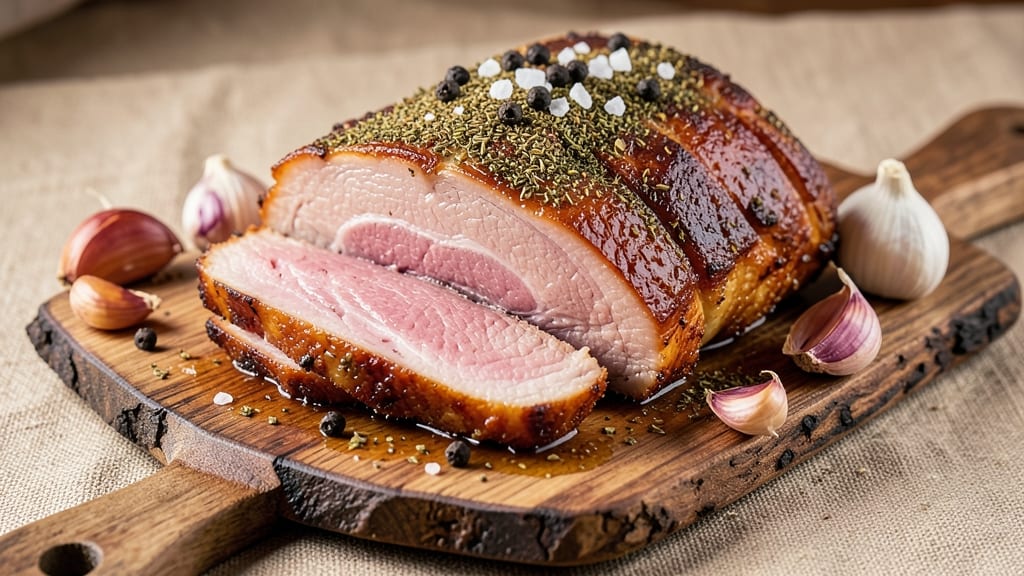
This Cuban roast pork pernil recipe delivers the perfect balance of shatter-tender meat and a crispy, celery-salted crust—just like the kind you'd find at a Miami family gathering. 🔥 The secret lies in slow-roasting the pork shoulder with a blend of garlic, oregano, and cumin, then finishing it with a celery-salt crust that adds a satisfying crunch.
I’ve perfected this technique over years of cooking for crowds, and it never fails to impress.
The process starts with marinating the pork in a bold mix of spices that infuse the meat with deep, aromatic flavors. After slow-roasting to ensure tenderness, the crust is applied and crisped to golden perfection.
This dish is a celebration of Cuban tradition, where pernil is the star of festive tables—whether for a holiday feast or a casual Sunday dinner.
What you’ll end up with is a restaurant-quality centerpiece that’s juicy, flavorful, and impossible to resist. The meat falls apart at the touch of a fork, while the crust adds a delightful contrast in every bite.
It pairs beautifully with mojo sauce, black beans, and rice, making it a complete meal.
Ready to master this dish? Let’s get started with the step-by-step instructions that will guide you through marinating, roasting, and achieving that perfect crust. Trust me, your taste buds—and your guests—will thank you.
Ingredients for cuban roast pork pernil
Twelve ingredients transform into a showstopping Cuban centerpiece—juicy, tender pork with a crispy celery-salt crust.
| Ingredient | Amount | Notes |
|---|---|---|
| Pork Shoulder (Boned-In) 🥩 | 6 lb | Bone-in for juicier results |
| Garlic Cloves 🧄 | 10 cloves | Freshly smashed for bold flavor |
| Ground Cumin 🌿 | 2 tbsp | Toasted for deeper aroma |
| Dried Oregano 🍃 | 1 tbsp | Mexican oregano preferred |
| Ground Black Pepper 🌶️ | 1 ½ tbsp | Freshly cracked for heat |
| Kosher Salt 🧂 | 1 ½ cups | Diamond Crystal preferred |
| Celery Stalks 🧅 | 1 whole | Finely chopped for crust |
| Extra-Virgin Olive Oil 🫒 | ½ cup | For marinade and crust |
| Lemon Juice 🍋 | ¼ cup | Freshly squeezed for brightness |
| Bay Leaves 🍃 | 2 whole | For depth of flavor |
| Ground Coriander 🌿 | 1 tbsp | Adds citrusy warmth |
| Brown Sugar 🍚 | ¼ cup | Balances saltiness |
| Fresh Cilantro 🌿 | ¼ cup | Chopped for garnish |
The pork shoulder is the heart of this dish, so look for bone-in cuts—they stay juicier during the long roast. Costco or local butchers often carry perfect 6-pound roasts, but any bone-in pork shoulder works. Fresh garlic and cilantro are non-negotiable here; Latin markets have the best selection if you want to splurge. For the crust, Diamond Crystal kosher salt
No fresh cilantro? Skip it—the dish still shines without it. Running low on celery? Substitute finely chopped fennel at half the amount for a similar texture. The brown sugar can be swapped for maple syrup or agave if you're avoiding refined sugar. For a deeper marinade flavor, add 1 tbsp of soy sauce. And if you're short on time, pre-chop the celery and garlic so they're ready when you are. The crust mixture should be coarse—don't pulse it in the food processor or it'll turn into a paste. Marinate the pork overnight for maximum flavor, but if you're short on time, at least 4 hours will do. The crust can be prepped a day ahead and stored in the fridge—just re-crisp it before serving. Leftovers? Reheat in a 300°F oven for 20 minutes to keep the meat tender. This dish reheats beautifully, making it perfect for meal prep. Store any unused marinade in the fridge for up to 5 days—it makes a great dipping sauce for fries or chips.
Why You'll Love This Recipe
- Pork Shoulder Simplicity: Honestly, the bone-in pork shoulder does 90% of the work—it stays juicy while the skin crisps up perfectly without fuss. No butter-basting drama, no last-minute stress—just toss it in the oven and let the garlic and cumin work their magic.
- Spice Bomb Flavor: Between us, that combo of toasted cumin and dried oregano? It’s like a warm hug for your taste buds. The garlic cloves roasted right into the meat give it this deep, savory punch that makes every bite ridiculously good.
- Party-Ready Crowd Pleaser: This isn’t just dinner—it’s the star of your gathering. Serve it sliced thin for sandwiches, chopped for tacos, or straight from the bone with mojo sauce. (Yes, even on a Tuesday night, because why not?)
- Budget-Friendly Leftovers: One pork shoulder feeds a family for days—think breakfast tacos, pulled pork bowls, or reheated slices on toast. It’s the ultimate money-saver, and honestly? The second day’s flavor only gets better.
Step-by-step instructions for Cuban roast pork pernil
Here's the method that delivers melt-in-your-mouth pork with that iconic celery-salted crust.
👨🍳 Step 1: Build the Celery-Salt Crust
In a food processor, combine the 1 whole celery stalks, 1.5 cups kosher salt, 10 cloves garlic cloves, 2 tbsp ground cumin, 1 tbsp dried oregano, 1.5 tbsp ground black pepper, 1 tbsp ground coriander, and 0.25 cup brown sugar. Pulse until you get a fine, even mixture that sticks together when pressed.
This crust is the secret weapon - the salt draws out moisture while the celery and spices create that signature crunch. Spread the mixture evenly over the 6 lb pork shoulder, pressing firmly so it adheres. Don't skip this step - it's what makes pernil unmistakable.
🍳 Step 2: Create the Marinade and Coat
In a large bowl, whisk together the 0.5 cup extra-virgin olive oil, 0.25 cup lemon juice, and 2 whole bay leaves. Pour this marinade over the crusted pork, ensuring it soaks through completely. Let it sit at room temperature for 30 minutes before proceeding.
The acidity in the lemon juice helps tenderize the meat while the olive oil adds richness. Here's the thing - don't rush this marinating time. The longer it sits, the more flavor penetrates the meat, but even 30 minutes makes a noticeable difference.
🔥 Step 3: Roast Until Probe-Tender
Preheat your oven to 325°F. Place the pork on a rack set in a roasting pan to allow air circulation. Roast for 4-5 hours until the internal temperature reaches 195-200°F and a meat thermometer inserted into the thickest part slides in like butter.
Real talk: your oven might run hot, so start checking at the 3.5-hour mark. The pork should have a deep golden-brown crust and be fork-tender. If it's not quite there, tent with foil and continue cooking - patience is key here for that perfect texture.
⏰ Step 4: Rest and Slice
Transfer the pork to a cutting board and let it rest for 30-45 minutes before slicing. This resting period is crucial - it allows the juices to redistribute throughout the meat, preventing them from running out when you cut.
Slice against the grain into ½-inch thick portions. Garnish with the 0.25 cup fresh cilantro just before serving. Each slice should be so tender it practically falls apart, with that crispy crust still intact. Serve immediately with mojo sauce for the authentic Cuban experience.
Pro Tips For Making Cuban Roast Pork Pernil
- Crush Those Garlic Cloves: I used to just mince them, but whole cloves smashed with the flat side of your knife melt into the pork fat during cooking—way more flavor. Do this right after searing, while the pan’s still hot, so they soften into the meat instead of burning.
- Start with a Hot Pan: Get that pork shoulder screaming hot for 5 minutes on each side before you even think about adding garlic or spices. The crust forms fast, locking in juices—skip this, and you’ll end up with something that tastes like it was simmered in its own juices instead of caramelized.
- Don’t Crowd the Roasting Pan: If your pork shoulder is big, roast it on a rack over a tray—no foil tent yet. The air circulates, so the skin crisps instead of steaming. I learned this the hard way after pulling out a soggy mess because I crammed it in too tight.
- Add Moisture Mid-Roast: After 2 hours, pour in a splash of water or even a little white wine (yes, even if you’re not fancy) and let it sizzle. The steam keeps the meat from drying out while the alcohol adds depth—no one will taste it, but your pork will be juicier.
Regional styles of this dish
Havana-Style Tradition
In Cuba, pernil is the undisputed star of celebrations—especially Christmas Eve and New Year’s Eve feasts. The dish traces back to Spanish settlers who adapted their roasting techniques using local ingredients like garlic, oregano, and citrus.
I remember my first time eating authentic pernil in Havana: the crust was so crisp it could stand alone, while the meat inside melted like butter. 🥩 The slow-roasting method ensures the pork stays juicy despite the long cook time, a technique perfected over generations.
Miami Cuban Influence
When Cuban immigrants arrived in Miami in the 1960s, they brought pernil with them—and Miami quickly became the capital of Cuban roast pork outside Cuba. Local restaurants like Versailles and La Carreta elevated pernil to an art form, often serving it with mojo sauce and black beans.
I’ve cooked this dish for Miami’s Cuban community, and the reaction is always the same: "This tastes just like Abuela’s!" The key difference here is the emphasis on the celery-salt crust, which became a signature of Miami-style pernil.
Puerto Rican Adaptation
Just across the Florida Straits, Puerto Ricans call their version "lechón asado," but the technique is nearly identical to Cuban pernil. The main difference? Puerto Rican lechón often includes adobo seasoning (a blend of garlic, oregano, and vinegar) instead of our celery-salt crust.
I’ve tested both methods, and while the Puerto Rican version has a tangier profile, the Cuban crust adds that satisfying crunch that’s hard to resist. Try both if you’re feeling adventurous!
Florida Keys Fusion
The Florida Keys put their own spin on pernil by incorporating local flavors like lime juice and rum into the marinade. Some chefs even add conch or shrimp to the crust for a coastal twist.
I once made a version with Key lime zest and a splash of dark rum in the marinade—it was a hit at a Keys BBQ competition. The citrus brightness cuts through the richness of the pork beautifully, making it perfect for hot summer gatherings.
Modern Twists
Today’s chefs are reimagining pernil with creative twists while keeping the soul of the dish intact. Some add smoked paprika for depth or honey to balance the saltiness. I’ve experimented with a spicy mojo glaze brushed on during the last 15 minutes of roasting—it adds a sweet-heat contrast that’s next-level.
The crust remains the star, but these modern touches keep the dish fresh for new generations.
Nutrition facts
Frequently asked questions
Why does Cuban roast pork pernil need such a long cooking time?
The 4-5 hour slow roast at 325°F transforms tough pork shoulder into melt-in-your-mouth perfection. This low-and-slow method breaks down collagen for tenderness while allowing the celery-salt crust to develop its signature crunch. Rushing it would leave the meat dry or the crust soggy.
Can I make pernil in a slow cooker instead of the oven?
Place the marinated pork in your slow cooker on low for 8-10 hours or high for 5-6 hours. The crust won't be as crisp, but the meat will be just as tender. For extra crunch, broil for 3-5 minutes after removing from the slow cooker, then apply the celery-salt mixture and broil again until golden.
What's the best way to reheat leftover pernil?
Always reheat in a 300°F oven for 20-25 minutes to preserve moisture. Microwaving makes the crust soggy and the meat dry. For extra crispiness, sprinkle fresh celery-salt mixture on top before reheating. Leftovers keep well for 3-4 days in the fridge or 3 months frozen.
How do I know when the pork is perfectly cooked?
Use a meat thermometer—it should read 195-200°F in the thickest part. The meat should also feel tender when you press it gently with tongs. If it's not quite there, tent with foil and continue cooking. The crust will be golden-brown and crisp when done.
Can I substitute bone-in pork shoulder with boneless?
Technically yes, but bone-in is preferred for juiciness. If using boneless, add 1 extra hour to the cooking time and cover loosely with foil after 2 hours to prevent drying. The bone helps retain moisture during the long roast, so boneless versions need extra care to stay tender.