
Main Courses
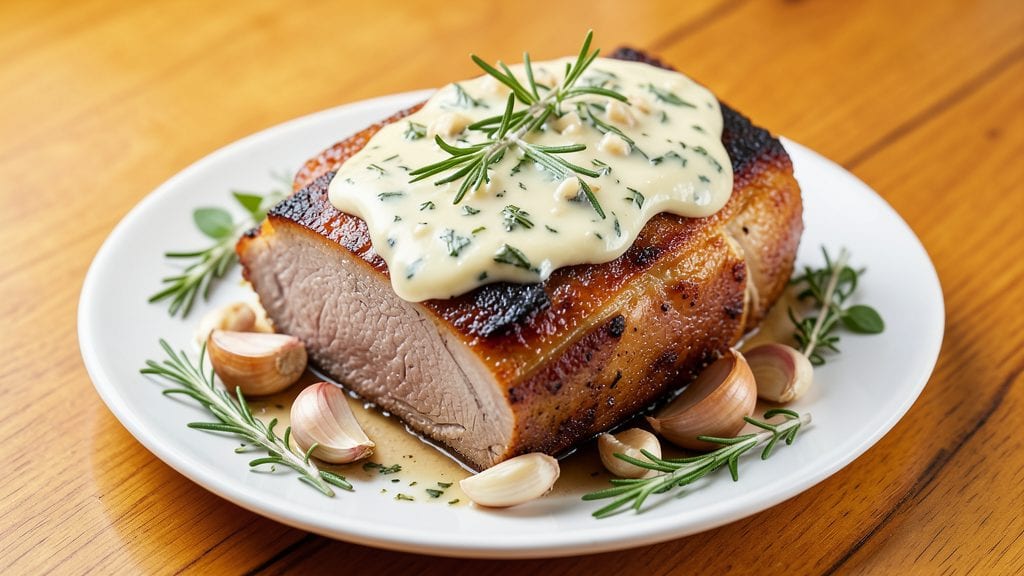
Ina Garten's pork loin recipe delivers the kind of juicy perfection that makes weeknight dinners feel like a special occasion. Growing up in small-town Georgia, I learned that pork—when handled with care—transforms simple ingredients into something extraordinary.
This herb-crusted roast stays tender and flavorful, with a golden crust that’s impossible to resist. The secret lies in a simple yet refined technique that balances herbs, butter, and precise roasting.
What sets this recipe apart is its approachability—no fancy marinades or complicated steps, just quality ingredients and a method that ensures restaurant-quality results at home. The herb crust, made with fresh rosemary and thyme, forms a fragrant barrier that locks in moisture while adding depth of flavor.
Roasting at the right temperature guarantees a perfectly pink center, never dry or overcooked. It’s the kind of dish that feels like a celebration, even on a Tuesday night.
By the time you pull this pork loin from the oven, you’ll have a centerpiece that’s golden, aromatic, and impossibly tender. The crust will be crisp enough to hold its shape, while the inside remains juicy and succulent—just like Ina’s signature dishes.
Serve it with roasted potatoes or a bright green salad to round out the meal. This is how you make everyday cooking feel special.
Here’s the key: patience and precision. The difference between a good pork loin and a great one is in the details—how long you let it rest, how evenly you season, and how you monitor the internal temperature.
Trust the process, and you’ll end up with a roast that’s worth every bite. Let’s get started.
Ingredients for ina garten pork loin
Herbs, butter, and patience—this is how you turn pork loin into restaurant-quality perfection.
| Ingredient | Amount | Notes |
|---|---|---|
| Bone-In Pork Loin Roast 🐷 | 3 ½ lb | Center-cut, skin-on preferred |
| Unsalted Butter 🧈 | ½ cup | Room temperature, cut into cubes |
| Fresh Rosemary 🌿 | 2 tbsp | Chopped, plus 2 sprigs for garnish |
| Fresh Thyme 🌿 | 1 tbsp | Leaves only, finely chopped |
| Garlic Cloves 🧄 | 4 cloves | Minced, freshly peeled |
| Diamond Crystal Kosher Salt 🧂 | 1 ½ tsp | For crust and seasoning |
| Freshly Ground Black Pepper 🌶️ | 1 tsp | Freshly ground, coarse |
| Olive Oil 🫒 | 2 tbsp | For brushing and basting |
| Dijon Mustard 🍯 | 1 tbsp | For crust binding |
| Fresh Lemon 🍋 | 1 whole | Zested, plus juice for finishing |
| All-Purpose Flour 🌾 | ¼ cup | For dredging crust |
| Fresh Parsley 🌿 | ¼ cup | Chopped, for garnish |
The pork loin is your star, so center-cut bone-in is non-negotiable—it stays juicier and roasts more evenly. Whole Foods or local butcher carries the best cuts with good marbling. If you're buying pre-cut, look for skin-on—it adds flavor and keeps the meat moist. I always pat it dry with paper towels before seasoning (trust me on this), as moisture interferes with crust adhesion. The room-temperature butter is crucial—cold butter creates uneven crusts, but softened butter melts into the meat for richness.
No fresh rosemary? Dried rosemary at half the amount works, but it lacks that vibrant, piney aroma. Substituting thyme for oregano is fine, but fresh thyme leaves are ideal—they’re delicate and bright. For the Dijon mustard, whole-grain mustard adds texture, but regular works in a pinch. Lemon zest is a game-changer; if you’re short, extra lemon juice can brighten the dish, though the zest adds complexity. The flour acts as a binder—gluten-free flour can replace it, but the crust won’t be as crisp.
This roast reheats beautifully—slice against the grain and store in an airtight container for up to 4 days. For longer storage, freeze portions for up to 3 months; thaw overnight in the fridge. The herb crust crispiness is best eaten fresh, but the meat remains tender. I always double the garnish—extra parsley and lemon zest make leftovers feel like a new meal. Use a meat thermometer; 145°F internal temp ensures juiciness without overcooking.
Why You'll Love This Recipe
- No-Chop Necessary: Honestly, the only chopping here is mincing those garlic cloves—and even that’s a breeze with a knife. The rest? Just slapping that herb butter on the pork and letting the oven do the work. I’ve made this while scrolling through my phone, and it still turns out perfect.
- Crispy Outside, Creamy Inside: That golden-brown crust from the herb butter? It’s not just pretty—it’s crunchy perfection with a juicy, fall-apart center. The garlic and rosemary in the butter crust infuse every bite, and the Dijon mustard sauce ties it all together with a tangy punch. Trust me, your taste buds will thank you.
- Leftovers That Last: This roast reheats like a dream—sliced against the grain and tucked in the fridge for up to 4 days. I’ve taken it to work for lunches, packed it for potlucks, and even frozen portions for lazy nights. The mustard sauce clings beautifully to reheated slices, so it’s always restaurant-quality, no matter when you eat it.
- Budget-Friendly Luxury: A bone-in pork loin roast isn’t expensive, and with fresh herbs and butter, you’re not throwing money away. The key is using what you’ve got—those rosemary sprigs from last week’s dinner? Chop ‘em up. That lemon? Zest it. Every ingredient plays a role, and the end result feels like a fancy dinner without the price tag.
Step-by-step instructions for herb-crusted pork loin roast
Here's how to achieve Ina Garten's signature juicy, herb-encrusted pork loin every time.
Prepare the Herb Butter Crust
In a food processor, combine the ½ cup unsalted butter, 2 tablespoons chopped fresh rosemary, 1 tablespoon chopped fresh thyme, 4 minced garlic cloves, 1½ teaspoons diamond crystal kosher salt, and 1 teaspoon freshly ground black pepper. Process until the mixture becomes a smooth paste with visible herb flecks. This herb butter will create the signature crust that locks in moisture and delivers maximum flavor.
Transfer the herb butter to a small bowl and let it sit at room temperature for 15 minutes while you prepare the pork. The butter should be soft enough to spread easily but not melted. This step ensures the crust will adhere properly and develop that beautiful golden-brown crust during roasting.
Season and Coat the Pork Loin
Pat the 3½ pound bone-in pork loin roast completely dry with paper towels—this is critical for developing that crisp crust. Ina Garten's method relies on the Maillard reaction, which requires dry surfaces to work properly. Season the pork generously with an additional ½ teaspoon diamond crystal kosher salt and ½ teaspoon freshly ground black pepper on all sides.
Spread the herb butter mixture evenly over the entire surface of the pork, including the cut sides. Press it in gently with your fingertips to ensure complete coverage. This isn't just seasoning—it's creating a flavorful barrier that will protect the meat during roasting while delivering incredible aroma and taste. Don't skip this step; it's what makes this roast truly special.
Roast to Juicy Perfection
Preheat your oven to 425°F with a rack positioned in the lower third of the oven. Place the pork loin roast on a wire rack set inside a rimmed baking sheet. The rack allows hot air to circulate underneath, preventing the bottom from steaming instead of browning. Let the pork come to room temperature for 30 minutes before roasting—this ensures even cooking throughout.
Roast the pork loin for 30 minutes, then reduce the oven temperature to 325°F. Continue roasting for an additional 45-55 minutes or until the internal temperature reaches 145°F when measured with a meat thermometer in the thickest part of the meat. The pork should rest for 15 minutes before slicing—this resting period allows the juices to redistribute, ensuring each slice remains moist and flavorful.
Create the Mustard Pan Sauce
While the pork rests, place the same baking sheet over medium heat on the stovetop. Add 2 tablespoons olive oil and scrape up all the browned bits from the bottom of the pan using a wooden spoon. This technique, called deglazing, captures all the concentrated flavors that would otherwise be lost. Add 1 tablespoon Dijon mustard and let it sizzle for 30 seconds while stirring constantly.
Gradually whisk in ¼ cup all-purpose flour to create a roux, then slowly pour in ½ cup hot water while whisking vigorously to prevent lumps from forming. Let the sauce simmer for 3-4 minutes until it thickens enough to coat the back of a spoon. The sauce should be smooth and glossy, with a perfect balance of tangy mustard and herbaceous notes from the pork's crust.
Finish and Serve
Slice the pork loin into ½-inch thick slices against the grain for maximum tenderness. Arrange the slices on a warm serving platter and drizzle generously with the mustard pan sauce. Finish with ¼ cup chopped fresh parsley and the zest of 1 fresh lemon for a bright, aromatic touch that cuts through the richness of the pork.
Garnish with the reserved 2 tablespoons chopped fresh rosemary for presentation, and serve immediately with your choice of sides. The pork should be juicy with a beautiful golden-brown crust, and each bite should deliver layers of herb-infused butter flavor with a perfect balance of tangy mustard sauce. This is the kind of roast that makes weeknight dinners feel special—simple ingredients transformed into something extraordinary through careful technique.
Pro Tips For Making Ina Garten Pork Loin
- Press That Butter Hard: Don’t just slap the herb butter on the pork—press it in firmly with your fingertips, especially on the cut sides. I used to skim this step, and the crust would flake off halfway through roasting. The butter needs to cling like glue, or you’ll end up with a dry, flavorless exterior.
- Skip the Cold Butter Trap: The butter must be room temperature (soft but not melted) when you spread it. Cold butter patches won’t melt during roasting, leaving you with a splotchy, uneven crust. If yours is too hard, microwave it in 10-second bursts until it yields—just don’t let it turn liquid.
- Don’t Rush the Rest: That 15-minute rest after roasting isn’t optional—it’s when the juices redistribute, or your slices will turn out dry as a Sunday sermon. Tent the pork loosely with foil if you’re nervous about it cooling too fast, but do not skip this step. Your future self will cry.
- Deglaze Aggressively: When making the mustard sauce, don’t just scrape the pan—attack those browned bits with a wooden spoon. That’s where the magic happens, and skipping it means a bland, watery sauce. A few extra seconds here make all the difference in depth of flavor.
Common mistakes when making great ina garten pork loin
Skipping the Room-Temp Step
This is a mistake I see even seasoned cooks make—rushing to pop the pork into the oven without letting it come to room temperature. Cold meat cooks unevenly, leading to dry edges while the center remains undercooked.
I always let my pork sit for 30 minutes on the counter before roasting. Trust me, that extra time makes all the difference in juiciness. 💡
Overlooking the Maillard Reaction
Patting the pork dry is non-negotiable for that perfect golden crust. If you skip this step, the crust will steam instead of brown, and the pork will lack that signature caramelized flavor.
I use paper towels to absorb all moisture before seasoning. Even a little dampness can prevent the Maillard reaction from happening properly.
Underseasoning the Crust
The herb butter crust isn’t just decoration—it’s the flavor foundation. Skipping the extra ½ teaspoon salt and ½ teaspoon pepper on top of the butter mixture means you’re missing out on layers of seasoning.
I always press the seasoned butter evenly over every surface, including the cut sides. This ensures every bite delivers that herbaceous punch.
Ignoring the Resting Period
Pulling the pork out of the oven and slicing immediately is a rookie mistake. The resting time lets those juices redistribute throughout the meat, preventing a dry, stringy texture.
I always wrap my pork in foil and let it rest for 15 minutes before slicing. This step is what turns good pork into great pork.
Skipping the Deglazing Step
The pan sauce is where all the concentrated flavors live. Skipping the deglazing step means losing those delicious browned bits that add depth to your sauce. I always scrape up every bit with a wooden spoon before adding the mustard and flour.
It takes less than a minute but makes a world of difference in the final dish.
Nutrition facts
Frequently asked questions
Why does Ina Garten’s method use bone-in pork loin?
The bone adds natural flavor and helps keep the meat juicy during roasting. Bone-in pork loin stays moist longer because the bone acts as a heat conductor, ensuring even cooking. Plus, the flavor infusion from the bone elevates the dish—it’s a technique that turns simple ingredients into something extraordinary.
Can I substitute dried herbs for fresh in the crust?
You can, but use half the amount of dried rosemary or thyme. Fresh herbs deliver brighter, more vibrant flavors, but dried herbs work in a pinch. For the best results, chop fresh herbs finely and let them sit in the butter mixture for 15 minutes to release their aroma before applying to the pork.
What’s the best way to check if the pork is done?
Use a meat thermometer to measure the internal temperature in the thickest part of the meat. It should reach 145°F for juicy perfection. Avoid guessing—overcooking turns tender pork into dry, tough slices. The thermometer ensures consistent results every time.
How do I prevent the crust from falling off during roasting?
Press the herb butter mixture firmly into the pork and let it sit at room temperature for 15 minutes before roasting. This helps the crust adhere better. Also, avoid overhandling the pork after coating—gently place it on the wire rack to prevent the crust from cracking.
Can I make this recipe ahead of time?
Slice the pork against the grain and store it in an airtight container for up to 4 days. For longer storage, freeze portions for 3 months. Reheat gently in the oven or on the stovetop—just add a splash of water or broth to keep it moist. The herb crust crispiness is best fresh, but the meat stays tender.