
Main Courses
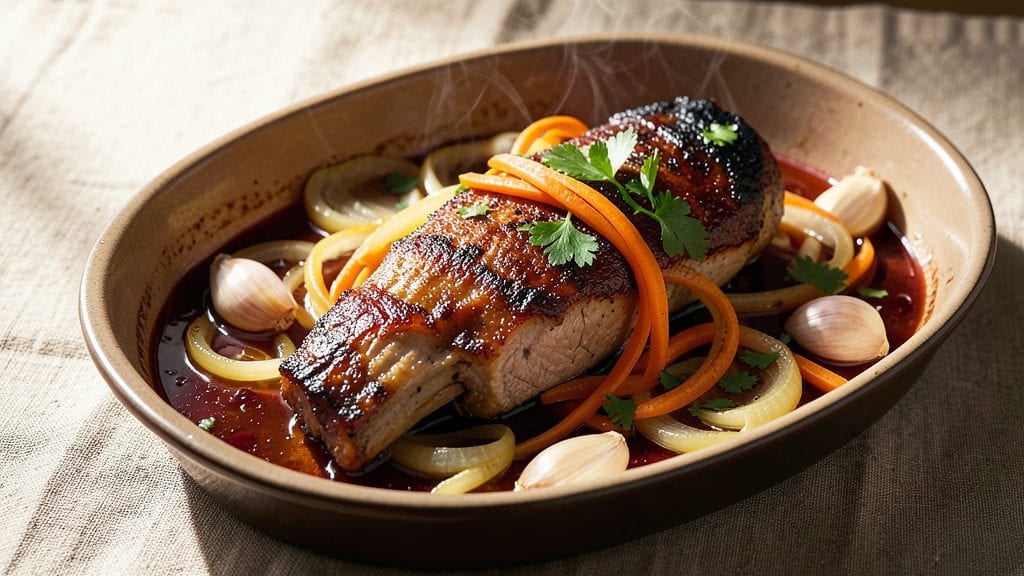
Jamie Oliver's pork hock recipe delivers melt-in-your-mouth tenderness that transforms a simple cut into a showstopping centerpiece. 💛 Growing up in Georgia, I learned pork hock could be magic when slow-braised with patience and the right technique—exactly what Jamie Oliver perfected in his signature method.
The key lies in searing first to lock in flavors, then braising until the meat practically falls apart, creating a rich, caramelized sauce that ties everything together.
This isn't just another pork dish—it's a foolproof method that works every time, even for beginners. With just a few pantry staples and 3 hours of hands-off cooking, you'll achieve restaurant-quality results at home. The secret?
Low-and-slow braising with aromatics like onions and garlic, plus a splash of apple cider vinegar to brighten the sauce. My own heritage pigs from the farm always respond best to this approach, producing meat so tender it disappears at the first bite.
By the time you're done, you'll have a dish worthy of any dinner table—juicy, flavorful pork hock swimming in a glossy, savory sauce. The texture is what makes it special: fall-apart tender with just enough resistance to hold its shape.
Serve it with mashed potatoes or crusty bread to soak up every last drop of that golden sauce. This is the kind of recipe that turns weeknight dinners into special occasions without the fuss.
What makes this recipe truly special is its versatility. Use the leftovers for sandwiches the next day or shred the meat for tacos—Jamie Oliver's method adapts to any meal. The braising liquid alone makes an excellent gravy or base for soups.
Once you master this technique, you'll never buy pork hock again. Let's get started on creating your own irresistible centerpiece.
Ingredients for jamie oliver pork hock
Pantry staples meet rustic charm—just a few ingredients for fall-apart pork hock magic.
| Ingredient | Amount | Notes |
|---|---|---|
| Pork Hock 🐖 | 2 lb | Heritage pig preferred, skin on |
| Yellow Onions 🧅 | 2 whole | Medium, sliced into half-moons |
| Garlic Cloves 🧄 | 6 cloves | Peeled, smashed lightly |
| Carrots 🥕 | 3 whole | Medium, cut into chunks |
| Apple Cider Vinegar 🍎 | ¼ cup | Unfiltered for depth |
| Dry Red Wine 🍷 | 1 cup | Bold, like Cabernet Sauvignon |
| Chicken Stock 🍲 | 2 cups | Homemade or high-quality |
| Tomato Paste 🍅 | 2 tbsp | Smooth, no sugar added |
| Fresh Thyme 🌿 | ¼ cup | Leaves only, stems removed |
| Fresh Rosemary 🌿 | 1 sprig | Woody stems for infusion |
| Olive Oil 🫒 | 2 tbsp | Extra-virgin for searing |
| Salt 🧂 | 1 ½ tsp | Diamond Crystal kosher |
| Black Peppercorns 🌶️ | ½ tsp | Freshly cracked |
| Brown Sugar 🍚 | 1 tbsp | Light, for caramelization |
| Bay Leaves 🍃 | 2 whole | Dried, for infusion |
The pork hock is the star, so heritage pig from a local farm makes all the difference—look for thick, meaty bones and a rich marbling. If you're stuck with grocery store cuts, Costco or Whole Foods carry well-sourced options. The skin-on variety gives extra flavor, but skinless works too (just skip crisping it). For aromatics, fresh thyme and rosemary from the grocery store's produce section should smell vibrant—if they're wilted, toss them. The onions and carrots can be baby or regular; just chop them evenly so they cook at the same rate. Apple cider vinegar? Unfiltered brands like Braggs add complexity, but any good-quality vinegar works.
No red wine? Dry sherry or beef stock works in a pinch—just add a splash of soy sauce for depth. Fresh herbs wilt fast, so dried thyme at one-third the amount is fine if you're short. The tomato paste can be the squeeze-tube kind from Trader Joe's (no waste!) or the canned stuff—just make sure it's smooth. Brown sugar isn't mandatory, but it helps caramelize the sauce. Skip it if you're watching sugar, but the dish will still be delicious. For the chicken stock, homemade is ideal, but even the bouillon cubes (like Knorr) add flavor in a bind. The key is balancing acidity—the vinegar brightens, the wine adds richness, and the stock rounds it all out.
This dish tastes even better the next day, so make extra—leftovers reheat beautifully. Store the pork hock in its braising liquid in the fridge for up to 5 days or freeze for 3 months. The sauce thickens as it cools, so add a splash of water or stock when reheating. For serving, I like to shred the meat directly in the sauce—it stays juicier that way. The bones? Save them for stock! If you're prepping ahead, you can even par-cook the pork hock (sear and start braising), then finish later. Just cover and refrigerate before continuing.
Why You'll Love This Recipe
- One-Pot Magic: I love that this recipe turns one Dutch oven into your entire meal—no extra pans, no cleanup chaos. Just sear the pork hock for that crispy skin (8-10 minutes, skin-side down—don’t skip this!), then toss in onions, carrots, and herbs while the meat rests. The aromatics caramelize right in the same pot, and by the time you flip the hock, you’ve got a braise that practically cooks itself for hours.
- Crave-Worthy Umami Bomb: The combination of unfiltered apple cider vinegar, that deep red wine reduction, and the slow-cooked pork hock? It’s like a flavor hug. The garlic and thyme infuse the meat while it simmers, and that crispy skin? Chef’s kiss. My kids don’t even notice they’re eating pork hock—they just keep asking for seconds because it’s that good.
- Feed a Crowd, Freeze for Later: This isn’t just a meal; it’s a feast. Two pounds of pork hock feeds four with leftovers, and honestly? The braising liquid is so rich, you’ll want to save it for sandwiches or pasta the next day. And if you make it ahead, it keeps in the fridge for five whole days or freezes like a dream for three months. Zero waste, zero stress.
- Budget’s Best Kept Secret: Pork hocks are cheaper than chicken thighs but pack more flavor. You’re using affordable cuts like onions, carrots, and herbs, plus a splash of wine and vinegar to elevate everything. It’s the kind of dish that makes you feel fancy without breaking the bank. Plus, heritage pork? Worth it.
Step-by-step instructions for slow-braised pork hock
Here's how to transform a simple pork hock into melt-in-your-mouth perfection—no shortcuts, just deep flavor and tender results.
🔥 Step 1: Sear the Pork Hock for Maximum Flavor
Heat a large Dutch oven over medium-high heat and add the 2 tablespoons olive oil. Once shimmering, place the 2 lb pork hock skin-side down and sear for 8-10 minutes until the skin is deep golden brown and crispy. Press down gently with a spatula to prevent curling—this ensures even contact with the pan.
Flip the pork hock and sear the other side for another 5-6 minutes. You'll see the fat begin to render out, creating a rich base for your braise. Remove the pork hock and set it aside on a plate—it'll rest while you build the aromatic foundation of your dish.
👨🍳 Step 2: Build Layers of Flavor in the Dutch Oven
In the same Dutch oven (no need to wipe it clean—those browned bits are pure flavor), add the 2 yellow onions sliced into half-moons and cook for 5 minutes until softened and just starting to caramelize. Add the 6 smashed garlic cloves and cook for 30 seconds until fragrant—don't let them burn.
Stir in the 3 carrots cut into chunks, 2 tablespoons tomato paste, 1 tablespoon brown sugar, 1½ teaspoons salt, and ½ teaspoon cracked black peppercorns. Cook for 2 minutes to toast the spices and deepen their flavors. This is where the magic happens—these aromatics form the backbone of your braise.
🍳 Step 3: Deglaze and Simmer with Wine and Vinegar
Pour in the 1 cup dry red wine and scrape up all those delicious browned bits from the bottom of the pan. Let it simmer for 3-4 minutes until reduced by half. Add the ¼ cup apple cider vinegar and 2 cups chicken stock, then stir in the ¼ cup fresh thyme leaves and 1 sprig fresh rosemary (woody stems included for infusion).
Bring to a gentle simmer, then add the 2 bay leaves. This is where patience pays off—cover the Dutch oven and let it simmer on low heat for 1 hour. The pork hock needs time to break down and become fork-tender, not tough. Resist the urge to peek—every time you lift the lid, you lose precious heat and moisture.
⏰ Step 4: Braise Until Fork-Tender and Juicy
After the initial 1 hour, carefully flip the pork hock in the braising liquid to ensure even cooking. Return to a simmer and continue cooking, covered, for another 2-2½ hours until the meat is fork-tender. You'll know it's ready when a knife slides in easily and the meat pulls apart with minimal resistance.
Here's the thing—your oven might run hot, so start checking at the 2½ hour mark. The internal temperature should reach 195-200°F in the thickest part of the meat. If the liquid reduces too much, add a splash of water or stock to keep it just covering the pork hock. The goal is tender, fall-apart meat with rich, flavorful braising liquid.
🍽️ Step 5: Rest and Serve with Crispy Skin
Remove the pork hock from the braising liquid and transfer it to a cutting board. Tent loosely with foil and let it rest for 15-20 minutes. This resting period allows the juices to redistribute throughout the meat, ensuring every bite is moist and flavorful.
While it rests, skim any excess fat from the braising liquid and adjust the seasoning if needed. Serve the pork hock sliced thickly against the grain, with the rich braising liquid ladled over the top. The crispy skin should contrast beautifully with the tender, melting meat. Pair with crusty bread to soak up every last drop of that flavorful sauce.
Pro Tips For Making Jamie Oliver Pork Hock
- Press That Pork Hock: DESCRIPTION: I learned this the hard way—skipping the spatula pressure in Step 1 means uneven browning and soggy skin. Keep that pork hock flat against the pan for those 8-10 minutes, or you’ll end up with patchy crispiness instead of golden perfection.
- Caramelize Onions Properly: DESCRIPTION: Those onions aren’t just for color—they’re the flavor backbone. Cook them for the full 5 minutes until they’re soft and just starting to turn golden, not mushy. If you rush, your braise will taste bland, even with all the wine and vinegar.
- Don’t Flip Too Early: DESCRIPTION: After the initial 1-hour simmer, flipping the pork hock is non-negotiable, but wait until the meat is almost tender—around 2 hours total. Flipping too soon means uneven cooking, and you’ll end up with one side overdone while the other’s still tough.
- Skim the Fat Later: DESCRIPTION: Save the skimming for after the pork hock rests—right before serving. The fat in the braising liquid keeps the meat juicy during the final rest, so don’t strip it all out early. Just skim enough to make the sauce look elegant, not greasy.
Perfect pairings for this jamie oliver pork hock
Classic Mashed Potatoes
Jamie Oliver’s pork hock pairs perfectly with creamy, buttery mashed potatoes that soak up every drop of the braising liquid.
I use 2 lbs Yukon Gold potatoes, boiled until fork-tender, then mashed with ½ cup whole milk and 6 tbsp unsalted butter (I swear by Plugrá for its rich flavor). Add ½ tsp salt and ¼ tsp nutmeg for warmth.
The starchiness of Yukon Golds makes them ideal—they hold up to the pork’s richness without getting gluey. 🥔
Crusty Sourdough Bread
A rustic sourdough loaf from your local bakery or homemade version works wonders for dipping into the pork’s braising sauce. Toast it lightly in the oven at 375°F for 5 minutes to enhance its crust.
The tangy, chewy texture contrasts beautifully with the tender meat. I always keep a loaf on hand—I bake my own sourdough starter, and it’s a game-changer for pairing. 🍞
Roasted Brussels Sprouts
For a touch of bitterness to balance the dish, roast 1 lb Brussels sprouts with 2 tbsp olive oil, ½ tsp smoked paprika, and ¼ tsp garlic powder at 400°F for 25 minutes. Toss them halfway through for even browning.
The caramelized edges add a delightful crunch and cut through the richness of the pork. I like to serve them with a sprinkle of flaky sea salt like Maldon for extra texture. 🥬
Red Wine Reduction Gravy
Turn the braising liquid into a luxurious gravy by simmering it uncovered for 20-30 minutes until reduced by half. Stir in 1 tbsp cornstarch mixed with 2 tbsp cold water to thicken. A splash of dry red wine (the same bold Cabernet Sauvignon used in the braise) adds depth.
This gravy transforms the pork hock into a full-course meal. I serve it ladled over the pork, and it’s always the first thing to disappear. 🍷
Pickled Red Onions
Quick-pickle 1 medium red onion thinly sliced with ½ cup apple cider vinegar, ¼ cup water, 1 tbsp sugar, and ½ tsp salt. Let it sit for 30 minutes before serving.
The tangy, bright onions add a refreshing contrast to the hearty pork. I like to garnish the plate with them just before serving—it’s a simple touch that elevates the dish. 🌶️
Nutrition facts
Frequently asked questions
Why does this pork hock recipe require such long cooking times?
The slow braising method breaks down tough collagen fibers in the pork hock, transforming them into gelatin that tenderizes the meat. 3-3.5 hours of low-and-slow cooking creates melt-in-your-mouth texture while infusing deep flavor from the aromatics. This technique works best for connective tissue-rich cuts like pork hock, creating restaurant-quality results at home.
Can I substitute the dry red wine with something else?
Use dry sherry or beef stock if you don't have wine. For extra depth, add 1 tablespoon soy sauce to mimic the umami notes wine provides. The acidity from apple cider vinegar still ensures a balanced sauce—just adjust seasoning afterward.
How do I know when the pork hock is perfectly cooked?
Check for doneness using two methods: fork-tenderness (meat should shred easily) and internal temperature (195-200°F in the thickest part). The skin should also be crispy when sliced. If the liquid reduces too much, add water or stock to maintain moisture. Patience here is key—rushing leads to tough meat!
What's the best way to use the leftover braising liquid?
Don't waste it! Strain the liquid and use it as a luxurious gravy for sandwiches or pasta. Thicken with cornstarch slurry or reduce it further for a rich sauce. Freeze portions for future soups or braises—it's packed with porky goodness. The bones can also make homemade stock for future dishes.
Why should I rest the pork hock before slicing?
The 15-20 minute rest lets juices redistribute throughout the meat, preventing dryness when sliced. This step ensures every bite is moist and flavorful. Tent with foil to keep it warm while resting—it's a simple but crucial final touch for perfect texture.