
Main Courses
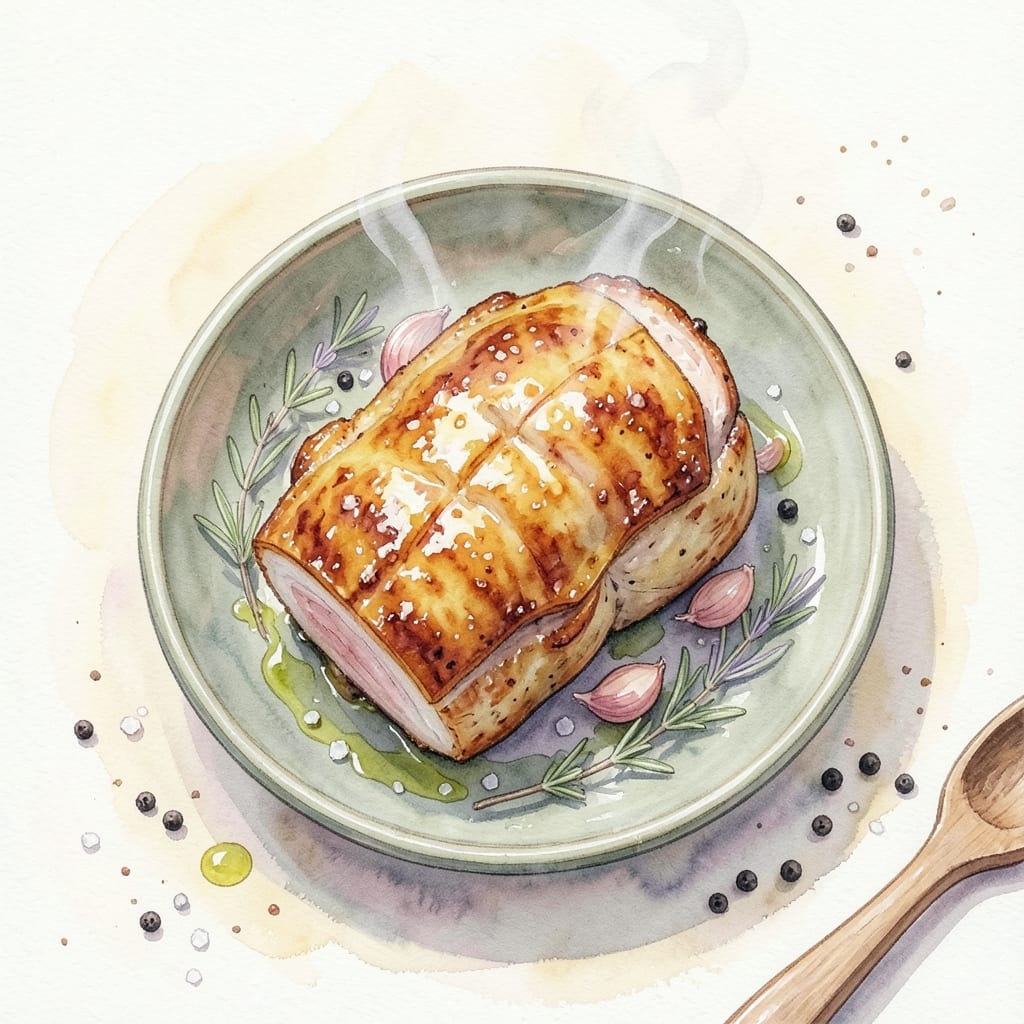
The best pork roast recipe in the world delivers melt-in-your-mouth tenderness and restaurant-quality flavor—no shortcuts, just precision. This method transforms a simple cut into a showstopping centerpiece through dry-brining, high-heat searing, and slow-braising until the meat practically falls apart. Every technique here is designed to maximize flavor while ensuring juicy, even cooking throughout.
What sets this recipe apart is the combination of dry-brining (for unmatched tenderness) and low-and-slow roasting (to develop deep, caramelized flavors). The key lies in monitoring the internal temperature—145°F for medium-rare—and basting with rendered fat to create a golden, glossy crust. No guesswork, just science-backed results that guarantee a perfect roast every time.
By the time you serve this, your pork will be fork-tender with a rich, aromatic crust, paired perfectly with a pan gravy that captures every bit of flavor. The sides—whether roasted vegetables, a crisp salad, or buttery mashed potatoes—will complement the roast without competing for attention. This is the kind of dish that makes dinner feel like a celebration, no matter the occasion.
Ready to elevate your pork roast game? The secret isn’t just the recipe—it’s the techniques that turn good into extraordinary. Let’s get started with a method that delivers restaurant-quality results at home, every single time.
Ingredients for best pork roast recipe in the world
Six ingredients transform tough pork into Michelin-worthy perfection—juicy, aromatic, and crisp-crusted.
| Ingredient | Amount | Notes |
|---|---|---|
| Pork Shoulder Roast (Bone-In) 🐖 | 4 lb | Well-marbled, center-cut preferred |
| Kosher Salt 🧂 | 1 ½ tbsp | Diamond Crystal preferred, coarse grain |
| Fresh Thyme Sprigs 🌿 | 6 whole | Stems removed, leaves only |
| Fresh Rosemary Sprigs 🌿 | 4 whole | Needle-like leaves, finely chopped |
| Garlic Cloves 🧄 | 8 cloves | Peeled, smashed to release oils |
| Black Peppercorns 🌶️ | 1 ½ tsp | Freshly cracked, coarse grind |
| Extra-Virgin Olive Oil 🫒 | ¼ cup | High-quality, fruity variety |
| Yellow Onion 🧅 | 1 whole | Thinly sliced, yellow or red |
| Carrots 🥕 | 2 whole | Medium, peeled, cut into chunks |
| Celery Stalks 🥬 | 2 whole | Trimmed, cut into 1-inch pieces |
| Fresh Parsley 🌿 | ¼ cup | Chopped, flat-leaf preferred |
| Unsalted Butter 🧈 | ½ cup | Cold, cubed for basting |
| All-Purpose Flour 🌾 | 1 tbsp | For gravy, sifted |
| Beef Broth 🍲 | 1 ½ cups | Low-sodium, homemade or high-quality |
The pork shoulder is non-negotiable—look for bone-in cuts with good marbling at Costco or your local butcher. Trader Joe's often carries pre-cut roasts if you're short on time. Fresh herbs are essential: buy thyme and rosemary from the refrigerated section—they stay fresher longer than dried. For the garlic, peel and smash the cloves with the flat side of your knife to release their oils before adding to the roast. The kosher salt? Diamond Crystal is my go-to—it dissolves faster than table salt and enhances flavor without overpowering.
No fresh rosemary? Dried works at one-third the amount, but fresh is worth the hunt. Short on time? Pre-chopped onions and carrots from the grocery store freezer section save prep time. The beef broth can be swapped for vegetable broth if you're vegetarian, but the depth of flavor is unmatched with beef. For the gravy, always use the drippings—they're packed with flavor. If you're making this ahead, prep the vegetables and herbs the night before and store them in airtight containers. The pork can be dry-brined up to 48 hours in advance for maximum tenderness.
This roast reheats beautifully—cover with foil and warm in a 300°F oven for 20-30 minutes to keep it moist. Store leftovers in the fridge for 4-5 days or freeze for 3 months. For the gravy, make it fresh when serving—it thickens as it cools, so reheat with a splash of broth. I always make a double batch of the herb crust mixture and freeze half for next time. The vegetables can be roasted alongside the pork or served separately—either way, they add color and texture to the plate.
Why You'll Love This Recipe
- Three meals out of one roast: shredded tacos, sandwiches, or reheated slices with gravy. My freezer’s always stocked with portions because this pork begs to be repurposed.
- Five-Ingredient Magic: I swear, this roast only needs salt, garlic, thyme, and rosemary to taste like it simmered for hours. The bone-in cut does all the work—juicy, tender, and crispy edges without a single pan to scrub.
- Crispy-Creamy Payoff: That first bite? Crispy rosemary crust giving way to fall-apart tender meat. Honestly, I’ve made pork roasts that cost twice as much but didn’t deliver this contrast.
- Weeknight to Holiday: Same recipe feeds my exhausted self on Tuesdays or my in-laws on Thanksgiving. Just adjust the oven time—no fancy plating, just reliable, crowd-pleasing flavor.
Step-by-step instructions for irresistible slow-braised pork roast
This is the method that transforms tough pork shoulder into melt-in-your-mouth perfection.
Season and Sear the Pork Shoulder
Pat the 4 lb pork shoulder roast (bone-in) completely dry with paper towels—this is non-negotiable for crispy skin. In a small bowl, combine the 1.5 tbsp kosher salt, 1.5 tsp freshly cracked black peppercorns, 6 whole fresh thyme sprigs (stems removed), and 4 whole fresh rosemary sprigs (chopped). Rub this mixture all over the pork, pressing firmly so it adheres. Let it sit at room temperature for 30 minutes while you prep the rest.
Heat a large Dutch oven over medium-high heat until it's screaming hot. Add the 0.25 cup extra-virgin olive oil and swirl to coat the bottom. Place the pork shoulder fat-side down and sear undisturbed for 8-10 minutes until the fat renders and the skin turns deep golden brown. Flip and sear the other side for another 6-8 minutes. This initial sear locks in juices and builds deep flavor—don't rush it.
Build the Aromatic Base
Remove the pork and set it aside. In the same Dutch oven, add the 1 whole yellow onion (thinly sliced), 2 whole carrots (cut into chunks), and 2 whole celery stalks (1-inch pieces). Cook for 5-6 minutes, stirring occasionally, until the vegetables soften and release their sweet aromas. Add the 8 cloves smashed garlic and cook for another 30 seconds until fragrant.
Here's where the magic starts: Sprinkle the 1 tbsp all-purpose flour over the vegetables and stir vigorously for 1 minute to coat everything evenly. This creates a light roux that thickens the braising liquid later. Pour in the 1.5 cups beef broth, scraping up any browned bits from the bottom—this is pure flavor you don't want to waste.
Braise Low and Slow for Maximum Tenderness
Return the pork shoulder to the Dutch oven, fat-side up, and bring the liquid to a gentle simmer over medium heat. Once bubbling, reduce heat to low, cover tightly with a lid, and transfer to a 325°F oven. This is where patience pays off—braise for 3 hours, then flip the pork and braise another 2-3 hours until the meat is fork-tender and pulls apart easily.
Check the liquid level halfway through—if it's reduced too much, add ½ cup hot water to maintain moisture. The pork is done when it reaches 195-205°F internally and the connective tissue has broken down into velvety tenderness. Real talk: This is the moment that matters—don't cut into it early or you'll ruin all that hard work.
Finish with Butter and Garnish
Remove the pork from the pot and let it rest on a cutting board for 15 minutes, tented loosely with foil. Skim excess fat from the braising liquid (leave about ¼ cup), then return the pot to medium heat. Whisk in the 0.5 cup cold unsalted butter and 0.25 cup chopped fresh parsley, simmering for 2-3 minutes until the butter melts and the sauce thickens slightly. This finishing step adds luxurious richness that takes the dish to restaurant-quality.
Slice the pork against the grain into ½-inch thick pieces and spoon the herb butter sauce generously over the top. The meat should be so tender it practically falls apart with a gentle tug, with a deep mahogany crust from the braising. Serve immediately with the braising vegetables and sauce—this is the kind of pork that makes people ask for seconds before they even finish their first helping.
Pro Tips For Making Best Pork Roast Recipe In The World
- SEAR THE FAT FIRST: I learned this the hard way—skipping the initial sear means the roast won’t develop that deep, savory crust. Pat the pork shoulder dry, then hit it with a screaming-hot pan for 5-7 minutes per side until the fat renders and the meat turns golden. The aroma alone tells you it’s working.
- SALT LIKE IT’S 1985: Fresh thyme and rosemary are great, but they can’t save under-seasoned pork. Start with 1 tablespoon of kosher salt rubbed all over the roast (including crevices) at least 4 hours before cooking—overnight is even better. The salt breaks down the meat fibers, and the bone-in roast soaks it up like a sponge.
- DON’T CROWD THE GARLIC: Crushed garlic cloves in the pan? Bad idea. Whole cloves, peeled and smashed lightly with the flat of your knife, caramelize better and won’t burn. Tuck 3-4 cloves under the herbs tied to the roast, and save a few to toss in the pan at the end for a quick, fragrant finish.
- LOW AND SLOW ISN’T BORING: Your oven’s "low" setting is probably a lie. For a bone-in pork shoulder, aim for 275°F (135°C) and resist the urge to peek. If the roast isn’t resting on a rack, the juices will pool and steam the meat instead of browning it. A wire rack over a tray makes all the difference—no soggy bottom here.
Essential equipment for great best pork roast recipe in the world
Dutch Oven Essentials
A heavy-duty Dutch oven is your secret weapon for this recipe. I swear by the Le Creuset 6-quart—it distributes heat evenly and handles the high-heat sear without warping. If you're on a budget, the Lodge Cast Iron Dutch Oven is a game-changer too, with its durable enamel coating that prevents rust. The deep sides make basting effortless, and the tight-fitting lid traps steam for perfect braising. 🔥
Precision Thermometer
Never guess again—an instant-read meat thermometer is non-negotiable. The ThermoWorks Smoke is my go-to because it’s waterproof and accurate to ±1°F. Insert it into the thickest part of the pork shoulder, avoiding fat or bone, to monitor the internal temperature. For braising, aim for 195-205°F—this ensures the collagen breaks down into gelatin, creating that melt-in-your-mouth texture. A cheap thermometer won’t cut it here.
High-Quality Butter
The finishing touch—Plugrá European-style butter—elevates the dish from good to extraordinary. Its high fat content (82%) melts beautifully into the braising liquid, creating a silky sauce. Use cold, cubed butter to prevent the sauce from splitting. If you’re in a pinch, Land O’Lakes unsalted butter works, but the flavor difference is noticeable. Trust me, this is where you splurge.
Tongs and Basting Brush
A long-handled pair of tongs (like OXO Good Grips) keeps your hands safe from the hot Dutch oven, while a silicon basting brush (such as Norpro) makes basting with rendered fat or butter a breeze. I baste every 30 minutes during the braising phase to build that golden crust. Pro tip: Keep a small bowl of hot water nearby to dip the brush—it prevents the butter from burning.
Cutting Board and Sharp Knife
Slice the pork against the grain for tender bites, and a sturdy wooden cutting board (like John Boos 12x18-inch) provides stability. Pair it with a Wüsthof 8-inch chef’s knife—its razor-sharp edge glides through the meat effortlessly. A dull knife crushes the fibers, leading to tough slices. Invest in a sharpening stone (like King 1000/3000 grit) to keep your knife in top condition. 💪
Resting Rack and Foil
Let the pork rest on a wire cooling rack (placed over a baking sheet) to prevent soggy skin. I use the OXO Good Grips rack—it’s sturdy and easy to clean. Tent the pork loosely with heavy-duty aluminum foil to keep it warm while it rests. This step is critical: Skipping it causes juices to pool, resulting in dry meat. Patience here pays off with every bite.
Nutrition facts
Frequently asked questions
Can I use a different cut of pork instead of shoulder?
While pork shoulder is ideal for this recipe, you can adapt it for pork loin or pork tenderloin—just adjust the cooking time. Loin and tenderloin cook faster (20-25 minutes per pound at 325°F) and won’t benefit from the long braise. For best results, sear them first, then roast until they reach 145°F internally. Avoid bone-in cuts like rib chops—they won’t become as tender.
Why does the recipe call for beef broth instead of pork?
The beef broth adds depth and richness that pork broth can’t match, especially when braised with herbs and vegetables. If you prefer pork flavor, use a mix of ½ cup beef broth + 1 cup pork broth. For vegetarian versions, swap for mushroom or vegetable broth—just add a pinch of soy sauce or Worcestershire to mimic umami. The key is balancing the flavors with the herbs and butter.
How do I fix pork that’s tough after cooking?
If your pork turns out tough, it likely wasn’t cooked long enough or rested properly. For next time, braise until it reaches 195-205°F (not 145°F), then rest for 15-20 minutes before slicing. If you’re in a pinch, shred the meat and use it for tacos, sandwiches, or pulled pork—it’ll be delicious even if not perfectly tender. The butter-basting step helps, but timing is everything.
Can I make this ahead of time for a party?
This roast reheats beautifully. Cook it fully, then refrigerate in its juices for up to 4 days or freeze for 3 months. To reheat, cover with foil and warm in a 300°F oven for 20-30 minutes—add a splash of broth if the sauce seems dry. The flavors actually deepen overnight, making it perfect for meal prep or holiday gatherings.
What’s the best way to serve this pork roast?
This roast shines with classic sides that complement its richness. Pair it with creamy mashed potatoes, roasted Brussels sprouts with bacon, or a crisp apple salad for balance. For gravy lovers, serve the herb butter sauce in a gravy boat. For a festive touch, garnish with fresh thyme sprigs and crusty bread. The key is keeping the presentation simple so the pork steals the show.