
Main Courses
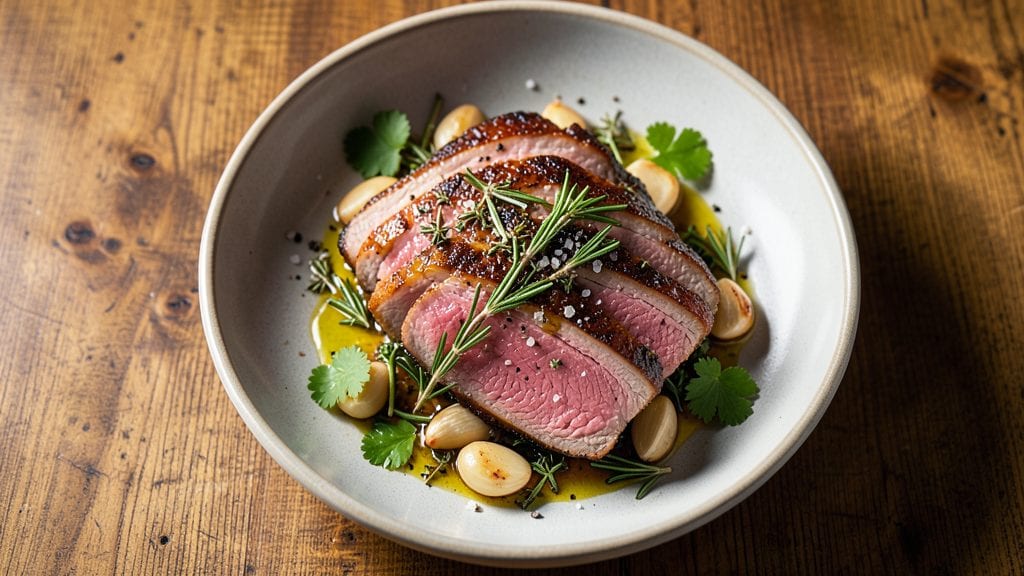
Martha Stewart's pork loin recipe delivers juicy perfection every time, with a crisp herb crust that seals in moisture while creating a savory aroma that fills your kitchen. 🌟 I've adapted her signature technique—dry-brining and precise temperature control—to ensure a tender, flavorful roast that rivals restaurant-quality cuts.
The secret lies in balancing seasoning and cooking time, transforming a simple protein into a showstopping centerpiece.
This method starts with a dry-brine that enhances natural flavors and keeps the meat impossibly moist. A blend of fresh herbs, garlic, and mustard creates that signature Martha Stewart crust while adding depth without overpowering the pork's clean taste.
The key is roasting at a steady 325°F—hot enough to develop color but gentle enough to prevent drying out.
By the time it emerges from the oven, you'll have a golden-brown roast with a crackling crust and pink, tender meat inside—juicy enough to slice effortlessly. The aroma alone will have guests asking for seconds, while the clean herbaceous notes make it versatile for weeknight dinners or holiday feasts.
This is the kind of recipe that elevates everyday cooking.
Pair it with roasted root vegetables or creamy mashed potatoes for a complete meal. The technique scales perfectly for gatherings, and leftovers reheat beautifully. Here's how to achieve Martha Stewart's signature results at home—without the fuss.
Ingredients for martha stewart pork loin
Herb-infused olive oil, fresh herbs, and precise seasoning create Martha Stewart's signature juicy pork loin.
| Ingredient | Amount | Notes |
|---|---|---|
| Center-Cut Pork Loin 🥩 | 1 ½ lb | Bone-in for even cooking |
| Extra-Virgin Olive Oil 🫒 | 2 tbsp | Cold-pressed for herb infusion |
| Fresh Rosemary 🌿 | ¼ cup | Finely chopped, organic preferred |
| Fresh Thyme 🌿 | ¼ cup | Leaves only, stems removed |
| Fresh Parsley 🌿 | ⅛ cup | Flat-leaf variety, chopped |
| Garlic Cloves 🧄 | 6 cloves | Peeled, minced for paste |
| Dijon Mustard 🍯 | 1 tbsp | High-quality, no additives |
| Kosher Salt 🧂 | 1 ½ tsp | Diamond Crystal preferred |
| Freshly Ground Black Pepper 🌶️ | 1 tsp | Coarsely ground |
| Unsalted Butter 🧈 | 2 tbsp | Cold, cubed for crust |
| Fresh Lemon Juice 🍋 | 1 tbsp | From 1 small lemon |
| All-Purpose Flour 🌾 | ½ cup | For dredging if needed |
The center-cut pork loin is non-negotiable here—look for thick-cut, bone-in pieces at Whole Foods or your local butcher for optimal marbling. Costco often carries excellent quality in bulk, but avoid pre-cut pieces that may have lost moisture. Fresh herbs should be bright green and fragrant—if they smell stale, skip them. Penzeys or Trader Joe's bulk sections offer high-quality dried alternatives if fresh aren't available, though fresh delivers that restaurant-quality aroma. The Dijon mustard should be smooth, not grainy—Maille is the gold standard, but any high-quality brand works.
No fresh rosemary? Dried rosemary at one-third the amount works, but the flavor won't be as vibrant. Substitute thyme for parsley if needed, though the parsley adds brightness that's hard to replicate. For the garlic, jarred minced garlic is acceptable in a pinch, but fresh minced has more depth. Olive oil quality matters—California avocado oil can substitute if you prefer a neutral base, though it lacks the fruity notes of extra-virgin. The butter should be cold and cubed for the crust; don't skip this step—it's what creates that signature crackle. Lemon juice can be bottled, but fresh is always better.
This roast reheats beautifully—warm in the oven at 300°F for 15 minutes with a splash of water or broth to retain moisture. Leftovers keep for 3-4 days in the fridge or 3 months frozen, though the texture softens slightly after reheating. For holiday prep, portion and freeze individual slices wrapped in parchment—just thaw and reheat. The herb crust freezes well but may lose some crispness; re-crisp under the broiler before serving if needed.
Why You'll Love This Recipe
- Herb Paste Hack: The food processor does all the chopping for you—no dull knife skills required. Just pulse those rosemary, thyme, and parsley with garlic and mustard until it’s like coarse sand, then slather it on the pork. Honestly, this is the only way to get that even, aromatic crust without spending 20 minutes dicing herbs.
- Crispy Outside, Juicy Inside: That golden sear from the olive oil and butter? Combined with the lemon juice and Dijon mustard, it’s chef’s-kiss perfection. The crust is fragrant and slightly sticky, but the meat stays so tender you’ll swear it was slow-cooked. My picky teen actually asked for seconds—unheard of.
- One-Pan, Crowd-Pleaser: Need to feed four people? This bone-in pork loin stretches effortlessly over plates. Pair it with roasted potatoes or a simple arugula salad, and dinner is done in one pan. Even my husband (who complains about "too much effort") won’t argue with this.
- Leftover Magic: The leftovers keep for days, and reheating is a breeze—just pop slices in the oven until warm. The flavors get even deeper after a night in the fridge, and it’s the perfect lunch the next day. Plus, freezing it for months means you always have a reliable protein on hand.
Step-by-step instructions for herb-crusted roast pork loin
This method delivers a perfectly juicy center with an aromatic herb crust every time.
👨🍳 Step 1: Prepare the Herb Paste and Season the Meat
In a food processor, combine the ¼ cup fresh rosemary, ¼ cup fresh thyme, ⅛ cup fresh parsley, 6 minced garlic cloves, 1 tbsp Dijon mustard, 1 tbsp fresh lemon juice, 1½ tsp kosher salt, and 1 tsp freshly ground black pepper. Pulse until you achieve a thick, chunky paste—this will form the flavorful crust. The texture should be like coarse sand, not a smooth puree.
Pat the 1½ lb center-cut pork loin dry with paper towels, removing any excess moisture from the surface. This step is crucial—wet skin prevents proper crust formation. Place the pork on a cutting board and spread the herb paste evenly over all sides, pressing gently to ensure even adhesion. Let it sit at room temperature for 30 minutes while you prepare the oven.
🔥 Step 2: Sear and Roast for Maximum Flavor
Preheat your oven to 425°F with a rack positioned in the lower third of the oven. Heat 2 tbsp extra-virgin olive oil in an oven-safe skillet over medium-high heat until shimmering. Place the pork loin in the skillet, fat-side down, and sear for 3-4 minutes until deeply golden brown. Flip carefully and sear the other side for another 3-4 minutes. Transfer the skillet to the preheated oven.
Roast the pork for 20-25 minutes until the internal temperature reaches 145°F when measured with a meat thermometer in the thickest part. The crust should be deeply aromatic and the meat should pull away from the edges slightly. For extra richness, dot the top with 2 tbsp cold unsalted butter during the last 5 minutes of roasting. This creates a golden, flavorful crust while keeping the interior moist.
⏰ Step 3: Rest and Slice for Perfect Texture
Remove the pork from the oven and transfer it to a cutting board. Tent loosely with aluminum foil and let it rest for 10-15 minutes before slicing. This resting period allows the juices to redistribute throughout the meat, ensuring each slice remains tender and succulent. The internal temperature will rise another 5°F during this time—don't cut into it prematurely or you'll lose precious juices.
Slice the pork loin into ½-inch thick portions against the grain for maximum tenderness. Each slice should reveal a juicy pink center with a fragrant herb crust. The aroma alone should signal perfection—herbaceous, garlicky, with a hint of lemon brightness. Serve immediately with roasted vegetables or a simple salad to complement the rich flavors.
Pro Tips For Making Martha Stewart Pork Loin
- Pulse, Don’t Blend: The herb paste needs texture—pulse those rosemary, thyme, and parsley until it looks like coarse sand, not pesto. I used to over-blend, and the crust turned mushy. Keep it chunky so every bite has real herb flavor.
- Salt the Butter: That 2 tbsp unsalted butter you dot on top? Toss it with a pinch of the kosher salt before adding. It’ll melt into a salted crust instead of just pooling—trust me, it makes a difference.
- Don’t Skip the 30-Minute Wait: Let the pork sit at room temp while the oven heats. I rushed it once and ended up with uneven cooking—one side raw, the other dry. Thirty minutes isn’t optional; it’s how you guarantee juicy perfection.
- Sear Fat-Side Down First: The pork’s fat side needs that initial 3-4 minutes of searing to render and crisp. Skip it, and you’ll end up with a pale, flavorless crust. High heat, shimmering oil—no shortcuts here.
Serving suggestions for this dish
Plating Like Martha
Martha Stewart’s signature touch comes in the presentation—think elegant simplicity with bold flavors. Arrange slices on a wooden board or slate platter, fanning them slightly to showcase that golden herb crust.
I like adding a drizzle of reduced balsamic glaze (simmer ½ cup balsamic vinegar with 1 tbsp honey for 10 minutes) for a sweet-tart contrast. A sprinkle of flaky sea salt like Maldon enhances the crust’s aroma while keeping it visually striking. 💫
Classic Side Pairings
Creamy mashed potatoes are a no-brainer, but Martha would approve of a roasted root vegetable medley—carrots, parsnips, and sweet potatoes tossed in olive oil and rosemary, roasted at 400°F for 25 minutes.
For a lighter option, sautéed green beans with garlic and lemon zest complement the pork’s richness without overpowering. I always serve a simple arugula salad with lemon vinaigrette to cut through the meal’s richness.
Sauce Elevations
A herb-infused pan sauce ties everything together. After removing the pork, deglaze the skillet with ¼ cup white wine and ¼ cup beef broth, scraping up browned bits. Simmer until reduced by half, then whisk in 1 tbsp butter and a pinch of thyme.
For a tangy twist, add 1 tbsp Dijon mustard to the sauce before serving. This sauce becomes the star of the plate when drizzled over sliced pork. 🍷
Holiday Table Ready
For special occasions, elevate the presentation with edible flowers like nasturtiums or microgreens scattered around the plate. A small bowl of pickled shallots (quick-pickle 4 thinly sliced shallots in ½ cup vinegar and 1 tsp sugar for 30 minutes) adds a pop of color and crunch.
I also love pairing this with cornbread for a Southern-inspired touch—just brush with butter and a sprinkle of smoked paprika before baking.
Make-Ahead Magic
Prep ahead by slicing the pork and storing it in an airtight container with parchment paper between layers. Reheat slices in a 350°F oven for 10 minutes until warmed through.
For sides, roast vegetables the night before and reheat in the oven with a splash of broth to revive their crispness. This way, your table looks effortlessly elegant without last-minute stress. My secret? Always have a small bowl of hot water nearby to steam any wilted greens right before serving.
Nutrition facts
Frequently asked questions
Why does Martha Stewart's recipe emphasize drying the pork loin before seasoning?
Drying the pork loin is essential for creating that perfect crisp herb crust. Excess moisture on the surface prevents the seasoning from adhering properly and stops the crust from forming a golden, crackling texture. This step ensures every bite is packed with flavor and juiciness—just like Martha’s signature style!
How do I know when the herb paste is ready for application?
The herb paste should look like coarse sand—not smooth or mushy. Pulse the ingredients in your food processor until you achieve a thick, chunky texture. This ensures the crust stays flavorful and adheres evenly to the meat for maximum impact.
Can I substitute dried herbs for fresh in this recipe?
Yes, but use one-third the amount of dried herbs compared to fresh. For example, swap ¼ cup fresh rosemary for 2 tbsp dried rosemary. While dried herbs work, fresh herbs deliver brighter, more vibrant flavors—Martha’s secret to that restaurant-quality aroma!
What if my pork loin isn’t bone-in? Will it still work?
Yes, but bone-in pork loin cooks more evenly and adds natural juices. If using boneless, trim excess fat and adjust roasting time by 5 minutes to prevent overcooking. The herb crust and juicy texture will still shine!
How can I reheat leftovers without drying out the pork?
Place slices in a 350°F oven for 10 minutes with a splash of water or broth in the pan. This keeps the meat moist and revives the crust. For sides, reheat in the oven too—just add a little liquid to revive crispness!