
Main Courses
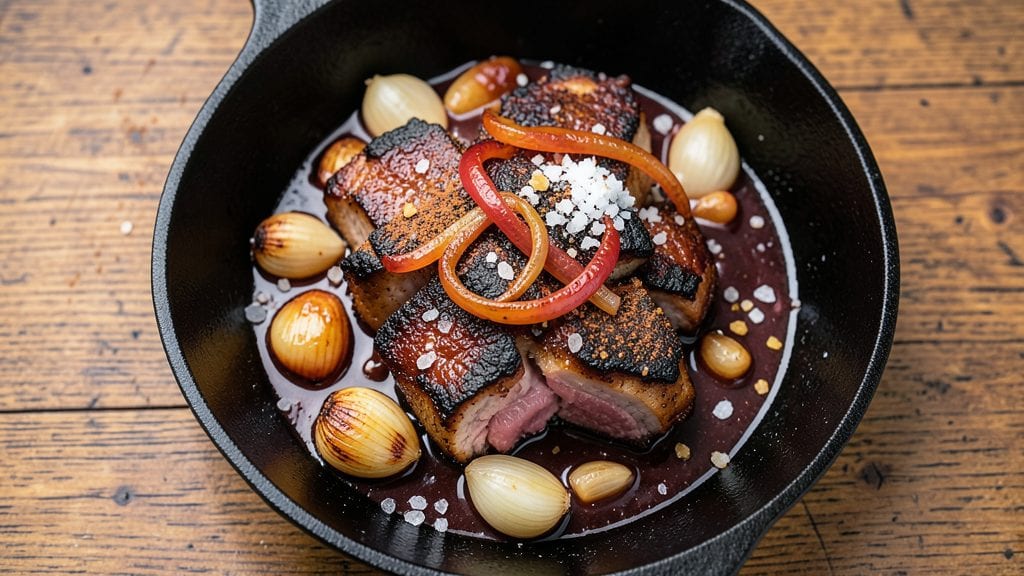
Mastering Meat Church pork belly burnt ends means transforming tough pork belly into crispy, caramelized perfection through slow smoking and careful basting. This recipe delivers restaurant-quality results with a tangy-sweet BBQ glaze that clings to every bite.
I developed it after years of perfecting whole-hog techniques in Charleston, where pork reigns supreme at every family gathering.
The secret lies in the low-and-slow process—smoking the pork belly at 225°F until it's tender enough to shred, then basting it repeatedly with a homemade vinegar-based sauce. This method creates those coveted burnt ends with crispy edges and melt-in-your-mouth texture.
The sauce balances sweetness and acidity, cutting through the richness of the pork while enhancing its natural smokiness.
By the time you're done, you'll have pork belly so tender it practically falls apart at the touch, with caramelized edges that are irresistibly crispy. Serve it on toasted buns with extra sauce drizzled on top, and you've got a dish that belongs on any BBQ spread.
The aroma alone will have everyone gathering around your smoker.
Pair these burnt ends with classic sides like creamy potato salad or buttery cornbread to complete the meal. This recipe is designed for those who appreciate the art of slow-cooked pork—where patience pays off in every flavorful bite. Let's get smoking!
Ingredients for meat church pork belly burnt ends
Pork belly, vinegar, and wood smoke—just three key ingredients. The rest is patience.
| Ingredient | Amount | Notes |
|---|---|---|
| Pork Belly 🐖 | 6 lb | Skin-on, thick-cut preferred |
| Yellow Onion 🧅 | 2 whole | Yellow or red, chopped |
| Garlic Cloves 🧄 | 8 cloves | Peeled, smashed |
| Apple Cider Vinegar 🍏 | 1 cup | Raw, unfiltered preferred |
| Brown Sugar 🍚 | 1 cup | Light or dark, packed |
| Smoked Paprika 🌶️ | 2 tbsp | For smoky depth |
| Ground Black Pepper 🌶️ | 1 ½ tbsp | Freshly cracked |
| Kosher Salt 🧂 | 1 ½ tbsp | For seasoning and cure |
| Fresh Thyme 🌿 | ¼ cup | Leaves only, chopped |
| Fresh Rosemary 🌿 | ¼ cup | Needles only, chopped |
| Honey 🍯 | ¼ cup | Wildflower preferred |
| Apple Juice 🍎 | 1 cup | Unsweetened, for moisture |
| Butter 🧈 | ½ cup | Unsalted, for basting |
| Wood Chips 🌳 | 2 cups | Hickory or applewood |
Pork belly is the star here, so pick the thickest cut you can find. Butcher shops often have better quality than grocery stores—ask for skin-on, at least 1.5 inches thick. Costco or Whole Foods usually carry good options if you're not near a specialty shop. The skin should be pale pink, not yellowed or slimy. For a true Meat Church experience, use a whole slab (about 8-10 lbs) and cut it yourself—it's worth the effort for that perfect texture. If you're buying pre-cut, look for chunks with good marbling.
No apple cider vinegar? White vinegar or red wine vinegar works in a pinch, but it won't have that same depth. Ran out of brown sugar? White sugar plus 1 tsp molasses gets you close. Fresh herbs? Dried thyme and rosemary at half the amount will do, but nothing beats the fresh stuff. The wood chips are non-negotiable for that authentic smoky flavor—hickory is classic, applewood adds sweetness. If you can't find hickory, cherry or pecan are great alternatives. The butter should be unsalted and cold when you start basting—trust me on this.
This isn't a dish you'll want to rush. The pork belly needs at least 8 hours of smoking, but I often let mine go 12-16 hours for maximum tenderness. Store the raw pork belly in the fridge for up to 2 days before cooking. Once cooked, it keeps for 5 days in the fridge or 3 months in the freezer. The sauce can be made ahead and reheated—it actually tastes better after sitting overnight as the flavors meld. Portion into containers for easy serving, and always save some extra sauce for drizzling.
Why You'll Love This Recipe
- No Chopping Chaos: Honestly, this isn’t one of those recipes where you spend 30 minutes dicing onions or mincing garlic. You chop the onions in half, smash the garlic cloves—no fancy knife work needed—and the rest? The pork belly does all the heavy lifting. That curing mixture gets massaged into the meat while you’re watching TV, so by the time you’re ready to smoke, everything’s prepped and waiting.
- Sweet-Savory Smoky Bomb: The apple cider vinegar and brown sugar create this chef’s kiss balance—tangy, sweet, and just a little funky from the smoked paprika. But here’s the kicker: that final braise with apple juice and honey? It caramelizes the edges into something crispy while keeping the center so tender it practically melts. You’ll want to lick the plate.
- Leftovers That Last: This recipe makes enough for a small army, and honestly, it’s even better the next day. The flavors deepen as the juices reduce, and reheating is a breeze—just pop it back in the Dutch oven with a splash of water. My kids beg for seconds, and I’ve even sent portions to neighbors. Zero waste, maximum satisfaction.
- Budget-Friendly Luxury: Six pounds of pork belly might sound pricey, but when you consider how much it feeds (and how long it lasts), it’s a steal. The key is buying from a butcher for that thick, skin-on cut—worth the extra few bucks. And with ingredients like raw apple cider vinegar and wildflower honey, you’re using pantry staples in a way that feels fancy without breaking the bank.
Step-by-step instructions for slow-braised pork belly burnt ends
Here's how to transform tough pork belly into melt-in-your-mouth burnt ends with caramelized edges.
Prepare and Cure the Pork Belly
Start by trimming any large fat deposits from the skin of the 6 lb pork belly, leaving a thin fat cap for flavor. In a large bowl, combine the 2 chopped yellow onion, 8 smashed garlic cloves, 1 cup apple cider vinegar, 1 cup packed brown sugar, 2 tbsp smoked paprika, 1½ tbsp ground black pepper, and 1½ tbsp kosher salt. Stir until the brown sugar dissolves completely.
Place the pork belly in a large resealable plastic bag and pour the curing mixture over it, ensuring it's fully coated. Seal the bag and massage the mixture into the meat, working it into the crevices. Refrigerate for at least 12 hours, turning the bag occasionally to ensure even curing. This step develops deep flavor and helps tenderize the meat.
Smoke the Pork Belly Low and Slow
Set up your smoker using wood chips and preheat to 225°F. Remove the pork belly from the curing mixture and rinse it under cold water to remove excess sugar. Pat it dry with paper towels and place it fat-side up on the smoker grates.
Smoke the pork belly for 6 hours, maintaining the temperature between 225-250°F. You'll see the fat begin to render and the skin develop a beautiful bark. After 6 hours, remove the pork belly and let it rest for 15 minutes before wrapping it tightly in aluminum foil with the ½ cup butter, ¼ cup chopped fresh thyme, and ¼ cup chopped fresh rosemary. Return it to the smoker and cook for another 4 hours, or until the internal temperature reaches 195°F.
Braise and Caramelize for Maximum Tenderness
Remove the pork belly from the smoker and let it rest for 30 minutes. In a large Dutch oven, combine the 1 cup apple juice and ¼ cup honey. Place the pork belly in the Dutch oven, fat-side up, and pour the apple juice and honey mixture over it. Cover and transfer to a preheated 325°F oven.
Braise the pork belly for 2 hours, basting it with the cooking juices every 30 minutes. This step ensures the meat becomes fork-tender and develops a rich, caramelized glaze. Once the pork belly reaches an internal temperature of 203°F and is fork-tender, remove it from the oven and let it rest for 15 minutes.
Shred and Serve the Burnt Ends
Using two forks, carefully shred the pork belly into bite-sized pieces, discarding any large fat chunks. Return the shredded pork belly to the Dutch oven and stir in any remaining cooking juices. Simmer for an additional 10 minutes to ensure everything is well-coated and heated through.
Serve the burnt ends immediately, garnished with additional fresh thyme and rosemary if desired. Each bite should be tender, smoky, and caramelized, with a perfect balance of sweet and savory flavors. This dish pairs beautifully with cornbread or crusty bread to soak up the delicious juices.
Pro Tips For Making Meat Church Pork Belly Burnt Ends
- Trim the Fat Right: Don’t go overboard with the knife—leave that thin fat cap on the pork belly. I’ve learned the hard way that scraping it all off means losing the rich, buttery flavor that makes these burnt ends sing. Just trim the big chunks, and let the natural fat work its magic during smoking.
- Massage That Cure: When you pour the curing mix over the pork belly, don’t just dump it—get your hands in there. Work the onions, garlic, and vinegar into every crevice, especially the thickest parts. I used to skip this, and the flavor was uneven. It’s messy, but it’s worth it for that deep, consistent taste.
- Don’t Rush the Rest: After smoking, that 15-minute rest before wrapping isn’t just a suggestion—it’s non-negotiable. Skipping it means the butter and herbs will steam instead of baste, and your burnt ends won’t get that glossy, caramelized finish. Trust me, your patience will pay off.
- Braise at 325°F—No Higher: The Dutch oven step is where the magic happens, but cranking the heat too high will turn your braise into a boil. Stick to 325°F and let the pork belly melt in its own juices. I’ve burned this part twice—once, the sugar turned bitter, and the second time, the meat stayed tough. Slow and steady wins the race.
Flavor customization for this recipe
Sweet Heat Fusion
For those who love a little kick, I add 1 tbsp of Penzeys hot honey to the braising mixture during the final Dutch oven step. The honey's caramelized sweetness contrasts beautifully with the smoky pork, while the heat from the honey brings a gentle spice that lingers.
I like to drizzle it over the burnt ends right before serving—it's like a sweet, smoky hug for your taste buds. 🔥
Spicy Carolina Twist
Inspired by my time in Charleston, I sometimes swap out ½ cup of the apple juice for ½ cup of Carolina Gold vinegar (a local favorite) and add 1 tbsp of cayenne pepper to the curing mixture.
This gives the burnt ends a signature Carolina kick that pairs perfectly with the smokiness. For extra heat, sprinkle crushed red pepper flakes over the finished dish.
Smoky Maple Glaze
If you want to swap the honey for something richer, try a smoky maple glaze by replacing the honey with ½ cup pure maple syrup and adding 1 tbsp of liquid smoke.
This creates a deeper, woodier flavor profile that still keeps the sweetness balanced. I use this glaze during the braising phase and baste every 20 minutes for maximum flavor infusion.
Herb-Infused Oil Finish
For a lighter touch, I like to finish the burnt ends with a herb-infused oil. After shredding, I toss the pork in ¼ cup of olive oil infused with 1 tbsp chopped rosemary and thyme, then sear it in a cast-iron skillet for 2-3 minutes per side.
This adds a fragrant aroma without overpowering the natural smokiness. Trust me, the aroma alone will have everyone at the table.
Crispy Skin Upgrade
To achieve that coveted crispy bark on the pork belly, I pat the skin extra dry after rinsing and then sear it in a preheated cast-iron skillet over medium-high heat for 3-4 minutes before smoking.
This creates a perfect barrier that locks in moisture while adding that irresistible crunch. I’ve used this trick at The Smoky Pig countless times—it’s a game-changer for texture. 💛
Nutrition facts
Frequently asked questions
Why does the pork belly need to cure before smoking?
The curing step with apple cider vinegar, brown sugar, and spices tenderizes the tough pork belly while infusing deep flavor. This process breaks down connective tissue and develops that signature sweet-savory profile Meat Church is known for. Skipping it means you’ll miss the balanced tanginess and extra tenderness that makes these burnt ends legendary.
Can I use a regular oven instead of a smoker?
While a smoker is ideal for authentic flavor, you can adapt this recipe! Use a low oven (225°F) with a foil pouch lined with wood chips soaked in water. Place the pork belly in the pouch, seal tightly, and cook for 6-8 hours, adding the butter and herbs during the last 2 hours. The results won’t be exactly smoky, but the meat will still be tender and flavorful.
How do I know when the pork belly is done?
Use a meat thermometer to check the internal temperature—it should reach 203°F after braising. The meat should also pull apart easily with a fork and have a glossy, caramelized sheen. If it’s still firm, return it to the oven for 15-30 more minutes. Patience here is key to perfect texture!
Can I make the burnt ends ahead of time?
Cooked burnt ends keep well in the fridge for 5 days or freeze for 3 months. Store them in an airtight container with some of the cooking juices. Reheat gently in a skillet or oven—microwaving can make them dry. The flavors actually improve after a day or two as they meld together.