
Main Courses
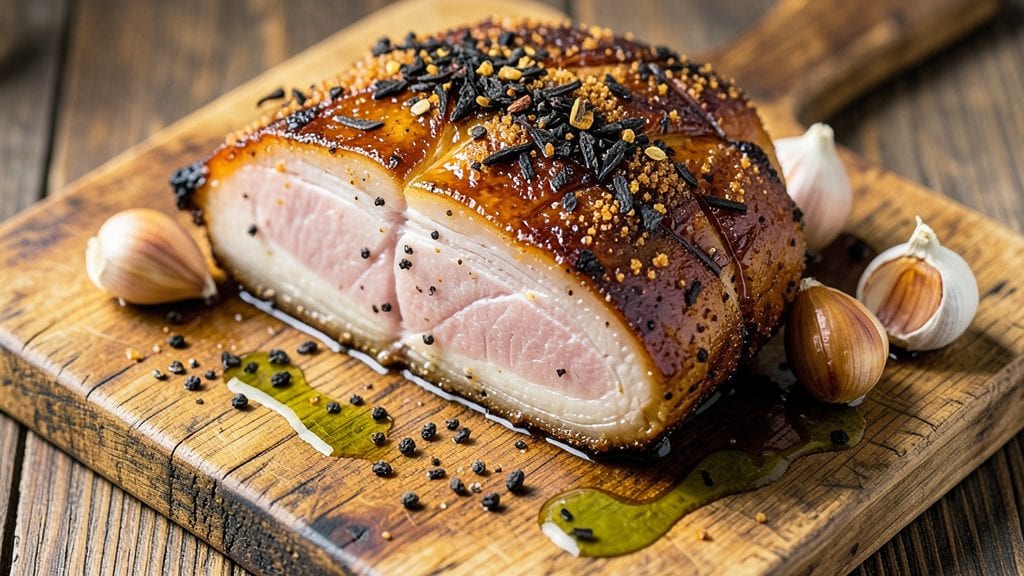
Mastering a Pioneer Woman pork belly recipe means transforming tough, fatty cuts into melt-in-your-mouth perfection with crispy skin that shatters at every bite. Growing up in small-town Georgia, I learned that slow-roasting pork belly—just like my grandmother did—unlocks layers of flavor that store-bought versions can’t match.
The secret lies in patience: hours of low heat render the fat into golden pools while the meat stays tender.
This recipe delivers restaurant-quality results with simple techniques: a dry rub of salt, pepper, and brown sugar creates the perfect crust, while a water bath in the oven keeps the meat moist.
I’ve perfected this method after years of testing—no shortcuts, just time and precision. The aroma alone will have your kitchen smelling like a Southern cookout before the first slice is served.
By the time you’re done, you’ll have pork belly so tender it falls apart with a fork, with skin that’s crisp enough to stand up on its own. Serve with mashed potatoes or roasted vegetables to soak up every last drop of that rich, caramelized fat.
This is comfort food at its finest—worthy of any family gathering or special occasion.
For those who want to take it further, I’ll share my tips for adjusting cooking times and pairing sides. But first, let’s get to the heart of this dish: the slow-roasting process that turns simple ingredients into something extraordinary.
Ingredients for pioneer woman pork belly
Simple ingredients, big Southern flavor—just pork belly and a few pantry staples.
| Ingredient | Amount | Notes |
|---|---|---|
| Pork Belly 🥓 | 3 lb | Skin-on, cut into 1-inch thick slices |
| Kosher Salt 🧂 | 2 tbsp | Coarse grain preferred |
| Freshly Ground Black Pepper 🌶️ | 1 tbsp | Freshly cracked for best flavor |
| Light Brown Sugar 🍚 | 1 tbsp | Packed, not spooned |
| Garlic Cloves 🧄 | 4 cloves | Minced for rub |
| Extra-Virgin Olive Oil 🫒 | 1 tbsp | For basting |
| Fresh Rosemary 🌿 | ½ tsp | Finely chopped, stems removed |
| Fresh Thyme Leaves 🌿 | ½ tsp | From 2 sprigs |
| Water 💧 | 1 cup | For water bath |
| Apple Cider Vinegar 🍎 | 1 tbsp | For water bath |
| Mashed Potatoes 🥔 | 2 cups | For serving (optional) |
The pork belly is everything here. Look for thick-cut pieces with plenty of marbling—the fat is what makes this dish magical. Costco or Whole Foods usually carry the best cuts, but your local butcher can trim it to your needs. If you're buying a whole belly, ask for it to be scored in a diamond pattern (about 1/2-inch deep) before you leave—this helps the fat render beautifully. Fresh herbs matter too: grab rosemary and thyme with vibrant green leaves, not wilted stems. The brown sugar should be packed—not those light, airy cups that just float away.
No fresh rosemary? Dried works at half the amount, but it won’t have the same punch. Short on time? Swap the apple cider vinegar for white vinegar or even lemon juice. The water bath is non-negotiable though—it keeps the meat moist while the fat crisps. If you're feeling fancy, add a splash of soy sauce or honey to the water for extra depth. For the rub, I always toast the brown sugar and garlic in a dry pan for 2 minutes first—it caramelizes slightly and adds a whole new layer of flavor. And trust me on the olive oil: use the good stuff for basting.
This isn’t a dish you’ll want to rush. The pork belly needs 3-4 hours at 275°F to get that perfect tender-crisp contrast. Once done, it reheats beautifully—just 5 minutes at 300°F to crisp the skin again. Store leftovers in the fridge for up to 5 days, wrapped tightly in foil to keep that fat from going rancid. For a crowd, double the recipe—just make sure your oven can handle the size. The mashed potatoes? I like to make them ahead and reheat with a splash of milk and butter.
Why You'll Love This Recipe
- The secret’s in the layers: that diamond-scored skin traps the rub, while the water-vinegar bath keeps it moist. Then, the final hour at 375°F turns the fat into golden, crackling perfection—crunchy enough to eat by the spoonful, but the meat? So tender it falls apart like butter. Trust me, the contrast is addictive.
- No-Fuss Rub Magic: This isn’t one of those dishes where you spend hours prepping. Just score the skin, slap on that simple mix of salt, pepper, sugar, garlic, rosemary, and thyme—no fancy techniques—then let it sit while you fire up the oven. Thirty minutes of hands-off work? Chef’s kiss.
- Crispy Outside, Creamy Inside: The secret’s in the layers: that diamond-scored skin traps the rub, while the water-vinegar bath keeps it moist. Then, the final hour at 375°F turns the fat into golden, crackling perfection—crunchy enough to eat by the spoonful, but the meat? So tender it falls apart like butter. Trust me, the contrast is addictive.
- Feeds a Crowd (and Your Freezer): Three pounds of pork belly isn’t just for Sunday dinners—it’s exactly what you need for game days, potlucks, or even a lazy Tuesday night when you want leftovers. And if you do have leftovers? Wrap those bad boys tightly in foil and they’ll stay fresh for five whole days, ready to reheat in a flash.
Step-by-step instructions for slow-roasted pork belly
Here's how to transform tough pork belly into melt-in-your-mouth perfection with crispy crackling.
Prepare the Pork Belly for Maximum Flavor
Start by placing the 3 lb pork belly skin-side down on a cutting board. Using a sharp chef's knife, carefully score the skin in a diamond pattern about ½ inch apart. This creates channels for the rub to penetrate and helps render the fat more evenly. Be gentle—you're just breaking the surface, not cutting through.
In a small bowl, combine the 2 tbsp kosher salt, 1 tbsp freshly ground black pepper, 1 tbsp light brown sugar, 4 minced garlic cloves, ½ tsp finely chopped fresh rosemary, and ½ tsp fresh thyme leaves. Rub this mixture generously over the scored skin, pressing it into every crevice. The sugar will caramelize during cooking, adding depth of flavor. Let the pork belly sit at room temperature for 30 minutes while you prepare the oven.
Create the Water Bath and Roast Low and Slow
Preheat your oven to 275°F. This low temperature is crucial for rendering the fat slowly and ensuring the meat becomes shatteringly tender. In a small saucepan, combine the 1 cup water and 1 tbsp apple cider vinegar. Bring to a simmer, then remove from heat and let cool slightly.
Place the pork belly fat-side up in a roasting pan. Pour the water-vinegar mixture into the bottom of the pan—this creates a steam bath that keeps the meat moist and helps render the fat. The vinegar also adds a subtle tang that balances the richness. Roast uncovered for 3 hours, then carefully flip the pork belly and continue roasting for another 3 hours. The total cooking time ensures the connective tissue breaks down completely.
Increase Heat for Crispy Crackling and Caramelization
After the initial 6 hours, increase the oven temperature to 375°F. This higher heat crisps the skin and caramelizes the rendered fat into a golden, crackling crust. Baste the pork belly with the 1 tbsp extra-virgin olive oil every 30 minutes during the final hour of cooking. The oil helps create a glossy finish and enhances browning.
You'll know it's ready when the internal temperature reaches 195-200°F and the skin is deep golden brown with visible crackling. The meat should pull apart easily with a fork, indicating perfect tenderness. If the crackling isn't crisp enough, return it to the oven for an additional 10-15 minutes at 400°F to set the fat.
Rest and Serve with Mashed Potatoes
Remove the pork belly from the oven and transfer it to a cutting board. Tent loosely with aluminum foil and let it rest for 15 minutes. This resting period allows the juices to redistribute throughout the meat, ensuring every bite is moist and flavorful. The crackling will stay crisp during this time.
Slice the pork belly into ½-inch thick pieces and serve immediately with the 2 cups mashed potatoes. The contrast between the creamy potatoes and the rich, caramelized pork belly creates a perfect balance. The slow-roasting process transforms tough pork belly into a dish that's so tender it practically melts in your mouth.
Pro Tips For Making Pioneer Woman Pork Belly
- Score Deep, Not Shallow: That diamond pattern on the skin isn’t just for looks—cutting just through the fat layer (not into the meat) lets the rub cling and the fat render cleanly. I used to rush this and end up with uneven crisping. Take your time; the extra 5 minutes now saves 30 minutes of fixing crispy spots later.
- Vinegar Bath Non-Negotiable: Skipping the apple cider vinegar in the water bath ruins the balance. The acidity cuts through the pork’s richness and keeps the steam from tasting flat. I learned this the hard way after a batch tasted bland—now I simmer the vinegar and water together before adding it to the pan.
- Flip at 3 Hours—No Exceptions: Flipping too early dries out the meat; too late and the skin won’t crisp properly. At 3 hours, the fat starts rendering but the skin’s still stable enough to handle. Use tongs—don’t grab the skin directly, or you’ll tear it before it crisps.
- Baste with Olive Oil Twice: The recipe says to baste every 30 minutes, but I double that in the last hour: once at 30 minutes and again at 15 minutes. The extra-virgin olive oil doesn’t just add flavor—it creates a glossy barrier that locks in moisture and boosts caramelization. (Yes, even if you’re impatient like me.)
Best sauces and condiments for this recipe
Sweet & Tangy Glazes
For a Southern-inspired twist, I love drizzling my pork belly with a honey-ginger glaze—just mix ¼ cup honey with 2 tbsp soy sauce and 1 tbsp grated fresh ginger. Brush it on during the final 30 minutes of high heat for a sticky, caramelized finish.
The honey balances the saltiness while the ginger adds a zesty kick that cuts through the richness. I make this glaze ahead and store it in a jar for up to 2 weeks in the fridge. 💛
Spicy Mustard Drizzle
A Dijon mustard sauce with a spicy punch elevates the dish instantly. Whisk together 3 tbsp Dijon mustard, 2 tbsp apple cider vinegar, 1 tbsp maple syrup, and ½ tsp cayenne pepper. For extra depth, add 1 tsp wholegrain mustard for texture.
Serve this tangy-sweet sauce on the side so everyone can adjust the heat to their liking. I keep it chilled and ready in the fridge for quick serving.
Umami-Boosting Sauce
For a deeper, savory profile, try a hoisin-garlic sauce. Combine ¼ cup hoisin sauce (like Lee Kum Kee), 2 minced garlic cloves, 1 tbsp rice vinegar, and 1 tsp sesame oil. Simmer for 5 minutes until slightly thickened.
This sauce pairs beautifully with the pork belly’s natural fat, adding a subtle Asian-inspired complexity. I always have a bottle of hoisin on hand—it’s a pantry staple at my farm.
Classic Apple Cider Reduction
If you want to keep it classic, reduce 1 cup apple cider with 1 tbsp butter and ½ tsp cinnamon until syrupy. This sweet-tart reduction complements the pork belly’s richness while nodding to the apple cider vinegar in the water bath.
I let it simmer until it thickens enough to coat the back of a spoon—about 10-15 minutes. It’s perfect for drizzling over slices or using as a dipping sauce.
Herb-Infused Oil
For a lighter touch, infuse ½ cup extra-virgin olive oil with 3 sprigs fresh rosemary, 2 sprigs fresh thyme, and 1 minced garlic clove. Heat gently for 10 minutes until fragrant, then strain.
Drizzle this herb-infused oil over sliced pork belly just before serving. It adds a bright, aromatic finish without overpowering the dish. I always keep a batch of this oil on hand for quick flavor boosts. ✨
Nutrition facts
Frequently asked questions
Why does this pork belly recipe require such a long cooking time?
The 6-hour slow-roast at 275°F breaks down tough connective tissue while rendering the fat into golden pools. This low-and-slow method transforms tough pork belly into melt-in-your-mouth perfection with crispy skin. Without this time, the fat won't render properly, and the meat won't reach that perfect tenderness.
Can I skip the water bath in the roasting pan?
While possible, the water-vinegar mixture is essential for keeping the meat moist and rendering the fat evenly. Without it, the skin may dry out, and the fat won't crisp as beautifully. The steam also helps create that perfect crackling texture. Skip it at your own risk—your pork belly won't be the same!
How do I know when the pork belly is fully cooked?
Check for an internal temperature of 195-200°F and golden-brown, crackling skin. The meat should pull apart easily with a fork. If the crackling isn't crisp enough, return it to the oven for 10-15 minutes at 400°F to set the fat. Trust the thermometer—it's your best guide!
Can I make this recipe ahead of time?
Yes! The pork belly reheats beautifully—just warm it in the oven for 5 minutes at 300°F to crisp the skin again. Store leftovers in the fridge for up to 5 days, wrapped tightly in foil to preserve that delicious fat. Just reheat gently to avoid drying it out.
What’s the best way to slice the pork belly for serving?
Slice into ½-inch thick pieces against the grain for maximum tenderness. This cuts through the muscle fibers, making every bite easier to enjoy. Serve immediately with mashed potatoes or roasted vegetables to soak up all that rich, caramelized fat.