
Main Courses
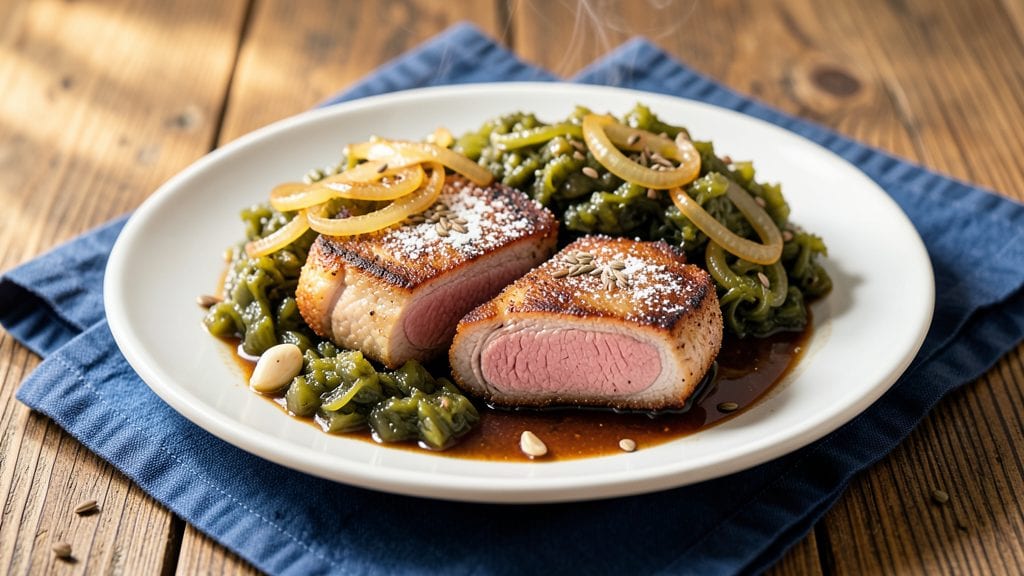
This Polish pork chops with sauerkraut recipe delivers the hearty, slow-cooked comfort of Eastern European tradition—tender pork chops braised until fall-off-the-bone perfect, paired with tangy, caramelized sauerkraut that balances richness with bright acidity. 💛 Growing up in small-town Georgia, I first tasted this dish at a Polish neighbor’s kitchen table, where the scent of garlic and caraway lingered long after the meal.
That memory inspired me to perfect this recipe: a method that respects tradition while fitting seamlessly into a modern home kitchen.
The secret lies in the slow cooking—searing the pork chops first to lock in juices, then braising them low and slow until they’re fork-tender. Meanwhile, the sauerkraut transforms from tangy to sweetly caramelized, thanks to onions cooked until golden and a touch of caraway for that unmistakable Polish warmth.
This isn’t just a recipe; it’s a technique that turns simple ingredients into a meal worth gathering around the table for.
What you’ll end up with is a dish that’s equal parts comforting and impressive: juicy pork chops with crisp edges, sauerkraut that’s rich and slightly sweet, and a sauce thick enough to coat every bite.
The flavors deepen the longer they sit, making this perfect for meal prep or a Sunday supper that feels like a celebration. Serve with buttery potatoes or fluffy dumplings to soak up every last drop of that savory sauce.
Here’s where tradition meets your kitchen—no fancy equipment, just a cast iron skillet and patience. Let’s get cooking.
Ingredients for polish pork chops and sauerkraut
Juicy pork chops and caramelized sauerkraut. A slow-cooked Polish classic that’s pure comfort.
| Ingredient | Amount | Notes |
|---|---|---|
| Boneless Pork Chops 🥩 | 1 ½ lb | 1-inch thick, center-cut |
| Sauerkraut 🥬 | 2 cups | Undrained, high-quality fermented |
| Yellow Onions 🧅 | 2 whole | Thinly sliced, golden |
| Garlic Cloves 🧄 | 6 cloves | Mince, aromatic |
| Dried Caraway Seeds 🌿 | 1 tbsp | Toasted for depth |
| All-Purpose Flour 🌾 | ½ cup | For dredging chops |
| Unsalted Butter 🧈 | ½ cup | Full-fat, melted |
| Beef or Chicken Broth 💧 | 1 ½ cups | Low-sodium preferred |
| Dry White Wine 🍷 | ½ cup | Sauvignon Blanc or Pinot Grigio |
| Fresh Caraway Seeds 🌿 | 1 tsp | For garnish, optional |
| Diamond Crystal Kosher Salt 🧂 | 1 ½ tsp | Plus extra for seasoning |
| Freshly Ground Black Pepper 🌶️ | 1 tsp | Coarse, freshly cracked |
| Apple Cider Vinegar 🍎 | 1 tbsp | Brightens sauerkraut |
| Granulated Sugar 🍯 | 1 tbsp | Balances tanginess |
The pork chops are everything here—boneless, center-cut, 1-inch thick for even cooking. I always grab mine from Whole Foods or my local butcher; they’ll tell you which cuts are best. Look for good marbling—it’s what keeps them juicy during that long braise. Costco has great pre-cut pork chops if you’re short on time, but they’re often thinner, so pound them to even thickness. Don’t skip the flour dredge—it’s your secret weapon for crispy edges that hold up to the sauerkraut’s tanginess. And trust me, the high-quality fermented sauerkraut makes all the difference—none of that watery, vinegar-soaked stuff from the back of the fridge.
No dry white wine? Beef broth with a splash of apple cider vinegar gets you close—just add an extra tablespoon of vinegar to mimic the acidity. Short on caraway seeds? Dried fennel seeds at half the amount work in a pinch, though the flavor’s subtly different. The onions need to be golden brown—no rushing! If your sauerkraut is too watery, drain it well and pat dry before adding to the skillet. And for the sugar? Brown sugar works too, but granulated keeps it light and balanced. The broth should be low-sodium to avoid overpowering the dish’s natural flavors.
This dish tastes even better the next day, so make a double batch and freeze half. Store the pork chops and sauerkraut separately in airtight containers—4-5 days in the fridge, 3 months frozen. I reheat in a cast iron skillet with a splash of broth to revive the crispiness. The sauerkraut keeps its tang if frozen, but the pork chops get a little drier—just add a spoonful of broth when reheating. The fresh caraway seeds for garnish? Toast them in a dry pan for 30 seconds to wake up their aroma before sprinkling. And if you’re serving with potatoes, roast them with rosemary and garlic—it’s a match made in heaven.
Why You'll Love This Recipe
- One-Pan Magic: I love how this recipe turns one pan into a flavor powerhouse—no last-minute cleanup chaos. Just sear those pork chops in butter, toss in the onions and garlic, and let the sauerkraut do its thing while the oven finishes them. My kitchen stays spotless, and I’m still left with a dish that tastes like it took hours.
- Caraway-Kissed Comfort: That toasted dried caraway in the flour crust? Game-changer. It’s not just seasoning—it’s the secret handshake that makes these chops taste like they’ve been simmering for hours. The sauerkraut, caramelized with onions and wine, adds a tangy depth that cuts through the richness of the pork. Honestly, I’ll take this over takeout any day.
- Fridge Goldmine: Leftovers? Yes, please. These pork chops and sauerkraut keep like a dream—4-5 days in the fridge, or freeze them for months. Reheat them with a splash of broth, and they’re just as good the second time around. My kids even ask for seconds, which is basically the highest praise I can give.
- Budget-Friendly Feast: You’re getting tender pork chops, fermented goodness from the sauerkraut, and a wine reduction that makes it feel fancy—all for less than $15. The flour crust uses pantry staples, and that dry white wine? A cheap bottle does the trick. It’s the kind of dish that makes me feel like a home cook hero without breaking the bank.
Step-by-step instructions for Polish pork chops with sauerkraut
This slow-cooked masterpiece delivers melt-in-your-mouth pork chops and tangy sauerkraut in perfect harmony.
🍳 Step 1: Create the Perfect Pork Chop Crust
Pat the 1½ lb boneless pork chops dry with paper towels—this ensures maximum browning. Place them on a plate and season both sides generously with 1½ tsp diamond crystal kosher salt and 1 tsp freshly ground black pepper. Let them sit at room temperature for 15 minutes while you prepare the dredge.
In a shallow dish, combine the ½ cup all-purpose flour with 1 tbsp dried caraway seeds and an extra pinch of salt. This aromatic flour will create a crisp, flavorful crust. Dip each pork chop into the flour mixture, pressing gently to adhere the coating evenly. Shake off any excess—you want a light, even layer, not a thick paste.
🔥 Step 2: Sear the Pork Chops to Golden Perfection
Heat a large oven-safe skillet over medium-high heat until it's smoking hot. Add the ½ cup unsalted butter and let it melt completely, coating the bottom of the pan. Working in batches to avoid crowding, add the floured pork chops and sear for 3-4 minutes per side until they develop a deep golden-brown crust. This step is critical—don't rush it. You'll know they're ready when they release easily from the pan.
Once browned, transfer the pork chops to a plate and set aside. Leave the rendered butter and any browned bits in the pan—these will form the flavor base for your sauce. Here's where it gets magical: reduce the heat to medium and add the 2 thinly sliced yellow onions. Cook them for 5-6 minutes until softened and just beginning to caramelize.
🥘 Step 3: Build the Sauerkraut and Wine Reduction
Add the 6 minced garlic cloves to the pan and cook for 30 seconds until fragrant—don't let them brown or they'll turn bitter. Pour in the ½ cup dry white wine and scrape up all those delicious browned bits from the bottom of the pan. Let the wine reduce by half, about 3-4 minutes, until it becomes syrupy and aromatic.
Here's the thing—this is where the sauerkraut transforms from tangy side to rich, caramelized star. Add the 2 cups sauerkraut (undrained) along with the 1 tbsp apple cider vinegar and 1 tbsp granulated sugar. The sugar will help balance the sauerkraut's acidity while the vinegar brightens the flavors. Stir everything together and let it simmer for 8-10 minutes until the sauerkraut softens and the mixture thickens into a luscious sauce.
🔥 Step 4: Slow-Cook the Pork Chops to Tenderness
Return the pork chops to the skillet, nestling them into the sauerkraut mixture. Pour in the 1½ cups beef or chicken broth until the chops are about ¾ submerged. The liquid should come up to about halfway up the sides of the pork chops—this ensures they cook evenly without steaming.
Transfer the skillet to a 350°F oven and cook for 45-50 minutes, or until the pork chops reach an internal temperature of 145°F (measured at the thickest part). The slow cooking ensures the meat becomes fork-tender while absorbing all those incredible sauerkraut and wine flavors. If the liquid reduces too much before the pork is done, add a splash of water or broth to maintain moisture.
🍽️ Step 5: Finish and Garnish with Caraway
Remove the pork chops from the oven and let them rest for 5-10 minutes before serving. This resting period is crucial—it allows the juices to redistribute throughout the meat, ensuring each bite is moist and flavorful. During this time, taste the sauerkraut mixture and adjust seasoning if needed. You might want to add a pinch more salt or a splash of vinegar to balance the flavors.
To serve, spoon the rich sauerkraut sauce over the pork chops. Garnish with 1 tsp fresh caraway seeds for a pop of color and an extra layer of aromatic complexity. The contrast of tender pork with the tangy, caramelized sauerkraut creates a symphony of flavors that's pure comfort food at its best. Serve with crusty bread to soak up every last drop of that incredible sauce!
Pro Tips For Making Polish Pork Chops And Sauerkraut
- Toast the Caraway First: I used to just toss those dried caraway seeds into the flour mix and wonder why my dish never had that deep, earthy punch. Toast them in the dry skillet for 30 seconds before adding butter—just until they smell like a Polish forest. That quick step makes a real difference in the crust.
- Don’t Skimp on Butter: The recipe calls for half a cup, but trust me, use a little more if you have it. That butter isn’t just for searing—it’s what makes the sauce silky and rich after the wine reduces. I’ve learned the hard way that skimping here leaves you with something that tastes more like a broth than a sauce.
- Check the Sauerkraut Juice: Those 2 cups of sauerkraut come with juice, and draining it changes everything. Leave it undrained for a thicker, more flavorful sauce, but if yours is watery, drain half before adding it to the pan. I once ignored this and ended up with a watery mess—now I always check first.
- Use a Meat Thermometer: The recipe says 45-50 minutes at 350°F, but pork chops vary in thickness. Skip guessing and use a thermometer—pull them out at 145°F at the thickest part. I’ve had dry chops because I trusted time instead of temperature, and that’s a mistake you won’t make twice.
Serving suggestions for leftovers
Crusty Bread Pairings
This dish was made for crusty rye or pumpernickel bread—the dense, hearty texture soaks up every bit of that sauerkraut sauce. I always keep a loaf of Charleston Market's artisan sourdough on hand for this.
The bread's slight tang complements the pork's richness while the crispy crust adds a satisfying contrast. Toast it lightly before serving to enhance the flavor. 🍞
Potato Complements
For a classic Polish touch, serve with buttery mashed potatoes or roasted baby potatoes tossed with rosemary and 1 tbsp olive oil. The potatoes' creaminess balances the sauerkraut's tang, while the rosemary adds a subtle herbal note that elevates the dish.
I like to roast them at 400°F for 25 minutes until golden and crispy.
Dumpling Accompaniment
If you're feeling ambitious, add homemade potato dumplings (kulebiak-style) for an authentic Polish experience. The dumplings absorb the sauerkraut sauce beautifully while adding a tender, pillowy texture. I make them with 2 cups grated potatoes, 1 egg, and 2 tbsp flour, then boil them until they float.
A simple butter and parsley garnish makes them special. 💫
Pickled Vegetable Garnish
Brighten the plate with quick-pickled red onions or pickled cucumbers for a refreshing contrast. Thinly slice 1 small red onion and soak in ½ cup apple cider vinegar, 1 tbsp sugar, and ½ tsp salt for 15 minutes.
The acidity cuts through the richness, while the sweetness balances the sauerkraut's tang. Serve them on the side or sprinkle over the pork. 🍅
Herbal Garnish Finishes
Finish with fresh herbs to add brightness and visual appeal. A sprinkle of chopped fresh dill or parsley adds a fresh, clean note that contrasts beautifully with the sauerkraut's fermented depth.
I also love a drizzle of crème fraîche or sour cream for extra creaminess. The coolness of the dairy cuts through the richness perfectly.
Nutrition facts
Frequently asked questions
Why does this recipe call for sauerkraut to be undrained?
The undrained sauerkraut adds natural moisture and tanginess to the dish without diluting flavors. The liquid helps tenderize the pork chops while caramelizing into a rich sauce. This traditional Polish technique ensures the final dish stays moist and deeply flavorful throughout.
Can I substitute bone-in pork chops for boneless?
Yes, but adjust cooking time—bone-in chops need 50-60 minutes in the oven instead of 45-50 minutes. The bones add delicious flavor but require more patience. Pat them dry first to avoid steaming rather than searing.
What if my sauerkraut is too watery?
Drain it well in a colander and pat dry with paper towels before adding to the pan. This prevents the sauce from becoming too thin and ensures the pork chops cook properly in the oven. A well-drained sauerkraut caramelizes beautifully.
How do I know when the pork chops are done?
Use a meat thermometer to check the thickest part—it should reach 145°F. The internal temperature ensures safety while maintaining juiciness. Let them rest for 5-10 minutes before slicing to lock in all those flavors.
Can I make this dish ahead of time?
Store the cooked pork chops and sauerkraut separately in airtight containers for 4-5 days in the fridge or 3 months frozen. Reheat in a skillet with a splash of broth to revive the crispiness. The flavors actually improve with time!