
Appetizers
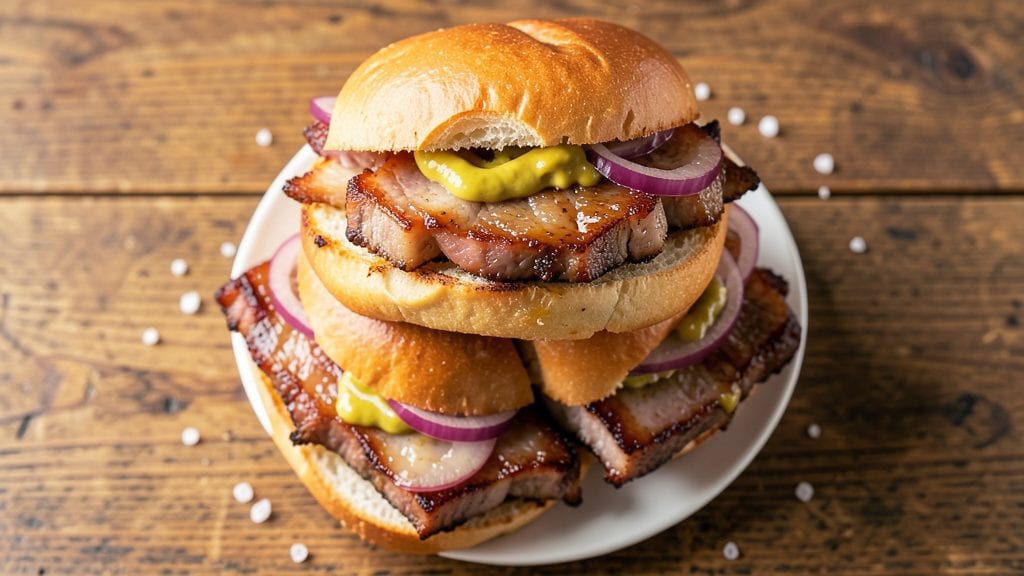
Creating pork belly sliders with that signature crispy-crackling exterior and melt-in-your-mouth juiciness is the kind of dish that transforms any gathering into a memorable event.
I perfected this recipe after years of experimenting with different cooking methods—balancing the delicate art of rendering fat into golden crackling while keeping the meat tender inside. The secret lies in a slow, controlled cook that builds layers of flavor without drying out the pork.
This recipe delivers restaurant-quality results with simple techniques: a high-heat sear for initial crispiness followed by a low-and-slow finish to render fat and develop depth. You'll work with just a few pantry staples—pork belly, salt, and a touch of sugar—but the transformation is nothing short of magical.
The crackling alone makes these sliders worth the effort, and the juicy pork inside ensures every bite is satisfying.
By the time you assemble them on soft brioche buns with caramelized onions and tangy pickles, you'll have sliders that look as impressive as they taste. The crispy exterior gives way to tender, flavorful pork that practically melts in your mouth, while the toppings add brightness and texture.
This is the kind of dish that disappears quickly—so make extra.
Whether you're hosting a game day party or just craving something indulgent, these sliders deliver foolproof satisfaction. The method scales easily, so you can adjust the quantity to feed a crowd or save leftovers for sandwiches the next day. Let's get started on creating your own pork belly magic.
Ingredients for pork belly sliders
Pork belly sliders transform simple ingredients into restaurant-quality bites with crispy crackling and juicy pork.
| Ingredient | Amount | Notes |
|---|---|---|
| Pork Belly (bone-in, skin-on) 🐷 | 4 lb | Rubbed with coarse salt |
| Coarse Kosher Salt 🧂 | 2 tbsp | Diamond Crystal preferred |
| Granulated Sugar 🍚 | 1 tbsp | For caramelization |
| Brioche Buns 🍞 | 24 whole | Soft, pillowy texture |
| Yellow Onions 🧅 | 2 whole | Thinly sliced |
| Dijon Mustard 🍯 | 2 tbsp | For tangy glaze |
| Apple Cider Vinegar 🍎 | 2 tbsp | Brightens flavors |
| Greek Yogurt 🧀 | 1 cup | Full-fat preferred |
| Dill Pickle Spears 🥒 | 12 piece | Tangy contrast |
| Unsalted Butter 🧈 | ½ cup | For caramelizing onions |
| Fresh Dill 🌿 | ¼ cup | Chopped for garnish |
The pork belly is your star here—look for bone-in, skin-on cuts from ButcherBox or your local meat counter. Thick, marbled slices render the most fat, creating that signature crackling. If you're buying pre-cubed, Costco's pork belly is a solid budget option. The key is coarse kosher salt like Diamond Crystal—it creates better texture than table salt. I always pat the pork dry before seasoning; moisture is the enemy of crispiness. For the sugar, raw cane sugar adds a deeper caramel note than white granulated.
No Dijon mustard? Whole-grain mustard plus a splash of vinegar gets you close. Short on pickles? Quick-pickle onions (onions + vinegar + sugar) work in a pinch. The Greek yogurt is non-negotiable for tang—plain, full-fat is best. For the onions, yellow works, but red adds color. If you're feeding a crowd, pre-slice onions and store them in water to keep them crisp. The brioche buns? Fresh is best, but frozen works if you toast them first. Just don't skip the toast—it elevates the texture.
The pork belly keeps beautifully for 3-4 days in the fridge if wrapped tightly in plastic. For longer storage, freeze raw for up to 3 months. The caramelized onions? Make a double batch—they freeze perfectly and taste even better the next day. Assemble sliders just before serving to keep the buns soft. The crackling stays crisp for 2-3 hours post-cooking, so batch them accordingly. Leftovers reheat best in a skillet with a splash of water—just 2 minutes on medium heat to revive the crackling.
Why You'll Love This Recipe
- Let’s be real: pork belly isn’t cheap, but this recipe stretches it into 24 sliders, so you’re getting serious bang for your buck. The brioche buns and Greek yogurt might seem pricey, but they’re used in tiny amounts, and the yellow onions and dill pickles are pantry staples. Plus, that unsalted butter for caramelizing? A little goes a long way, and the flavor transformation is worth every penny.
- No-Fuss Feast: Honestly, this isn’t one of those recipes that requires a pantry full of obscure spices or hours in the kitchen. Just rub that pork belly with coarse kosher salt and granulated sugar, let it chill overnight, then pop it in the oven for 4 hours while you do other things. The brioche buns toast in 4 minutes, and the yellow onions caramelize in one pan—minimal chopping, maximum flavor.
- Rich and Balanced: That crispy, crackling skin on the pork belly? Chef’s kiss. But here’s the magic: the Dijon mustard and apple cider vinegar glaze cuts through the richness, while the Greek yogurt adds a cool, creamy contrast. Topped with dill pickle spears and sweet caramelized onions, every bite is a perfect dance of textures and flavors—no single element overpowers.
- Crowd-Pleaser Any Day: These sliders aren’t just for game day or fancy gatherings—they’re my go-to for lazy Sundays, impromptu dinner parties, or even feeding a roomful of hungry teens after soccer practice. The pork belly feeds a crowd without breaking the bank, and leftovers? Wrap that meat tightly in plastic and you’ve got 3-4 days of easy lunches or quick dinners. (Yes, even on a Tuesday night.)
Step-by-step instructions for pork belly sliders
Here's the method I've perfected for sliders with irresistible crackling and melt-in-your-mouth pork.
Cure and Render the Pork Belly
Place the 4 lb pork belly skin-side up on a wire rack set over a rimmed baking sheet. This elevation is crucial—it allows hot air to circulate underneath for even cooking. In a small bowl, mix the 2 tbsp coarse kosher salt and 1 tbsp granulated sugar until evenly combined. Rub this mixture all over the pork belly, pressing firmly into the skin and fat. The sugar will help create caramelization while the salt cures and seasons deeply.
Cover loosely with plastic wrap and refrigerate for 24 hours. This curing process breaks down the collagen in the pork belly, transforming it into tender, juicy meat. After curing, remove the pork from the fridge and let it sit at room temperature for 1 hour before cooking. This resting period ensures even cooking throughout—cold meat in a hot oven leads to uneven results.
Slow-Roast for Maximum Tenderness
Preheat your oven to 275°F. Place the pork belly on a rack in a roasting pan, skin-side up. Roast uncovered for 4 hours, basting with its own rendered fat every 45 minutes. You'll notice the fat begin to render and pool in the pan after about 30 minutes—this is the golden liquid that will create your crackling. The pork is done when the internal temperature reaches 195-200°F and the skin is golden brown and crispy.
Here's the thing—don't rush this step. The low temperature breaks down the connective tissue, making the pork fall-apart tender. If the skin starts to darken too quickly, tent it loosely with foil. The goal is that perfect balance of crispy skin and juicy meat inside. When you're ready to serve, remove the pork from the oven and let it rest for 15 minutes before slicing.
Caramelize the Onions and Prepare the Glaze
While the pork rests, heat the ½ cup unsalted butter in a large skillet over medium heat. Add the thinly sliced 2 yellow onions and cook for 10-12 minutes, stirring occasionally, until they're golden brown and caramelized. This process should take patience—rush it and they'll burn. Remove the onions from the skillet and set them aside, reserving the butter for the glaze.
In a small bowl, whisk together the 2 tbsp Dijon mustard, 2 tbsp apple cider vinegar, and the reserved caramelized butter. This tangy glaze will cut through the richness of the pork belly. Once the pork has rested, slice it into ¼-inch thick pieces against the grain for maximum tenderness. Toss the pork slices with the glaze until evenly coated.
Assemble the Sliders
Lightly toast the 24 brioche buns in a toaster or oven at 350°F for 3-4 minutes until golden brown. Spread 2 tbsp of the Greek yogurt on the bottom half of each bun. The yogurt adds a creamy contrast to the rich pork. Place 2 slices of pork belly on each bun, then top with 1 dill pickle spear and 1 tbsp of caramelized onions. The acidity of the pickles and the sweetness of the onions balance the pork perfectly.
Garnish each slider with 1 teaspoon of the chopped ¼ cup fresh dill. This final touch adds a bright, herby note that ties everything together. Serve immediately while the pork is still warm and the crackling is at its crispest. The combination of creamy yogurt, tangy glaze, and crispy crackling on soft brioche buns makes these sliders unforgettable.
Pro Tips For Making Pork Belly Sliders
- Salt the Skin First: That sugar-salt rub isn’t just for flavor—it’s for the crackling. Press the mixture into the skin before the fat in the first 30 minutes of roasting. I learned this the hard way: skipping this step means your skin stays soft instead of crispy gold. (Yes, even if you're impatient like me.)
- Don’t Skip the 1-Hour Rest: That hour at room temperature before roasting isn’t optional. Cold pork belly starts cooking unevenly, and you’ll end up with a dry outer layer before the center is tender. Pro move: Take it out of the fridge while you prep the onions—no extra time wasted.
- Caramelize Onions Low and Slow: Medium heat isn’t fast enough—crank it down to low after the first 3 minutes. I used to rush this, and the onions either burned or stayed pale. The butter should bubble gently, not roar. Patience here means sweet, jammy onions that make the whole slider sing.
- Slice Against the Grain (Then Rest Again): Cutting the pork belly against the grain is non-negotiable, but here’s the upgrade: After slicing, let those pieces rest on a wire rack for 5 minutes before assembling. This keeps the slices from steaming in their own juices and turning soggy—especially when you add the yogurt. Trust me, your sliders will stay crisp.
Perfect pairings for these flavors
Beverage Pairings
For these rich, crackling pork belly sliders, a crisp Italian white wine like Vermentino from Sardinia cuts through the fat beautifully. The citrus notes and mineral finish cleanse your palate between bites. I always keep a bottle chilled in my fridge—it’s the perfect companion to the pork’s savory depth.
If wine isn’t your thing, try San Pellegrino Aranciata, the Italian orange soda, for a refreshing contrast. The tartness balances the pork’s richness without overpowering it. 🍷
Spicy Kick Options
If you love heat, add 1 tsp chili crisp from Penzeys to the glaze before tossing with pork. The smoky-sweet crunch elevates every bite. For something more intense, mix 1 tbsp sriracha with the yogurt spread—it’s a game-changer for spice lovers.
I like to keep both options on hand so guests can customize their sliders. Honestly, the right amount of heat makes these sliders feel even more indulgent. 🌶️
Sweet Contrasts
A drizzle of fig jam from a local Italian deli adds unexpected sweetness that pairs surprisingly well with the pork’s saltiness. I love using Boscaiola fig jam—its honeyed notes complement the caramelized onions.
For a lighter option, try a sprinkle of toasted pumpkin seeds on top—they add crunch and a subtle nuttiness. Both work beautifully with the creamy yogurt base. ✨
Crunchy Toppings Boost
Fresh water chestnuts (drained well) add satisfying crunch and a mild sweetness that contrasts the pork’s richness. I like to slice them thin and spread them lightly over the onions.
For something more savory, try toasted panko breadcrumbs mixed with a pinch of smoked paprika—it gives the slider an extra texture dimension. Both options keep the buns soft while adding complexity. 💫
Cheese Variations
Swap the Greek yogurt for mascarpone cheese—its creamy, slightly tangy texture elevates the slider to another level. I like to dollop it warm and let it soften slightly before assembling.
For a sharper contrast, try aged pecorino Romano>—just a few shavings add a salty punch that makes the pork taste even more decadent. Both cheeses work wonders with the pork’s natural richness. 🧀
Nutrition facts
Frequently asked questions
Why does the pork belly need a 24-hour cure before cooking?
The 24-hour cure with salt and sugar is essential for two reasons: it breaks down collagen for tender meat and creates that signature crispy crackling. The salt cures the pork while the sugar promotes caramelization on the skin. Skipping this step means you'll miss out on both juiciness and that irresistible crunch.
Can I use regular table salt instead of coarse kosher salt?
While you can use table salt, coarse kosher salt like Diamond Crystal creates better texture and seasoning distribution. It dissolves more evenly and doesn't pack as densely, allowing the pork to develop that perfect balance of saltiness without becoming overly salty. The coarse texture also helps create better crackling.
What if my pork belly skin burns before the internal temperature reaches 195°F?
If the skin darkens too quickly, tent it loosely with foil to slow cooking. The key is maintaining 275°F oven temperature while protecting the skin. You can also baste more frequently with rendered fat to keep it moist. The internal temp will still reach 195-200°F safely if you're patient.
How do I store leftovers without drying out the pork?
Store sliced pork belly in an airtight container with a paper towel to absorb excess moisture. Reheat in a skillet with a splash of water over medium heat for just 2 minutes to revive the crackling. The yogurt spread can be stored separately and added fresh when serving.
Can I make these sliders ahead of time?
You can prep components ahead: caramelize onions and make the glaze up to 3 days ahead, and toast buns up to 2 hours ahead. Assemble sliders just before serving to keep buns soft. The pork belly itself should be cooked fresh for best texture.