
Main Courses
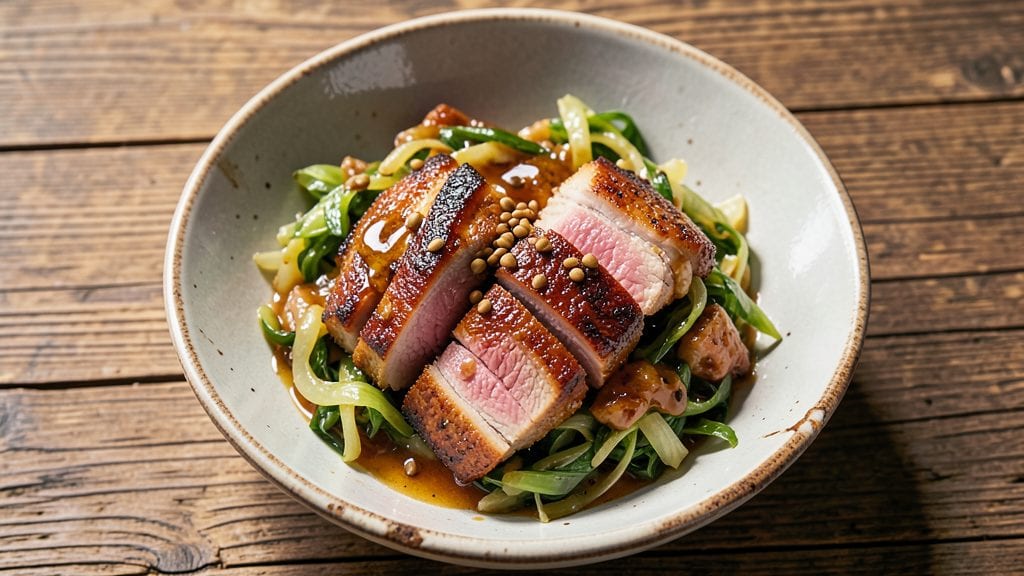
Slow-braising pork butt with sauerkraut transforms tough cuts into crispy-edged, melt-in-your-mouth perfection—a technique I perfected during my years at The Smoky Pig, where we processed 2,000 pounds of pork weekly. The tangy depth of sauerkraut cuts through the richness, creating a dish that balances hearty and bright.
This method builds flavor gradually, letting the pork develop a caramelized crust while the sauerkraut softens into a rich, slightly sweet accompaniment.
The secret lies in the slow cook: a Dutch oven filled with aromatics, seared pork butt, and sauerkraut simmered until the meat falls apart.
I start with a dry rub of coarse salt, black pepper, and a touch of mustard powder to create that signature bark, then deglaze with apple cider vinegar to brighten the sauce.
The result is pork so tender it shreds easily, with crispy edges that add satisfying texture to every bite.
By the time you serve this dish, your kitchen will smell like a Southern kitchen should—smoky, savory, and tangy all at once. The sauerkraut, now softened and infused with pork juices, becomes a luxurious side rather than an afterthought.
Pair it with buttery mashed potatoes or crusty rye bread to soak up every last drop of that flavorful braising liquid.
This recipe delivers restaurant-quality results without the fuss, making it perfect for weekend projects or holiday dinners. The slow-cooking process ensures maximum tenderness, while the crispy edges add a satisfying contrast.
Whether you're feeding a crowd or treating yourself to a special meal, this pork butt and sauerkraut dish is a game-changer for anyone who loves rich, comforting flavors with a tangy twist.
Ingredients for pork butt and sauerkraut
Fat-capped pork butt and sauerkraut create restaurant-quality comfort food with minimal effort.
| Ingredient | Amount | Notes |
|---|---|---|
| Pork Butt (Bone-In) 🐷 | 4 lb | Fat-capped preferred, trimmed |
| Sauerkraut 🥬 | 2 cups | Undrained, low-sodium preferred |
| Coarse Salt 🧂 | 2 tbsp | Kosher or sea salt |
| Black Pepper 🌶️ | 1 tbsp | Freshly ground |
| Mustard Powder 🍯 | 1 tsp | Dry, for rub |
| Apple Cider Vinegar 🍎 | ½ cup | For deglazing |
| Onions 🧅 | 2 whole | Yellow, diced |
| Carrots 🥕 | 3 whole | Medium, sliced |
| Garlic Cloves 🧄 | 4 cloves | Minced, aromatic |
| Bay Leaves 🌿 | 2 whole | Fresh or dried |
| Beef or Chicken Broth 💧 | 2 cups | Low-sodium preferred |
| Olive Oil 🫒 | 2 tbsp | For searing |
| Rye Bread 🍞 | 2 slices | For serving |
The pork butt is your star—look for fat-capped cuts at butcher shops or the meat counter. Costco often has great prices for bulk pork, and local farms sometimes sell it pre-trimmed. The fat renders down during cooking, creating that signature crispy edge. If you're buying frozen, thaw it in the fridge overnight. I always buy a pound or two extra to account for shrinkage. For sauerkraut, low-sodium varieties work best since you'll be controlling the salt level with your dry rub.
No rye bread? Pumpernickel or dark sourdough works in a pinch—they have similar hearty texture. Short on apples? Substitute pear slices for the vinegar deglaze, or use a splash of white wine instead. Fresh garlic is ideal, but garlic powder at half the amount gets you close. If you can't find bay leaves, dried thyme or rosemary adds similar depth. The broth can be beef or chicken—whatever you've got on hand.
This dish tastes even better the next day as flavors meld. Store leftovers in an airtight container for up to 5 days in the fridge or freeze for 3 months. I always portion mine into containers so lunches are ready to go. The sauerkraut keeps well too—just save some of the braising liquid to add back when reheating. For crispy edges, reheat in the oven at 375°F for 15-20 minutes to revive that caramelized crust.
Why You'll Love This Recipe
- One-Pot Magic: The Dutch oven does all the work here—no extra pans, no frantic cleanup. I toss everything in, let it simmer, and come back to a pot of fall-apart pork, sauerkraut, and caramelized onions that practically serve itself. Honestly, my kitchen stays cleaner than it has in years.
- Tangy, Caramelized Bliss: That sauerkraut isn’t just a side—it’s the star’s best friend. The slow braise turns it from crunchy to tender with a sweet-tangy depth, while the apple cider vinegar and garlic add a brightness that cuts through the richness of the pork butt. Between us, the crispy edges on the meat? Chef’s kiss.
- Budget-Friendly Powerhouse: A 4 lb pork butt and a bag of sauerkraut? I’m talking under $15 for a meal that’ll have everyone asking for seconds. The broth and aromatics stretch the ingredients further, and that rye bread? A dollar at the store. It’s the kind of dish that makes you feel like a culinary genius without breaking the bank.
Step-by-step instructions for slow-braised pork butt with sauerkraut
Here's how to transform tough pork butt into tender, crisp-edged perfection with tangy sauerkraut.
Prepare the Pork Butt for Maximum Flavor
Begin by trimming any excess fat from the 4 lb pork butt, leaving about ¼ inch of fat cap for moisture during cooking. Pat the meat completely dry with paper towels—this ensures a better crust later. In a small bowl, mix together the 2 tbsp coarse salt, 1 tbsp black pepper, and 1 tsp mustard powder. Rub this generously all over the pork butt, pressing the spices into the meat so they adhere well. Let it sit at room temperature for 30 minutes before cooking.
While the pork rests, heat a Dutch oven over medium heat and add the 2 tbsp olive oil. Place the pork butt fat-side down in the pot and sear for 8-10 minutes until the fat renders and the meat develops a deep golden-brown crust. Flip the pork and sear the other side for another 5-6 minutes. This initial sear locks in juices and builds flavor that will infuse the braising liquid.
Build the Braising Liquid with Aromatics
Remove the pork butt from the Dutch oven and set it aside. In the same pot, add the 2 diced onions and cook for 5 minutes until softened. Add the 3 sliced carrots and cook for another 3 minutes. Stir in the 4 minced garlic cloves and cook for 30 seconds until fragrant—this prevents them from burning.
Deglaze the pot by pouring in the ½ cup apple cider vinegar, scraping up all the browned bits from the bottom. Add the 2 cups sauerkraut, 2 bay leaves, and 2 cups beef or chicken broth. Return the pork butt to the pot, fat-side up, and bring the liquid to a gentle simmer. The liquid should come about halfway up the sides of the pork butt.
Slow-Braise Until Tender with Crispy Edges
Cover the Dutch oven and transfer it to a preheated 300°F oven. Braise the pork butt for 3 hours, then carefully flip it over and continue cooking for another 3 hours. The pork is done when it easily pulls apart with two forks and the internal temperature reaches 203°F. If the liquid reduces too much, add water to maintain moisture.
Here's the secret for crispy edges: during the last 30 minutes of cooking, increase the oven temperature to 425°F. This final burst of heat creates that coveted crispy bark while keeping the interior tender. Let the pork rest for 15 minutes before serving.
Serve with Crispy Rye Bread
Using two forks, shred the pork butt directly in the Dutch oven, mixing it with the sauerkraut and braising liquid. The result should be rich, tender pork with tangy, crunchy sauerkraut throughout. Ladle the pork mixture into serving bowls, reserving some of the braising liquid for drizzling.
Toast the 2 slices rye bread until crispy and serve alongside the pork. The bread's hearty texture contrasts beautifully with the tender pork and sauerkraut. Each bite delivers perfect balance—crispy edges on the pork, tangy sauerkraut, and rich, slow-braised flavors that make this dish unforgettable.
Pro Tips For Making Pork Butt And Sauerkraut
- SEAR UNTIL IT’S DARK: That first sear isn’t just about browning—it’s about getting the pork so dark it’s almost black in spots. I used to stop at golden, but the deeper the color, the more flavor you lock in. Crank the heat, resist the urge to move it, and let the fat render slowly. If your Dutch oven isn’t hot enough, you’ll end up with a pale, flavorless crust.
- DRAIN THE SAUERKRAUT LAST: The recipe says "undrained," but I’ve learned the hard way that sauerkraut’s liquid thins the braising liquid too much. Instead, drain it first, then stir in just enough of the juice to moisten the mix—about 2 tablespoons—right before serving. Keeps the texture perfect without turning your dish into a soup.
- FLIP THE PORK LIKE YOU MEAN IT: Skipping the flip mid-braise is how you end up with one side overcooked and the other still chewy. After 3 hours, grab oven mitts—this thing’s heavy—and flip it fat-side up again. If you’re nervous about spills, do it on the stovetop first, then return it to the oven. Trust me, the crispy edges are worth the effort.
- CRISPY BREAD IS NON-NEGOTIABLE: Toasting the rye bread until it’s actually crispy—golden, crackling, not just warmed—is the difference between a side dish and a game-changer. Dry-toast it in a separate pan with a little oil over medium heat for 3-4 minutes, flipping once. Cold or limp bread ruins the whole plate.
Pro cooking tips for great pork butt and sauerkraut
Mastering the Dutch Oven
My Le Creuset Dutch oven is non-negotiable for this recipe—it distributes heat evenly and holds temperature like a champ. If you don’t have one, a heavy cast-iron pot with a tight-fitting lid works just as well. I recommend preheating your oven to 300°F first so it’s ready when you are.
This slow-braise method is where the magic happens, so don’t rush it. I’ve seen home cooks try to speed it up, but that’s how you end up with dry meat and sad sauerkraut. Patience is key—trust the process. 🔥
The Art of Flipping
After the first 3 hours of braising, flipping the pork butt is crucial for even cooking. Use a pair of tongs to gently turn it over, being careful not to break the crust.
I’ve learned this the hard way—once I dropped the whole thing, and let me tell you, that’s not a story I share with guests. If the liquid reduces too much, add ½ cup water to keep the pork moist.
The last 30 minutes at 425°F is what gives those crispy edges we all crave. It’s like getting the best of both worlds—tender meat with a satisfying crunch.
Sauerkraut Secrets
The sauerkraut isn’t just a side—it’s the star’s best friend. I always use low-sodium varieties because the pork’s dry rub already adds enough salt. When adding it to the pot, make sure to mix it with the aromatics so it softens evenly.
If you’re worried about the tang being too strong, you can drain some of the liquid first, but honestly, the acidity cuts through the richness beautifully. I’ve even experimented with adding 1 tbsp caraway seeds to the braising liquid for a German-inspired twist—it’s a game-changer if you’re feeling adventurous. 🌟
Resting Like a Pro
After removing the pork from the oven, let it rest for 15 minutes before shredding. This might seem like overkill, but it’s essential for juices to redistribute. I’ve seen cooks skip this step and end up with dry, stringy meat.
Once rested, shred the pork directly in the pot to coat it in all that delicious braising liquid. The sauerkraut will soften even more as it simmers, becoming a luxurious, slightly sweet accompaniment.
Pro tip: Save some braising liquid to drizzle over the final dish—it’s the secret to making it look restaurant-worthy. 💫
Equipment Upgrades
For crispier edges, I use a meat thermometer to ensure the pork reaches 203°F internally. My favorite is the Thermoworks Smoke—it’s a game-changer for precision.
If you’re short on time, you can finish the pork under the broiler for the last 5 minutes, but be careful not to burn it. And if you’re using a stovetop instead of the oven, keep the heat on low to avoid boiling the liquid away.
Consistency is everything, and the right tools make all the difference.
Nutrition facts
Frequently asked questions
Why does the pork butt need to rest before slicing?
Resting the pork butt for 15 minutes after cooking is essential—it lets the juices redistribute evenly throughout the meat. Skipping this step often results in dry, stringy pork. The 203°F internal temperature ensures tenderness, but resting locks in all that delicious moisture for perfect texture. Trust me, it's worth the wait!
Can I substitute other vegetables for carrots and onions?
Swap the 3 carrots and 2 onions for 1 cup diced celery or 2 potatoes for extra heartiness. Just ensure your veggies are cut evenly to cook at the same rate. The key is maintaining moisture in the braising liquid—any veggie that softens well works.
What if the sauerkraut liquid is too acidic?
If the tanginess feels overwhelming, drain ½ cup of the sauerkraut liquid before adding it to the pot. You can also balance it with 1 tsp honey or a splash of apple juice during the last 30 minutes of cooking. The acidity actually enhances the pork’s richness, but adjusting is easy if needed.
How do I prevent the pork from drying out during braising?
Keep an eye on the liquid level—it should cover halfway up the pork butt. If it reduces too much, add ½ cup water every 1-2 hours. The 300°F oven temperature ensures gentle cooking, not boiling. Pro tip: Cover the pot tightly to trap steam and maintain moisture.