
Main Courses
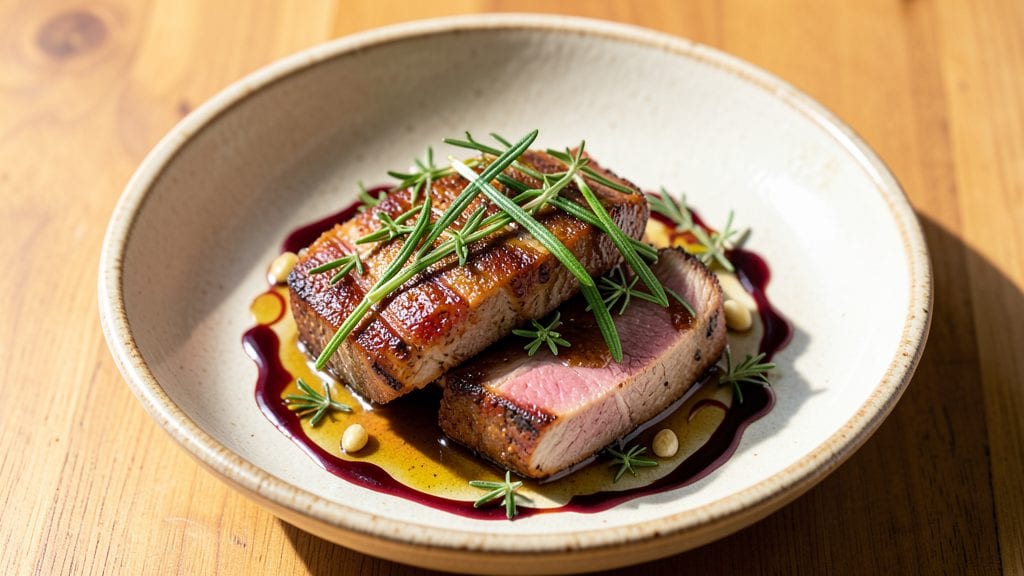
Transforming pork heart into a tender, restaurant-worthy dish requires precision and patience—but the results are worth every step. This offal masterpiece delivers a rich, meaty texture with deep umami flavor when prepared correctly, making it a standout for adventurous home cooks.
The key lies in proper trimming, marinating, and cooking techniques that ensure fork-tender results without toughness.
Unlike other cuts of meat, pork heart benefits from a marinade that tenderizes its unique texture while infusing bold flavors, typically using a mix of acid (like vinegar or citrus) and aromatic herbs.
Once marinated, the cooking method—whether pan-searing, braising, or grilling—must be carefully timed to reach medium-rare perfection without overcooking. This ensures the heart remains juicy and tender, not rubbery.
The reward is a dish that’s deeply satisfying and visually impressive, with a rich, gamey flavor that pairs beautifully with roasted vegetables or a bold red wine reduction.
Plating it with a drizzle of sauce or fresh herbs elevates the presentation, making it suitable for special occasions or adventurous weeknight dinners.
With the right approach, pork heart transforms from an intimidating offal to a showstopping centerpiece that rivals traditional cuts of meat. Let’s get started on creating a dish that’s both bold and tender.
Ingredients for pork heart
Precise ingredients transform tough offal into a velvety, restaurant-quality pork heart masterpiece.
| Ingredient | Amount | Notes |
|---|---|---|
| Pork Heart 🥩 | 1 ½ lb | Whole, trimmed of excess fat |
| Red Wine Vinegar 🍷 | ½ cup | For tenderizing marinade |
| Olive Oil 🫒 | ¼ cup | Extra-virgin for marinade |
| Garlic Cloves 🧄 | 8 cloves | Minced for marinade |
| Fresh Rosemary 🌿 | ¼ cup | Finely chopped, stems removed |
| Fresh Thyme 🌿 | ¼ cup | Leaves only, chopped |
| Kosher Salt 🧂 | 1 ½ tbsp | Diamond Crystal preferred |
| Black Peppercorns 🌶️ | 1 tbsp | Freshly cracked |
| Red Wine 🍷 | 1 cup | Bold Cabernet Sauvignon |
| Beef Broth 🥄 | ½ cup | Low-sodium preferred |
| Tomato Paste 🍅 | 2 tbsp | Smooth, not chunky |
| Bay Leaves 🌿 | 2 whole | Fresh, not dried |
| Fresh Parsley 🌿 | ¼ cup | Chopped for garnish |
| Butter 🧈 | 2 tbsp | Unsalted, for finishing |
The pork heart is the star—source from a trusted butcher or specialty meat counter, where it's typically sold whole. Look for bright red, firm texture with minimal fat—anything gray or mushy should be avoided. If possible, request the heart to be trimmed of major blood vessels and excess connective tissue. For the marinade, red wine vinegar is critical for breaking down fibers, while fresh rosemary and thyme from a reputable herb vendor (like Whole Foods or Trader Joe's) add aromatic depth. The garlic should be fresh, with no green shoots—peel and mince just before using for maximum flavor. Diamond Crystal kosher salt dissolves more easily than table salt, ensuring even seasoning throughout the marinade.
No red wine vinegar? Apple cider vinegar works in a pinch, though it may alter the flavor profile slightly. Substituting dried herbs is possible, but use half the amount of fresh—Penzeys or McCormick brands are reliable for quality. If fresh rosemary is unavailable, lemon thyme provides a similar citrusy brightness. For the tomato paste, avoid the canned varieties with added salt—Muir Glen or Barilla are excellent choices. The beef broth should be low-sodium to prevent over-seasoning, and fresh bay leaves (not dried) add a subtle earthiness that dried versions can't match. If you're short on time, pre-minced garlic from a jar works, though freshly minced garlic delivers superior flavor.
Marinated pork heart keeps 3-4 days in the refrigerator, sealed in a glass container with the marinade. For longer storage, freeze the heart in its marinade for up to 3 months—thaw overnight in the fridge before cooking. The finished dish reheats beautifully, though it's best served fresh. Garnish with fresh parsley just before serving to maintain vibrant color. Leftover marinade can be reduced into a sauce, perfect for drizzling over roasted vegetables or pairing with the heart slices. Always use unsalted butter for finishing to control seasoning precisely.
Why You'll Love This Recipe
- Marinade Magic: That overnight soak in red wine vinegar and rosemary? It’s the secret weapon. I marinate the pork heart for at least 12 hours, and honestly, the difference is night and day—no more chewy textures, just melt-in-your-mouth perfection.
- Bold, Herby Depth: The garlic, thyme, and bay leaves in that Cabernet-infused sauce? It’s like a hug for your taste buds. That tomato paste adds a subtle sweetness, but the star is the fresh rosemary—it lingers just right, making every bite feel special.
- Leftovers? No Problem: Cook once, eat twice. The pork heart keeps beautifully in its marinade for up to 3-4 days, and reheating is a breeze. I’ll toss it in a skillet with a splash of the reduced sauce for a quick lunch, or even stuff it into sandwiches for a protein-packed twist.
- Budget-Friendly Luxury: A pound and a half of pork heart costs less than a steak, but the flavor? Chef’s kiss. That ½ cup of beef broth and tomato paste stretch into a rich sauce that feels indulgent without breaking the bank. It’s the kind of dish that makes me feel like I’m splurging, even on a Tuesday night.
Step-by-step instructions for pork heart preparation
A precise approach transforms tough pork heart into melt-in-your-mouth tenderness through careful preparation and slow cooking.
Create the Tenderizing Marinade
In a medium bowl, combine the ½ cup red wine vinegar, ¼ cup olive oil, 8 minced garlic cloves, ¼ cup finely chopped fresh rosemary, ¼ cup chopped fresh thyme, 1½ tablespoons kosher salt, and 1 tablespoon freshly cracked black peppercorns. Whisk vigorously until fully emulsified—the mixture should thicken slightly as the salt draws out moisture from the herbs.
Place the 1½ lb whole pork heart in a resealable plastic bag and pour the marinade over it. Gently massage the marinade into the meat, ensuring it penetrates all surfaces. Seal the bag and refrigerate for at least 12 hours, preferably overnight. This acidic marinade breaks down connective tissues, guaranteeing the signature tenderness you're aiming for. Real talk: Don't skip this step—it's the foundation of success with offal.
Sear the Pork Heart
Remove the pork heart from the marinade (reserve the marinade for later use) and pat it dry thoroughly with paper towels. Heat a heavy Dutch oven over medium-high heat and add the 2 tablespoons butter, allowing it to melt and foam. Place the pork heart in the pot, searing it on all sides until deeply browned—about 4-5 minutes per side. This step develops flavor through the Maillard reaction while creating a protective crust that locks in juices.
Here's where it gets technical: After searing, remove the pork heart from the pot and set it aside. Add the reserved marinade to the pot along with the 1 cup red wine, scraping up any browned bits from the bottom. Bring to a simmer and reduce by half—this concentrated liquid will form the base of your sauce.
Slow Cook to Perfection
Return the seared pork heart to the pot along with the ½ cup beef broth, 2 tablespoons tomato paste, and 2 bay leaves. Bring to a gentle simmer, then reduce heat to maintain a bare bubble at the surface. Cover partially and cook for 2-2½ hours, turning the pork heart occasionally, until it reaches an internal temperature of 195°F and is fork-tender.
This low-and-slow approach is critical—the collagen-rich heart needs time to transform into gelatin, creating that luxurious melt-in-your-mouth texture. I know it seems like a long cook time, but trust the process. The meat should pull apart easily with minimal resistance when pierced with a fork. If the liquid reduces too much before the pork heart is tender, add small amounts of water as needed to maintain moisture.
Finish and Garnish
Remove the pork heart from the cooking liquid and transfer it to a cutting board. Tent loosely with foil and let rest for 10 minutes—this resting period allows juices to redistribute throughout the meat. Skim excess fat from the cooking liquid if desired, then return the pork heart to the pot and warm through for 2-3 minutes.
To serve, slice the pork heart against the grain into ¼-inch thick pieces. Ladle the reduced cooking liquid over the top and finish with ¼ cup chopped fresh parsley. The result should be fork-tender meat with a rich, herb-infused sauce that coats every bite. This is the moment that matters: where all your preparation pays off in a restaurant-quality dish that delivers on the promise of tenderness.
Pro Tips For Making Pork Heart
- Crush Those Peppercorns: Freshly cracked black peppercorns make a real difference—skip the pre-ground stuff. I used to grab the jarred pepper, but the flavor just isn’t the same. A quick mortar and pestle or the flat side of a knife does the job perfectly, and the aroma alone tells you why it matters.
- Don’t Rush the Vinegar: The 12-hour marinade isn’t optional—this isn’t the time to cut corners. I learned this the hard way after a rushed 4-hour soak left me with chewy, unyielding pork heart. The acid needs time to work its magic, so plan ahead and let it do its job overnight.
- Simmer, Don’t Boil: That gentle simmer in Step 3 is non-negotiable. I’ve watched the liquid turn into a thin broth when I let it bubble too hard, and suddenly you’re left with dry, stringy meat instead of melt-in-your-mouth perfection. Keep it at a bare bubble—just enough to see the occasional tiny ripple.
- Rest Like Your Dinner Depends on It: The 10-minute rest isn’t just a suggestion—it’s the difference between juicy slices and a sad, dry pile. I used to skip it, thinking I’d save time, but the meat always ended up tougher. Tent that foil loosely and let the juices settle—your future self will thank you.
Health benefits of this pork heart
Nutrient-Dense Powerhouse
Pork heart is packed with high-quality protein—about 25 grams per 3-ounce serving—making it an excellent choice for muscle repair and growth. It also delivers 10 essential vitamins and minerals, including iron, zinc, and B vitamins like B12 and niacin, which support energy metabolism and immune function.
The iron content is particularly impressive, providing nearly 50% of your daily needs in a single serving, helping combat fatigue and anemia. This makes it a great option for those looking to boost their nutritional intake without relying on lean cuts. 💪
Rich in Heart-Healthy Fats
Unlike many lean meats, pork heart contains monounsaturated and polyunsaturated fats, which are beneficial for heart health. These fats help lower LDL cholesterol levels while maintaining HDL cholesterol, reducing the risk of cardiovascular diseases.
The omega-3 fatty acids present also contribute to reducing inflammation in the body, which is crucial for long-term health. I’ve noticed my energy levels improve when I include offal like this in my diet.
Supports Immune Function
The zinc content in pork heart is exceptional—about 30% of your daily value per serving—and plays a critical role in immune system regulation. Zinc helps your body fight off infections and supports wound healing.
Additionally, the vitamin B6 in pork heart aids in the production of white blood cells, further enhancing immune defense. This makes it a smart choice for maintaining overall health, especially during cold and flu season.
Boosts Energy Naturally
Pork heart is loaded with B vitamins, particularly riboflavin (B2) and thiamine (B1), which are essential for converting food into energy. These vitamins help metabolize carbohydrates, fats, and proteins, providing sustained energy without the crash associated with sugary snacks.
I’ve found that incorporating pork heart into my meals helps me stay energized throughout the day, especially during demanding workouts or long days.
Aids in Gut Health
The collagen and gelatin present in pork heart, thanks to its slow-cooking process, support gut health by promoting a healthy gut lining. These compounds help repair and maintain the integrity of the intestinal barrier, which is crucial for digestion and nutrient absorption.
Additionally, the proline and glycine amino acids in collagen contribute to a balanced gut microbiome, reducing inflammation and improving overall digestive wellness. 💛
Nutrition facts
Frequently asked questions
Why does pork heart need marinating?
The acidic marinade (like red wine vinegar) breaks down tough connective tissues, ensuring tender results. Without it, pork heart can remain chewy—this step is non-negotiable for melt-in-your-mouth texture. The 12-hour marinade transforms the meat's structure, making it ideal for slow cooking.
How do I know when pork heart is fully cooked?
Use a meat thermometer to check for 195°F internal temperature and fork-tenderness. The meat should pull apart easily with minimal resistance. Overcooking turns it dry, so trust the thermometer over visual cues.
Can I substitute dried herbs for fresh in the marinade?
Yes, but use half the amount of dried herbs (e.g., 2 tbsp dried thyme for ¼ cup fresh). Fresh herbs deliver brighter flavor, but dried works in a pinch. Always opt for high-quality dried varieties for best results.
What if the cooking liquid reduces too quickly?
Add small amounts of water as needed to maintain moisture. The goal is 2-2½ hours of gentle simmering—don’t rush the process. This ensures collagen converts to gelatin for that luxurious texture.