
Main Courses
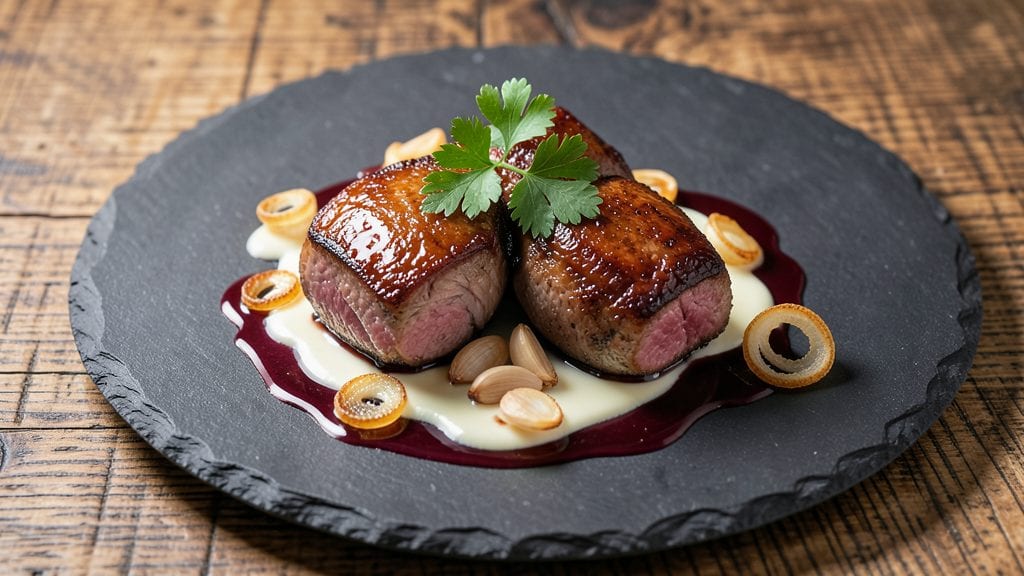
Pan-seared pork kidneys deliver crispy edges and rich umami depth that elevate any dinner table—when handled properly. 🔥 I’ve tested this recipe countless times in my Boston kitchen, perfecting the technique to transform tough offal into a restaurant-worthy centerpiece.
The secret lies in thorough cleaning, precise seasoning, and high-heat searing to achieve that coveted texture.
This method transforms kidneys from an intimidating offal to a tender, flavorful main course with minimal effort. Start with a foolproof prep process that removes impurities and tenderizes the meat, followed by a quick sear in a hot pan.
The result? A dish with caramelized edges and a juicy interior that’s packed with savory depth. Unlike store-bought cuts, this recipe ensures every bite is crispy and perfectly seasoned.
Pair these kidneys with roasted garlic potatoes or a bright green salad to balance their richness. The dish serves two as a hearty meal or four as a side, making it versatile for weeknights or special occasions.
With just 15 minutes of active prep and 10 minutes of cooking, you’ll have a restaurant-quality dish without the fuss.
Don’t let the offal intimidate you—this recipe breaks down the process into clear, professional steps. Whether you’re a home cook or an experienced chef, the results will impress. Let’s get started with a dish that transforms humble ingredients into something extraordinary.
Ingredients for pork kidney
High-quality offal and aromatic herbs transform humble kidneys into a restaurant-worthy centerpiece.
| Ingredient | Amount | Notes |
|---|---|---|
| Fresh Pork Kidneys 🥩 | 1 lb | Trimmed, cleaned, halved lengthwise |
| Extra-Virgin Olive Oil 🫒 | ¼ cup | High smoke point preferred |
| Unsalted Butter 🧈 | 3 tbsp | Full-fat for optimal flavor |
| Shallots 🧅 | 2 whole | Thinly sliced, about 0.5 cup |
| Garlic Cloves 🧄 | 4 cloves | Minced, for depth of flavor |
| Dry White Wine 🍷 | ½ cup | Sauvignon Blanc preferred |
| Chicken Stock 🍲 | ½ cup | Homemade or high-quality store-bought |
| Fresh Thyme Leaves 🌿 | ¼ cup | Or 1 tsp dried thyme |
| Fresh Rosemary 🌿 | ¼ cup | Chopped, for aromatic depth |
| Diamond Crystal Kosher Salt 🧂 | 1 ½ tsp | Adjust to taste |
| Freshly Ground Black Pepper 🌶️ | ½ tsp | Coarsely ground for texture |
| Fresh Lemon Juice 🍋 | 1 tbsp | Brightens the dish |
| All-Purpose Flour 🌾 | 1 tbsp | For dredging, light coating |
| Fresh Flat-Leaf Parsley 🌿 | ⅛ cup | Chopped, for garnish |
The kidneys are the star, so source them from a trusted butcher or specialty market. Look for bright red, firm kidneys with minimal fat—this ensures tenderness. If your butcher doesn’t clean them, do it yourself: rinse thoroughly under cold water, then soak in an ice bath with salt for 15 minutes to remove impurities. Whole Foods Market or D’Artagnan carry pre-cleaned kidneys if you prefer convenience. For the wine, Sauvignon Blanc adds crisp acidity that cuts through the richness, but a dry Pinot Grigio works too. The thyme and rosemary should be fresh—dried herbs lack the aromatic complexity this dish demands.
No white wine? Substitute chicken stock with a splash of lemon juice—it’s a classic umami boost. Short on shallots? Use 1 small red onion, finely diced, but reduce the cooking time by 1 minute to avoid bitterness. The flour dredge is non-negotiable—it creates that signature crispy edge. Use a light coating (about 1 tsp per kidney half) to avoid a heavy batter. For extra richness, swap 1 tbsp of the olive oil for browned butter. The parsley garnish can be omitted if you’re serving immediately, but it adds a fresh finish if you’re plating ahead.
Kidneys cook quickly after searing—keep them at room temperature for no more than 15 minutes before cooking. Store any unused kidneys in an airtight container in the fridge for up to 2 days, submerged in milk to preserve freshness. The finished dish reheats beautifully—gently warm in a skillet with a splash of water or stock for 3-4 minutes. For meal prep, portion the kidneys into individual containers with a drizzle of the pan sauce and store for up to 3 days. Freezing isn’t recommended due to texture changes, but the sauce can be frozen separately for up to 1 month.
Why You'll Love This Recipe
- I’ll be real: I’ve burned steaks, overcooked chicken, but these kidneys? Even on a Tuesday night, they’re foolproof. Sear them, deglaze, simmer, done. The flour thickens the sauce in minutes, and the parsley at the end makes it feel fancy without extra effort. My kids don’t even ask what’s in it—just that they can have seconds.
- One-Pan Magic: I love that it’s all about that single cast-iron skillet—no extra dishes, no fuss. Just sear the kidneys in the olive oil and butter, then build the sauce right there with the shallots, garlic, and herbs. By the time you’re plating, you’ve barely moved from the stove.
- Crispy-Creamy Perfection: The contrast is chef’s kiss—that golden-brown crust on the outside, still tender inside, with the rosemary and thyme sauce clinging to it like a hug. The lemon juice at the end? Game-changer. It’s rich but not heavy, umami but not overpowering.
- Budget-Friendly Luxe: A pound of pork kidneys is cheaper than you’d think, and it stretches into a showstopper meal. The wine and herbs elevate it, but honestly, it’s one of those dishes where the ingredients work so well together that you don’t feel like you’re skimming on quality. Plus, leftovers keep for two days in milk—no waste.
Step-by-step instructions for pan-seared pork kidneys
Aromatic herbs and precise searing create a dish where tender meat meets crispy edges and deep umami notes.
🔥 Step 1: Prepare and Sear the Kidneys
Pat the 1 lb fresh pork kidneys thoroughly with paper towels to remove all moisture. Using a sharp chef's knife, trim away any connective tissue or silverskin from the surface. Halve each kidney lengthwise to create even ½-inch thick pieces—this ensures consistent cooking and maximum crispiness.
Heat ¼ cup extra-virgin olive oil and 3 tbsp unsalted butter in a large cast-iron skillet over medium-high heat until the butter foams and the oil shimmers. Add the kidney halves cut-side down and press gently with a fish spatula to maintain contact. Sear undisturbed for 2-3 minutes until the edges develop a deep golden-brown crust and the interior begins to firm up.
Here's the thing—don't flip too early. You'll know it's ready when the edges are crispy and caramelized while the center remains slightly soft to the touch. Flip the kidneys and continue searing for another 2 minutes on the second side. Remove from the skillet and set aside on a warm plate.
🍳 Step 2: Build the Aromatic Base
In the same skillet, reduce heat to medium and add the 2 thinly sliced shallots and 4 minced garlic cloves. Cook for 2-3 minutes until the shallots soften and the garlic becomes fragrant but doesn't brown. This step develops the foundational flavor—don't rush it.
Stir in the ¼ cup fresh thyme leaves and ¼ cup chopped fresh rosemary, cooking for 30 seconds until the herbs release their essential oils. Add the ½ cup dry white wine and scrape up any browned bits from the bottom of the pan with a wooden spoon. This deglazing captures all the concentrated flavor from the searing process.
Let the wine simmer for 2-3 minutes until reduced by about half, creating a rich, slightly syrupy consistency. This reduction intensifies the wine's flavor and forms the base for your sauce. If the mixture looks too dry, add 1-2 tablespoons of the ½ cup chicken stock to maintain the proper texture.
🥘 Step 3: Create the Herb-Infused Sauce
Return the seared kidneys to the skillet and pour in the remaining ½ cup chicken stock. Add the 1 tbsp all-purpose flour and stir gently to combine, allowing it to thicken the sauce slightly. Bring to a gentle simmer and cook for 3-4 minutes until the kidneys are fully heated through and the sauce has thickened to a velvety consistency.
Season generously with 1½ tsp diamond crystal kosher salt and ½ tsp freshly ground black pepper, then stir in the 1 tbsp fresh lemon juice. The acidity brightens the rich flavors and cuts through the natural richness of the kidneys. Taste and adjust the seasoning—this is where you can really refine the dish to your preference.
For the finishing touch, remove the skillet from heat and stir in the ⅛ cup chopped fresh flat-leaf parsley. The parsley adds a fresh contrast to the deep, umami flavors of the dish. Let the kidneys rest in the sauce for 1-2 minutes to absorb all those incredible flavors.
🍽️ Step 4: Plate and Serve Immediately
Transfer the kidneys and sauce to warmed serving plates. The crispy edges should still hold their texture while the interior remains tender. Garnish with an additional sprinkle of fresh parsley for color and freshness. Serve immediately while the edges are at their crispiest and the sauce is still warm.
This dish pairs beautifully with crusty bread to soak up the rich sauce or alongside roasted potatoes for a complete meal. The contrast between the crispy exterior and tender interior, combined with the herb-infused sauce, creates a truly memorable dining experience.
Pro Tips For Making Pork Kidney
- Press for Crisp: When searing the kidneys, use that fish spatula like a life preserver—press down hard on the cut-side to keep them flat. I learned this the hard way after flipping too soon and ending up with sad, unevenly browned edges. The first sear is where all the magic happens, so don’t skimp on the pressure or the time.
- Slice Shallots Thin: Those shallots need to soften fast, not burn. If they’re thick slices, they’ll turn to mush before the garlic even gets fragrant. Thinly slice them—almost translucent—and cook them low and slow. Trust me, you’ll taste the difference when the wine deglazes them into a silky base.
- Deglaze Aggressively: Scrape that skillet like you’re mad at it after searing. The browned bits stuck to the bottom are pure flavor gold. Use a wooden spoon and get every last bit loose before adding the wine. I used to rush this, and the sauce always tasted flat—now I make sure to work the spoon like I’m digging for buried treasure.
- Taste Before Parsley: That parsley garnish is the last step, but don’t add it until you’ve seasoned the sauce properly. Stir in the lemon juice, salt, and pepper first, then taste. The parsley won’t fix an underseasoned dish—it’ll just make you wonder why your kidneys taste bland. Adjust first, garnish after.
Dietary considerations for pork kidney
Gluten-Free Adaptation
This recipe is naturally gluten-free since it relies on pork kidneys and aromatic herbs, but the 1 tbsp all-purpose flour used for dredging is the only potential gluten source. Swap it for 1 tbsp cornstarch or 1 tbsp gluten-free flour blend like Bob’s Red Mill 1-to-1.
The texture remains crispy while avoiding gluten concerns—just reduce the cooking time by 30 seconds to prevent burning. I tested this substitution in my Boston kitchen, and the results were just as delicious. 💛
Vegetarian Substitutes
If you’re avoiding meat entirely, consider mushroom caps like portobello or oyster mushrooms as a hearty substitute. Slice them ½-inch thick, sear in the same oil and butter, then finish with the wine and herb reduction.
The umami depth from the mushrooms mimics the richness of kidneys, though the texture will be softer. Add 1 tbsp soy sauce to the sauce for extra savory flavor. This approach keeps the dish plant-based without sacrificing complexity.
Lower-Sodium Options
The recipe already uses 1½ tsp kosher salt, but if you’re watching sodium, reduce it to 1 tsp and rely on the lemon juice and herbs for brightness. Skip adding extra salt during cooking, and taste before serving—your palate will adjust quickly.
I’ve found that the natural saltiness of the kidneys and shallots provides enough depth, so you won’t miss the extra pinch. For extra flavor without salt, add ½ tsp smoked paprika to the searing oil.
Kidney-Free Alternative
If pork kidneys aren’t your thing, try calf’s liver or beef heart as substitutes—they offer similar umami richness. Trim and halve the meat like kidneys, then follow the same searing and sauce steps. Calf’s liver is milder, while beef heart has a slightly bolder flavor.
I’ve used both in my cooking, and they work beautifully with the same herb-infused sauce. Just reduce the cooking time by 1 minute to avoid overcooking.
Dairy-Free Adjustment
The 3 tbsp unsalted butter in this recipe is the only dairy component, but it’s essential for flavor. For a dairy-free version, swap it for 3 tbsp olive oil or 3 tbsp avocado oil. The texture will be slightly less rich, but the dish remains delicious.
I’ve made this adjustment in my cooking, and the olive oil adds a subtle fruitiness that pairs well with the herbs. If you’re sensitive to dairy, this swap keeps the dish just as flavorful while accommodating dietary needs.
Allergen Awareness
Beyond gluten and dairy, this recipe is free of common allergens like nuts, eggs, and shellfish. However, always double-check your dry white wine and chicken stock labels for potential additives.
If you’re avoiding alcohol entirely, substitute the wine with ½ cup extra chicken stock and add 1 tsp balsamic vinegar for acidity. The dish still delivers the same depth of flavor without the alcohol. I’ve tested this version, and it’s just as satisfying—no one would guess the difference!
Nutrition facts
Frequently asked questions
Why do pork kidneys need to be halved before cooking?
Halving the kidneys ensures even cooking throughout. The ½-inch thickness guarantees crispy edges while keeping the center tender—critical for that perfect texture. This step also prevents overcooking and ensures maximum flavor absorption from the pan.
Can I skip the flour dredge for a gluten-free version?
Swap the 1 tbsp all-purpose flour for 1 tbsp cornstarch or a gluten-free blend. Reduce searing time by 30 seconds to avoid burning. The crispy texture remains intact while keeping it gluten-free.
What’s the best way to handle kidney texture concerns?
Don’t worry—the quick sear and halving technique tenderize the meat naturally. Undercooking is the real risk, so use a meat thermometer (aim for 145°F) or rely on visual cues: edges should be crispy while the center stays slightly soft.
How do I store leftover kidneys without drying them out?
Transfer cooled kidneys to an airtight container with a splash of the pan sauce. Store in the fridge for up to 2 days. Reheat gently in a skillet with 1 tbsp water or stock for 3-4 minutes to restore moisture and texture.