
Main Courses
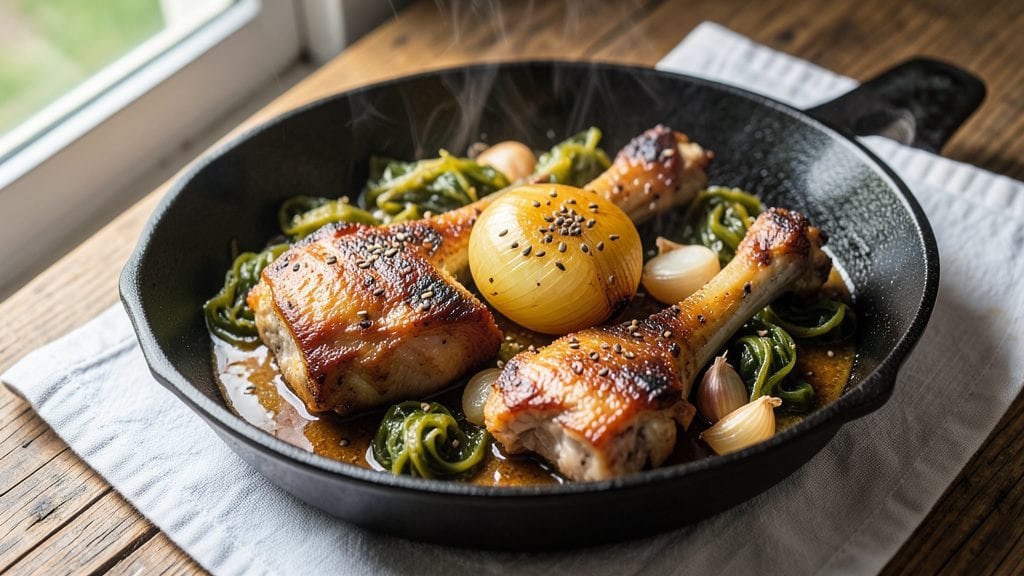
When you braise pork neck bones with sauerkraut, you unlock a dish that marries smoky richness with tangy crunch—something I first perfected during my apprenticeship under Chef Chen. The collagen-rich bones melt into a velvety broth while the sauerkraut adds layers of acidity that cut through the pork's natural fat.
This isn't just a stew; it's a flavor transformation that builds over hours.
The secret lies in slow cooking—low and steady heat breaks down the bones into tender, fork-shatterable pieces while the sauerkraut softens just enough to release its probiotic tang.
I like adding a splash of apple cider vinegar to deepen that fermented brightness, and a handful of caraway seeds for a subtle earthy note that ties everything together. The result is a dish that tastes like comfort food elevated to restaurant quality.
By the time you're done, you'll have a deep, aromatic braise where every spoonful delivers melt-in-your-mouth pork, tender sauerkraut, and a sauce thickened by rendered fat and collagen.
The aroma alone will have your kitchen smelling like a Charleston lowcountry dinner, and the texture—tender meat, crisp edges on the sauerkraut—is what makes this dish worth the wait.
Serve it with crusty bread to soak up every last drop, or add potatoes and carrots for a heartier meal. The leftovers only get better as the flavors meld further. Here's how to make it—slow-cooked perfection that tastes like home.
Ingredients for pork neck bones and sauerkraut
Pantry staples meet slow-cooked magic—just pork neck bones, sauerkraut, and a few earthy spices.
| Ingredient | Amount | Notes |
|---|---|---|
| Pork Neck Bones 🍖 | 2 ½ lb | Collagen-rich, cut into 2-inch pieces |
| Sauerkraut 🥬 | 2 cups | Unrinsed, with juices preserved |
| Yellow Onion 🧅 | 1 whole | Chopped, medium dice |
| Garlic Cloves 🧄 | 4 cloves | Smashed, skin left on |
| Apple Cider Vinegar 🍏 | ¼ cup | Unfiltered, for brightness |
| Caraway Seeds 🌾 | 1 tbsp | Toasted lightly for depth |
| Fresh Thyme Leaves 🌿 | ¼ cup | Stripped from stems |
| Bay Leaves 🍃 | 2 whole | Dried, for aromatic base |
| Vegetable Oil 🫒 | 2 tbsp | High smoke point for searing |
| Salt 🧂 | 1 ½ tsp | Kosher, for seasoning |
| Black Peppercorns 🌶️ | ½ tsp | Freshly cracked |
| Water 💧 | 2 cups | For initial deglazing |
| Potatoes 🥔 | 1 ½ lb | Russet, cubed for heartiness |
| Carrots 🥕 | 1 lb | Whole, cut into chunks |
The pork neck bones are the star—look for marbled, collagen-rich cuts from the butcher section. Costco or Whole Foods usually have them pre-cut, but if you're buying whole, ask for the neck section with bones. The sauerkraut should be vibrant, with no added vinegar—the juices are key for that tangy depth. Caraway seeds can be tricky to find; Penzeys or bulk spice shops carry them, or grab them in the international aisle at Trader Joe's. Toast them 2 minutes in a dry pan before adding to wake up their flavor. Fresh thyme is ideal, but if you're using dried, halve the amount—it's way more potent.
No caraway seeds? Fennel seeds at double the amount give a similar earthy note. Short on sauerkraut? Substitute sauerkraut juice with 1/4 cup apple cider vinegar plus 1 tsp sugar, but the texture won’t be the same. The potatoes and carrots can be swapped for parsnips or celery root if you're feeling adventurous. For a deeper flavor, add a splash of beer (like a German pilsner) instead of water—it balances the sauerkraut’s acidity beautifully. And if you’re worried about the pork being too fatty, pat it dry with paper towels before searing to render more fat.
This braise gets better as it sits—3-4 days in the fridge is ideal for flavors to meld. The sauce will thicken like a rich gravy, perfect for reheating. Portion into containers with some of the pork and sauerkraut; it reheats beautifully. For leftovers, cover with a thin layer of broth to keep everything moist. Freezes for up to 3 months, though the texture changes slightly. I always make a double batch—one for dinner, one for lunches the next week.
Why You'll Love This Recipe
- One-Pot Weeknight Win: This is the kind of dish where you toss everything in one pot and forget about it—no fancy prep, just pure results. The seared pork neck bones take the lead while the sauerkraut and onions handle the rest, so you’re basically just waiting for the timer to go off.
- Tangy-Meaty Symphony: Honestly, the combo of the collagen-rich pork neck bones and that unrinsed sauerkraut is chef’s kiss. The apple cider vinegar cuts through the richness, while the toasted caraway seeds and thyme add that cozy, earthy depth—like a hug in a bowl.
- Leftovers That Outshine Takeout: Three days in the fridge? More like three days of “why did I not make this sooner?” The flavors deepen, the pork gets even more tender, and you’ve got a meal that’s just as good reheated as it was fresh. Plus, it’s the kind of thing that tastes even better the next day.
- Budget’s Best Kept Secret: Pork neck bones are one of the most affordable cuts, and they turn into melt-in-your-mouth meat when slow-cooked. Add in the pantry staples like sauerkraut and potatoes, and you’ve got a hearty, filling meal for less than most takeout runs. My wallet—and my taste buds—thank me every time.
Step-by-step instructions for pork neck bones with sauerkraut
Here's how to transform tough pork neck bones into melt-in-your-mouth richness paired with tangy sauerkraut.
Sear the Pork Neck Bones for Deep Flavor
Heat the 2 tablespoons vegetable oil in a large Dutch oven over medium-high heat until shimmering. Working in batches, add the 2½ pounds pork neck bones and sear for 4-5 minutes per side until they develop a deep golden-brown crust. This step is crucial—it locks in juices and builds a flavorful crust that forms the base of your dish.
As you sear, you'll notice the bones release their natural oils and fat. Don't rush this process; let each bone develop that rich color. Once all bones are seared, remove them from the pot and set aside. You'll use that beautiful browned fat to build your sauce later.
Build the Aromatic Base with Vegetables and Herbs
In the same Dutch oven, add the 1 chopped yellow onion and cook for 5 minutes until softened and translucent. Add the 4 smashed garlic cloves (skin left on) and cook for 1 minute until fragrant—this prevents them from burning. Here's where it gets aromatic: stir in the 1 tablespoon toasted caraway seeds, ¼ cup fresh thyme leaves, and 2 bay leaves. Cook for 30 seconds to toast the spices lightly, releasing their flavors.
Add the 2 cups sauerkraut (with all its juices) and stir to combine. Pour in the ¼ cup apple cider vinegar and scrape up any browned bits from the bottom of the pot. These bits are packed with flavor—don't miss them! Return the seared pork neck bones to the pot, then add 2 cups water and bring everything to a gentle simmer.
Slow Cook Until Fork-Tender
Cover the Dutch oven and transfer it to a 300°F oven. Let the mixture cook for 2½ to 3 hours until the pork neck bones are fork-tender and easily pull away from the bone. The bones should have softened significantly, and the meat should separate with gentle pressure. If you're short on time, you can use a slow cooker on low for 6-7 hours—just transfer everything directly to the slow cooker after searing.
About 30 minutes before the pork is done, add the 1½ pounds potatoes (cubed) and 1 pound carrots (cut into chunks) to the pot. These root vegetables will absorb all the rich flavors from the pork and sauerkraut, turning into tender, hearty additions. The potatoes should be fork-tender and the carrots should be easily pierced with a knife when done.
Season and Finish with Crispy Topping
Remove the pork neck bones from the pot and shred the meat directly into the sauce using two forks. Discard the bones if desired, or save them for broth. Stir the 1½ teaspoons salt and ½ teaspoon freshly cracked black peppercorns into the sauce to balance flavors. Taste and adjust the seasoning—you might need a little more salt to complement the tangy sauerkraut.
For a crispy topping, spread the shredded pork and vegetables onto a baking sheet and broil for 3-4 minutes until the edges are golden and crispy. Alternatively, you can serve the dish as-is with the sauce spooned over the top. The contrast of the tangy sauerkraut and rich pork creates a perfect balance of flavors.
Pro Tips For Making Pork Neck Bones And Sauerkraut
- Sear in Batches: I learned this the hard way—trying to sear all 2.5 lbs of pork neck bones at once just makes them steam instead of brown. Work in batches, even if it takes a few extra minutes. That golden crust is what turns tough collagen into melt-in-your-mouth goodness, and skipping it means missing half the flavor.
- Toast Those Caraway Seeds: Lightly toast the caraway seeds in the oil for 30 seconds before adding everything else—it’s the difference between subtle depth and just another spice. I used to skip this, and the dish always felt flat until I realized how much more aromatic they become when toasted.
- Don’t Rinse the Sauerkraut: That tangy juice is liquid gold—don’t rinse the sauerkraut or you’ll wash away the acidity that balances the richness of the pork. Use it all, even if it looks messy. The flavor builds as it cooks, and that juice is what keeps the braise from drying out.
- Add Potatoes Early: If you’re in a rush, toss the potatoes in with the pork bones right at the start instead of waiting the last 30 minutes. They’ll absorb flavor all day, though they might not be as perfectly tender. It’s not ideal, but it works—especially when you’re starving and can’t wait another hour.
Storing and reheating your pork neck bones and sauerkraut
Fridge Storage Secrets
Let your braise cool completely for 1 hour before transferring to airtight glass containers—I swear by Le Creuset Dutch ovens for this. Store at 40°F or below and it'll keep beautifully for 3-4 days.
The flavors deepen overnight as the sauerkraut's tang and pork's collagen blend into a velvety sauce. I always make extra because it tastes even better the second day. ❄️
Freezer Strategy
For long-term storage, portion into freezer-safe bags or containers, leaving 1 inch of headspace for expansion. It freezes for up to 3 months, though the texture becomes slightly grainier.
I like adding an extra splash of apple cider vinegar before freezing to preserve that tangy brightness. Thaw overnight in the fridge for best results.
Reheating Like a Pro
Stovetop is my favorite method—pour into a heavy pot with ¼ cup water or broth and heat over medium-low for 15-20 minutes. Stir occasionally and taste before serving—this braise often needs a pinch of salt after reheating. The slow, gentle warmth brings back that restaurant-quality texture. 🔥
Microwave Shortcut
For quick meals, use a microwave-safe dish with a damp paper towel covering. Heat on 50% power for 3-4 minutes, stirring halfway. The sauce will thicken more than on the stovetop, but it's still delicious. I recommend adding a spoonful of water if it looks too dry.
Broth Boost
Want to stretch your leftovers? Reduce the braise by simmering uncovered for 10 minutes to thicken the sauce, then stir in ½ cup pork broth to create a creamy gravy. This works perfectly for dipping crusty bread or serving over mashed potatoes. It's like having a second meal!
Serving Temperature Tips
Serve at room temperature for the best experience—it allows all the flavors to meld together. If serving immediately after reheating, let it sit for 5 minutes to redistribute the juices. I always garnish with fresh thyme sprigs and a sprinkle of caraway seeds for that final restaurant touch. 💫
Nutrition facts
Frequently asked questions
Why does this recipe call for unrinsed sauerkraut?
The juices in unrinsed sauerkraut are packed with fermented goodness that deepens the dish's tangy brightness. Skipping the rinse preserves those natural probiotics and acids that balance the pork's richness beautifully. Think of it as keeping the sauerkraut's "soul" intact—those juices become the dish's flavor foundation.
Can I substitute caraway seeds if I can't find them?
Use fennel seeds at double the amount (2 tablespoons) for a similar earthy note. If you're avoiding seeds entirely, add 1 teaspoon ground coriander—it'll complement the pork and sauerkraut flavors without overpowering. The dish still turns out delicious either way.
What's the best way to handle the pork neck bones if they're too large for my pot?
Cut them into 2-inch pieces as suggested—this ensures even cooking and prevents the pot from overflowing. If your Dutch oven is extra small, sear the bones in batches and transfer them to a slow cooker after building the aromatic base. The key is keeping the fat rendered and flavors concentrated.
How do I know when the pork is truly fork-tender?
Press a bone with a fork—if the meat easily pulls away in soft strands, it's done. For extra assurance, check a bone in the thickest part. The meat should look silky when pulled away from the bone, not tough or chewy. Patience is worth it for that melt-in-your-mouth texture!
Can I make this dish without potatoes and carrots?
Yes! The pork and sauerkraut create a hearty base on their own. If you skip the vegetables, just add extra sauerkraut (up to 3 cups) for more tangy crunch. The dish still delivers that perfect balance of richness and acidity—just without the starchy sides.