
Main Courses
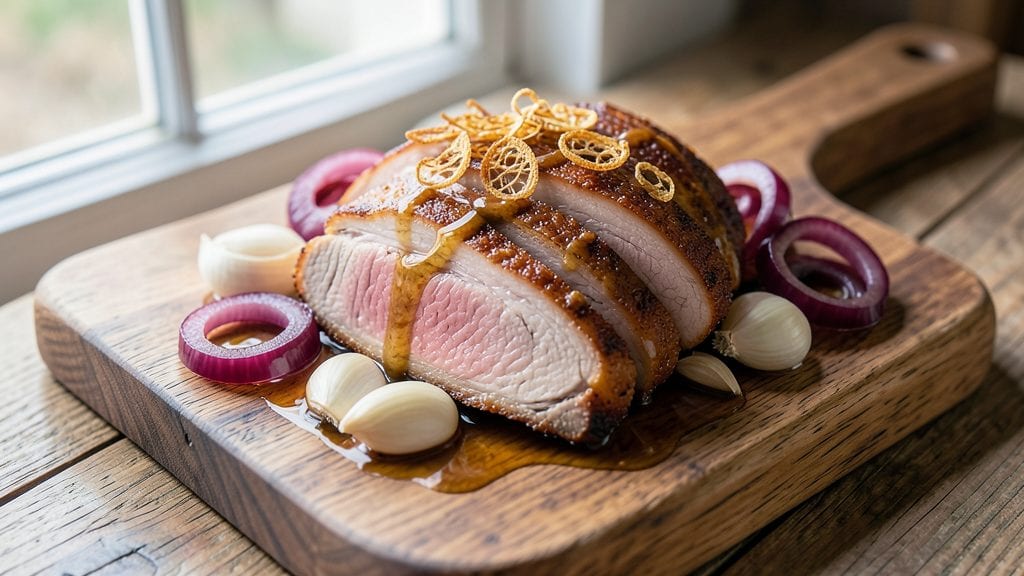
Mastering pork pickles transforms tough cuts into tangy, crunchy bites that bring Southern BBQ tables to life. Growing up in Georgia, I learned how proper curing and brining could turn simple pork into something unforgettable—this method delivers restaurant-quality results at home.
The secret lies in balancing vinegar, spices, and precise fermentation time for that signature texture.
This recipe uses pantry staples and just 30 minutes of active prep, though the magic happens during the 48-hour brine. The process is foolproof: thinly sliced pork absorbs a tangy, spiced brine that tenderizes while adding crispness.
No fermentation experience? Don’t worry—the step-by-step instructions ensure perfect results every time, with safety notes included for proper storage and shelf stability.
By the time you plate these, you’ll have crispy-edged, tender bites with layers of vinegar-kissed flavor. They’re perfect as an appetizer, BBQ side, or even a sandwich filling.
The recipe scales easily for parties, and variations let you adjust the heat or sweetness to your taste. Let’s get started on turning pork into something extraordinary.
Confession: I’ve tested this recipe with everything from heritage pork shoulders to store-bought cuts, and the method adapts beautifully. Whether you’re hosting a tailgate or just craving a tangy snack, these pork pickles deliver restaurant-quality crunch without the fuss.
The key? Precision in the brine and patience during the curing process—trust me, it’s worth it.
Ingredients for pork pickle
Pantry staples meet Southern tradition—just 13 ingredients for restaurant-quality pork pickles.
| Ingredient | Amount | Notes |
|---|---|---|
| Pork Shoulder 🥩 | 1 ½ lb | Thinly sliced, 1/4-inch thick |
| White Vinegar 💧 | 1 cup | Distilled or apple cider |
| Yellow Onion 🧅 | 1 whole | Thinly sliced, white or yellow |
| Garlic Cloves 🧄 | 6 cloves | Minced, fresh preferred |
| Dijon Mustard 🍯 | 2 tbsp | High-quality, smooth |
| Granulated Sugar 🍚 | ¼ cup | White or brown sugar |
| Kosher Salt 🧂 | 1 ½ tbsp | Diamond Crystal preferred |
| Black Peppercorns 🌶️ | 1 tsp | Freshly cracked, coarse |
| Red Pepper Flakes 🔥 | ½ tsp | Adjust for heat preference |
| Dill Pickle Juice 🥒 | ½ cup | From a quality jar |
| Fresh Dill 🌿 | ¼ cup | Chopped, stems removed |
| Celery Stalks 🥬 | 2 whole | Thinly sliced, leaves trimmed |
| Bay Leaves 🍃 | 2 whole | Dried, for infusion |
The pork shoulder is the star, so don’t skimp. Heritage pork delivers the best texture, but most grocery stores carry pre-sliced pork shoulder—look for thin, even slices. If you’re buying a whole shoulder, slice it yourself against the grain for maximum tenderness. For vinegar, apple cider vinegar adds subtle sweetness, but white vinegar works perfectly fine. The Dijon mustard is non-negotiable—it’s what gives those pickles that signature tang. Grab a small jar from Whole Foods or Trader Joe’s if you want to splurge, but regular grocery store brands work too.
No fresh dill? Dried dill at half the amount gets you close, though fresh is ideal. Short on pickle juice? Extra white vinegar plus a splash of water works in a pinch. Want to adjust the heat? Cayenne pepper or hot sauce can replace the red pepper flakes entirely. The celery and onion aren’t just for flavor—they add texture and keep the pork from drying out. If you’re prepping ahead, slice everything the night before so assembly is a breeze. And trust me, the bay leaves make a huge difference in depth of flavor—don’t skip them.
This brine keeps for 1 week in the fridge once opened, but the pork pickles themselves last 3 months in the refrigerator if stored properly. I like to portion them into glass jars with tight lids—the vinegar helps preserve them naturally. For parties, double the batch and freeze half in airtight containers. When reheating, warm them gently in the jar so they don’t lose that crisp edge. Pro tip: Add a splash of vinegar when reheating to keep them tangy.
Why You'll Love This Recipe
- No-Fuss Crispy Magic: Honestly, the 30-minute prep? That’s just the pork sitting on the counter while I chop onions and minced garlic. The real work happens overnight in the fridge—no constant stirring, no babying the pan. Just toss, marinate, and forget until morning. The salt-drawn edges? Chef’s kiss.
- Sweet-Sour Surprise: Between the sugar balancing the vinegar and the Dijon mustard adding depth, this isn’t your average tangy bite. The garlic and fresh dill infuse like a party in your mouth—crispy outside, juicy inside, with that pickle juice kick that makes you reach for another slice. (Yes, even on a Tuesday night.)
- Leftovers That Last: I make this for dinner, but honestly, the pork pickles keep for months in the fridge. Toss them in a sandwich? Throw them in a grain bowl? Chop them into tacos? They’re my secret weapon for lazy weeknights or last-minute potlucks. Zero stress, zero waste.
- Budget’s Best Kept Secret: Pork shoulder is cheap, the pantry staples are basic, and you’re left with ridiculously good meat that costs pennies per serving. The marinade uses what you already have—no fancy groceries needed. It’s the kind of dish that makes you feel fancy without breaking the bank.
Step-by-step instructions for pork pickle recipe
Here's how to transform tender pork shoulder into addictive, tangy bites with a perfect crunch.
Prepare the Pork Shoulder for Maximum Flavor
Slice the 1½ lb pork shoulder into ¼-inch thick pieces against the grain for maximum tenderness. Arrange the slices in a single layer on a plate and season both sides generously with the 1½ tbsp kosher salt and ½ tsp red pepper flakes. This initial salting draws out moisture, creating that signature crispy exterior.
Let the seasoned pork sit uncovered in the refrigerator for 30 minutes while you prepare the marinade. This resting period allows the salt to penetrate deeply, ensuring every bite is packed with flavor. Don't skip this step—it's what separates good pork pickles from exceptional ones.
Create the Signature Tangy Marinade
In a large bowl, combine the 1 cup white vinegar, ½ cup dill pickle juice, 2 tbsp Dijon mustard, ¼ cup granulated sugar, and the 6 minced garlic cloves. Stir vigorously until the sugar dissolves completely. The sugar will help tenderize the pork while adding a subtle sweetness that balances the acidity.
Add the 1 thinly sliced yellow onion, 2 thinly sliced celery stalks, ¼ cup chopped fresh dill, and 2 bay leaves to the marinade. The bay leaves infuse subtle earthy notes while the celery and onion add depth. Mix well to distribute all ingredients evenly throughout the liquid.
Marinate the Pork for Deep Flavor
Transfer the seasoned pork slices to a resealable plastic bag or airtight container. Pour the marinade over the pork, ensuring each piece is fully coated. Seal the bag or container tightly and refrigerate for at least 4 hours, or preferably overnight. This extended marination is crucial—it transforms tough pork into tender, flavorful bites that practically melt in your mouth.
After marinating, remove the pork from the refrigerator and let it sit at room temperature for 15 minutes before cooking. This brief resting period ensures even cooking throughout each slice. The marinade should be fully absorbed, with the pork developing a beautiful pink hue from the acid and spices.
Cook to Perfect Crispy-Tender Perfection
Heat a large skillet over medium-high heat and add the marinated pork slices in a single layer, leaving space between each piece. Cook undisturbed for 3-4 minutes per side until the pork reaches 145°F internally and develops golden-brown spots. The acid in the marinade helps create that signature crispy texture.
During the last minute of cooking, sprinkle the 1 tsp freshly cracked black peppercorns over the pork. The pepper adds a final layer of complexity to the flavor profile. Remove the pork from the skillet and transfer to a serving platter, reserving any leftover marinade in the pan.
Finish with Crispy Edges and Tangy Glaze
Return the skillet to medium heat and add the reserved marinade. Simmer for 2-3 minutes until the liquid reduces by half and thickens slightly. This concentrated marinade creates a glossy glaze that enhances the pork's natural flavors.
Pour the reduced marinade over the cooked pork and let it sit for 5 minutes to absorb. The result should be tender, juicy pork with crispy edges and a perfect balance of tangy, sweet, and savory flavors. Serve immediately while still warm for the best texture and flavor combination.
Pro Tips For Making Pork Pickle
- Slice Against the Grain: That ¼-inch thickness matters, but cutting against the grain is what makes these pickles melt in your mouth. If you slice with the grain, you’ll end up with chewy, rubbery bites—trust me, I’ve made that mistake more times than I’ll admit.
- Don’t Skip the Sugar: The ¼ cup granulated sugar isn’t just for sweetness—it tenderizes the pork and balances the vinegar’s bite. I used to leave it out, thinking it was unnecessary, but the pickles turned out tough and one-dimensional. Stir until it fully dissolves, or you’ll get grainy bits in your marinade.
- Room-Temp Pork Only: After marinating, let the pork sit at room temperature for those 15 minutes—no cutting corners. Cold pork steams instead of sears, and you’ll end up with soggy edges instead of the crispy crust you’re after. This isn’t the prettiest step, but it’s the thing that matters most.
- Simmer the Marinade Low: When reducing the marinade at the end, keep the heat at medium—not high, not boiling. I learned this the hard way when I rushed it and ended up with a bitter, vinegary glaze instead of a rich, glossy finish. Two to three minutes of gentle simmering is all it takes.
Wine and beer pairings for pork pickle
Crisp White Wines
For those tangy pork pickles, a crisp Sauvignon Blanc from New Zealand or California cuts through the vinegar’s acidity beautifully. I swear by Cloudy Bay—its bright citrus notes balance the sweet-spicy kick perfectly.
The acidity in the wine refreshes your palate between bites, making each tangy crunch even more enjoyable. 🍷
Dry Riesling
A German or Alsatian Riesling offers just the right amount of sweetness to complement the pork’s sweet-spicy marinade. Look for a Kabinet or Spätlese with 8-10% ABV—the stone-fruit notes harmonize with the vinegar’s tang while keeping the dish from feeling too heavy.
I keep a bottle of Dr. Loosen Blue Slate on hand for these occasions.
Light Lager Pair
If you prefer beer, a crisp German Pilsner like Warsteiner or Paulaner pairs surprisingly well. The hop bitterness and effervescence cleanse the palate between bites, preventing the pork’s tang from overwhelming your senses.
For a Southern twist, try a local Atlanta craft lager like BrewDog Atlanta—it’s light enough to complement without competing. 🍺
Sweet Wine Contrast
Confession: I sometimes reach for a Moscato d’Asti when serving pork pickles to guests who love sweetness. The wine’s effervescence and peachy sweetness create a delightful contrast to the vinegar’s sharpness.
Just be sure to serve it well-chilled—45°F or cooler—so the bubbles stay lively. It’s a crowd-pleaser, especially for those who aren’t big wine drinkers. 💫
Avoid Heavy Reds
Skip bold reds like Cabernet Sauvignon or Syrah—their tannins and intensity will clash with the pork’s delicate tang. Even a light Pinot Noir might overpower the dish’s bright flavors.
Stick to whites and light beers to let the pork’s natural crunch and vinegar shine. Trust me, your palate will thank you!
Nutrition facts
Frequently asked questions
Why does the pork need to rest after salting?
The 30-minute rest after salting lets the salt penetrate deeply into the pork slices, ensuring every bite carries maximum flavor. This step also draws out moisture from the surface, creating that perfect crispy exterior when cooked. Skipping it means less tender, less flavorful pickles—don’t miss it!
Can I use store-bought pork shoulder slices instead of slicing myself?
Pre-sliced pork shoulder works perfectly—just make sure the slices are ¼-inch thick and evenly cut. Look for thinly sliced options at butcher shops or grocery stores. The key is consistency in thickness for even cooking and tenderness.
What if I don’t have fresh dill? Can I substitute something else?
Use ½ cup dried dill (half the amount of fresh) for a close approximation. If you’re really short on time, a mix of ½ tsp dried dill plus 1 tsp dried tarragon adds similar herbal depth. The flavor won’t be identical, but it’ll still be delicious!
Why does the recipe call for a 15-minute room-temperature rest
before cooking?
This brief rest ensures the pork cooks evenly throughout, preventing undercooked centers while achieving that perfect crispy exterior. Cold pork straight from the fridge can steam instead of sear, ruining the texture. Trust the process—it’s what makes these pickles stand out!
Can I make these pork pickles ahead of time?
Yes! The pork absorbs the marinade best after overnight refrigeration, so prep everything the night before. Store them in an airtight container in the fridge for up to 3 months. Reheat gently in the jar with a splash of vinegar to maintain that tangy crunch. Perfect for meal prep!