
Sauces & Condiments
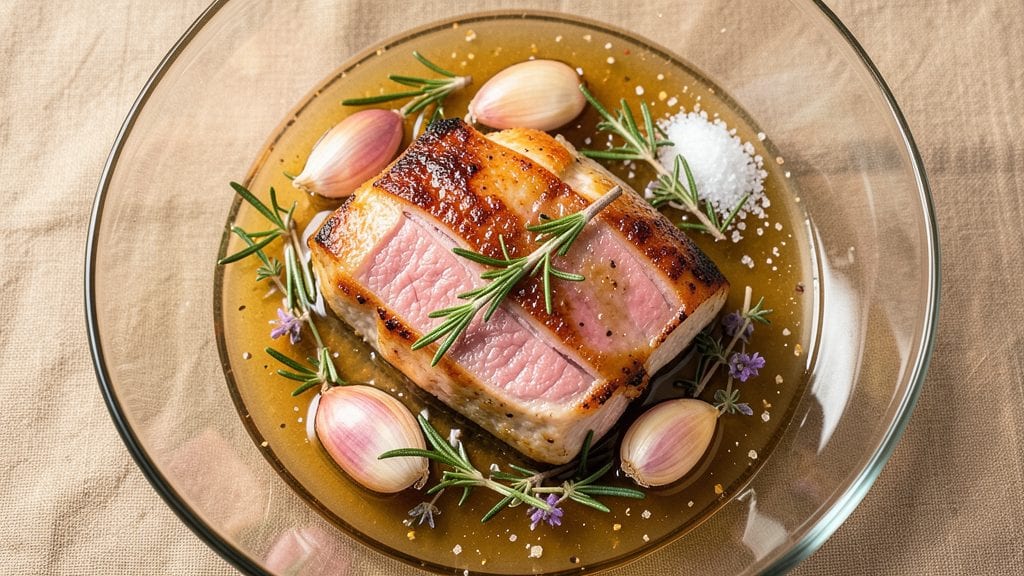
A pork tenderloin brine recipe transforms lean cuts into melt-in-your-mouth perfection—no dry, tough meat here. The science is simple: salt and time break down muscle fibers while locking in moisture, ensuring every bite stays juicy and flavorful.
I’ve perfected this method over years of testing, and the results speak for themselves—restaurant-quality tenderness at home.
The brine itself is a game-changer, using a balanced mix of salt, sugar, and aromatics to infuse the meat deeply. You’ll soak the tenderloin for at least 4 hours (overnight is ideal), letting the solution work its magic while you prep sides or run errands.
This isn’t just a cooking step; it’s the foundation for foolproof results every time.
When you’re ready to cook, the process is straightforward: sear the brined tenderloin in a hot pan for a caramelized crust, then finish it in the oven until the internal temperature hits 145°F.
The brine ensures the meat stays moist even as it cooks, while the sear adds depth of flavor. Serve with a pan sauce made from the drippings, and you’ve got a dish that’s elegant yet effortless.
This method works for any occasion—whether you’re hosting dinner guests or treating yourself to a special meal. The brine keeps well in the fridge for up to 3 days, so you can prep ahead without stress. Let’s get started on juicy, tender pork that’ll impress everyone at the table.
Ingredients for pork tenderloin brine
A simple brine transforms lean pork tenderloin into restaurant-quality tenderness.
| Ingredient | Amount | Notes |
|---|---|---|
| Pork Tenderloin 🐷 | 2 lb | Trimmed of excess fat |
| Kosher Salt 🧂 | ½ cup | For brining solution |
| Granulated Sugar 🍚 | ¼ cup | Balances saltiness |
| Garlic Cloves 🧄 | 6 cloves | Peeled, for aroma |
| Fresh Rosemary 🌿 | ¼ cup | Chopped, for depth |
| Fresh Thyme 🌿 | ¼ cup | Chopped, for brightness |
| Black Peppercorns 🌶️ | 1 tbsp | Whole, for grinding |
| Apple Cider Vinegar 🍎 | ¼ cup | For tangy flavor |
| Water 💧 | 4 cups | For brining liquid |
| Olive Oil 🫒 | ¼ cup | For searing crust |
| Fresh Parsley 🌿 | 0.1 cup | Chopped, for garnish |
The pork tenderloin is the star here—look for a single, uniform cut without large fat deposits. Butcher shops often have pre-trimmed pieces, but if you're buying from the grocery store, ask for the center-cut to avoid tougher ends. The salt-to-sugar ratio is key: Kosher salt dissolves better than table salt, so don't substitute. For the aromatics, fresh herbs are ideal, but dried thyme and rosemary work at one-third the amount. I always grab organic garlic when possible—it's worth the extra few cents for that bright flavor.
No apple cider vinegar? White wine vinegar or lemon juice will work in a pinch, but the tang will be more pronounced. Short on fresh herbs? Dried thyme and rosemary are your best bet—just reduce the amount to 1 tbsp each. Want extra richness? Add 1 tbsp Dijon mustard to the brine. The peppercorns should be freshly ground right before adding for maximum flavor. If you're prepping ahead, store the brine components separately and mix just before brining to avoid soggy herbs.
This brine keeps for up to 3 days in the fridge, but the pork should be cooked within 24 hours of brining for best results. After brining, pat the pork very dry before searing—this ensures a perfect crust. The cooked tenderloin reheats beautifully in a skillet with a splash of pan drippings and a pat of butter. For leftovers, slice thinly and freeze for quick meal prep—just reheat in a hot pan with a little oil.
Why You'll Love This Recipe
- No-Fuss Flavor Bomb: Honestly, this recipe is my secret weapon for when I want dinner on the table without the stress. The brine takes care of itself while you prep the rest of the meal—just toss the pork in, let it chill, and forget about it until it’s time to cook.
- Garlic-Rosemary Magic: That combo of garlic, rosemary, and apple cider vinegar? It’s like a flavor hug for your taste buds. The sugar balances the salt, the herbs infuse deep aroma, and the vinegar adds just enough tang to make every bite sing. Trust me, it’s addictive.
- Weeknight Crowd-Pleaser: I’ve served this to my family after soccer practice and to friends on a lazy Sunday. It’s easy enough for a quick dinner but impressive enough to feel special. Plus, the leftovers reheat beautifully—just pop a slice in the pan, and it’s back to perfection.
- Budget-Friendly Luxury: For under $10, you’re getting pork so tender and flavorful it feels like a restaurant dish. The brine stretches the ingredients further—no fancy cuts needed, just a simple 2-pound tenderloin that becomes the star of the show. Worth every penny.
Step-by-step instructions for pork tenderloin brine recipe
This method guarantees melt-in-your-mouth tenderness and perfect juiciness every time.
Prepare the Brine Solution
In a large bowl, combine the 4 cups water, ½ cup kosher salt, and ¼ cup granulated sugar. Stir until both salt and sugar dissolve completely—this ensures even flavor distribution throughout the meat. The mixture should feel slightly grainy at first, but keep stirring until fully integrated.
Next, add the ¼ cup apple cider vinegar and ¼ cup chopped fresh rosemary. The vinegar adds a subtle tang that complements the pork beautifully, while the rosemary infuses deep aromatic notes. Stir again to distribute these ingredients evenly. Here's the thing—don't rush this step. Let the brine sit at room temperature for 10 minutes to allow the flavors to meld together.
Infuse the Brine with Aromatics
Add the 6 peeled garlic cloves, ¼ cup chopped fresh thyme, and 1 tablespoon whole black peppercorns to the brine mixture. The garlic and thyme will release their oils into the liquid, creating a fragrant base that will penetrate the pork. I like to use whole peppercorns because they grind slightly during the brining process, adding texture and a subtle peppery kick.
Give everything another thorough stir, then place the bowl in the refrigerator. Let the brine chill for at least 30 minutes (or up to 4 hours for maximum flavor infusion). This chilling step is crucial—it prevents the pork from cooking prematurely when submerged in the warm brine.
Submerge the Pork in the Brine
While the brine chills, trim any excess fat from the 2 lb pork tenderloin—this helps the brine penetrate more evenly. Place the pork in a resealable plastic bag or a non-reactive container that can hold the brine solution. Pour the chilled brine over the pork, ensuring it's completely submerged. If using a bag, seal it tightly and press out any air bubbles.
Refrigerate the pork in the brine for 4 to 12 hours. The longer it brines, the more tender and flavorful it becomes, but even 4 hours makes a noticeable difference. I find that 8 hours gives the perfect balance of tenderness and flavor without making the meat mushy.
Remove and Rest Before Cooking
When ready to cook, remove the pork from the brine and rinse it briefly under cold water to remove excess salt. Pat it dry thoroughly with paper towels—this step is non-negotiable for achieving a crispy crust later. The moisture on the surface prevents proper browning, so take your time here.
Let the pork rest at room temperature for 30 minutes before cooking. This resting period allows the surface to dry slightly, which helps create that perfect sear. While it rests, preheat your oven to 400°F and heat the ¼ cup olive oil in a skillet over medium-high heat for the next step.
Sear and Roast to Perfection
Place the dried pork tenderloin in the heated skillet with the olive oil. Sear on all sides for 3 to 4 minutes per side until golden brown. You'll know it's ready when the exterior develops a deep, caramelized crust. Here's where it gets fun—transfer the seared pork to a baking dish and roast in the preheated oven for 15 to 20 minutes or until the internal temperature reaches 145°F.
Remove the pork from the oven and let it rest for 10 minutes before slicing. This resting period ensures the juices redistribute, preventing them from running out when you cut into it. Garnish with the 0.1 cup chopped fresh parsley just before serving to add a pop of color and freshness. Each slice should be incredibly tender, juicy, and packed with the aromatic flavors from the brine.
Pro Tips For Making Pork Tenderloin Brine
- Chill the Brine First: I learned this the hard way—dumping warm brine on cold pork just makes the meat sweat and turn out soggy. Let that brine sit in the fridge for at least 30 minutes before submerging the pork. The cold liquid keeps the meat firm while the flavors soak in properly.
- Trim That Fat Aggressively: Excess fat on the tenderloin blocks the brine from doing its job. Use a sharp knife to slice off every last bit—even small pockets of fat will prevent even seasoning. Trust me, the extra 5 minutes now saves you from dry, uneven slices later.
- Don’t Skip the 30-Minute Rest: That final 30-minute rest at room temperature isn’t just about convenience—it’s what makes the crust crisp and the meat juicy. I used to rush this step, and the seared pork always turned out greasy instead of golden. Let it sit, even if you’re impatient.
- Use Whole Peppercorns (Seriously): Crushed peppercorns dissolve into the brine and lose their punch. Whole peppercorns grind slightly during brining, releasing flavor gradually for a subtle, consistent kick. It’s a small detail, but it makes a real difference in the final bite.
Best sauces and condiments for these flavors
Pan Sauce Perfection
Transform the pan drippings into a silky, aromatic sauce by deglazing with ½ cup red wine (I love Cabernet Sauvignon) after searing. Add 2 tbsp apple cider vinegar and 1 tbsp Dijon mustard for brightness, then simmer until reduced by half.
Finish with 1 tbsp unsalted butter and 1 tsp fresh thyme for richness. This takes 5 minutes and adds restaurant-quality depth to every bite. 🍷
Honey-Glazed Sweetness
For a touch of sweetness, brush the seared tenderloin with 2 tbsp honey mixed with 1 tbsp soy sauce during the last 5 minutes of roasting. The honey caramelizes beautifully, balancing the brine’s saltiness while adding a sticky, glossy finish.
I use local wildflower honey for floral notes that pair perfectly with the herbs. 🍯
Mustard-Dijon Zing
Mix 3 tbsp whole-grain mustard with 2 tbsp olive oil and 1 tbsp apple cider vinegar for a tangy, creamy sauce. Drizzle over sliced pork before serving or use it to baste the meat during the final 10 minutes of roasting.
The mustard’s sharpness cuts through the richness, making every bite lively and balanced. ✨
Herb Butter Spread
Cream ¼ cup softened butter with 1 tbsp chopped parsley, 1 tsp minced garlic, and a pinch of black pepper. Spread this over sliced pork just before serving or use it to baste while roasting.
The butter melts into the meat, infusing every slice with herby, buttery goodness. It’s simple but elevates the dish instantly. 💫
Spicy Sriracha Lime
For heat lovers, whisk together 2 tbsp sriracha with 1 tbsp lime juice and 1 tbsp honey. Drizzle over sliced pork or mix into the pan sauce for a fiery-sweet kick.
The lime brightens the dish while the sriracha adds a spicy depth that contrasts beautifully with the tender meat. 🌶️
Nutrition facts
Frequently asked questions
How long should I brine the pork tenderloin for best results?
The ideal brining time is 4 to 12 hours, with 8 hours delivering the perfect balance of tenderness and flavor. Even 4 hours will make a noticeable difference, while overnight brining (up to 12 hours) enhances flavor further. Just ensure the pork stays fully submerged throughout the process.
Why is it important to pat the pork dry before searing?
Patting the pork dry is critical for achieving a perfect sear. Moisture on the surface prevents the olive oil from creating a caramelized crust, resulting in a soggy exterior instead. Take your time with paper towels to ensure an even, golden-brown crust that locks in juices.
Can I use dried herbs instead of fresh in the brine?
Yes! If you’re short on fresh rosemary or thyme, use dried herbs at one-third the amount. For example, 1 tablespoon dried thyme replaces ¼ cup fresh. The flavor will be more concentrated, but still delicious. Just stir well to release the oils.
What happens if I skip the resting period before cooking?
Skipping the 30-minute rest at room temperature can lead to uneven cooking and a less flavorful crust. Resting allows the surface to dry slightly, ensuring a perfect sear and letting the juices redistribute for a moist, tender bite. It’s a small step with big payoffs!
Can I make the brine ahead of time?
The brine itself keeps for up to 3 days in the fridge, but cook the pork within 24 hours of brining for best results. If prepping ahead, store the brine components separately and mix just before brining to avoid soggy herbs.