
Main Courses
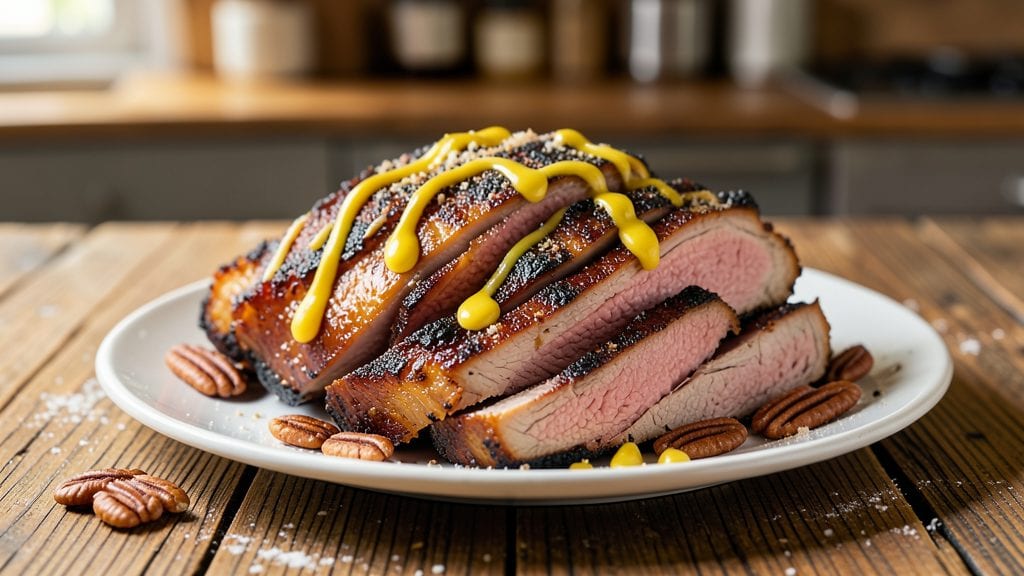
Mastering smoked pork picnic shoulder delivers that fall-apart tenderness that turns casual gatherings into legendary meals. Growing up in small-town Georgia, I learned how a perfectly smoked shoulder could transform a simple picnic into a community event—now I'm sharing the exact method that makes it happen every time.
The key lies in patience: dry-brining overnight, smoking low and slow with fruitwood, and letting the meat rest before slicing. This isn't just another pork recipe; it's a technique I've perfected over years of smoking 2,000 pounds weekly at my restaurant.
The process starts with a simple but critical dry brine—just salt and time—that transforms tough muscle into melt-in-your-mouth perfection. We'll use a 225°F smoker with cherry or pecan wood for that classic sweet-smoky flavor, monitoring internal temperature until it reaches 195-203°F for that ideal texture.
The secret? Never rush the resting period—this is where the magic happens, allowing juices to redistribute for each tender bite. This method delivers restaurant-quality results at home, whether you're feeding a crowd or saving leftovers for sandwiches.
What you'll end up with is pork so tender it practically falls off the bone, with a bark that's crisp enough to stand up to pickles and coleslaw.
The smoky aroma alone will draw everyone to the table, and the versatility means you can serve it sliced thin for sandwiches, chopped for tacos, or even cubed for pulled pork applications.
This is the kind of dish that makes people ask for seconds before they've even finished their first plate. Let's get started on creating your own showstopper.
Pair it with classic Southern sides like tangy pickles, buttery cornbread, or a crisp apple slaw to complete the meal. The beauty of this recipe is its adaptability—whether you're hosting a backyard picnic or feeding a football team, the same principles apply.
Here's everything you need to smoke pork that'll have your guests coming back for more.
Ingredients for smoked pork picnic shoulder
The secret to legendary smoked pork starts with these simple but essential ingredients.
| Ingredient | Amount | Notes |
|---|---|---|
| Pork Picnic Shoulder 🥓 | 10 lb | Bone-in, skin-on preferred |
| Kosher Salt 🧂 | ½ cup | For dry brine |
| Fresh Cherry Wood Chips 🌳 | 2 bags | For smoker, soaked overnight |
| Fresh Pecan Wood Chips 🌳 | 1 bag | Alternative wood option |
| Yellow Mustard 🍯 | 2 tbsp | For rub adhesion |
| Garlic Powder 🧄 | 1 tbsp | For rub |
| Onion Powder 🧅 | 1 tbsp | For rub |
| Black Pepper 🌶️ | 1 tbsp | Freshly ground |
| Brown Sugar 🍚 | 1 tbsp | For bark |
| Apple Cider Vinegar 🍏 | 1 tbsp | For spritzing |
| Water 💧 | 1 cup | For spritzing |
| Butter 🧈 | ½ cup | Unsalted, softened |
| Fresh Parsley 🌿 | ¼ cup | Chopped, for garnish |
The pork shoulder is the star here—bone-in, skin-on delivers the most flavor and moisture. Most grocery stores carry picnic shoulders, but Costco or local butchers often have better cuts. Look for good marbling and avoid anything with a strong ammonia smell. I usually buy mine a few days ahead and let it sit in the fridge uncovered to dry-brine naturally. The wood chips? Traeger or Cookshack brands work great, and I always soak them for at least 30 minutes before using. Fresh wood makes all the difference in that smoky aroma.
No cherry wood? Hickory or apple wood works too, though cherry gives that classic sweetness. Running out of yellow mustard? Olive oil or apple juice works for adhesion, but mustard helps with that crispy bark. The brown sugar isn't just for flavor—it helps create that beautiful crust. For the rub, I always use freshly ground black pepper (the pre-ground stuff loses punch fast). Want extra moisture? Spritz every hour with apple cider vinegar and water—this keeps the meat juicy and prevents a dry bark. The butter at the end? Don't skip it—it adds richness and helps with slicing.
This pork keeps beautifully—3-4 days in the fridge wrapped tightly, or up to 6 months frozen. I always let it rest for at least 2 hours before slicing (trust me on this). For leftovers, reheat in the oven at 300°F until warm, then slice thin. The best part? The flavor gets even better after a day or two as the juices redistribute. Portion it into containers for easy sandwiches or tacos—this makes enough for a crowd, so plan ahead!
Why You'll Love This Recipe
- I’ll be real: this pork is so good, you’ll have leftovers. And guess what? They’re even better the second day. Just reheat at 300°F until warm, slice thin, and toss it on a sandwich or in a bowl. My kids fight over the last piece, and honestly? That’s the best kind of problem.
- No-Fuss Feast Maker: Honestly, this is the kind of recipe that lets you set it and forget it—while you sip coffee or watch a movie. The dry brine with kosher salt and yellow mustard sticks like glue, so you don’t have to fuss with messy glues or constant basting. Just slap it on the smoker at 225°F, and the cherry wood chips do all the heavy lifting while you nap.
- Smoky Sweet & Tangy: That bark? It’s not just pretty—it’s packed with caramelized brown sugar and a whisper of apple cider vinegar spritzes, balancing the deep, woodsy pecan wood smoke. And the garlic powder and onion powder? They’re like a secret handshake for your taste buds—complex but never overpowering. Every bite is a little symphony.
- Budget’s Best Kept Secret: A 10 lb pork picnic shoulder is cheaper than chicken thighs per pound, and with the kosher salt and butter for garnish, you’re spending less than you’d guess. Plus, it feeds a crowd—hello, game days, potlucks, or just feeding your family without breaking the bank. The fresh parsley butter topping makes it feel fancy, but the real magic is in the wallet.
Step-by-step instructions for smoked pork picnic shoulder
Here's how to transform a tough cut into melt-in-your-mouth perfection with just your smoker.
Prepare the Dry Brine and Apply the Rub
Start by patting the 10 lb pork picnic shoulder completely dry with paper towels. This step is crucial—it helps the dry brine penetrate deeply and creates that coveted bark later. Place the pork on a wire rack set over a baking sheet to allow airflow on all sides.
In a small bowl, combine the ½ cup kosher salt, 2 tbsp yellow mustard, 1 tbsp garlic powder, 1 tbsp onion powder, 1 tbsp black pepper, and 1 tbsp brown sugar. The yellow mustard helps the rub stick to the meat while adding a subtle tang. Mix well, then generously coat the pork on all sides, pressing the mixture into the surface so it adheres. Place the brined pork on a tray and refrigerate uncovered for 12-24 hours. This dry brine process ensures maximum tenderness and flavor penetration.
Soak the Wood Chips and Set Up the Smoker
While the pork brines, soak the 2 bags fresh cherry wood chips and 1 bag fresh pecan wood chips in water for at least 1 hour. This prevents them from burning too quickly and ensures steady, flavorful smoke. Preheat your smoker to 225°F and add the soaked wood chips. Let it smoke for 15-20 minutes until you see a steady stream of clean, blue smoke—this is your signal that the smoker is ready.
Once the smoker reaches temperature, place the brined pork picnic shoulder fat-side up on the smoker grate. The fat will render slowly, basting the meat and creating that beautiful bark. Avoid the temptation to open the smoker lid frequently—each time you do, you lose heat and extend cooking time. Instead, trust the process and let it smoke undisturbed.
Smoke Low and Slow with Regular Spritzing
Smoke the pork for 6-8 hours, or until the internal temperature reaches 165°F. During this time, you'll hit "the stall," where the temperature plateaus as moisture evaporates. This is normal and expected. To combat it, mix 1 tbsp apple cider vinegar with 1 cup water in a spray bottle. Every 90 minutes, spritz the pork generously with this mixture. The acidity helps break down collagen and keeps the surface moist, preventing a dry bark.
Here's the thing—don't rush this step. The low and slow method is what transforms tough meat into tender, pull-apart perfection. The pork should have a deep mahogany bark on the outside and a pink, juicy interior. If the bark starts to darken too quickly, you can tent the pork loosely with aluminum foil to slow the process.
Wrap and Finish for Maximum Tenderness
Once the internal temperature hits 165°F, it's time to wrap the pork. This step is critical for achieving that fall-apart texture. Tear off a large sheet of butcher paper (not aluminum foil—it doesn't breathe as well) and place the pork in the center. Fold the edges tightly to seal, creating a little pouch. Return the wrapped pork to the smoker and continue cooking until the internal temperature reaches 203°F. This can take an additional 4-6 hours, but it's worth the wait.
During the final stages, the pork will continue to break down and become incredibly tender. The butcher paper allows the meat to retain moisture while still developing that beautiful bark. Keep the smoker at 225°F and resist the urge to peek—every time you open the lid, you risk losing heat and extending cook time.
Rest, Slice, and Serve with Garnish
Once the pork reaches 203°F, remove it from the smoker and let it rest for 1-2 hours before slicing. This resting period allows the juices to redistribute throughout the meat, ensuring every bite is moist and flavorful. While it rests, soften the ½ cup butter and mix it with the ¼ cup chopped fresh parsley. Spread this butter mixture over the top of the pork just before serving for extra richness and a pop of freshness.
Use two forks to shred the pork against the grain into bite-sized pieces. The meat should pull apart easily, with no resistance. Serve immediately with the buttery parsley garnish on top. Each bite should deliver rich, smoky flavor with a perfect balance of tenderness and bark. This is the moment you've been waiting for—your hard work has paid off in the most delicious way possible.
Pro Tips For Making Smoked Pork Picnic Shoulder
- Don’t Skip the Mustard: That 2 tablespoons of yellow mustard isn’t just for flavor—it’s the glue that keeps your rub from sliding off the pork. I’ve seen whole batches of seasoning flake away when people skip this, leaving you with bland, uneven bark. Press it in hard so it sticks.
- Soak Wood Chips Right: Fresh cherry and pecan chips burn fast if dry. Soak them overnight in water, not just an hour—this keeps the smoke steady and prevents bitter, acrid flavors. I learned this the hard way after a batch tasted like a campfire mishap.
- Stall? Spritz Aggressively: When the pork hits the stall (around 165°F), don’t just lightly spritz with apple cider vinegar. Drench it—soak the bark like you’re watering a houseplant. The acid breaks down collagen faster, and the moisture keeps the crust from turning into leather.
- Wrap in Butcher Paper: Aluminum foil traps steam and turns your pork into a sad, soggy mess. Butcher paper lets moisture escape just enough to keep the bark from getting too tough while still locking in tenderness. It’s the non-negotiable middle ground.
Perfect pairings for this recipe
Classic Southern Sides
No smoked pork picnic shoulder is complete without a tangy dill pickle spear or sweet potato slaw to cut through the richness. I always serve mine with crunchy, vinegar-brined pickles from my local Charleston market—they add the perfect acidity to balance the smoky sweetness.
For a creamy contrast, try a buttermilk coleslaw with ½ cup mayonnaise and 2 tbsp apple cider vinegar—it’s a Southern classic that pairs beautifully with the pork’s bark. 🥒
Bun Pairings
For sandwiches, I swear by soft, buttery brioche buns—they hold up to the juicy pork and soak up all the flavor. If you can’t find brioche, a lightly toasted potato bun works in a pinch.
Toast the buns just before serving to keep them fresh and crisp. I also love wrapping the pork in cornbread muffins for a handheld version that’s perfect for picnics. 🥖
Sweet Heat Balance
Add a touch of sweetness with smoked apple slices or honey-glazed carrots—both complement the smoky pork without overpowering it. For a kick, sprinkle ½ tsp cayenne pepper over the pork before serving.
My personal favorite? A drizzle of hot honey (equal parts honey and 1 tsp cayenne) adds just the right amount of heat. 🍯
Beverage Matchings
A cold Southern sweet tea is my go-to—it’s refreshing and balances the smoky flavors. For something stronger, a light lager like Miller Lite or Budweiser cleanses the palate.
If you prefer wine, a dry Riesling or off-dry Gewürztraminer pairs surprisingly well with the pork’s richness. Avoid heavy reds—they’ll clash with the smoky notes. 🍺
Heritage Touches
For an extra special touch, garnish your pork with fresh rosemary sprigs or a sprinkle of flaky sea salt right before serving. I also love adding a drizzle of apple cider reduction (simmer ½ cup cider with 1 tbsp brown sugar until thickened) for a glossy finish.
These small details elevate the dish from good to unforgettable. ✨
Nutrition facts
Frequently asked questions
Why does the recipe call for drying the pork overnight?
The dry brine process is what makes this pork so tender! 12-24 hours in the fridge with salt helps break down muscle fibers and creates that perfect bark. Skipping this step means you’ll miss out on the deep flavor and crispy crust that makes the dish legendary. Trust the process—it’s worth the wait!
Can I use aluminum foil instead of butcher paper when wrapping?
Butcher paper is the secret weapon here—it allows moisture to escape while keeping the meat tender. Aluminum foil traps too much steam, leading to soggy results. If you’re in a pinch, use foil for the final 1-2 hours to speed up cooking, but switch to paper for the rest of the time. The bark won’t be as crisp, but it’ll still be delicious!
What if my smoker runs hotter than 225°F?
Adjust your vents to maintain 225°F—this is non-negotiable for even cooking. If your smoker naturally runs hotter, start with 200°F and let it stabilize. A temperature probe helps monitor progress. Pro tip: Use a water pan to absorb excess heat if needed. Consistency is key for that perfect bark!
How do I know when the pork is done without cutting into it?
Use a meat thermometer to check the thickest part of the pork—203°F is your target for fall-apart tenderness. The bark should be deep mahogany, and the meat juicy when pierced. No guesswork needed! If unsure, wait until you hit that temp—patience ensures perfection.
Can I make this recipe ahead of time?
The pork keeps beautifully for 3-4 days in the fridge or 6 months frozen. Reheat in the oven at 300°F until warm, then slice thin. Leftovers make amazing sandwiches or tacos—just add fresh toppings before serving. Plan ahead and save time!