
Main Courses
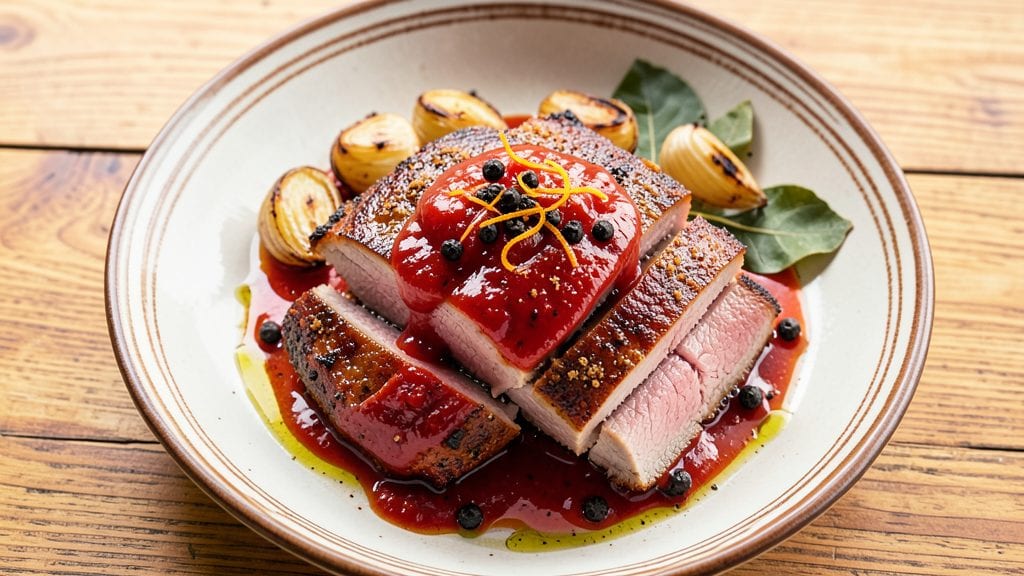
This Spanish pork shoulder recipe transforms tough cuts into melt-in-your-mouth tenderness using time-honored techniques and smoky Spanish spices. Growing up in small-town Georgia, I learned pork deserves respect—slow cooking unlocks flavors that store-bought rubs can never match.
The secret lies in paprika's depth and garlic's warmth, working together over hours to create a dish that feels like a hug from your abuela's kitchen.
What makes this recipe special is its balance of simplicity and precision. You'll start with a marinade of garlic, bay leaf, and pimentón de la Vera—the smoky Spanish paprika that gives this dish its signature heat.
The pork shoulder cooks low and slow, developing layers of flavor while staying fork-tender. This isn't just a recipe; it's a method that turns everyday ingredients into something extraordinary.
By the time you serve it, you'll have perfectly caramelized edges and meat so tender it practically falls apart. The aroma alone will have everyone gathering around the table, and the rich, smoky flavors pair beautifully with crusty bread or roasted vegetables.
This is comfort food elevated—simple enough for weeknights but impressive enough for company.
Whether you're feeding a crowd or treating yourself to a special meal, this recipe delivers restaurant-quality results at home. The slow cooking ensures maximum tenderness, while the Spanish spices add complexity that transforms ordinary pork into something truly special. Let's get started on creating this timeless dish.
Ingredients for spanish pork shoulder
Smoky Spanish spices and slow-cooked tenderness—just a handful of ingredients transform tough pork into something extraordinary.
| Ingredient | Amount | Notes |
|---|---|---|
| Pork Shoulder 🍖 | 5 lb | Bone-in for better flavor |
| Pimentón de la Vera 🌶️ | 2 tbsp | Smoked Spanish paprika |
| Garlic Cloves 🧄 | 8 cloves | Peeled, roughly chopped |
| Bay Leaves 🌿 | 2 whole | Fresh preferred |
| Extra-Virgin Olive Oil 🫒 | ¼ cup | For marinade and cooking |
| Red Wine Vinegar 🍷 | ¼ cup | For acid balance |
| Dried Thyme 🌿 | 1 tsp | Or 1 tbsp fresh |
| Ground Black Pepper 🌶️ | 1 tsp | Freshly cracked |
| Kosher Salt 🧂 | 1 ½ tbsp | Diamond Crystal preferred |
| Large Yellow Onion 🧅 | 1 whole | Chopped for marinade |
| Fresh Rosemary 🌿 | ¼ cup | Chopped, stems removed |
| Orange Zest 🍊 | 1 tbsp | From 1 large orange |
| Orange Juice 🍊 | ¼ cup | Freshly squeezed |
| Fresh Parsley 🌿 | ¼ cup | Chopped for garnish |
The pork shoulder is the star, so don't cut corners. A bone-in cut (like a picnic roast) stays juicier and carries more flavor. Costco or local butchers often have the best prices—look for good marbling and vibrant color. If you're buying pre-cut, check the packaging date; freshness matters. For the pimentón de la Vera, hunt it down at a Spanish market or order online—it's worth the splurge for that authentic smoky depth. If you can't find it, smoked paprika works in a pinch, but nothing beats the real deal.
No red wine vinegar? Apple cider vinegar or balsamic both work—just add a pinch of sugar to balance. Fresh rosemary is ideal, but dried at half the amount gets you close. The orange zest adds brightness, so don't skip it—organic oranges have more flavor. For the garlic, I always use Spanish garlic if available (it's milder and sweeter), but regular works fine. The thyme? Penzeys or bulk bins carry the best quality—avoid the sad little packets that've been sitting on the shelf for a year.
This dish tastes even better the next day, so plan ahead. Store leftovers in an airtight container in the fridge for up to 5 days, or freeze for 3 months. I like to portion it into individual containers for easy reheating—just cover with foil and warm in the oven at 300°F until heated through. The skin gets crispy when reheated, so it's worth the extra minute. Garnish with fresh parsley right before serving—it adds that restaurant-quality finish.
Why You'll Love This Recipe
- No-Fuss Marinade Magic: The secret’s in that overnight soak with pimentón de la Vera and orange zest—you just toss everything in a bag, forget about it, and wake up to meat that practically melts in your mouth. No fancy prep, just hands-off flavor work.
- Smoky-Citrus Bomb: The pimentón de la Vera gives it that Spanish tapas vibe, while the orange juice and fresh rosemary brighten it up so it’s not just smoky—it’s dangerously addictive. That crispy edge with the creamy center? Chef’s kiss.
- Feeds a Crowd (and Your Freezer): Five pounds of pork shoulder is perfect for game days, family dinners, or freezing half for lazy weeknights. Trust me, the leftovers (up to 5 days in the fridge, 3 months frozen) are even better the second time around.
- Budget-Friendly Powerhouse: Pork shoulder is one of the most affordable cuts, and this recipe turns it into a showstopper without expensive ingredients. The extra-virgin olive oil and bay leaves elevate it, but you’re still talking pennies per serving.
Step-by-step instructions for Spanish pork shoulder
Here's how to transform a tough cut into melt-in-your-mouth perfection with smoky depth.
Create the Marinade and Prep the Pork
In a large bowl, combine the ¼ cup extra-virgin olive oil, ¼ cup red wine vinegar, 2 tbsp pimentón de la Vera, 1 tbsp orange zest, ¼ cup orange juice, 1 tsp dried thyme, 1 tsp ground black pepper, and 1½ tbsp kosher salt. Whisk vigorously until the spices dissolve completely and the mixture becomes fragrant.
Peel and roughly chop the 8 garlic cloves and 1 large yellow onion, then add them to the marinade along with the 2 bay leaves and ¼ cup chopped fresh rosemary. Stir well to distribute all the flavors. Place the 5 lb pork shoulder in a resealable plastic bag and pour the marinade over it, massaging the bag to coat the meat thoroughly. Seal and refrigerate for at least 12 hours—overnight works best for maximum tenderness.
Slow-Cook Until Fork-Tender
Preheat your oven to 300°F. Remove the pork from the marinade (reserve the marinade for basting) and place it in a Dutch oven or heavy oven-safe pot, fat-side up. Pour the reserved marinade into the pot, ensuring the pork is fully submerged. Cover tightly with a lid or foil.
Transfer the pot to the oven and cook for 4 hours. Here's the thing—this is where patience pays off. The pork needs time to break down slowly. After 4 hours, check the internal temperature with a meat thermometer. It should read 195-200°F for perfect tenderness. If it hasn't reached this temperature, continue cooking for another 30-60 minutes, basting with the pan juices every 45 minutes to keep the meat moist.
Rest and Serve with Garnish
Once the pork reaches the ideal temperature, remove it from the oven and transfer it to a cutting board. Tent loosely with foil and let it rest for 30 minutes. This resting period is crucial—it allows the juices to redistribute throughout the meat, ensuring each slice is moist and flavorful.
While the pork rests, skim any excess fat from the cooking liquid and reduce it on the stovetop over medium heat until it thickens slightly. Stir in the ¼ cup chopped fresh parsley just before serving. Carve the pork shoulder against the grain into ½-inch thick slices and serve with the reduced sauce spooned over the top. The result? Juicy, tender meat with layers of smoky, citrusy flavor that'll have everyone asking for seconds.
Pro Tips For Making Spanish Pork Shoulder
- Whisk Until Fragrant: Don’t just toss the marinade—whisk that pimentón de la Vera and orange zest until the spices actually sing. I used to skip this, and the flavor was just… there, not exploding in your mouth. A solid 30 seconds of vigorous whisking makes the difference between "meh" and "holy smoky goodness."
- Fat-Side Up Only: Place the pork shoulder fat-side up in the Dutch oven, or you’ll end up with a greasy mess instead of crispy edges. The fat renders down beautifully at 300°F, basting the meat as it cooks—skip this, and you’ll be mopping up a soupy, flavorless pool instead of savoring that rendered goodness.
- Thermometer or Guesswork: That 4-hour cook time? Forget it. The pork will cook unevenly. 195-200°F internal temp is non-negotiable—any lower, and you’re left with chewy, sad meat. I learned this after serving a slice that could’ve doubled as a boot sole, and trust me, you don’t want that.
- Chop Rosemary Coarse: The recipe says "chopped," but I mean chunky—think ½-inch pieces, not confetti. Fresh rosemary holds its shape and flavor better when it’s big enough to chew on, not disappear into the marinade. (Yes, even if it looks "messy" in the bowl.)
Wine and beer pairings for this dish
Spanish Red Wine Pairings
The smoky depth of pimentón de la Vera and citrusy brightness of orange in this pork shoulder beg for a bold yet balanced wine. I always reach for a Rioja Reserva—specifically a Tempranillo aged 3 years—like Muga Reserva or Marqués de Riscal.
These wines have that perfect blend of dark fruit, vanilla notes from oak aging, and just enough tannin to stand up to the pork's richness. The acidity cuts through the fat while complementing the smoky paprika. 🍷
Spanish White Wine Options
If you prefer white, a Verdejo from Rueda—like Pago de los Capellanes—is my go-to. Its crisp apple and almond flavors contrast beautifully with the pork's citrus marinade. For something more aromatic, try a Godello from Bierzo; its floral notes pair surprisingly well with the rosemary and orange zest.
Both whites keep the dish feeling fresh without overwhelming it.
Beer Complements
A Spanish red ale like Estrella Galicia Reserva works wonders—its malty sweetness balances the dish's acidity while the carbonation cleanses your palate. For craft beer lovers, I recommend a Spanish-style amber ale with notes of caramel and dried fruit, like La Virgen from Barcelona.
The beer's body stands up to the pork's richness while its subtle spice echoes the pimentón.
Non-Alcoholic Pairings
When I'm cooking for guests who prefer non-alcoholic options, I serve sparkling orange soda with a twist of fresh rosemary—it mimics the citrus notes in the marinade. For something more substantial, a Spanish sangria made with red wine vinegar (like the marinade!) and sliced oranges works beautifully.
The effervescence cuts through the richness while keeping the dish's Spanish heritage intact.
Regional Pairing Insight
I remember my first time in Seville, where I learned that locals often pair this style of pork with Fino Sherry. The wine's nutty, dry profile contrasts perfectly with the pork's sweetness.
If you can find it, a Manzanilla from Sanlúcar de Barrameda is ideal—its saltiness enhances the dish's smoky depth. It's a pairing that feels like a taste of Spain itself. 🌟
Nutrition facts
Frequently asked questions
Why does this recipe call for overnight marinating?
The 12-hour marinade lets the pimentón de la Vera and citrus penetrate deep into the pork, breaking down tough fibers while infusing rich flavor. This transforms the meat from chewy to melt-in-your-mouth. Skimping on time means less tenderness—trust the process!
Can I use bone-in or boneless pork shoulder?
Bone-in is preferred—the marrow adds natural fat and flavor, but boneless works if you must. Just add 1 tbsp extra olive oil to prevent drying. The bone also helps retain moisture during slow cooking.
What if my pork doesn't reach 195°F after 4 hours?
Keep cooking! The ideal 195-200°F ensures fork-tender meat. If it's shy, cook another 30-60 minutes, basting every 45 minutes with pan juices. A meat thermometer is your best friend—never guess!
How do I reheat leftovers without drying them out?
Cover slices with foil and warm in the oven at 300°F until 160°F internal. The skin crisps beautifully! For stovetop, use low heat with a splash of water to create steam. Never microwave—it ruins texture.
What sides pair best with this Spanish pork?
Classic options include roasted patatas bravas (spicy potatoes) or ajoaceite (garlic oil). For brightness, try a simple green salad with orange vinaigrette. The citrus ties perfectly with the marinade's flavors.