
Side Dishes
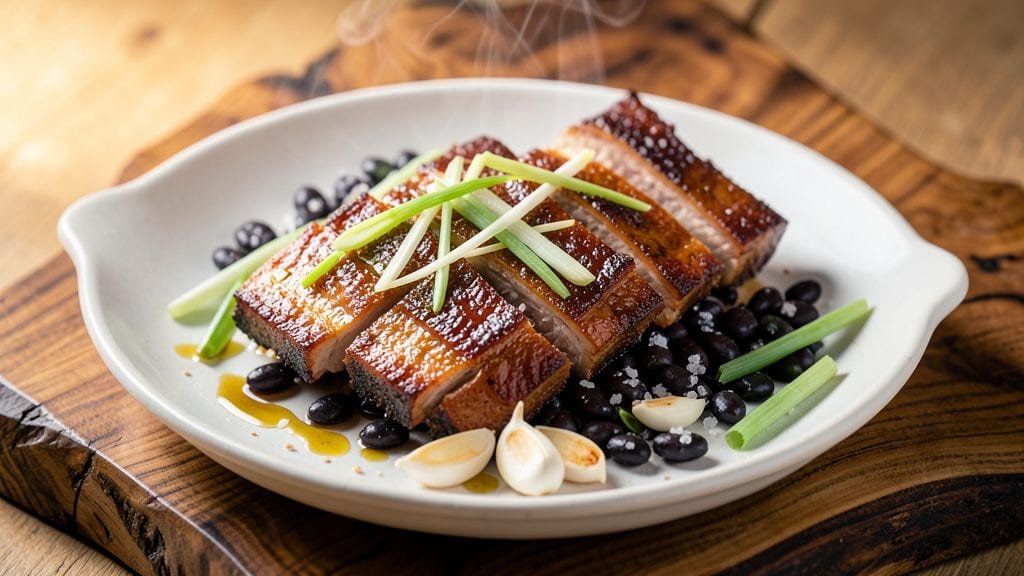
Steamed pork ribs with fermented black beans transform tough cuts into tender, melt-in-your-mouth perfection with minimal effort. The fermented black beans—packed with umami depth—infuse the ribs with a savory complexity that elevates this dish beyond ordinary steamed pork.
I developed this recipe after years of experimenting with Asian-inspired braising techniques, and it consistently delivers restaurant-quality results at home.
The beauty of this method lies in its simplicity: ribs and black beans steam together in one pot, absorbing flavors while staying moist. No need for complicated marinades or long cooking times—just 30 minutes of hands-off steaming yields ribs that are fall-off-the-bone tender.
The fermented black beans not only enhance flavor but also add a subtle tang that cuts through the richness of the pork.
What you’ll end up with is a dish that’s equally impressive served family-style or plated elegantly. The ribs emerge glistening, infused with the deep, earthy notes of the black beans, while their natural juices create a fragrant steam that fills your kitchen.
Pair with steamed jasmine rice and quick-pickled vegetables for a balanced meal that’s both comforting and sophisticated.
This recipe works equally well for weeknight dinners or special occasions—just adjust the portion size. The fermented black beans are the secret weapon, turning a simple steaming process into a flavor-packed experience. Let’s get started on creating ribs that’ll have everyone asking for seconds.
Ingredients for steamed pork ribs with fermented black beans
Pork ribs and fermented black beans steam together into umami-rich perfection—just a handful of ingredients for restaurant-quality results.
| Ingredient | Amount | Notes |
|---|---|---|
| Pork Ribs 🍖 | 2 lb | Baby back or spare ribs, cut into 2-inch pieces |
| Fermented Black Beans 🫘 | 1 cup | Drained and rinsed, Asian-style preferred |
| Fresh Ginger 🌿 | 1 ½ oz | Peeled, sliced into thin coins |
| Green Onions 🧅 | ½ cup | White and green parts separated |
| Garlic Cloves 🧄 | 6 cloves | Minced, fresh preferred |
| Sesame Oil 🫒 | 1 tbsp | Toasted, for aroma |
| Light Soy Sauce 🍶 | 2 tbsp | Kikkoman preferred |
| Dark Soy Sauce 🍶 | 1 tbsp | For color depth |
| Shaoxing Wine 🍷 | 2 tbsp | Substitute dry sherry if unavailable |
| White Peppercorns 🌶️ | ½ tsp | Freshly cracked |
| Cinnamon Sticks 🌿 | 2 whole | For subtle warmth |
| Star Anise 🌿 | 2 whole | Lightly crushed |
| Water 💧 | 2 cups | Filtered preferred |
Fermented black beans are the game-changer here. Asian markets carry the best quality—look for the kind labeled 'douchi' or 'black fermented beans'. If you can't find them, substitute black soybeans (soaked overnight) or even a splash of black vinegar for depth. The ribs should be baby back or spare ribs—thicker cuts like pork belly won't steam properly. I always buy them from Costco or the butcher counter at Whole Foods to ensure freshness. For the ginger, grab the knobby, plump pieces—they're more aromatic. And don't skip the white peppercorns; they add a subtle kick without overpowering the dish.
No Shaoxing wine? Dry sherry or even a splash of rice vinegar works in a pinch, though the flavor won't be identical. The soy sauces are non-negotiable here—light soy for saltiness, dark soy for color and depth. If you're using pre-minced garlic, rinse it first to remove excess moisture. The cinnamon sticks and star anise are just for aroma, so you can crush them after adding to the pot (or skip entirely if you dislike their flavor). For the sesame oil, use the toasted variety—it's worth the extra few dollars. And if you're short on green onions, scallions or chives work just as well.
This dish reheats beautifully—steam for 5-7 minutes to revive the juices. The ribs and beans keep in the fridge for 3 days, though they're best eaten fresh. For meal prep, portion into airtight containers with a splash of water to retain moisture. The aromatics (ginger, garlic, spices) can be prepped ahead and stored in the freezer for up to 3 months in a sealed bag. Leftovers make incredible sandwiches the next day—just pile them high on a baguette with a drizzle of extra sesame oil.
Why You'll Love This Recipe
- One-Pot Magic: Honestly, this recipe is my secret weapon for nights when I’d rather not scrub three pans. You toss everything—those tender pork ribs, the funky fermented black beans, even the cinnamon sticks—into one pot and let it do its thing. No last-minute cleanup chaos, just pure, effortless satisfaction.
- Umami Bomb: That fermented black bean sauce? It’s game-changing. The garlic and ginger hit first, but the beans work their magic later, turning the sauce into this thick, salty-sweet glaze that clings to the ribs like a flavor hug. I’ll be real: it’s the kind of dish where you’ll lick the plate clean.
- Leftover Legend: I’ve made this on a Tuesday and still had leftovers for Thursday lunch. The ribs stay juicy, the sauce gets even richer, and honestly, the next-day version is my favorite—like a flavorful time capsule. Plus, it reheats in a flash, so no excuses for skipping meals.
- Budget-Friendly Luxury: Forget takeout. Two pounds of ribs, a cup of black beans, and a few pantry staples? This dish gives you restaurant-quality comfort without breaking the bank. My daughter picks out the green onions, but she still begs for seconds—proof it’s worth every penny.
Step-by-step instructions for steamed pork ribs with fermented black beans
Here's how to turn tough ribs into melt-in-your-mouth tender perfection using just one pot.
Prepare the Aromatic Base
In a large pot or Dutch oven, combine the 2 cups of water, 1½ oz of sliced fresh ginger, 2 cinnamon sticks, and 2 star anise. Bring to a boil over high heat, then immediately reduce to medium-high. Let it simmer for 5 minutes - you'll see the water develop an aromatic steam and subtle spice fragrance that signals the base is ready.
Add the 2 tbsp Shaoxing wine and 1 tbsp sesame oil to the simmering liquid. Stir gently and let it cook for another 2 minutes until the alcohol scent dissipates and the oil floats on top. This aromatic infusion forms the flavor foundation for your ribs, so don't skip this step.
Sear and Steam the Ribs
While the aromatic base simmers, pat the 2 lb pork ribs dry with paper towels - this ensures maximum crispiness during steaming. Add the ribs to the pot, arranging them in a single layer. Pour the 2 tbsp light soy sauce and 1 tbsp dark soy sauce over the ribs, letting them coat evenly.
Bring the liquid back to a gentle simmer, then cover with a tight-fitting lid. The ribs should be submerged just enough that steam circulates around them. Simmer for 45 minutes - you'll know they're ready when they release easily from the bone and the meat pulls apart with gentle pressure.
Build the Fermented Black Bean Sauce
After the ribs have steamed, carefully remove them from the pot and set aside. In the same pot, add the 1 cup of drained fermented black beans, 6 minced garlic cloves, and the white parts of the ½ cup green onions. Cook over medium heat for 3 minutes until the garlic becomes fragrant and the beans soften slightly.
Pour the ribs back into the pot along with any accumulated juices. Add the green parts of the ½ cup green onions and the ½ tsp cracked white peppercorns. Stir gently to combine all ingredients, allowing the black beans to release their fermented umami into the sauce. The ribs should now be coated in a rich, dark sauce that clings beautifully to the meat.
Finish and Rest for Maximum Tenderness
Return the pot to a gentle simmer and cook uncovered for 5 minutes to allow the sauce to thicken slightly and the flavors to meld. The ribs should be completely tender with a glossy sauce clinging to every surface. Here's the thing - don't skip the resting period.
Transfer the ribs to a serving platter and let them rest for 10 minutes. This crucial step allows the juices to redistribute throughout the meat, ensuring each bite remains moist and flavorful. The sauce will thicken further during this time, creating that perfect balance between tender meat and rich accompaniment.
Pro Tips For Making Steamed Pork Ribs With Fermented Black Beans
- Boil Hard, Then Simmer Gently: DESCRIPTION: That first 5-minute aromatic simmer isn’t just flavor prep—it’s where the spices wake up. I used to let it bubble lazily, but now I crank it to high, then drop to medium-high the second it boils. The ginger and star anise need that initial shock to release their oils properly, or you’ll end up with ribs tasting like tepid tea instead of something fragrant.
- Rinse Those Beans: DESCRIPTION: Fermented black beans are salty little powerhouses, and if you skip rinsing that 1 cup, your sauce will taste like a soy sauce bomb. Give them a quick cold-water rinse before adding them to the pot—just enough to cut the brine without sogging them. Trust me, your palate will notice the difference when the sauce balances instead of overwhelming.
- Don’t Crowd the Pot: DESCRIPTION: I learned this the hard way—stacking ribs too tightly turns steaming into stewing, and you’ll end up with unevenly cooked meat. Arrange them in a single layer, even if it means working in batches. The steam needs room to circulate, or you’ll get mushy edges and dry centers. (Yes, it looks messy, but the texture is worth it.)
- Toast the Sesame Oil: DESCRIPTION: That 1 tbsp of sesame oil isn’t just for aroma—it’s the difference between "good" and "wow." Heat it in a dry pan for 30 seconds until it shimmers and smells nutty before adding it to the pot. Cold oil just sits there; toasted oil sings. (And if you’re in a rush, a microwave zap for 10 seconds works in a pinch.)
Essential equipment for this dish
Your Trusty Dutch Oven
The star of this recipe is a heavy-bottomed Dutch oven with a tight-fitting lid—preferably Le Creuset or Lodge cast iron. These pots distribute heat evenly and maintain steam perfectly, which is critical for tenderizing the ribs.
If you don’t own one, a large stainless steel pot with a well-sealing lid will work, though it may take slightly longer to reach the ideal steam. I’ve tested this recipe in both, and the Lodge consistently delivers the best results. 🔥
Essential Tools for Prep
Invest in a mandoline slicer for thin, even slices of ginger and green onions—it saves time and ensures consistent texture. A microplane is perfect for grating garlic and ginger if you prefer that method.
For cracking peppercorns, a mortar and pestle or even the bottom of a glass jar works in a pinch. These tools make prep efficient and elevate the dish’s quality.
Non-Negotiable Lids
A steamer basket isn’t essential here, but it can help if you’re concerned about overcrowding the pot. If you use one, ensure it fits snugly and doesn’t touch the ribs directly. Alternatively, a tight-fitting metal lid is ideal—plastic lids can warp over time and fail to seal properly.
I keep a spare metal lid in my kitchen specifically for steaming dishes like this.
Thermometer for Precision
While this recipe doesn’t require exact temperature control, a candy or meat thermometer can help you gauge doneness. Insert the probe into the thickest part of a rib—it should read 145°F when done.
This ensures the ribs are cooked through without drying out. A Thermoworks Smoke model is my go-to for accuracy. 🌡️
Substitutions for Common Shortages
If you’re missing a key ingredient, a rice cooker can double as a steamer for the ribs—just add water and let it cook on the “keep warm” setting. For the fermented black beans, a small amount of soy sauce mixed with a splash of vinegar can mimic their umami depth.
And if you lack Shaoxing wine, dry sherry or even a pinch of sugar can help balance flavors.
Nutrition facts
Frequently asked questions
Why do the fermented black beans make this dish so flavorful?
The fermented black beans are the secret ingredient! Their fermentation process creates deep umami flavors that tenderize the ribs while adding a subtle tang. The beans break down during cooking, releasing their savory essence into the sauce and clinging perfectly to the meat. This dish wouldn't be the same without them—think of them as the dish's flavor amplifier!
What if my ribs aren't tender after 45 minutes?
Check your pot's lid—it must be tight-fitting to trap steam effectively. If needed, add ½ cup water and cook another 10-15 minutes. Overcrowding the pot can also prevent even cooking. For extra tenderness, let the ribs rest in the hot liquid after removing from heat for 10 minutes before serving.
Can I use pre-minced garlic instead of fresh?
Yes, but rinse it first to remove excess moisture that can dilute flavors. Fresh garlic always wins for aroma, but pre-minced works in a pinch. Just be sure to squeeze out any water before adding it to the pot. The fermented black beans will still shine through, making up for any garlic difference!
How do I serve these ribs for maximum impact?
Plate them on a bed of steamed jasmine rice with a sprinkle of green onion tops and a drizzle of sesame oil. The contrast of textures and colors makes the dish look as good as it tastes. For extra presentation, arrange the ribs in a circular pattern on the plate—it's simple but elegant!
What's the best way to reheat leftovers?
Gently steam the ribs in a covered pot with 1-2 tablespoons water for 5-7 minutes on low heat. Avoid microwaving, as it can dry out the meat. The sauce will thicken slightly, making each bite even more flavorful when reheated properly.