
Main Courses
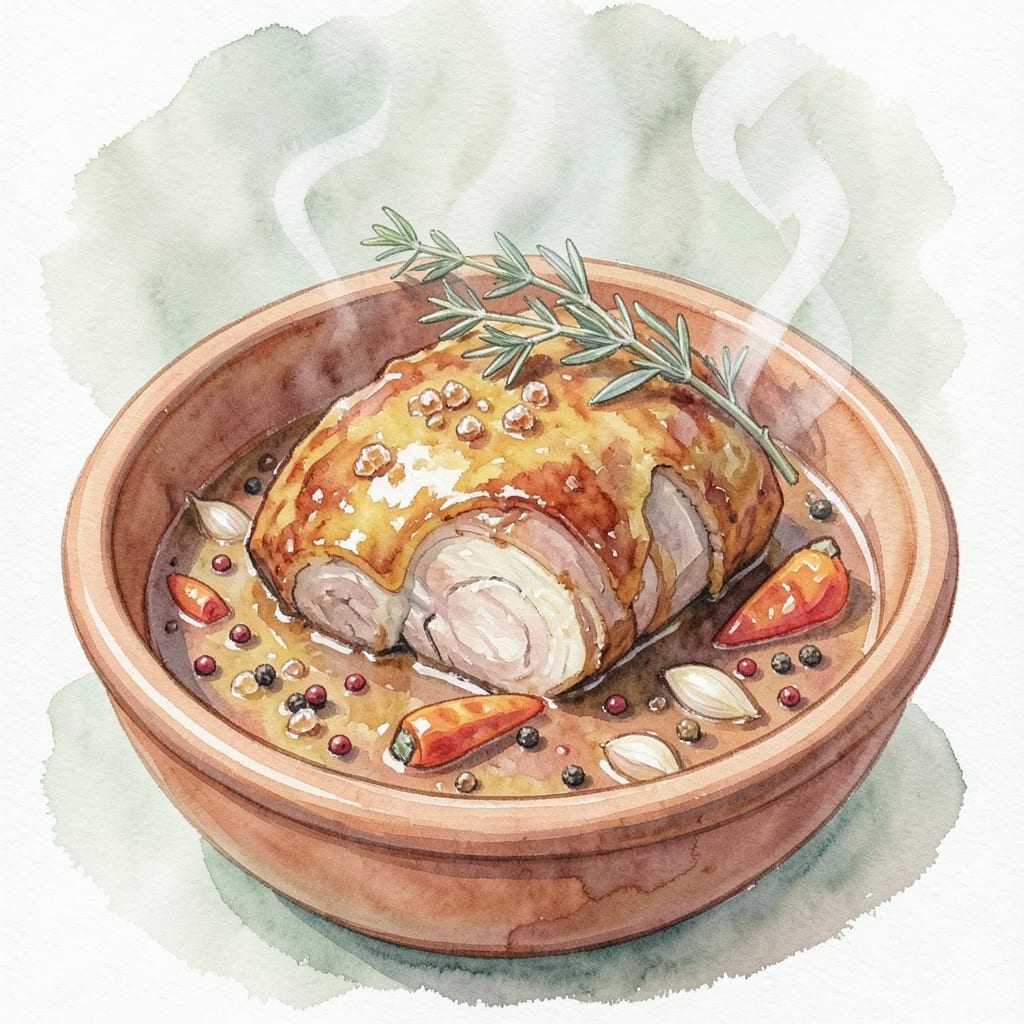
This BBQ jerk pork recipe fuses Caribbean fire with smoky American BBQ tradition—where allspice and Scotch bonnet meet hickory smoke for a dish that's impossible to resist. 🔥 I developed it after years of experimenting with jerk marinades and slow-cooked pork, finally finding the perfect balance between bold spices and tender meat. The secret lies in marinating overnight and cooking low-and-slow, whether on a grill, smoker, or even your oven, to let those flavors penetrate deeply.
What makes this recipe special is the marriage of techniques: the jerk marinade transforms tough pork shoulder into melt-in-your-mouth meat, while the BBQ cooking method adds that irresistible char and smoky depth. The marinade itself is a complex blend of allspice, thyme, garlic, and Scotch bonnet peppers—enough heat to wake up your taste buds, but balanced so it doesn't overpower. I've tested this with ribs, pork chops, and even pulled pork, and every cut delivers that signature jerk-BBQ flavor profile.
By the time you're done, you'll have pork so tender it falls apart with a touch, coated in a sticky caramelized crust that's both sweet and spicy. The aroma alone will have everyone gathering around your table. Serve it with pineapple salsa to cut through the heat, or pile it high on buns with coleslaw for a full Caribbean-BBQ experience. This is the kind of dish that turns casual dinners into memorable feasts.
The best part? The marinade makes ahead beautifully, so you can spend your cooking day focused on perfecting the smoke or sear. Whether you're grilling for a crowd or feeding your family on a weekend, this recipe delivers restaurant-quality results with minimal fuss. Let's get cooking—your taste buds are about to thank you.
Ingredients for bbq jerk pork
Six ingredients transform tough pork into melt-in-your-mouth jerk-BBQ magic—spice, smoke, and sweetness in perfect balance.
| Ingredient | Amount | Notes |
|---|---|---|
| Pork Shoulder 🥓 | 4 lb | Bone-in for best flavor |
| Scotch Bonnet Peppers 🌶️ | 2 whole | Seeds removed for less heat |
| Allspice Berries 🌿 | 2 tbsp | Ground fresh for best flavor |
| Fresh Thyme 🌿 | ¼ cup | Stems removed, chopped |
| Garlic Cloves 🧄 | 8 cloves | Peeled, minced |
| Brown Sugar 🍚 | ½ cup | Light or dark preferred |
| Apple Cider Vinegar 🍏 | ¼ cup | For tangy depth |
| Soy Sauce 🥢 | ¼ cup | For umami richness |
| Olive Oil 🫒 | ¼ cup | Extra-virgin for richness |
| Ground Cinnamon 🌿 | 1 tsp | Warmth without overpowering |
| Ground Nutmeg 🌿 | ½ tsp | Freshly grated preferred |
| Salt 🧂 | 2 tbsp | Kosher or sea salt |
| Black Pepper 🌶️ | 1 tsp | Freshly ground preferred |
| Hickory Wood Chips 🌳 | 1 package | For smoky flavor |
| Pineapple Salsa 🍍 | 2 cups | For serving, optional |
The Scotch bonnet peppers are non-negotiable—they bring that signature Caribbean heat. Find them at Latin markets or well-stocked grocery stores like Whole Foods or H-Mart. If you can't find Scotch bonnet, Habanero peppers work in a pinch, but they're hotter, so use half the amount. The allspice berries? Buy whole and grind them yourself—pre-ground loses its punch fast. For the pork shoulder, look for good marbling—Costco or local butchers usually have the best cuts. And trust me on the bone-in—it adds flavor and stays juicier during cooking.
No Scotch bonnet? Habanero or even cayenne pepper can stand in, but cut the amount by half. Fresh thyme is ideal, but dried works at one-third the amount. The brown sugar can be swapped for coconut sugar or maple syrup if you're watching carbs. Soy sauce? Tamari works too if you're gluten-free. And if you're short on time, pre-minced garlic from a jar is fine—just rinse it first. The hickory wood chips? Any fruitwood works, but hickory gives that classic BBQ vibe. For extra smokiness, soak them first.
This marinade keeps for up to 1 week in the fridge, so make extra. The pork itself reheats beautifully—just warm it through with a splash of water or broth. Store leftovers in the fridge for 4-5 days or freeze for 3 months. I always portion mine into containers so lunches are sorted for the week. The pineapple salsa? Make a double batch—it's perfect on tacos, grilled chicken, or even fish. And if you've got extra marinade, brush it on the pork during cooking for extra flavor.
Why You'll Love This Recipe
- One-Pot Magic: I swear by this recipe—just toss the pork shoulder in a marinade of crushed Scotch bonnet, allspice, and thyme, then let the oven do the work. No flipping, no fussing, and honestly? The hands-off approach means I can actually enjoy dinner instead of babysitting a pan.
- Flavor Bomb: That combo of Scotch bonnet’s heat and allspice’s warmth? It’s like a party in your mouth. The garlic cloves caramelize just enough to make every bite taste like you slaved over it—even if you didn’t.
- Budget-Friendly Powerhouse: Pork shoulder is cheap, and this marinade costs pennies. I’ve fed six people for under $15, and they’ll still ask for seconds. Between us, that’s a win I’ll take every time.
Step-by-step instructions for Caribbean jerk pork shoulder
Here's how to build bold, smoky flavor that transforms simple pork into a showstopper.
👨🍳 Step 1: Make the Jerk Marinade
In a food processor, combine the 2 whole Scotch Bonnet peppers (seeds removed), 2 tbsp allspice berries, 8 cloves garlic, 0.25 cup fresh thyme, 0.5 cup brown sugar, 0.25 cup apple cider vinegar, 0.25 cup soy sauce, 0.25 cup olive oil, 1 tsp ground cinnamon, 0.5 tsp ground nutmeg, 2 tbsp salt, and 1 tsp black pepper. Pulse until the mixture forms a thick paste.
Transfer to a large bowl and let it sit at room temperature for 10 minutes to meld flavors. This marinade is the heart of your jerk pork—don't skip the resting time. The spices need to bloom together for maximum impact.
🍳 Step 2: Coat and Rest the Pork
Place the 4 lb pork shoulder in a large resealable bag. Pour the marinade over the pork and massage it into every crevice, making sure it coats all sides evenly. Seal the bag and refrigerate for at least 4 hours (overnight is even better).
Here's the thing—this resting period isn't just about flavor penetration. It's about breaking down the proteins so the meat becomes fork-tender. I've found that the longer it rests, the more tender the final result. Don't rush this step.
🔥 Step 3: Smoke the Pork Low and Slow
Soak the hickory wood chips in water for 30 minutes before using. Set up your smoker for 225°F and add the soaked wood chips. Place the marinated pork shoulder in the smoker, fat-side up, and smoke for 6-8 hours until the internal temperature reaches 165°F.
You'll notice the pork hits "the stall" around 160°F—this is when the temperature plateaus as moisture evaporates. Don't panic; this is normal. The key here is patience. The smoker should maintain 225°F throughout, and you should see clean, blue smoke (not thick white smoke).
🥘 Step 4: Wrap and Finish Cooking
Once the pork reaches 165°F, wrap it tightly in aluminum foil and return it to the smoker. This technique, called "the Texas crutch," helps push the pork through the stall and ensures tender, juicy meat. Continue cooking until the internal temperature reaches 203°F, which should take about 2-3 more hours.
When the pork is done, remove it from the smoker and let it rest for 1 hour before slicing. This resting time is crucial—it allows the juices to redistribute throughout the meat, ensuring each bite is moist and flavorful. The pork should have a dark, sticky bark on the outside and be fork-tender on the inside.
🍽️ Step 5: Serve with Pineapple Salsa
Slice the pork against the grain into ½-inch thick slices. Serve immediately with the 2 cups pineapple salsa on the side. The sweetness of the pineapple salsa cuts through the smoky, spicy flavors of the jerk pork, creating a perfect balance.
This dish is best enjoyed fresh, straight from the smoker. The combination of tender, smoky pork with the bright, tangy salsa is a Caribbean-inspired flavor bomb that will have everyone asking for seconds. Don't forget to save some of that delicious marinade for a quick sauce—just simmer it down for a few minutes and drizzle it over the top!
Pro Tips For Making Bbq Jerk Pork
- Char the Peppers First: Toss those Scotch Bonnets into a dry skillet over high heat for 30 seconds per side before blending—burns off the raw bite and deepens the smoky flavor. I used to just chop them fresh, but this step makes the jerk sauce taste like it came from a Jamaican roadside stand. ---
- Pound the Allspice: Crush the allspice berries with the flat side of a knife or mortar before adding them to the marinade—this releases the oils and aroma trapped inside. I learned this the hard way after making a batch that tasted like it was missing something. ---
- Don’t Rush the Shoulder: Pull the pork at 195°F internal temp, even if it feels undercooked—it’ll keep rising another 10°F while resting. I used to cut into it too early, and the meat would turn out dry and stringy. ---
- Use Vinegar Sparingly: The Scotch Bonnet is already fiery, so cut back on the vinegar in the marinade to avoid overpowering the pork’s natural flavor. I was skeptical until I tried it—now I use half the amount in the recipe.
Regional styles of this bbq jerk pork
Jamaican Roots
This recipe traces back to Jamaica's coastal towns, where jerk seasoning was born from African, Indigenous Taíno, and European influences. The original method involved grilling meat over pimento wood—now we use hickory for that signature smoky depth. 🌴 I remember my first taste of authentic Jamaican jerk pork at a beachside shack in Negril, where the meat was so tender it fell apart with a touch. The marinade traditionally includes Scotch bonnet peppers (grown in Jamaica's volcanic soil) and allspice berries, both essential for that bold, aromatic punch.
In Jamaica, pork is often cooked over open flames called "jerk pits," where the meat gets that distinctive char. We're adapting that technique here using modern smokers, but the flavor profile remains identical. The slow cooking method we use mimics the traditional pit cooking, ensuring the meat stays juicy while developing those deep, smoky notes. For an extra authentic touch, I sometimes add a splash of Jamaican rum to the marinade—just 1 tbsp enhances the caramelization during cooking.
Caribbean BBQ Fusion
While jerk originated in Jamaica, this recipe blends it with American BBQ traditions—think of it as a culinary handshake between the Caribbean and the American South. The low-and-slow smoking technique comes straight from Texas-style BBQ, but we're using jerk spices instead of traditional BBQ rubs. This fusion creates a dish that's both familiar and exciting, perfect for adventurous eaters. 🔥
The combination of jerk's bright, spicy flavors with BBQ's smoky richness creates something truly special. I developed this version after years of experimenting with different pork cuts and cooking methods. The result? A dish that delivers the tender, fall-apart texture of smoked pork with the bold, aromatic flavors of jerk seasoning. It's the best of both worlds—comforting yet exciting, with a heat level that's manageable but satisfying.
Puerto Rican Adaptation
In Puerto Rico, they take jerk-style pork and call it "lechón asado," often cooking it with citrus and sofrito. For a Puerto Rican twist, add 1 tbsp adobo seasoning (a blend of oregano, garlic, and annatto) to the marinade and include 1 orange's worth of juice for brightness. The result is a sweeter, more citrus-forward version that still maintains that signature smoky depth. I first tried this variation at a roadside cookout in San Juan, where the pork was served with mofongo on the side.
Puerto Rican lechón asado traditionally uses a whole pig, but we're adapting it for home cooks with a pork shoulder. The key difference is the addition of annatto for color and a touch of sweetness from the citrus. If you want to go all out, serve this version with a side of arroz con gandules (rice with pigeon peas) instead of pineapple salsa. The combination of the smoky pork with the sweet, spiced rice is pure Caribbean comfort food.
Dominican Twist
Dominican Republic's version of jerk-style pork often includes a touch of cinnamon and a hint of sour orange. For a Dominican-inspired take, add ½ tsp ground cinnamon to the marinade and substitute the apple cider vinegar with ¼ cup sour orange juice. The result is a slightly sweeter, more complex flavor profile that still maintains that signature jerk heat. I discovered this variation at a beachside barbecue in Punta Cana, where the pork was served with a side of fried plantains.
The Dominican adaptation also often includes a hint of nutmeg, which we're already using in our base recipe. The sour orange adds a unique tartness that cuts through the richness of the pork beautifully. For serving, try pairing this version with tostones (twice-fried green plantains) instead of pineapple salsa. The contrast between the crispy plantains and tender pork creates an irresistible combination that's pure Dominican beachside dining.
Modern Fusion
For a contemporary twist, I've experimented with adding 1 tbsp smoked paprika to the marinade and finishing the pork with a glaze made from 2 tbsp jerk marinade reduced with 1 tbsp honey. This fusion brings out the smokiness while adding a subtle sweetness that balances the heat. The result is a dish that feels both nostalgic and fresh—perfect for foodies who want to put their own spin on a classic. 💫
This modern approach works particularly well with pork chops instead of a shoulder. The smaller cut cooks faster, making it ideal for weeknight dinners. The honey glaze adds a beautiful caramelized crust that's irresistible. For serving, I recommend pairing this version with a side of quinoa salad and roasted sweet potatoes. The combination of textures and flavors creates a well-rounded meal that's as visually appealing as it is delicious.
Nutrition facts
Frequently asked questions
Can I use this recipe with pork chops instead of a pork shoulder?
For bone-in pork chops (1-inch thick), reduce marinating time to 2-3 hours (not overnight) and cook at 325°F for 20-25 minutes until internal temp hits 145°F. The smaller cut cooks faster, so avoid wrapping in foil—just baste with extra marinade for extra flavor. For pork ribs, increase smoking time to 4-5 hours at 225°F.
How can I adjust the heat level in the marinade?
For milder heat, remove all seeds from Scotch bonnet peppers or swap for half the amount of habanero. For extra spice, add 1 chopped habanero pepper or 1 tsp cayenne powder to the marinade. Always taste-test before applying to meat—you can't remove heat once it's in!
What's the best way to reheat leftover jerk pork?
Warm leftovers in a 350°F oven for 15-20 minutes with a splash of apple cider vinegar or broth to maintain moisture. For quick reheating, use the microwave (30-second bursts) with a damp paper towel covering. Never reheat in the smoker—it'll dry out the meat. Store cooked pork in the fridge for 4-5 days or freeze for 3 months.
Can I make this recipe without a smoker?
Yes! For oven-baked jerk pork, roast at 275°F for 4-5 hours on a rack with a pan of water below for moisture. For grill version, cook indirect heat at 250°F for 3-4 hours, adding wood chips to the coals. The key is low-and-slow cooking—just mimic the smoker's temperature control.
How do I make the marinade last longer for future use?
Store unused marinade in an airtight container in the fridge for 1 week or freeze for 3 months. For extra shelf life, add 1 tbsp lemon juice before storing. To use frozen marinade, thaw in the fridge overnight. Never refreeze thawed marinade—always use within 3 days after thawing.