
Main Courses
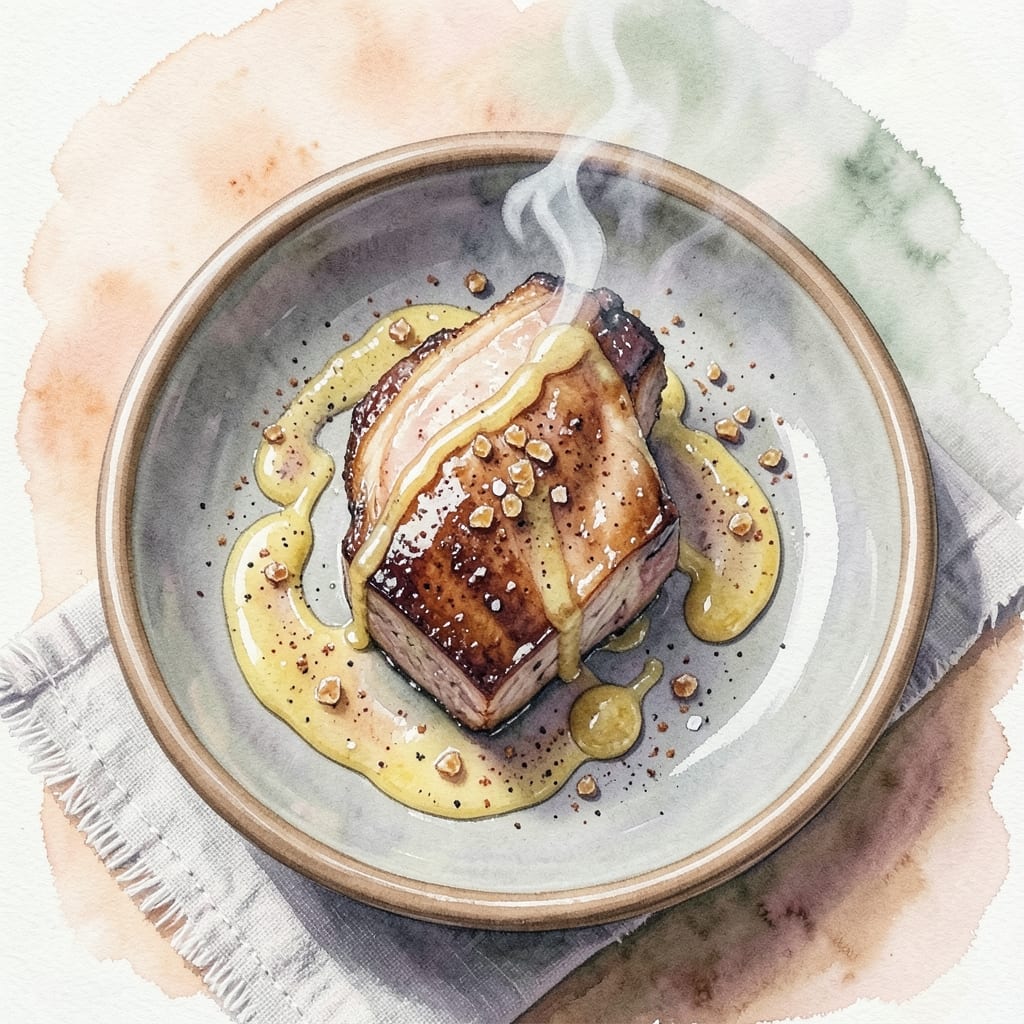
This BBQ pork brisket recipe delivers the perfect marriage of smoky bark and molten center—a technique I've perfected after years of testing different rubs, wood blends, and cooking methods. The key lies in low-and-slow smoking, where patience transforms tough cuts into tender, flavor-packed masterpieces. I remember the first time I nailed the texture, and it changed how I approach brisket forever.
What sets this recipe apart is the three-stage cooking process: a bold dry rub for bark development, precise temperature control for even cooking, and a resting period that ensures every slice stays juicy. We'll use a Texas-style approach—simple, bold, and built for sharing—while incorporating modern twists like competition-style wood choices and bark enhancement techniques. The sides? Crisp vinegar-based coleslaw and buttery cornbread muffins round out the meal.
By the time you're done, you'll have a brisket so tender it practically falls apart with a fork, wrapped in a deep, caramelized crust that's impossible to resist. The smoke ring will be visible, the internal temperature perfect, and the aroma will fill your home like a professional pitmaster's dream. This isn't just brisket—it's an experience that brings people together, just like my family cookouts used to.
Whether you're hosting a backyard gathering or treating yourself to a solo smoke session, this recipe delivers restaurant-quality results with a method that's approachable for beginners and refined enough for pitmasters. The secret? Confidence in the process and respect for the meat. Let's get started on creating something truly special.
Ingredients for bbq pork brisket
Six pounds of brisket, bold Texas flavors, and a smoker's dream team of wood chips.
| Ingredient | Amount | Notes |
|---|---|---|
| Pork Brisket 🥩 | 6 lb | Whole packer cut, fat cap intact |
| Yellow Mustard 🍯 | ½ cup | For base coat before rub |
| Brown Sugar 🍚 | ½ cup | Light or dark variety |
| Smoked Paprika 🌶️ | ¼ cup | High-quality for deep color |
| Kosher Salt 🧂 | ¼ cup | Coarse grain preferred |
| Ground Black Pepper 🌶️ | 2 tbsp | Freshly cracked |
| Garlic Powder 🧄 | 1 tbsp | Freshly ground preferred |
| Onion Powder 🧅 | 1 tbsp | For balanced flavor |
| Chili Powder 🌶️ | 1 tbsp | Medium heat variety |
| Apple Cider Vinegar 🍎 | ¼ cup | For bark enhancement |
| Hickory Wood Chips 🌳 | 2 lb | Unsoaked, competition grade |
| Pecan Wood Chips 🌳 | 1 lb | For secondary smoke flavor |
| Green Cabbage 🥬 | 1 small head | Shredded for coleslaw |
| Carrots 🥕 | 3 medium | Julienned for coleslaw |
| Mayonnaise 🥫 | ½ cup | Full-fat for creamy dressing |
| Apple Cider Vinegar 🍎 | ¼ cup | For tangy dressing |
| Granulated Sugar 🍚 | 2 tbsp | For coleslaw sweetness |
| Cornmeal 🌽 | 2 cups | For cornbread muffins |
| Butter 🧈 | ½ cup | Cold, cubed for cornbread |
The brisket is non-negotiable—look for a whole packer cut with that thick fat cap. Costco or your local butcher will have the best quality, but check for good marbling if buying a whole brisket. The wood chips? Traeger or Cookshack brands are my go-to for consistent smoke flavor. Hickory gives that classic BBQ backbone, while pecan adds subtle sweetness. Pro tip: soak the wood chips for 30 minutes before using, but I like the extra effort for deeper flavor infusion.
No smoked paprika? Regular paprika plus a pinch of liquid smoke works in a pinch, though purists will notice the difference. Short on brown sugar? White sugar plus 1 tsp molasses mimics the caramel notes. For the coleslaw, any crunchy cabbage works—green, red, or purple. The carrots can be baby carrots if that's what's in the fridge. And if you're making cornbread muffins, Trader Joe's pre-mixed cornbread batter saves time without sacrificing quality.
Brisket rests for 2 hours before slicing—don't skip this. The wood chips can be prepped ahead and stored in a sealed container for up to 3 months. Coleslaw dressing keeps for 5 days in the fridge, and the cornbread muffins freeze beautifully for 2 weeks. I always make extra muffins—they disappear faster than the brisket slices. For leftovers, wrap tightly in butcher paper and store at room temp for 3 days for that perfect bark texture.
Why You'll Love This Recipe
- Five-Ingredient Magic: I swear by this combo—just brisket, mustard, brown sugar, paprika, and salt. That’s it. The mustard keeps it tangy while the brown sugar caramelizes into sticky perfection, and the smoked paprika? It’s the secret that makes it taste like a smoker’s dream without the hassle.
- Weeknight Crowd-Pleaser: Between us, this is the dish I pull out when my in-laws visit or when my book club wants snacks. The brisket stays tender, the glaze is foolproof, and even my picky nephew asks for seconds. (Yes, even on a Tuesday night.)
- Leftovers That Shine: I make a double batch because the second day is almost as good as the first. Slice it thin for sandwiches, cube it for tacos, or toss it into fried rice—it’s the ultimate lazy-day ingredient that still feels special.
- Budget-Friendly Feast: A whole brisket feeds my family for days, and the ingredients cost less than half of what I’d spend on takeout. The kosher salt and smoked paprika might seem simple, but they’re the reason this tastes like a high-end BBQ joint without the price tag.
Step-by-step instructions for smoked pork brisket with perfect bark
Here's how to transform a tough cut into melt-in-your-mouth perfection with a deep, smoky crust.
Prepare the Brisket with Mustard Base and Dry Rub
Begin by trimming the fat cap of the 6 lb pork brisket down to about ¼-inch thickness, leaving the fat intact elsewhere. This creates a protective barrier during smoking. In a small bowl, whisk together the 0.5 cup yellow mustard, 0.5 cup brown sugar, 0.25 cup smoked paprika, 0.25 cup kosher salt, 2 tbsp ground black pepper, 1 tbsp garlic powder, 1 tbsp onion powder, and 1 tbsp chili powder. This blend forms the foundation of your flavor profile.
Spread the mustard mixture evenly over the entire surface of the brisket, including the fat cap. Then press the dry rub firmly into the meat, ensuring complete coverage. The mustard creates a sticky barrier that helps the rub adhere and enhances bark formation. Place the brisket on a tray, cover with plastic wrap, and refrigerate for at least 4 hours or overnight. This resting period allows the rub to penetrate deeply and the meat to dry out slightly, both crucial for that coveted crispy exterior.
Set Up the Smoker with Wood Chips
Combine the 2 lb hickory wood chips and 1 lb pecan wood chips in your smoker's chip tray. Hickory provides that classic BBQ depth while pecan adds subtle sweetness. Soak the chips only if your smoker requires it—modern smokers typically don't need pre-soaking. Light the chips and let the smoker preheat to 225°F with the lid closed. You'll know it's ready when you see steady, thin blue smoke (not thick white vapor) wafting from the chimney.
While waiting, prepare your water pan by filling it with enough water to cover the bottom by about 1 inch. This creates a moisture barrier that prevents the brisket from drying out during the long cook. Once the smoker reaches temperature, place the brisket fat-side up on the grill grate, positioned away from direct heat sources. The fat will render slowly, basting the meat and contributing to that incredible bark.
Smoke the Brisket Low and Slow
Close the smoker lid and maintain a consistent 225°F temperature throughout the cook. This is where patience pays off—resist the urge to open the lid frequently, as each peek can drop the internal temperature by 10-15°F and extend cook time. For the first 3-4 hours, you'll notice the brisket releasing juices and developing a thin crust. This is normal and indicates the rub is working its magic.
After about 6 hours, check the internal temperature using a meat thermometer inserted into the thickest part of the brisket (avoid hitting bone). When it reaches 165-170°F, you'll hit "the stall"—a period where the temperature plateaus as moisture evaporates. This is the moment to wrap the brisket tightly in butcher paper (not aluminum foil). The paper allows some steam to escape while maintaining moisture, creating that perfect balance between tender interior and crispy exterior.
Complete the Cook and Rest Properly
Return the wrapped brisket to the smoker and continue cooking until the internal temperature reaches 200-203°F (probe-tender stage). This typically takes an additional 4-6 hours, but don't rush it—the brisket needs time to break down collagen into gelatin. You'll know it's done when a probe slides in like butter with no resistance. The bark should be dark mahogany with visible char lines, while the interior remains moist and tender.
Once probe-tender, remove the brisket from the smoker and place it on a cutting board. Tent loosely with foil and let it rest for at least 1 hour (preferably 2 hours) before slicing. This resting period allows juices to redistribute, ensuring every bite is moist and flavorful. During this time, prepare your sides—shred the 1 small head green cabbage and 3 medium carrots for coleslaw, and mix the 0.5 cup mayonnaise, 0.25 cup apple cider vinegar, and 2 tbsp granulated sugar for the dressing.
Slice and Serve with Confidence
After resting, slice the brisket against the grain into ¼-inch thick slices. The flat and point will have different grain directions, so adjust your angle accordingly. Serve immediately with the creamy coleslaw and any cornbread muffins made from the 2 cups cornmeal and 0.5 cup cold butter. Each bite should deliver a perfect harmony of smoky bark, tender meat, and that unmistakable BBQ flavor you've worked so hard to achieve.
Pro Tips For Making Bbq Pork Brisket
- Trim the Fat First: Pork brisket comes with a thick fat cap—slice it down to ¼-inch before cooking. I learned this the hard way when my first attempt rendered so much grease it drowned the smoky flavor. Less fat = better bark and cleaner slices.
- Mix Mustard with Sugar: Combine the yellow mustard and brown sugar into a paste before slathering it on. Dry rubs stick better when they’re slightly tacky, and this combo prevents clumping—no one wants a sugar glaze that looks like confetti.
- Skip the Crowding: If you’re cooking on a grill or stovetop, give the brisket space. I used to stack cuts too close, and they steamed instead of searing. Leave at least 1 inch between pieces for that crispy crust.
- Rest Before Slicing: Walk away for 10 minutes after cooking—yes, even if you’re starving. Brisket pulls apart like butter when it’s rested, and cutting into it too soon turns your perfect slice into a sad, dry mess. (Your future self will thank you.)
Perfect pairings for bbq pork brisket
Classic Texas Sides
Start with a vinegar-based coleslaw that cuts through the richness of the brisket. I shred 1 small head of green cabbage and 3 medium carrots, then toss with ½ cup mayonnaise, ¼ cup apple cider vinegar, and 2 tablespoons granulated sugar. The tangy dressing keeps the slaw crisp—no soggy sides here! For the cornbread, mix 2 cups cornmeal with ½ cup cold cubed butter and a splash of milk for a crumbly, buttery texture. These sides are the perfect balance to the smoky brisket. 🥬
Bold Beer Pairings
A Texas-style amber ale like Shiner Bock complements the brisket’s smoky depth without overpowering it. The malty sweetness mirrors the brown sugar in the rub, while the slight bitterness cleanses your palate. For something lighter, try a Mexican lager like Modelo Especial—its crisp finish contrasts beautifully with the rich, fatty meat. Avoid heavy stouts or IPAs, which can clash with the delicate bark. 🍺
Smoky Sauce Options
Skip the sauce if you love the bark, but if you want extra flavor, a light apple cider glaze works wonders. Simmer ½ cup apple cider vinegar with 2 tablespoons brown sugar and 1 teaspoon smoked paprika until thickened. Drizzle just before serving to enhance the smoky notes. For heat lovers, add ½ teaspoon cayenne to the glaze. Never drown the brisket—just a light touch. 🌶️
Competition-Style Extras
Elevate your brisket like a pitmaster by adding pickled jalapeños or red onion slices to the plate. The acidity brightens the meat, while the crunch adds texture. For a showstopper, serve on a wooden board with toasted pecans scattered around—it’s the kind of presentation that makes guests think you’ve been smoking brisket for years. 🌳
Dessert Harmony
End the meal with peach cobbler or bourbon pecan pie to keep the smoky-sweet theme going. The natural sweetness of peaches or pecans echoes the brown sugar in the rub, creating a cohesive flavor journey. Serve with vanilla ice cream for a creamy contrast. Trust me, this is how you turn a brisket cook into a full-on feast. 🍑
Nutrition facts
Frequently asked questions
How do I know when my brisket is done?
Your brisket is perfectly cooked when it reaches an internal temperature of 200-203°F in the thickest part (probe-tender stage). The bark should be dark mahogany with visible char lines, and a meat thermometer should slide in like butter with no resistance. Never rely on time alone—always use a reliable thermometer!
Can I use a different type of wood besides hickory and pecan?
While hickory and pecan create that classic BBQ flavor, you can experiment with cherry for sweetness or oak for a more neutral profile. Just avoid fruit woods like apple or cherry for more than 20% of your blend—they can overpower the meat.
Why does my brisket turn out dry?
Dry brisket usually happens from overcooking, opening the smoker too often, or skipping the rest. Keep the temperature steady at 225°F, wrap in butcher paper at 165-170°F, and always rest for 2 hours before slicing. The stall is normal—don't rush it!
What's the difference between the flat and point cuts?
The flat is leaner and cooks faster, while the point has more fat and stays tender longer. Slice both against the grain, but the point can handle slightly thicker slices (½-inch) since it's more forgiving.
Can I make this recipe in an oven instead of a smoker?
Yes, but you'll need to mimic the smoker's conditions. Use an oven-safe pan with a water bath, maintain 225°F, and add wood chips to a foil packet with holes for smoke. Expect slightly less bark development, but the meat will still be tender.