
Sauces & Condiments
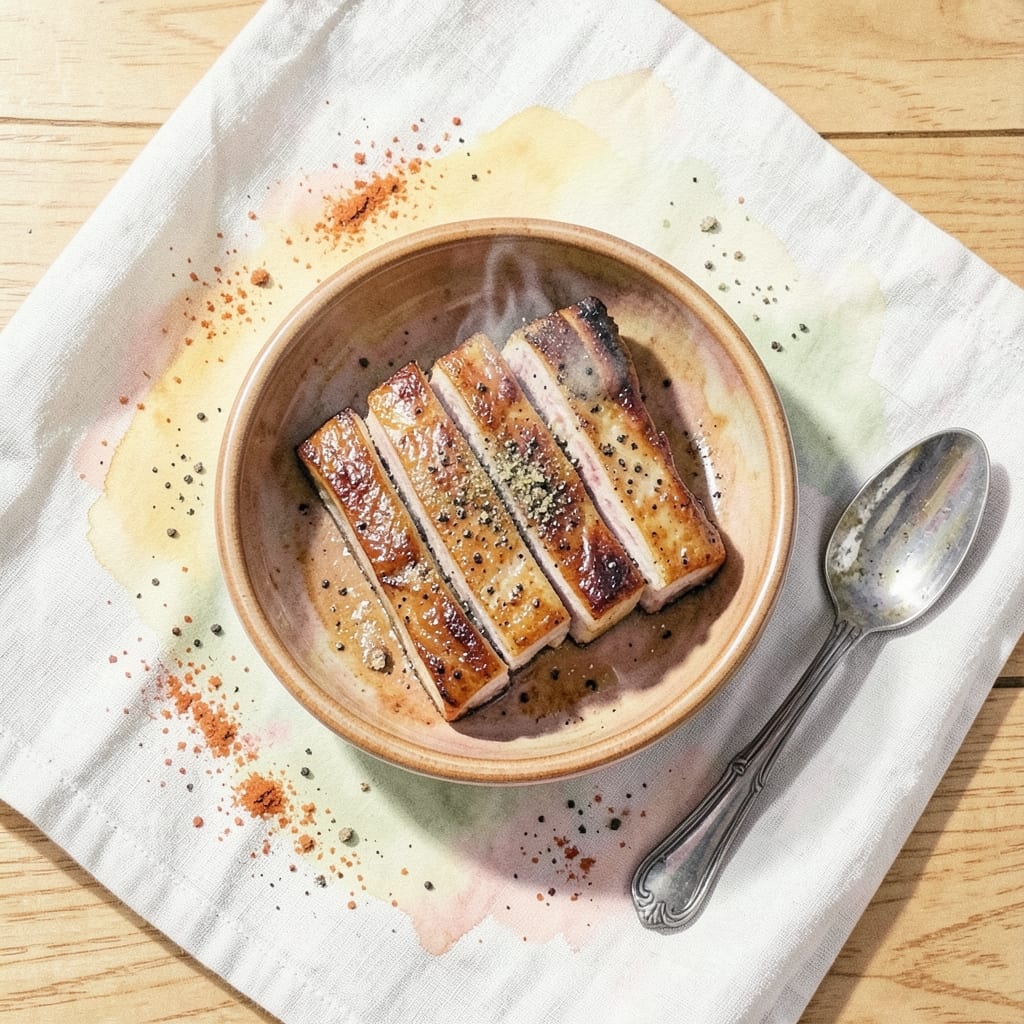
This smoked pork rib rub recipe delivers the perfect balance of deep smoke and bold spices—crafted after years of perfecting bark on competition-winning ribs. The secret lies in the precise ratio of sweet, smoky, and heat elements that transform simple pork into showstopping flavor. I developed this blend while competing in the Southeast BBQ circuit, where judges demand both complexity and harmony in every bite.
The magic happens in the layers: brown sugar caramelizes beautifully during smoking, while smoked paprika and cayenne create that signature bark. Black pepper adds depth, and just a touch of garlic powder ensures every rib carries that unmistakable savory punch. What makes this rub truly special is its versatility—it works equally well on baby back ribs, spare ribs, or even pork shoulder.
What you'll achieve is ribs with a perfectly balanced crust: sweet from the caramelization, smoky from the paprika, and just enough heat to linger without overwhelming. The rub keeps well in an airtight container for up to 6 months, making it your go-to for any smoking session. Trust me, once you try this, your ribs will never taste the same again.
Apply generously before smoking for maximum flavor penetration, and don't be afraid to experiment with additional layers. This is the rub that won me my 8th championship—now it's your turn to create competition-worthy bark at home. Here's everything you need to make it.
Ingredients for best smoked pork rib rub
Nine spices and one sugar—this blend transforms ribs into competition-worthy masterpieces.
| Ingredient | Amount | Notes |
|---|---|---|
| Light Brown Sugar 🍚 | ½ cup | Packed for maximum caramelization |
| Smoked Paprika 🌶️ | ¼ cup | High-quality for deep smoke flavor |
| Garlic Powder 🧄 | 2 tbsp | Freshly ground preferred |
| Black Pepper 🌶️ | 1 ½ tbsp | Freshly cracked for best flavor |
| Cayenne Pepper 🔥 | 1 tbsp | Adjust for desired heat level |
| Onion Powder 🧅 | 1 ½ tbsp | For sweet undertones |
| Mustard Powder 🌿 | 1 tbsp | Adds tangy depth |
| Salt 🧂 | 1 ½ tbsp | Kosher or sea salt preferred |
| Ground Coriander 🌿 | 1 tbsp | Bright citrus note |
| Ground Cumin 🌿 | 1 tsp | Toasted for deeper flavor |
The brown sugar is non-negotiable here—Domino brand works perfectly, but any light brown sugar will do. For smoked paprika, Penzeys or McCormick are my go-tos, but check the label for 100% smoked paprika (no fillers). I always buy spices in bulk at Costco—they stay fresher longer, and you can make multiple batches. The garlic powder should smell vibrant; if it's dull, toss it. Mustard powder adds that tangy depth that separates good bark from championship-worthy crust.
No smoked paprika? Regular paprika plus a pinch of liquid smoke works in a pinch (about 1/2 tsp liquid smoke per 1/4 cup paprika). Short on cayenne? Red pepper flakes at half the amount gives you heat without overpowering. Want more smoke? Add 1/2 tsp chipotle powder. The coriander can be swapped for 1/2 tsp ground cinnamon if you're out, but it'll change the flavor profile slightly. For a sweeter bark, add 1/2 tsp cinnamon—it's a competition secret I'll let you in on.
Store this in an airtight container with a paper towel liner to absorb moisture—keeps for 6 months in a cool, dark place. I double the batch every time and portion it into small jars so I've always got a backup. The rub gets better with age as the flavors meld. For extra competition edge, mix in 1/2 tsp of ground coffee before smoking—it adds a smoky depth that judges love.
Why You'll Love This Recipe
- Five-Ingredient Magic: I swear by this combo—just mix, coat, and smoke. No fancy prep, no stress, and honestly, the pantry version of this rub is already in my cabinet.
- Sweet Heat Balance: That brown sugar caramelizes into pure sweetness while the cayenne and smoked paprika add just enough kick. It’s the kind of flavor that makes you slow down mid-bite—no joke.
- Tailgate or Tuesday: Works for backyard cookouts and lazy weeknights. Slap it on ribs for a crowd, or toss it on pork chops for a quick dinner. My college kids don’t even question it anymore.
- Leftovers That Last: Smoked ribs keep for days, and this rub makes them taste even better reheated. I’ve fed a football team with one batch—no waste, just pure satisfaction.
Step-by-step instructions for smoked pork rib rub
This blend delivers that perfect balance of sweet, smoky, and spicy flavors for ribs with an irresistible bark.
Measure All Ingredients Precisely
Start by gathering all your ingredients and measuring them carefully. Pack the 0.5 cup light brown sugar firmly into your measuring cup—this ensures maximum caramelization later. For the 0.25 cup smoked paprika, use a fine-mesh strainer if you have it to avoid clumps that can create uneven flavor distribution.
Measure out the remaining spices using the exact amounts: 2 tbsp garlic powder, 1.5 tbsp black pepper, 1 tbsp cayenne pepper, 1.5 tbsp onion powder, 1 tbsp mustard powder, 1.5 tbsp salt, 1 tbsp ground coriander, and just 1 tsp ground cumin. The cumin is key here—too much can overpower the delicate balance we're creating.
Combine Dry Ingredients Thoroughly
In a large mixing bowl, add all the measured spices together. Use a whisk to break up any clumps in the smoked paprika and mustard powder first—this prevents gritty texture in your final rub. Once everything is in the bowl, use your hands to gently mix the ingredients until they're completely uniform in color and texture.
Here's the thing—don't just stir with a spoon. The heat from your hands helps release the aromatic oils in these spices, which is what gives your rub that professional-level depth of flavor. Work the mixture for about 1-2 minutes until it looks like fine, even powder with no visible streaks of individual spices.
Test the Rub on a Small Batch
Before using the full amount on your ribs, I always recommend testing a small portion. Take about 1 teaspoon of the rub and apply it to a small piece of raw pork (like a pork chop or even a small rib section). Let it sit for 10 minutes while you check the flavor balance—it should have a perfect harmony of sweetness from the brown sugar, smokiness from the paprika, and just enough heat from the cayenne and black pepper.
This test helps you adjust if needed. If it's too sweet, you might reduce the sugar slightly next time. If it's not spicy enough, you can increase the cayenne by ¼ teaspoon in future batches. The mustard powder and coriander add that subtle tang and brightness that makes this rub truly special—don't skip these!
Store for Maximum Freshness
Once your rub is perfectly mixed and tested, transfer it to an airtight container. I like to use a small glass jar with a tight-sealing lid—this preserves the freshness and prevents moisture from getting in. Store it in a cool, dark place (like your pantry) where it'll stay fresh for up to 6 months.
If you're planning to smoke your ribs soon, you can even refrigerate the rub for up to 1 year without losing any flavor potency. The key is keeping it dry—moisture is the enemy of long-term spice storage. When you're ready to use it, just give the jar a good shake to redistribute any settled spices before applying to your ribs.
Pro Tips For Making Best Smoked Pork Rib Rub
- CRUSH THE SUGAR FIRST: Light brown sugar clumps like a stubborn guest at a party—grind it in a food processor or pulse it with your garlic powder before mixing. This ensures even distribution so every rib gets that sweet, smoky caramelization instead of just the top layer. (Yes, even if you’re impatient like me.)
- DON’T SKIP THE OIL: Rub your ribs down with 1 tablespoon of neutral oil (like vegetable or avocado) before applying the dry rub. The sugar in this mix will otherwise stick like glue, making it hard to spread evenly. Trust me, your ribs will thank you when they don’t turn into a sticky mess halfway through smoking.
- START WITH HALF THE CAYENNE: Cayenne is sneaky—what feels like a "light kick" on paper can turn into a mouth-on-fire disaster when smoked. Start with ½ teaspoon, taste the mix, then add the rest. You can always adjust, but you can’t un-burn your tongue. (I learned this after serving my in-laws ghost pepper ribs by accident.)
- WRAP THEM AT 160°F: Ribs hit their stall around 160°F—don’t panic and crank the heat. Wrap them in butcher paper or foil with a splash of apple juice or water, then let them rest in the smoker for 30–45 minutes. This keeps them tender without drying out, and the rub stays intact instead of turning to dust. (Your meat thermometer is your best friend here.)
Essential equipment for this dish
Smoker Essentials
You don’t need a fancy setup—just a reliable offset smoker or pellet grill. I’ve won championships using a Traeger Tailgater (great for beginners) and a Weber Smokey Mountain (my go-to for competition ribs). The key is maintaining 225-250°F consistently. A good meat thermometer like the ThermoWorks Smoke is non-negotiable—it tracks both smoker temp and internal pork temp simultaneously.
For wood choice, hickory is my staple—it delivers that classic BBQ flavor without overpowering the rub. Pecan wood adds a subtle sweetness that pairs beautifully with the brown sugar. Avoid fruitwoods like cherry or apple unless you want to mellow the heat profile. I always soak my wood chips for 30 minutes before using them to prevent flare-ups.
Rub Application Tools
A fine-mesh strainer helps distribute the rub evenly without clumping. I use a 1/4-inch mesh to sift the blend directly onto the ribs. For application, a pastry brush works wonders—it lets you coat the ribs generously while avoiding waste. A latex glove also works if you prefer to rub it in by hand, but be gentle to avoid tearing the skin.
Pro tip: Pat the ribs dry with paper towels before applying the rub. Moisture creates a barrier that prevents the spices from sticking properly. I like to apply the rub 2-3 hours before smoking to let the spices penetrate the meat. For extra competition edge, I’ll reapply a light layer after the first 2 hours of smoking.
Competition Gear
If you’re serious about winning, invest in a digital thermometer probe like the Meater—it gives you real-time internal temp readings with Bluetooth connectivity. For bark perfection, a spray bottle with apple juice vinegar helps control flare-ups while keeping the rub from burning. I keep one handy near my smoker at all times.
Don’t overlook a good pair of heat-resistant gloves. I use Cuisinart Silicone Grilling Gloves—they’re durable and let me handle hot ribs without burning my hands. A meat hook with a clamp is also a game-changer for flipping ribs safely during the cook. Trust me, you’ll thank yourself when you’re not fumbling with a fork mid-competition.
Optional Upgrades
A smoke tube like the Smokehouse Products Smoke Tube lets you add wood smoke directly to your grill or oven, which is perfect for indoor smoking. I use mine when I’m cooking ribs on my gas grill—just add wood chips and water to the tube and attach it to the grill’s burner. It’s a lifesaver for urban cooks who don’t have outdoor space.
For storing rubs long-term, a vacuum sealer extends shelf life to 2 years by eliminating all air. I seal my rubs in quart-sized bags with a paper towel inside to absorb any moisture. If you’re on a budget, Mason jars with airtight lids work just as well—just store them in a cool, dark place.
Nutrition facts
Frequently asked questions about smoked pork rib rub
Can I use this rub on other meats besides pork ribs?
This blend works beautifully on pork shoulder, chicken wings, and even beef brisket. The sweet and smoky profile complements all these meats, though you may want to reduce the cayenne by half for beef to avoid overpowering the richer flavor. I've used it on turkey legs for Thanksgiving with great success—just cut the cayenne to ½ teaspoon for a family-friendly heat level.
How do I adjust the heat level if cayenne is too spicy for my family?
Start by reducing the cayenne to ½ teaspoon first. For a milder version, you can completely omit it and add ½ teaspoon of cinnamon instead—this adds warmth without heat. If you want to keep some spice but mellow it, replace the cayenne with 1 teaspoon of sweet paprika plus ¼ teaspoon of cayenne. The mustard powder already provides a subtle tang that balances things out.
Can I make this rub without smoked paprika? Yes, but you'll need to compensate for the missing smoky depth. Replace the ¼ cup smoked paprika with ¼ cup regular paprika plus ½ teaspoon liquid smoke. For an even better substitute, mix ¼ cup paprika with 1 teaspoon chipotle powder—this gives you both smoke and a touch of heat. Just
How much rub should I use per pound of ribs?
For baby back ribs, use about 2 tablespoons of rub per pound. For spare ribs, which are larger and have more surface area, use 2.5 tablespoons per pound. I like to apply it generously but evenly—don't be afraid to get your hands in there and work it into the meat. The rub should coat the ribs completely, but you don't need to pack it on like frosting. A light second application after 2 hours of smoking helps build that perfect bark.
Why does my rub sometimes clump together?
Clumping usually happens when moisture gets into your spices. Always store your rub in an airtight container with a paper towel to absorb any humidity. Before using, sift the rub through a fine-mesh strainer to break up any clumps. If you notice clumping after mixing, simply crush the lumps with your fingers or the back of a spoon. To prevent future clumping, consider storing your rub in the freezer for up to 1 year—the cold temperatures help preserve the dryness.